

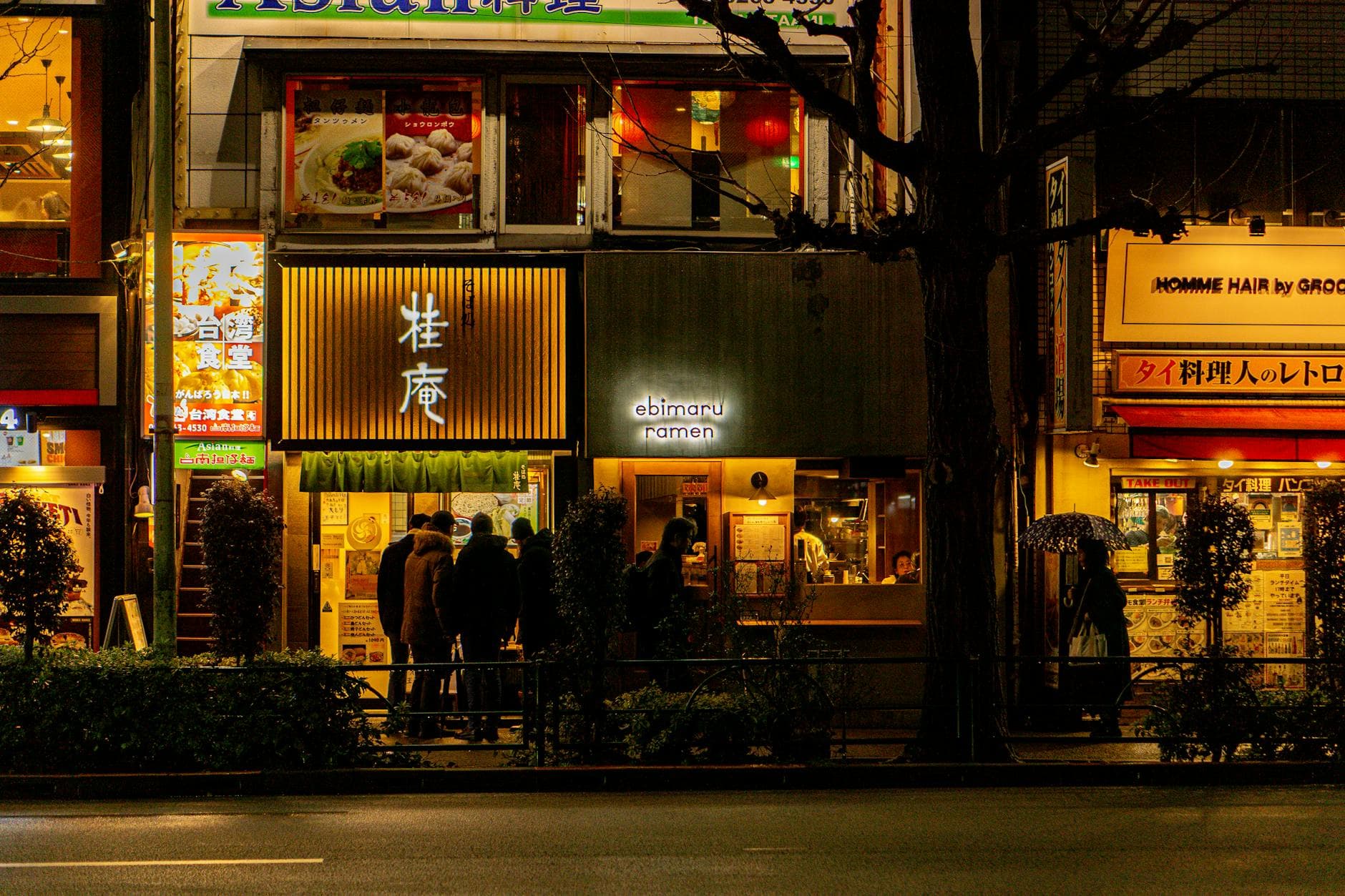

Osaka / Wikipedia
Dish
Best Instant Ramen Brands: 10 Bowls Worth Buying in 2025
Instant ramen has come a long way from the dorm-room staple — global demand for instant noodles reached roughly 124 billion servings in 2025, per the World Instant Noodles Association, and the category spans everything from cheap paper-cup basics to genuinely well-made bowls that rival a noodle shop. This list ranks ten standout brands and specific products across styles — Japanese shoyu and shio, Korean spicy and beef, Singaporean laksa, Indonesian mi goreng, and more — based on broth quality, noodle texture, and how honestly each one represents the cuisine it draws from.
891 views
Top10Grid rankings are decided by votes, not algorithms — use the buttons below to move this list.
Current Rankings
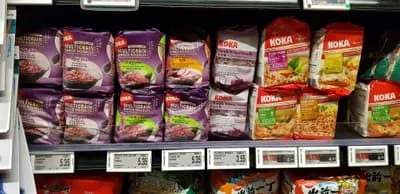
Vote items up or down — rankings update instantly
Get the weekly food & drink rundown
Only lists published since the last email. Join the early readers.
- Only Top 10s published in the last 7 days
- One email a week — and none at all in a week with nothing new
- Unsubscribe in one click
No spam. One email per week. Unsubscribe anytime.
Instant Ramen Questions, Answered
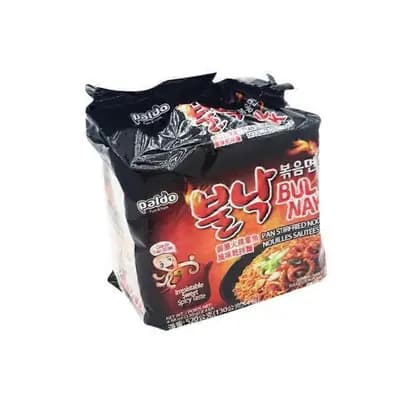
### Which instant ramen is the spiciest? Samyang 2x Spicy Buldak Fire Noodles (#1) is the heat benchmark; Paldo Bulnak Spicy Octopus Noodles (#9) is another high-heat pick.
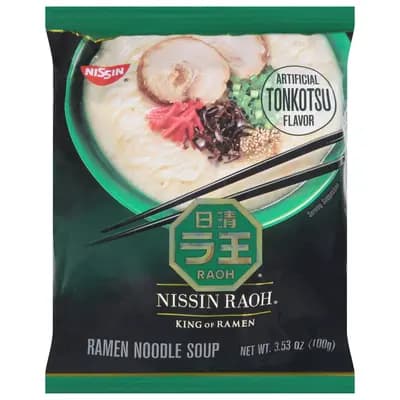
### What's the best non-fried option? Nissin Raoh Umami Tonkotsu (#2) uses air-dried noodles for a closer-to-shop texture.
### Which pick is most vegetarian-friendly? Koka Purple Wheat Noodles Singapore (#7) leads the health-focused segment; Prima Taste Laksa La Mian (#3) is also widely meat-free at home.
### How are these brands ranked? Ten standout brands and specific products across styles — Japanese shoyu and shio, Southeast Asian, Korean, Indian — based on category reputation, ingredient quality, and broth depth.
### Be the 1st to vote on your favorite — tap the vote button above!
Instant Ramen FAQ
### What is the spiciest instant ramen on this list? Samyang 2x Spicy Buldak Fire Noodles (item #1) is the hottest pack in this ranking, with Paldo Bulnak Spicy Octopus Noodles (item #9) close behind.
### Which pick is best for a noodle-shop-style bowl at home? Nissin Raoh Umami Tonkotsu (item #2) uses air-dried, non-fried noodles designed to mimic fresh ramen texture.
### What is the healthiest option? Koka Purple Wheat Noodles Singapore (item #7) leads the health-focused segment thanks to its purple-wheat, lower-fat profile.
### Are these products available outside Asia? Yes — Indomie (item #5) and Maggi (item #10) are stocked in most international supermarkets, and the others ship widely online.
Frequently Asked Questions About Instant Ramen Brands
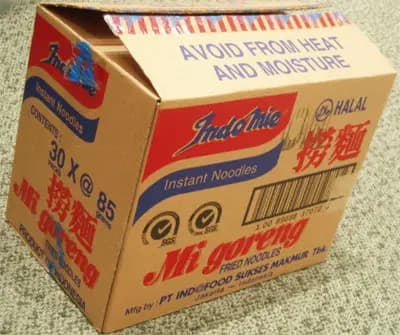
Which instant ramen brand is the most popular in the world? Indomie Mi Goreng and Maggi 2-Minute Noodles are two of the most widely consumed instant noodle brands globally, with Indomie especially dominant across Southeast Asia, Africa, and the Middle East.
What is the spiciest instant ramen on this list? Samyang 2x Spicy Buldak Fire Noodles tops the heat scale among the ten picks, followed by Paldo Bulnak Spicy Octopus Noodles and Shin Ramyun by Nongshim.
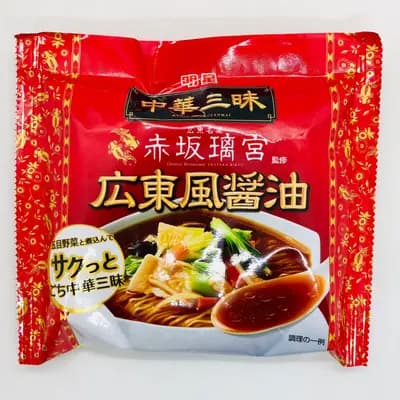
Which instant ramen is closest to a real noodle-shop bowl? Nissin Raoh Umami Tonkotsu and Myojo Chukazanmai Tokyo Shoyu are both designed to mimic fresh ramen shop bowls, with air-dried noodles and broth-forward seasoning packets.
Is there a healthier instant ramen option? Koka Purple Wheat Noodles Singapore uses purple wheat and tends to have a simpler ingredient list, making it the most health-leaning pick among the ten.
How should I cook instant ramen to make it taste better? Use just enough water for the noodles, add the seasoning partway through cooking, and finish with a soft-boiled egg, sliced scallions, or a drizzle of sesame oil.
Fried vs. Air-Dried Noodles
The single biggest quality divide in instant ramen isn't brand or price — it's how the noodles are made. Most instant noodles are flash-fried in oil, which dries them fast and cheap but leaves a slightly greasy, uniform texture no matter how good the seasoning is. A smaller number of premium products, including Nissin Raoh on this list, use air-drying instead — a slower, costlier process that keeps the noodle closer to fresh ramen in both bite and mouthfeel. If a bowl stands out for texture rather than just flavor, air-drying is usually why.
Where the Heat Comes From, and Why It's Not Comparable Across Brands
Spice claims on ramen packaging vary wildly by country and aren't measured the same way, which makes them hard to compare directly. Korean brands like Samyang lean on gochugaru-based sauces engineered for viral, extreme heat as much as flavor. Japanese brands rarely chase that kind of intensity at all — shio and shoyu bases are built around broth clarity and umami depth, not capsaicin. Southeast Asian entries, like Indomie's sambal-based kick or Prima Taste's chili-laced laksa, sit in between, using chili as one flavor component among several rather than the whole point. None of these approaches is objectively 'more ramen' than the others — they're different culinary traditions sharing a category name.
Powder Packets vs. Paste Concentrates
Most instant ramen seasons its broth with a dried powder packet, sometimes paired with a small oil sachet. A few brands, Prima Taste chief among them, instead include a wet paste concentrate — closer to a pre-made curry or laksa base you dissolve into hot water. It costs more to produce and ship, which is part of why those products sit at a higher price point on this list, but it also carries more depth than a powder can, since a paste preserves aromatics like fresh chili, shrimp paste, and coconut solids that don't survive dehydration well.
Readers Also Ranked
More Lists Like This

Top 10 Brazilian Street Foods
- #1Acaraje
- #2Pastel
- #3Coxinha

Top 10 Best Whiskeys in the World
- #1Pappy Van Winkle's Family Reserve 23 Year
- #2Macallan 25 Year Sherry Oak
- #3Yamazaki 18 Year

Top 10 Best Rooftop Cocktail Bars in Hong Kong 2026
- #1Ozone Bar (Ritz-Carlton, ICC)
- #2Felix Bar (The Peninsula Hotel)
- #3Aqua Spirit (One Peking)
Top 10 Most Controversial Food Trends
- #1Foie Gras
- #2Lab-Grown Meat
- #3Raw Milk Movement
Frequently asked questions
What is the top-ranked instant ramen brand according to this food critic?
The top-ranked brand is typically Nissin’s Cup Noodles or Shin Ramyun, but the exact ranking depends on the specific review criteria and testing.
How does the food critic evaluate and rank the instant ramen brands?
The critic usually considers factors like noodle texture, broth flavor, seasoning balance, and overall authenticity, often tasting multiple varieties blind.
Are any of the top-rated instant ramen brands healthy or low in sodium?
Most instant ramen is high in sodium and processed, but some brands offer lower-sodium or organic options; however, they are generally not considered healthy.
Where can I buy the best instant ramen brands from this list?
Many top brands like Shin Ramyun and Indomie are available at Asian grocery stores, Walmart, Target, or online through Amazon and specialty retailers.
Does the list include any vegetarian or vegan instant ramen options?
Yes, some highly ranked options like Nissin’s Top Ramen in soy sauce flavor or certain imported brands are vegan, but always check the label for animal-derived ingredients.
Discussion
Have a take on this ranking?
Comments are how the argument actually happens here. Posting one needs a free account — it takes about a minute.
No comments yet.
The first comment sets the terms of the argument.
Would your top 10 look different?
Publish your own ranking of this topic. Your list gets its own page, and readers vote on it the same way you just voted on this one.
Build your own Top 10More Food Rankings
More Dishes Rankings
6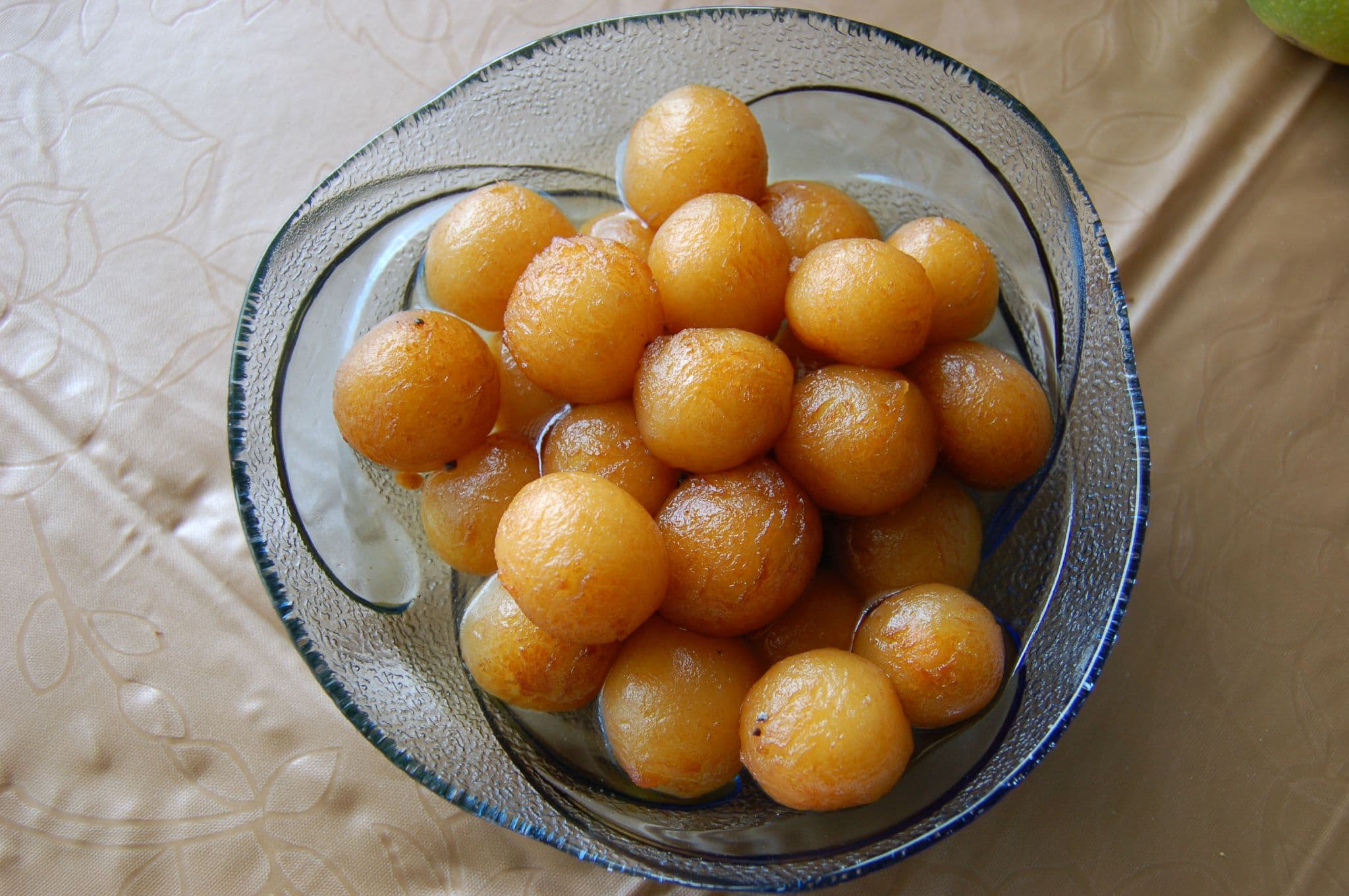
Top 10 Traditional Indian Desserts You Need to Try
140 views · @admin
Snack Sales March 2026: The Indulgences Beating the Virtuous Picks
141 views · @admin
🍜
Top 10 Foods That Are Aging You Faster — What to Cut to Look and Feel Younger
142 views · @admin

Top 10 Best Food Cities in the World
148 views · @admin
Top 10 Best Japanese Dishes
150 views · @admin
Top 10 Fast Food Menu Items That Became Cultural Phenomena
152 views · @admin
You might also want to rank…
 Top 10 Wine Regions in Australia 2026
 Top 10 Malaysian Soups & Curries in 2026
 Top 10 Worst Food Trends of 2026
 Top Craft Breweries — Portland — May 2026
Explore more Food rankings on Top10Grid
People Also Explore
Because you're viewing Food
Top 10 High-Protein Snacks of 2026
876 views · 0 votes
Top 10 Viral Food Trends Taking Over Restaurants in 2026
1,018 views · 0 votes
10 Best Cabbage Recipes to Make in 2026 (From Kimchi to Cabbage Steaks)
1,056 views · 1 votes
10 TikTok Viral Foods Actually Worth Making in 2026 — Honest Review
1,182 views · 0 votes
Top Craft Breweries — Asheville — October 2026
1 views · 0 votes
You might also like
FOODSame type
Japan's Top 10 Regional Cuisines & Specialty Dishes
10 items
FOODSame type
Top 10 Best Comfort Foods Around the World
10 items
FOODSame type
Top 10 Best Japanese Dishes
10 items
FOODSame type
Top 10 Best Street Foods Around the World
10 items

FOODSame type
Top 10 Most Polarizing Foods People Love or Hate
10 items
FOODSame type
Top 10 Best Rooftop Cocktail Bars in Hong Kong 2026
10 items