
Wikimedia Commons
The 10 Largest Economies in the World by GDP
Gross domestic product is an imperfect measure of a nation's wellbeing — it says nothing about inequality, sustainability, or happiness. But as a measure of economic output, it remains the most widely used yardstick in the world. The countries at the top of the GDP rankings are not just wealthy; they are the engines of the global economy, the home markets of the world's largest corporations, the issuers of reserve currencies, and the primary sources of foreign investment. Understanding who sits at the top of this table is understanding where economic power actually lives in the 21st century.
Top10Grid lets the community re-rank anything — this order is our editors' pick for now; use the buttons below to vote it up or down.

Current Rankings
- –#1
United States

The United States dominates the global innovation economy with an approximate $27 trillion GDP, producing roughly 25% of global output—more than the combined output of Germany and Japan. Home to the world's reserve currency and the largest stock market, it hosts the biggest technology companies in history, including Apple, Microsoft, and Alphabet, which together exceed $7 trillion in market capitalization. This economic heft is reinforced by a venture capital ecosystem that invested over $175 billion in 2023, funding breakthroughs in AI, biotech, and clean energy. The U.S. outperforms the average high-income country in R&D spending at 3.5% of GDP, fostering continuous innovation. Its flexible labor market and world-leading universities attract global talent, cementing its position as the epicenter of technological and economic leadership.
- –#2
China
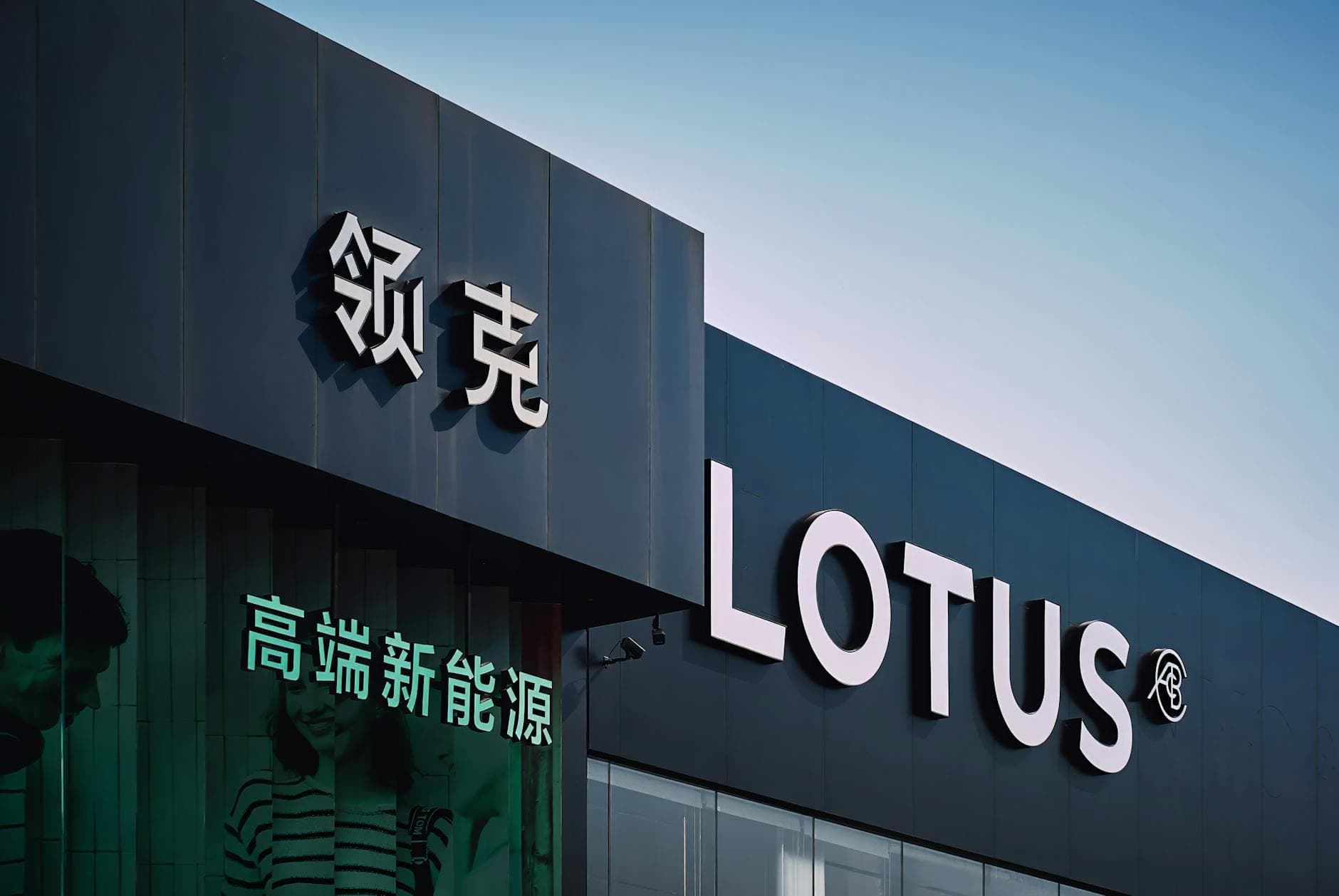
China’s $18 trillion GDP makes it the second-largest economy, having overtaken United States in manufacturing output in 2010. It is now the largest trading nation globally, with exports exceeding $3.5 trillion annually, and holds over $3 trillion in foreign exchange reserves, the world's biggest. China has become a dominant force in green energy technology, producing 80% of the world's solar panels and 70% of lithium-ion batteries. Its rapid economic growth—averaging nearly 10% per year before 2020—has lifted over 800 million citizens out of poverty. The country’s state-led innovation model allocated $440 billion to R&D in 2023, second only to the U.S., focusing on areas like 5G, AI, and electric vehicles, where Chinese companies like BYD and Huawei lead globally.
- –#3
Germany

Germany, with a GDP of $4.5 trillion, is Europe's largest economy and the world's third-largest exporter, exporting goods worth $1.7 trillion annually. Its export-led model has earned it the title of 'workshop of the world,' supported by a network of over 3 million small and medium-sized enterprises (the Mittelstand) that account for 52% of economic output. Germany outperforms the typical European rival in manufacturing productivity, producing 20% of the EU's total output. The country invests $130 billion annually in R&D, with a focus on automotive engineering, industrial automation, and green technology. Despite challenges from China in manufacturing, Germany maintains a trade surplus of $200 billion, driven by premium brands like Volkswagen and Siemens.
- –#4
Japan

Japan’s $4.2 trillion economy ranks fourth globally, maintaining its position for decades despite an ageing population and a deflationary period that lasted over two decades. Japan also leads in automotive engineering, producing 8 million vehicles annually, with Toyota alone accounting for 10% of global car sales. Consumer electronics giants like Sony and Panasonic sustain its global influence, while R&D spending reaches $170 billion annually, 3.3% of GDP. Japan’s productivity per hour worked is 12% above the OECD average, and its high-speed rail network, Shinkansen, carries 450,000 passengers daily, exemplifying precision and efficiency. The economy’s resilience, despite demographic headwinds, underscores its enduring innovation.
- –#5
India
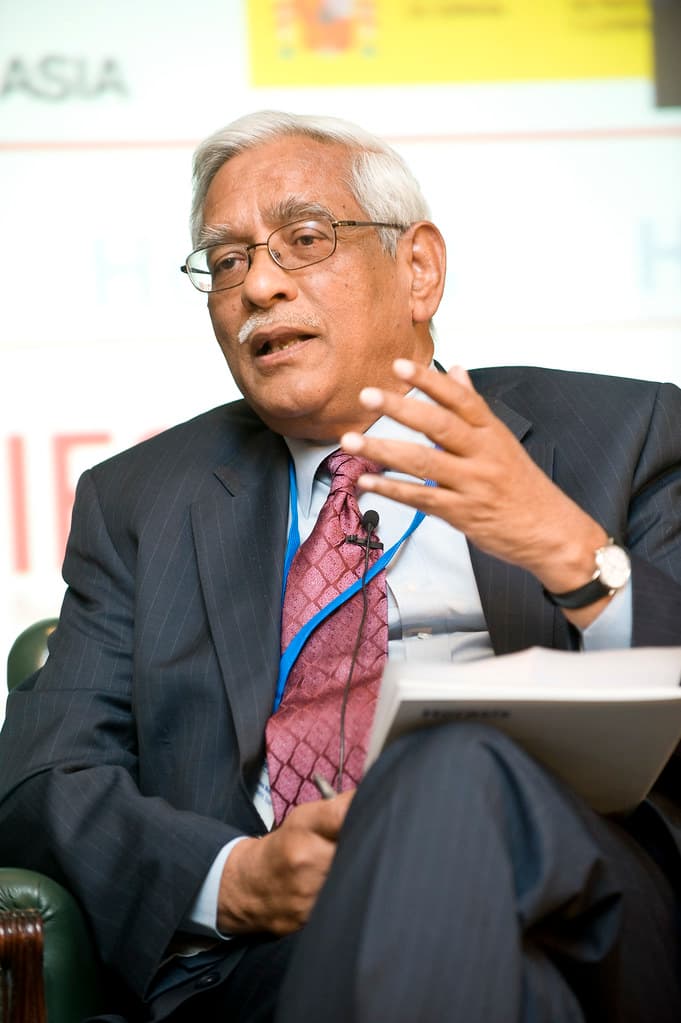
India’s $3.7 trillion economy, expanding at 6–7% annually, has overtaken United Kingdom and France to become the world’s fifth-largest. This growth is fueled by a young population of over 1.4 billion and a rapidly digitizing infrastructure, including 800 million internet users. India’s GDP is now 20% larger than the UK’s $3.1 trillion, demonstrating its accelerating dominance. The nation’s digital payments ecosystem, with over 100 billion transactions in 2023, outpaces the average global adoption rate. As a result, India is forecast to reach $5 trillion by 2027, faster than any other major economy.
- –#6
United Kingdom

The United Kingdom generates $3.1 trillion in GDP, anchoring Europe’s second-largest economy and remaining a premier global hub for financial services alongside New York. London processes over $2 trillion in daily foreign exchange volume, ranking second worldwide only to New York. While India has surpassed it in total output, . The nation also leads Europe in venture capital investment, with $34 billion invested in 2022.
- –#7
France

France’s $3.0 trillion economy ranks seventh globally, driven by a luxury goods sector that generates $150 billion annually and an aerospace industry producing over 500 aircraft per year. France hosts more Fortune 500 companies per capita than any other European nation, with 31 firms on the list in 2023. The country also stands as the world’s leading tourist destination, attracting 90 million visitors annually.
- –#8
Brazil
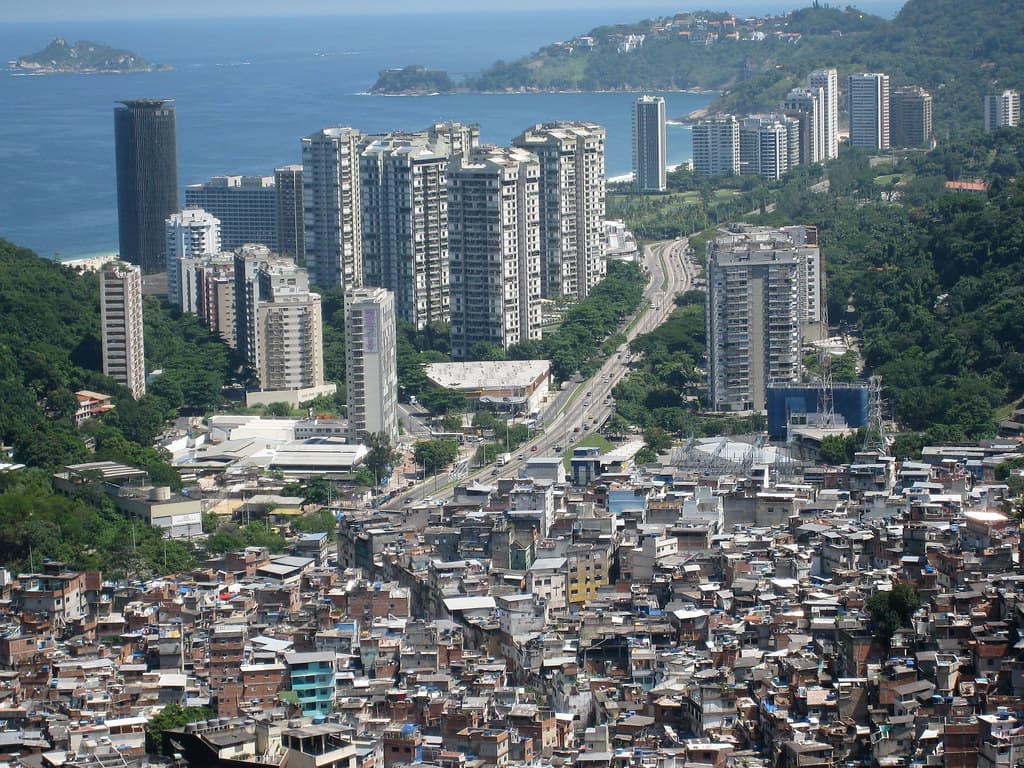
Brazil commands Latin America’s largest economy at $2.1 trillion, leveraging its status as the world’s top exporter of coffee, sugar, and soybeans—shipping 60 million metric tons of soybeans yearly. Brazil’s agriculture sector contributes 25% to GDP, a share twice the global average.
- –#9
Canada

Canada’s $2.1 trillion economy is the most stable among G7 nations, underpinned by abundant natural resources and a robust financial sector. The financial sector’s 6.5% contribution to GDP fuels steady growth, while energy exports—accounting for 8% of global crude—cement its role as a resource powerhouse.
- –#10
Italy

Italy’s $2.1 trillion economy is the third-largest in the eurozone, punching above its weight in global luxury markets where Ferrari and Lamborghini command 22% of the high-end automotive segment. While Canada outpaces it in resource-driven stability, Italy surpasses the average eurozone growth rate of 0.4% with its 0.7% annual expansion, driven by fashion and design sectors contributing $95 billion to exports. For innovation in lifestyle industries, Italy remains a formidable contender.
Frequently Asked Questions
### What does GDP measure? Gross Domestic Product measures the total monetary value of goods and services produced within a country's borders over a specific period, usually one year. It is a measure of economic output, not overall wellbeing.
### Is this list ranked by nominal GDP or PPP? The figures shown are nominal GDP in current U.S. dollars, the most commonly cited ranking of country economies.
### Where does the data come from? The country rankings are sourced from Wikidata's structured economy records, which aggregate official national accounts and international datasets.
### How often are the figures updated? GDP figures change as countries release revised annual data. The list reflects the most recent values available at the time of publication.
Image credits
- France: Paris from the Arc de Triomphe, 17 October 2019.jpg / Wikimedia Commons
Related Videos
Frequently asked questions
Which countries dominate global GDP in the innovation economy?
The United States, China, Japan, Germany, and South Korea are among the top countries dominating global GDP in the innovation economy, driven by high R&D spending and advanced technology sectors.
What is the innovation economy?
The innovation economy refers to an economic system where growth and value creation are driven primarily by knowledge, technology, and new ideas rather than traditional factors like land or labor.
How is innovation economy performance measured in relation to GDP?
Performance is measured through metrics like R&D spending as a percentage of GDP, patent filings, high-tech exports, and the number of tech startups, which correlate with higher GDP contributions from innovative industries.
Why do countries like the US and China lead in both innovation and GDP?
They lead due to massive investments in research and development, strong intellectual property protections, a culture of entrepreneurship, and robust venture capital ecosystems that fuel technological breakthroughs.
How has the innovation economy shifted global GDP rankings in recent years?
The rise of digital and AI sectors has boosted GDP shares for the US and China, while traditional manufacturing economies like Japan and Germany maintain strong positions but face growing competition from emerging innovation hubs.
Rank it your way
Remix this list into your own ranking, or head to the play hub for every game mode and community breakdown — blind mode, challenges, tier lists, and more.
You Might Also Like
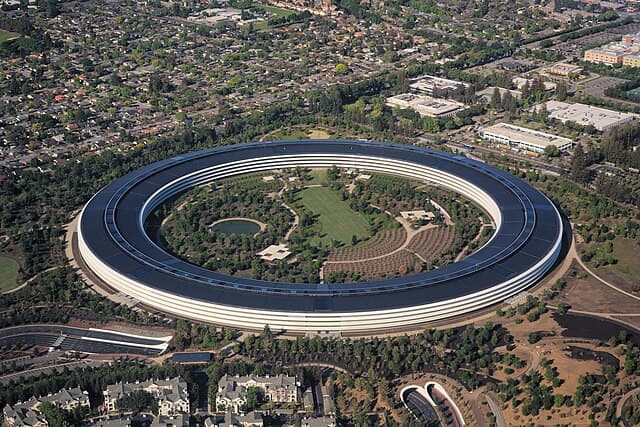
Top 10 Most Valuable Brands in the World 2026
most valuable brands in the world

Top 10 Countries With the Strongest Economies in the World — GDP Power Rankings 2026
Top 10 Countries With the Strongest Economies in the Worl...
Top 10 Reasons Dubai Became a Global City
Top 10 Reasons Dubai Became a Global City

Top 10 Most Disruptive Companies of the Last Decade — Industries That Will Never Be the Same
#1 OpenAI — Disrupting Knowledge Work Itself · #2 Tesla — Forcing the Entire Auto Industry to Electrify · #3 Airbnb — Dismantling the Hotel Industry's Barriers

Top 10 Startup Hubs in Germany 2026
#1 Berlin · #2 Munich · #3 Hamburg

Top 10 Side Hustles That Actually Pay in 2026 (With Real Income Data)
#1 AI Business Automation Consulting · #2 Online Tutoring & Teaching · #3 Virtual Assistant Services