





Destination
Top 10 Best Birdwatching Destinations
Looking for the best birdwatching destinations in the world for 2026? From tropical cloud forests and African savanna to Amazonian wetlands, these ten legendary birding hotspots draw enthusiasts chasing rare lifers — and spark heated debate over which deserves the top spot. Be the first to vote for your favorite, then tell us which feathered encounter lives rent-free in your head.
2026365 views
Top10Grid rankings are decided by votes, not algorithms — use the buttons below to move this list.
Place
Top 10 lists about this destination
Current Rankings
Vote items up or down — rankings update instantly
Get the weekly nature rundown
Only lists published since the last email. Join the early readers.
- Only Top 10s published in the last 7 days
- One email a week — and none at all in a week with nothing new
- Unsubscribe in one click
No spam. One email per week. Unsubscribe anytime.
Frequently Asked Questions About Birdwatching Destinations
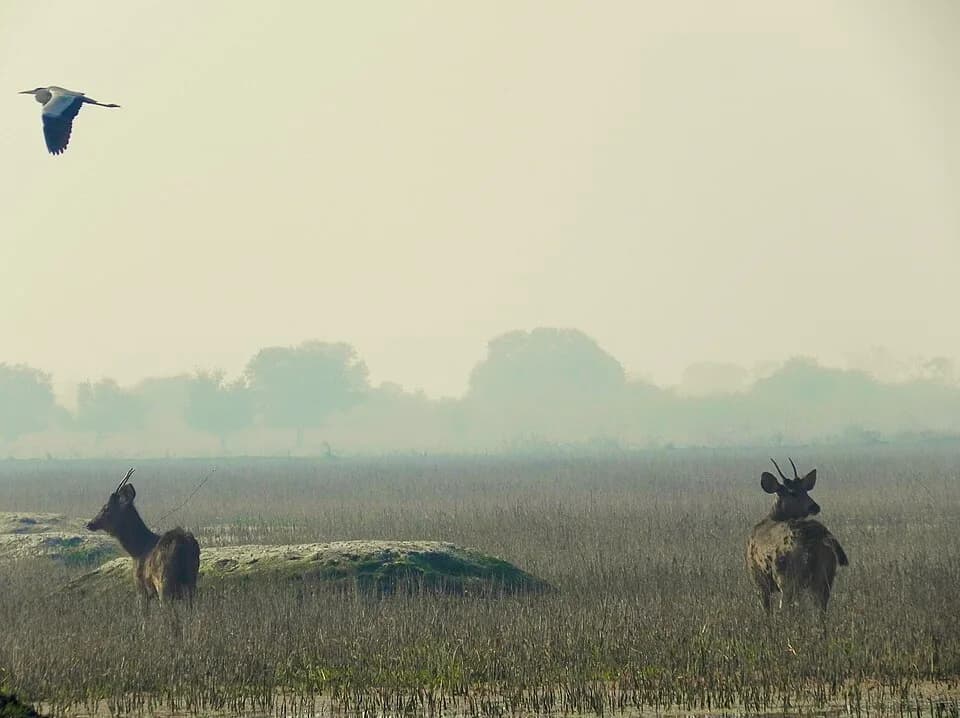
When is the best time to visit these birding hotspots? Most destinations have a peak season tied to migration or breeding. Ecuador's Mindo and Costa Rica's Monteverde are best December–May; Kruger is excellent June–October; Bharatpur peaks October–March; the Pantanal is prime July–September; Kakadu is best June–September (dry season); the Danube Delta peaks April–May; Bosque del Apache peaks November–February; Sepilok is year-round with March–October edges; the Galápagos is good year-round.
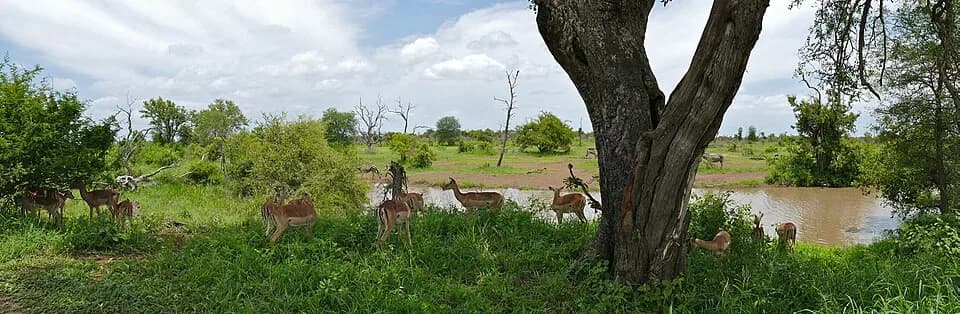
Do I need a guide for any of these? Independent birding is possible at Kruger, Kakadu, Bosque del Apache and the Danube Delta with local signage. Cloud forests (Mindo, Monteverde), the Pantanal, Sepilok and the Galápagos benefit enormously from a local guide who knows call sites and endemic micro-habitats.
What gear should I pack? A pair of 8x42 binoculars covers 90% of scenarios; a 400mm–600mm lens is helpful for skulking species; bring a field notebook, eBird app offline packs, neutral-colored clothing, and rain gear for cloud forests.
Are these destinations family-friendly? Bosque del Apache, Kruger and the Danube Delta are excellent for families. Cloud forests require patience from kids; the Galápagos and Pantanal work well for older children.
Birdwatching Destinations FAQ
## Birdwatching Destinations FAQ
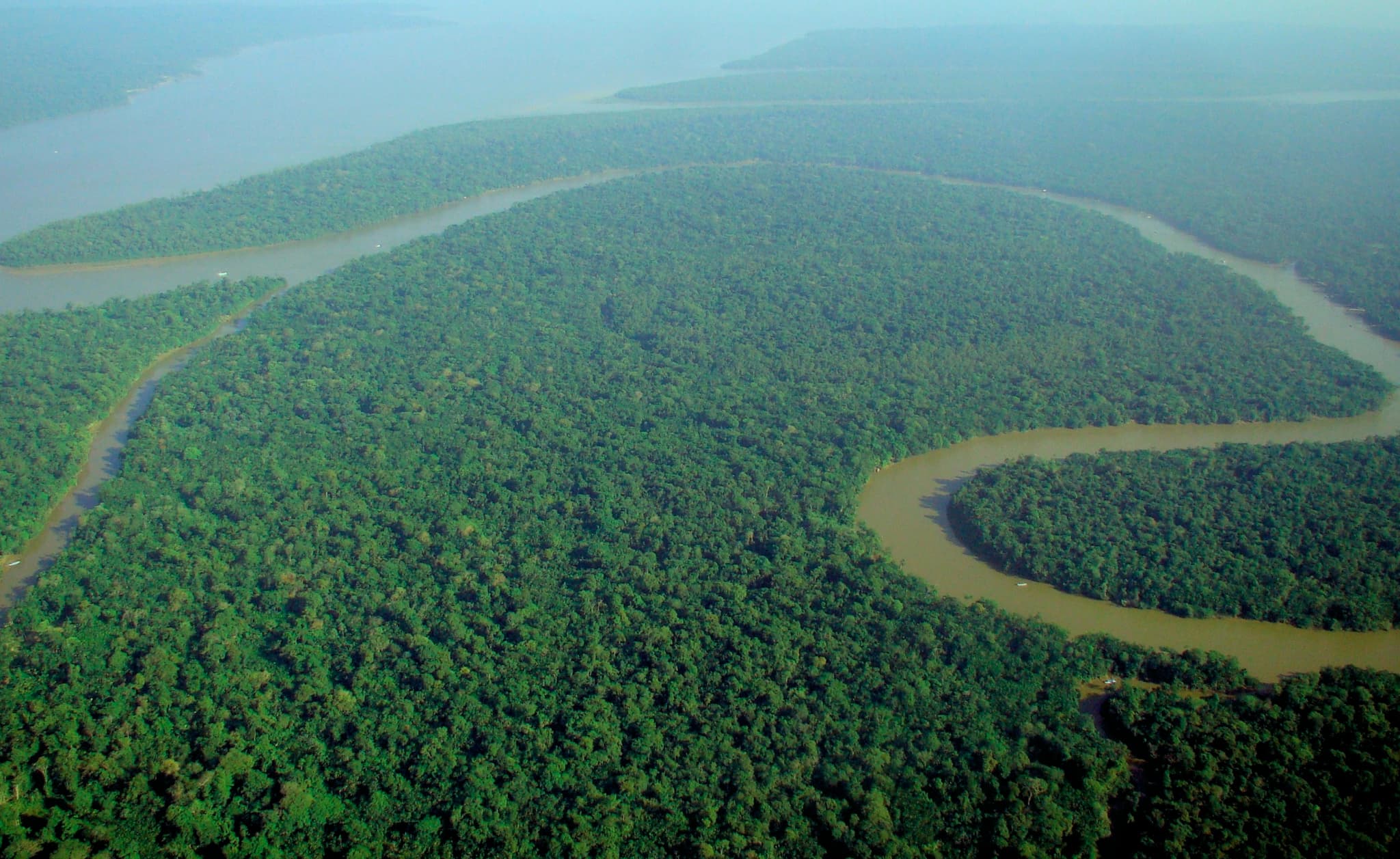
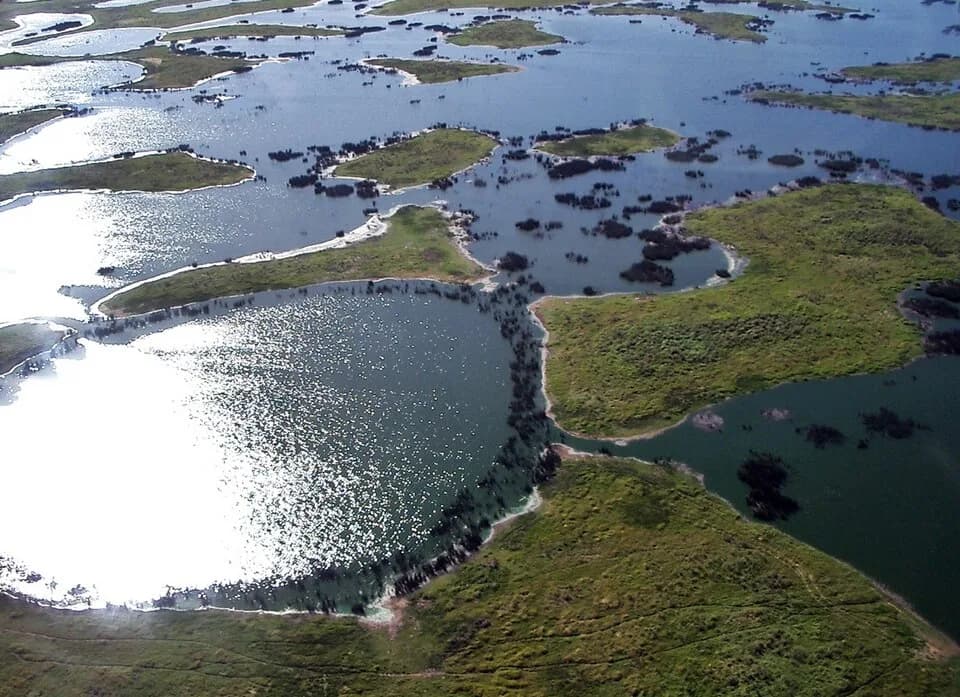
Which destination on this list has the most bird species? The Pantanal in Brazil leads this list with 665 recorded bird species across roughly 150,000 square kilometers of wetland.
Which entry is the largest protected area? Kakadu National Park in Australia covers the largest area of any single destination on this list, with its floodplains hosting over 280 bird species.
Which destination is best for spotting hummingbirds? Mindo Cloud Forest in Ecuador is described on this list as one of the most concentrated hummingbird-watching sites in the Americas.
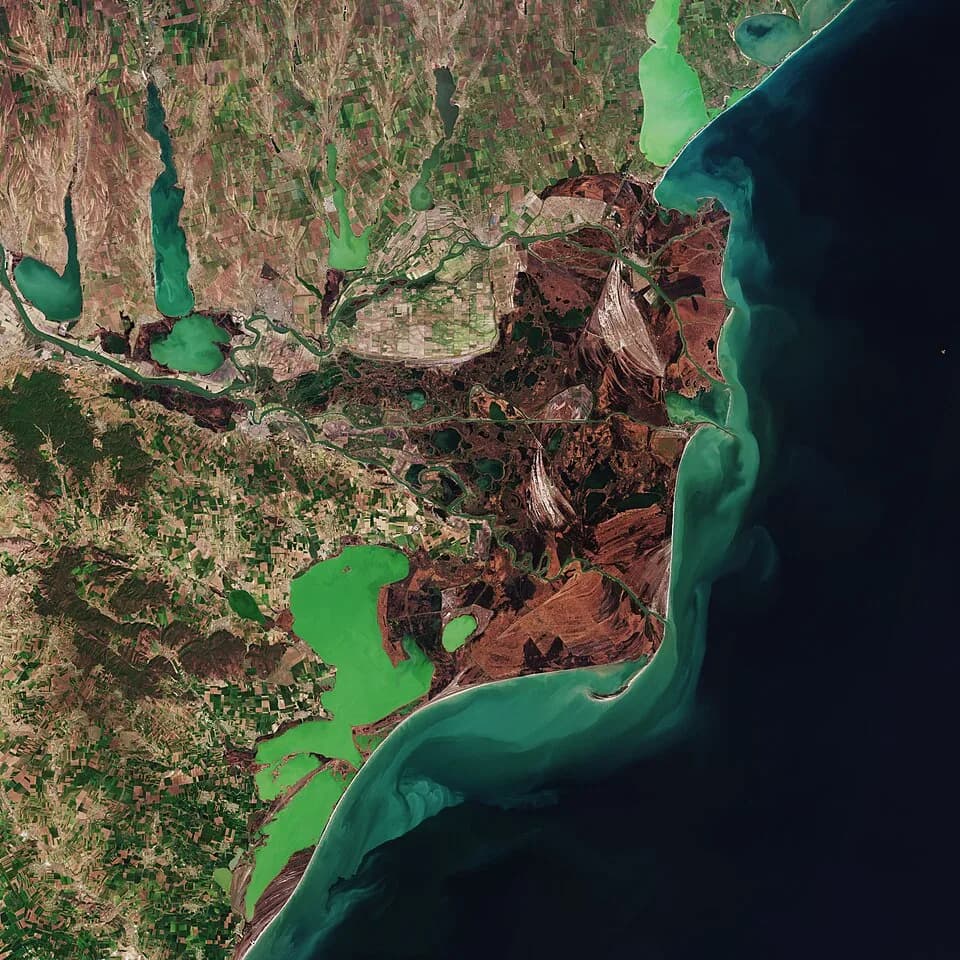
Which destination is in Europe? The Danube Delta in Romania is the European entry on this list, spanning 5,800 square kilometers as Europe's largest wetland.
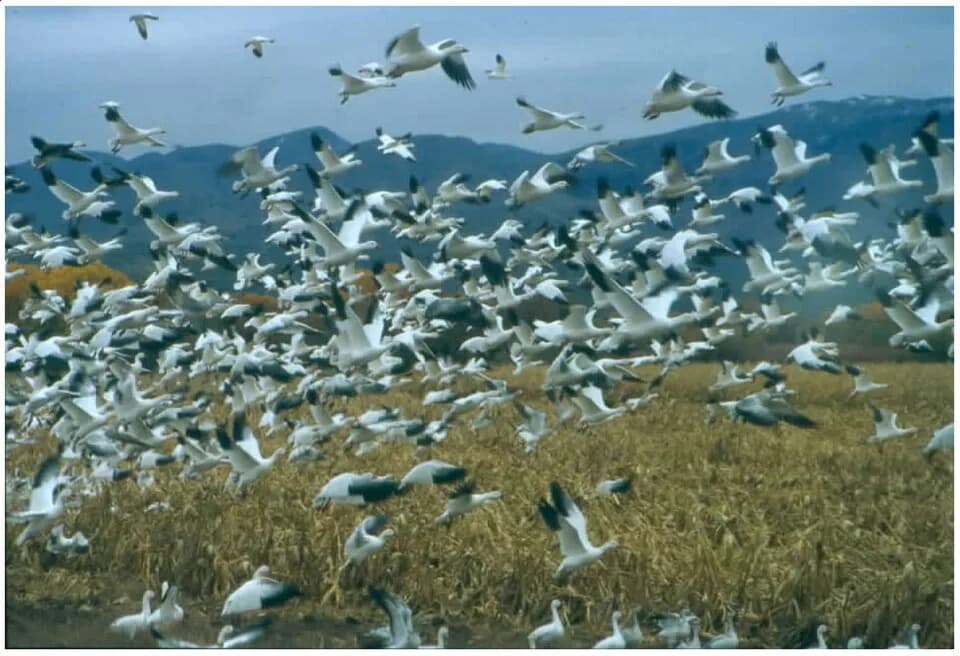
Which destination famously hosts a seasonal avian congregation? Bosque del Apache in New Mexico is featured for North America's most spectacular avian congregation.
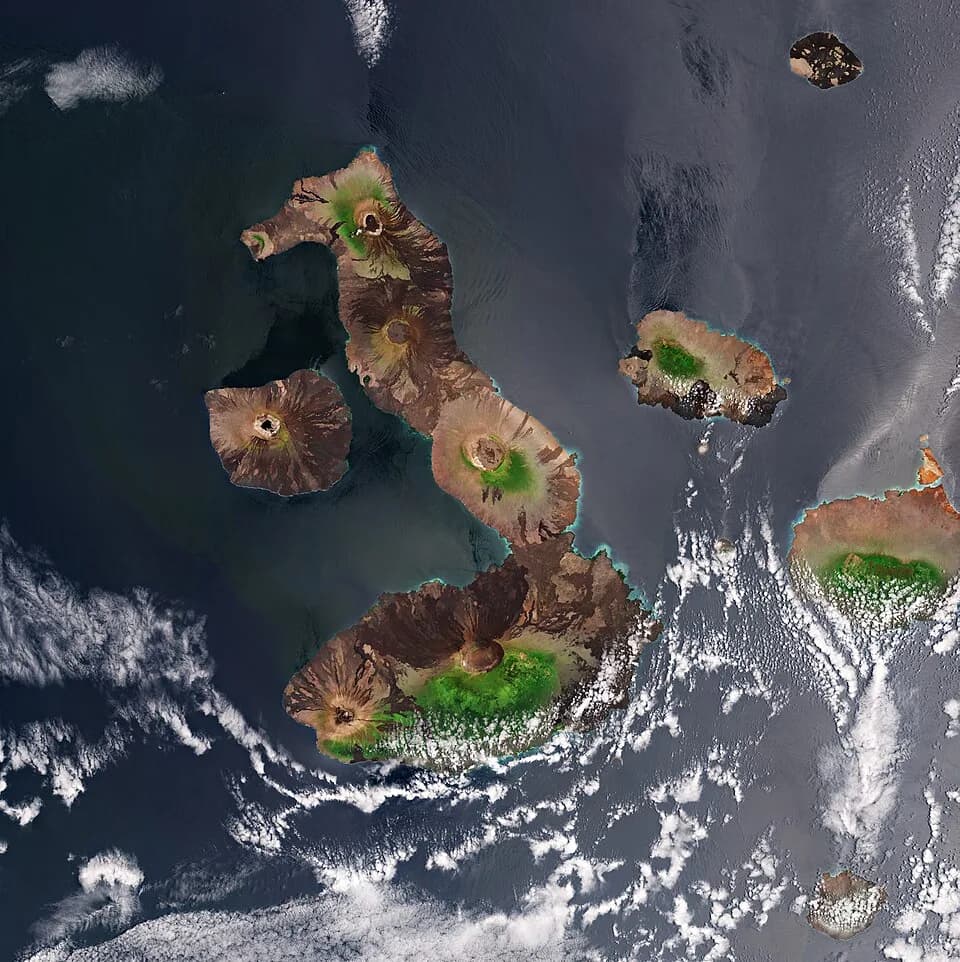
Which destination offers the most unique endemic encounters? The Galápagos Islands in Ecuador are highlighted on this list for unparalleled encounters with fearless endemic species.
*Have a question we missed? Vote on the list and drop it in the comments.*
Species counts versus signature spectacles
It's tempting to rank birding destinations purely by total species recorded, but that measure rewards size more than quality of experience. The Pantanal's enormous species list reflects its sheer scale as the world's largest tropical wetland; a much smaller site like Bharatpur or Monteverde can still deliver a more concentrated, reliable experience of its own signature species. Worth asking before you book: are you chasing a long list for a life-list total, or a small number of unforgettable, close encounters? The two goals point toward different destinations on this list.
What makes a sighting reliable versus a long shot
Some of the birds on this list are near-guaranteed at the right time of year — sandhill cranes and snow geese at Bosque del Apache between November and February, Dalmatian pelican colonies at the Danube Delta, hummingbirds at Mindo year-round. Others, like Kakadu's Gouldian finch or Sepilok's Bornean Bristlehead, are genuinely elusive species that reward patience and a good local guide more than they reward simply showing up. Knowing which category a destination's headline species falls into will do more for your trip planning than any species-count comparison.
Readers Also Ranked
More Lists Like This
Top 10 Worst Ocean Pollution Sources
- #1Single-Use Plastic Packaging
- #2Agricultural Runoff and Fertilisers
- #3Industrial Wastewater Discharge

Top 10 Best Stargazing Locations
- #1Atacama Desert, Chile
- #2NamibRand Nature Reserve, Namibia
- #3Mauna Kea, Hawaii, United States

Top 10 Most Beautiful Caves in the World (2026)
- #1Son Doong Cave, Vietnam
- #2Waitomo Glowworm Caves, New Zealand
- #3Marble Caves, Chile

Top 10 Most Debated Climate Change Effects
- #1Arctic Ice-Free Summers
- #2Sea Level Rise Projections
- #3Amazon Rainforest Dieback Tipping Point
Frequently asked questions
What are the top birdwatching destinations featured in this list?
The list includes a diverse range of habitats such as tropical rainforests, high-altitude cloud forests, and coastal wetlands, each renowned for exceptional bird diversity and endemic species.
When is the best time of year to visit these birdwatching destinations?
Peak birding seasons vary by location, but generally spring and fall migrations offer the highest number of species, while dry seasons improve accessibility in tropical regions.
Do I need special equipment for birdwatching at these destinations?
Essential gear includes a good pair of binoculars, a field guide specific to the region, appropriate clothing for terrain and climate, and a camera with a telephoto lens for documentation.
Are these destinations suitable for beginner birdwatchers?
Many destinations offer guided tours and well-maintained trails suitable for beginners, though some remote locations may require prior hiking experience.
Should I hire a local guide when visiting these birdwatching spots?
Hiring a local birding guide is highly recommended as they can locate elusive species, identify bird calls, and provide insights into the local ecosystem.
Discussion
Have a take on this ranking?
Comments are how the argument actually happens here. Posting one needs a free account — it takes about a minute.
No comments yet.
The first comment sets the terms of the argument.
Would your top 10 look different?
Publish your own ranking of this topic. Your list gets its own page, and readers vote on it the same way you just voted on this one.
Build your own Top 10More Destinations Rankings
6
Top 10 Free & Cheap Activities in Dubai 2026 (Under AED 100)
106 views · @admin

Top 10 Desert Safari Experiences in the UAE in 2026
106 views · @admin

Top 10 Experiences in Jaipur
106 views · @admin

Top 10 Experiences in Mumbai
106 views · @admin

Top 10 Italian UNESCO World Heritage Sites
106 views · @admin

Top 10 Most Photogenic Small Towns
106 views · @admin
You might also want to rank…
 Top 10 Must-Visit Nature Reserves in the Netherlands for 2026
 Top 10 Italian Hiking Trails in 2026
 Top 10 Malaysian Rainforest & Wildlife Experiences in 2026
Explore more Nature rankings on Top10Grid
People Also Explore
Because you're viewing Nature
You might also like

NATURESame type
Top 10 Chinese Nature Destinations
10 items
NATURESame type
Top 10 Best Wildlife Safari Destinations
10 items
NATURESame category
Top 10 Best Whale Watching Spots 2026
10 items

NATURESame category
Top 10 Worst Air Quality Cities in the World (2026 Edition)
10 items
NATURESame category
Top 10 Must-Visit Nature Reserves in the Netherlands for 2026
10 items

NATURESame category
Top 10 Underrated National Parks You Need to Visit
10 items