Optical Telescope (Galileo's Refractor)
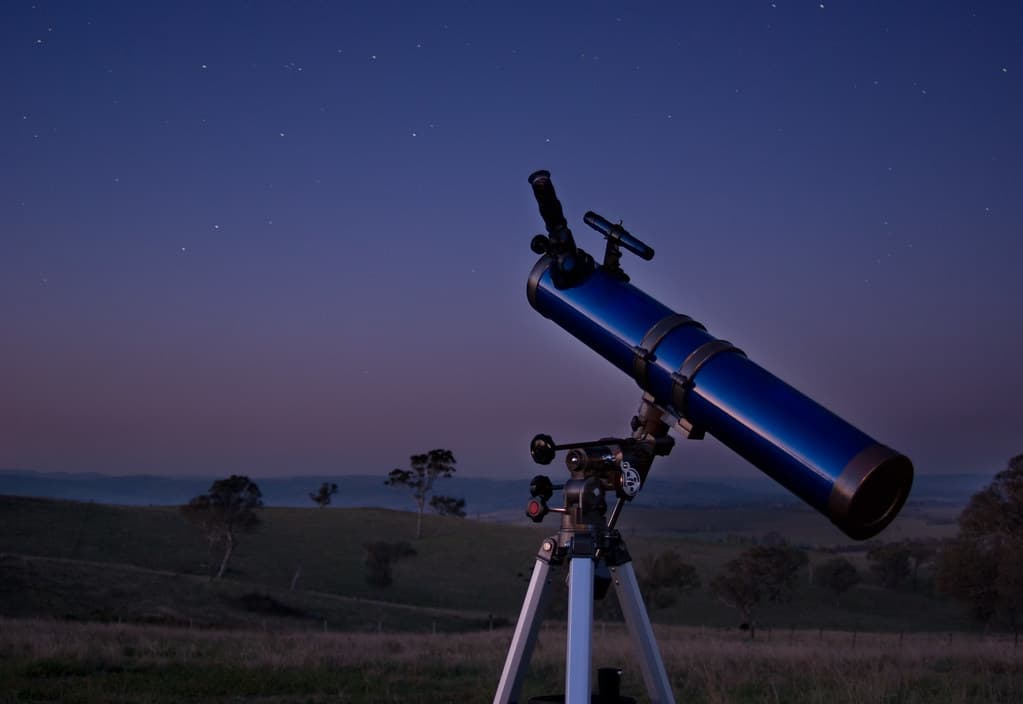
Galileo’s Refractor was the first instrument to directly challenge the geocentric view of the cosmos, providing initial observational evidence for the Copernican model. By magnifying objects 20 times, it revealed Jupiter’s four largest moons—now called the Galilean moons—and detailed lunar craters and Saturn’s rings, fundamentally shifting astronomy. This refractor, first used by Galileo in 1609, marked a pivotal moment in scientific history. More than 400 years later, modern telescopes, such as the Hubble Space Telescope with its 2.4-meter primary mirror, continue to build upon the principles of optical astronomy that Galileo pioneered. The trade-off for early models like Galileo's was the limited field of view and chromatic aberration, which made distant objects appear with colored halos.
Photos (1)
Comments on "Optical Telescope (Galileo's Refractor)"
Have a take on this ranking?
Comments are how the argument actually happens here. Posting one needs a free account — it takes about a minute.
No comments yet.
The first comment sets the terms of the argument.