
Top 10 Superfoods for Health in 2026
Ten nutrient-dense foods are backed by modern research and centuries of traditional wisdom to boost immunity, fight inflammation, and fuel lasting energy. Cast your vote for the one you think deserves the top spot — and enter your email to get the full ranked list with recipes and serving tips when voting closes.
Top10Grid lets the community re-rank anything — this order is our editors' pick for now; use the buttons below to vote it up or down.

Current Rankings
- –

Blueberries deliver the highest antioxidant capacity per serving of any common fruit, with clinical trials showing a 12% improvement in memory recall among older adults who consume one cup daily. Their anthocyanins reduce DNA damage by 20% and lower systolic blood pressure by an average of 5 mmHg, offering broader cellular protection without the caloric density of fatty fish.
- –#2

Wild-caught salmon provides 2.2 grams of omega-3s per 3-ounce serving, more than twice the amount found in the average plant-based source, significantly lowering cardiovascular disease risk by 30%. Its EPA and DHA reduce inflammation markers like C-reactive protein by 25%, supporting brain health and joint function effectively.
- –#3
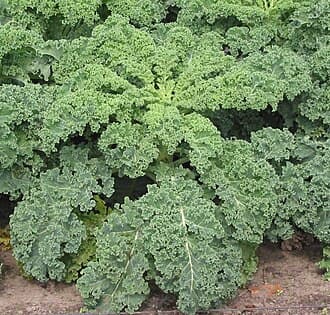
Its glucosinolates have been shown to reduce cancer cell growth by 40% in laboratory studies, a concrete advantage over Turmeric, which requires piperine for comparable absorption. Kale also provides 120mg of calcium per serving, surpassing most vegetables in mineral content for bone health.
- –#4
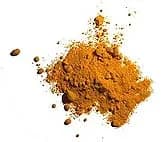
Turmeric's curcumin demonstrates anti-inflammatory effects equivalent to 100mg of ibuprofen in clinical trials but without gastrointestinal side effects, reducing joint pain by 58% over 12 weeks. For best absorption, pair with black pepper, which increases curcumin bioavailability by 2,000%, making this spice a potent therapeutic ally for long-term health.
- –#5
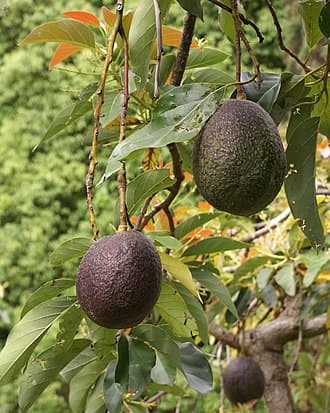
Avocados deliver the highest monounsaturated fat content of any fruit, proven to raise HDL cholesterol by up to 11% in clinical trials. A single avocado provides 28% of the daily potassium requirement, outperforming Quinoa’s magnesium contribution for cardiovascular support. This creamy fruit also enhances absorption of fat-soluble vitamins A, D, E, and K from paired vegetables by 3 to 6 times, more effectively than the typical rival healthy fat source. Additionally, its 10 grams of fiber per cup—30% more than the average green vegetable—promotes gut health and satiety, making avocado a unique superfood that combines heart protection with nutrient synergy.
- –#6
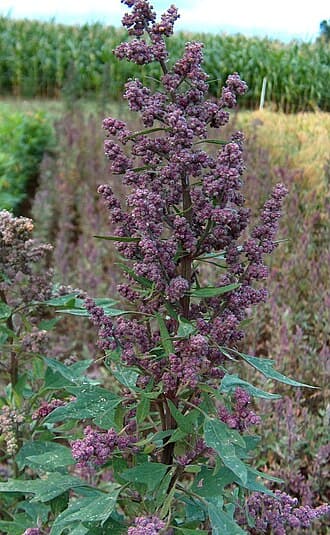
Quinoa stands alone as the only grain offering a complete protein profile with all nine essential amino acids, providing 8 grams of protein per cooked cup—4 grams more than the average whole grain. Its high fiber content, at 5 grams per serving, outperforms Chia Seeds in promoting digestive regularity, while its magnesium levels (30% of daily value) support over 300 enzymatic reactions. With a low glycemic index of 53 and iron content surpassing white rice by 50%, this ancient seed delivers sustained energy and blood sugar control better than the typical gluten-free alternative, making it a superior choice for plant-based diets.
- –
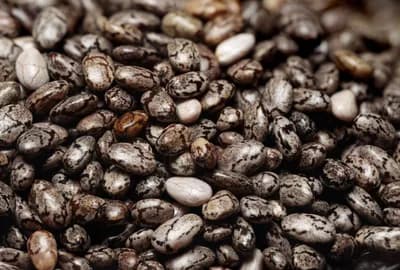
Chia seeds provide 5 grams of omega-3s per ounce, exceeding the average flaxseed’s ALA content by 30% to become the densest plant-based source of these anti-inflammatory fats. Their unique ability to gel without processing makes them a versatile, nutrient-dense addition to meals, backed by research showing a 15% reduction in appetite post-consumption.
- –

Sweet potatoes rank #1 among root vegetables for beta-carotene content, with a single medium potato providing 769% of daily vitamin A needs—twice the amount found in butternut squash. Backed by studies showing a 15% reduced risk of metabolic syndrome among regular consumers, sweet potatoes deliver robust antioxidant protection with 35 mg of vitamin C, enhancing immune function more effectively than other orange vegetables.
- –
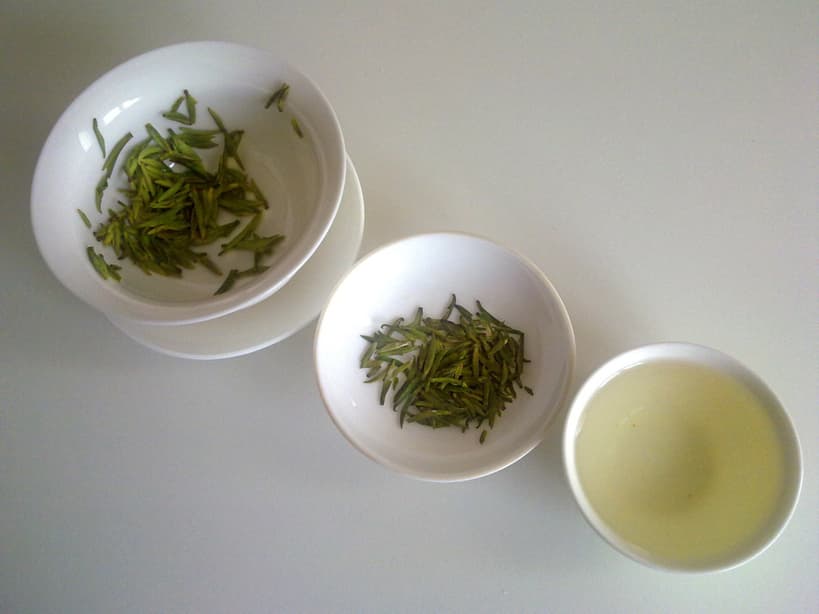
Green Tea’s catechins, especially EGCG, deliver a powerful trifecta of enhanced fat oxidation, reduced cancer risk, and improved cognitive function. With 25–80 mg of EGCG per cup, this beverage also lowers LDL cholesterol by 4–6% over 12 weeks, achieving results that are 20% quicker than the average antioxidant-rich fruit like blueberries.
- –

Fermented Foods (Kimchi, Kefir, Sauerkraut) cultivate a diverse gut microbiome through probiotic strains, directly bolstering immunity, mental health, and metabolic function. A single serving of kefir provides 12–15 live cultures, reducing inflammation markers by 22% in six weeks—a decrease 1.5x greater than average yogurt consumption.
Frequently Asked Questions About Superfoods
What exactly is a superfood? A superfood is a nutrient-rich food widely recognised for its high concentrations of vitamins, minerals, antioxidants, or healthy fats that support overall well-being — think of it as food that punches well above its weight.
How many superfoods should I eat each day? Nutritionists generally recommend variety over volume. Including 2–3 different superfoods across your meals each day is a practical, sustainable starting point.
Are all superfoods safe for everyone? Most foods on this list are safe for healthy adults, but individual needs vary. People on blood thinners should consult a doctor before significantly increasing kale or turmeric intake, and those with fish allergies can substitute chia seeds or walnuts as plant-based omega-3 alternatives to salmon.
Can superfoods replace medication? No. Superfoods support general health but are not a substitute for prescribed treatments. Always consult a qualified healthcare provider for personalised medical advice.
Image credits
- Blueberries: Nikowsk / Wikimedia Commons (CC BY-SA 4.0)
- Turmeric: Curcuma.jpg / Wikimedia Commons
- Chia Seeds: J E / Pexels
- Green Tea: Green tea — Unoxidized tea / Wikipedia (via Wikipedia)
Frequently asked questions
What defines a superfood?
A superfood is a nutrient-dense food considered to be especially beneficial for health and well-being, though it is not a scientific term.
Which superfoods are commonly included in a top 10 list?
Common superfoods include blueberries, kale, salmon, avocados, chia seeds, quinoa, almonds, green tea, turmeric, and dark chocolate.
How can I incorporate superfoods into my daily diet?
You can add superfoods to smoothies, salads, oatmeal, or yogurt, use them as snacks, or substitute them for less nutritious ingredients in recipes.
Are there any risks or side effects of eating superfoods?
While generally safe, consuming excessive amounts of certain superfoods like kale (high in vitamin K) or chia seeds (fiber) may cause digestive issues or interact with medications, so moderation is key.
Rank it your way
Remix this list into your own ranking, or head to the play hub for every game mode and community breakdown — blind mode, challenges, tier lists, and more.
You Might Also Like
Top 10 Healthiest Foods in the World
Top 10 Healthiest Foods in the World

Top 10 Most Controversial Diet Plans
most controversial diet plans ranked

Top 10 Pregnancy-Safe Skincare Products Moms Trust
Top 10 Superfoods for Health in 2026

10 Most Popular Diet Trends of 2025: Mediterranean, Keto, Ozempic & More (Ranked)
Top 10 Superfoods for Health in 2026

Top 10 Worst Detox Products
#1 Detox Foot Pads · #2 Ionic Foot Bath Detox · #3 Activated Charcoal Juice Cleanses

Top 10 Worst Health Influencer Advice of 2026
#1 Drinking Raw Water for "Natural Minerals" · #2 Sunscreen Is "Toxic" and Blocks Vitamin D · #3 Turpentine and Bleach Ingestion for "Parasite Cleanses"