






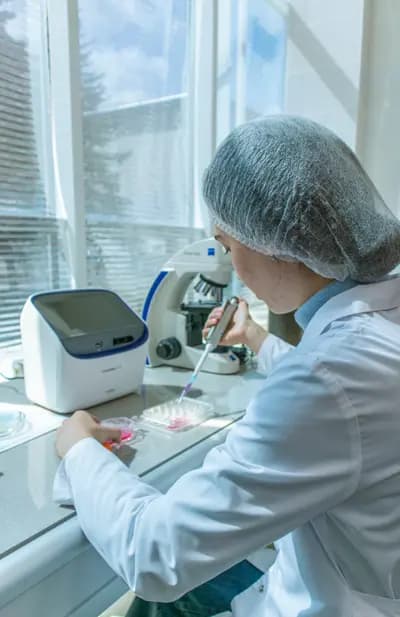
Biotechnology / Wikipedia
10 Biotech Breakthroughs Reaching Patients by 2030 — Ranked by Clinical Impact
Within five years, gene editing could cure sickle cell disease, mRNA vaccines may tackle cancer, and lab-grown organs might end transplant waiting lists. These aren't predictions from sci-fi—they're breakthroughs backed by FDA trials and published in Nature Medicine. We've ranked the top 10 biotech advances by clinical trajectory and disease impact, using data from ClinicalTrials.gov and the Broad Institute. Here are the innovations set to redefine medicine by 2030.
213 views
Top10Grid rankings are decided by votes, not algorithms — use the buttons below to move this list.
Current Rankings
Vote items up or down — rankings update instantly
Get the weekly science rundown
Only lists published since the last email. Join the early readers.
- Only Top 10s published in the last 7 days
- One email a week — and none at all in a week with nothing new
- Unsubscribe in one click
No spam. One email per week. Unsubscribe anytime.
Frequently Asked Questions About Biotech Breakthroughs
What does 'biotech breakthrough' mean in plain English? A biotech breakthrough is when scientists find a new way to use living cells, genes, or proteins to treat or prevent disease—think of it as upgrading the body's own repair kit instead of relying on traditional chemical drugs.
How did we rank these top 10 biotech advances? Each advance was scored on two factors: how far along it is in clinical trials (Phase 1 through FDA approval) and how many patients worldwide it could realistically help by 2030. Higher scores mean more patients helped sooner.
When will these treatments actually reach patients? Some—like CAR-T therapy and GLP-1 drugs (Ozempic)—are already FDA-approved today. Others, such as epigenetic reprogramming and senolytic therapies, are still in early trials and may not reach most patients until 2030 or later.
Frequently Asked Questions About Biotech Breakthroughs by 2030
Which breakthroughs are already available to patients? CAR-T cell therapy is FDA-approved and achieving remission rates above 80% in blood cancers right now. GLP-1 drugs like semaglutide are already widely prescribed, with neurological uses in active trials.
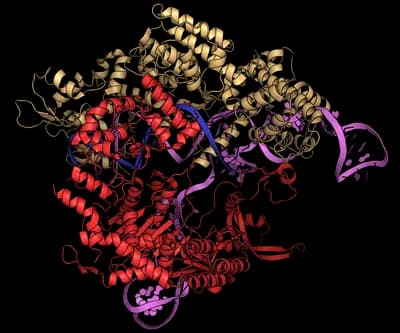
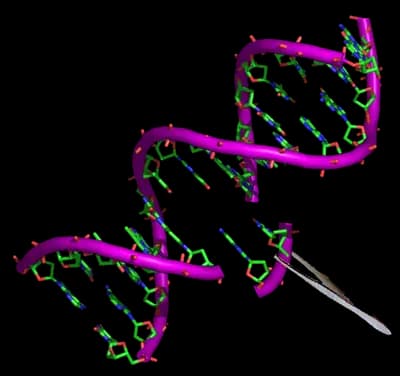
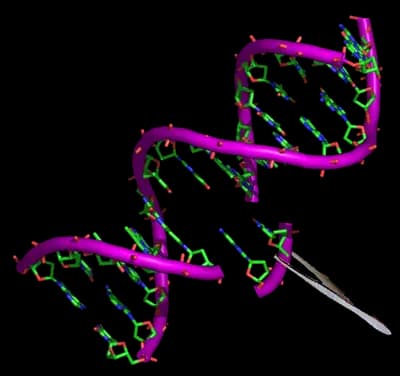
What makes CRISPR base editing different from regular CRISPR? Base editing changes a single DNA letter without cutting the double helix, which reduces the risk of off-target mutations compared to standard CRISPR-Cas9.
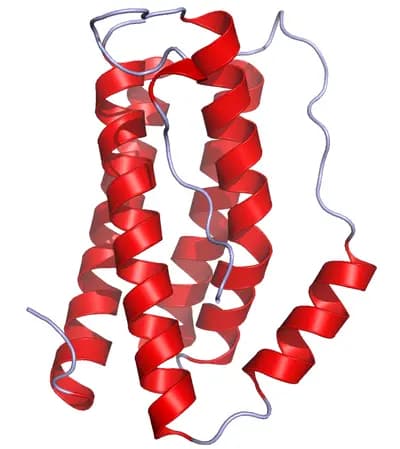
How did AlphaFold change the speed of drug discovery? AlphaFold2 solved the decades-old protein-folding problem in 2020. AlphaFold3 in 2024 extended this to drug-target interactions, letting researchers design new medicines far faster than before.
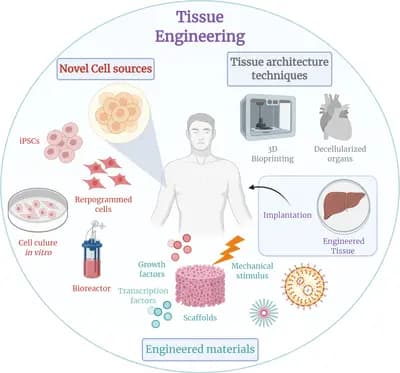
Will lab-grown organs end transplant waiting lists by 2030? Organ-on-a-chip and organoid platforms are currently fixing a core problem—90% of drugs fail in Phase 2 partly because animal models don't predict human outcomes. Full transplantable organs are a longer-term goal.
Frequently Asked Questions About These Biotech Breakthroughs
## What counts as a biotech breakthrough in this list? We included therapies and platforms that have moved past early lab work and into human clinical trials or regulatory review, with results published in peer-reviewed journals or registered on ClinicalTrials.gov.
## Which of these is closest to patients right now? GLP-1 receptor agonists are already widely prescribed, and CAR-T therapies are approved for several blood cancers. CRISPR-based sickle cell treatments and mRNA cancer vaccines are the next wave, with FDA decisions expected in the next few years.
## How were the 10 entries ordered? They are grouped by therapeutic area and stage of clinical progress, not by a single numeric score.
## Don't forget to vote! Scroll back up and pick the breakthrough you think will reach patients first. If you haven't voted yet, be the 1st to vote on this list.
Frequently Asked Questions About Biotech Breakthroughs by 2030
Will gene editing really cure sickle cell disease by 2030? Casgevy, a CRISPR-based therapy, was approved in late 2023 for sickle cell disease, so the first gene-editing cures are already here. Widespread access by 2030 depends on cost and manufacturing scale, not the science.
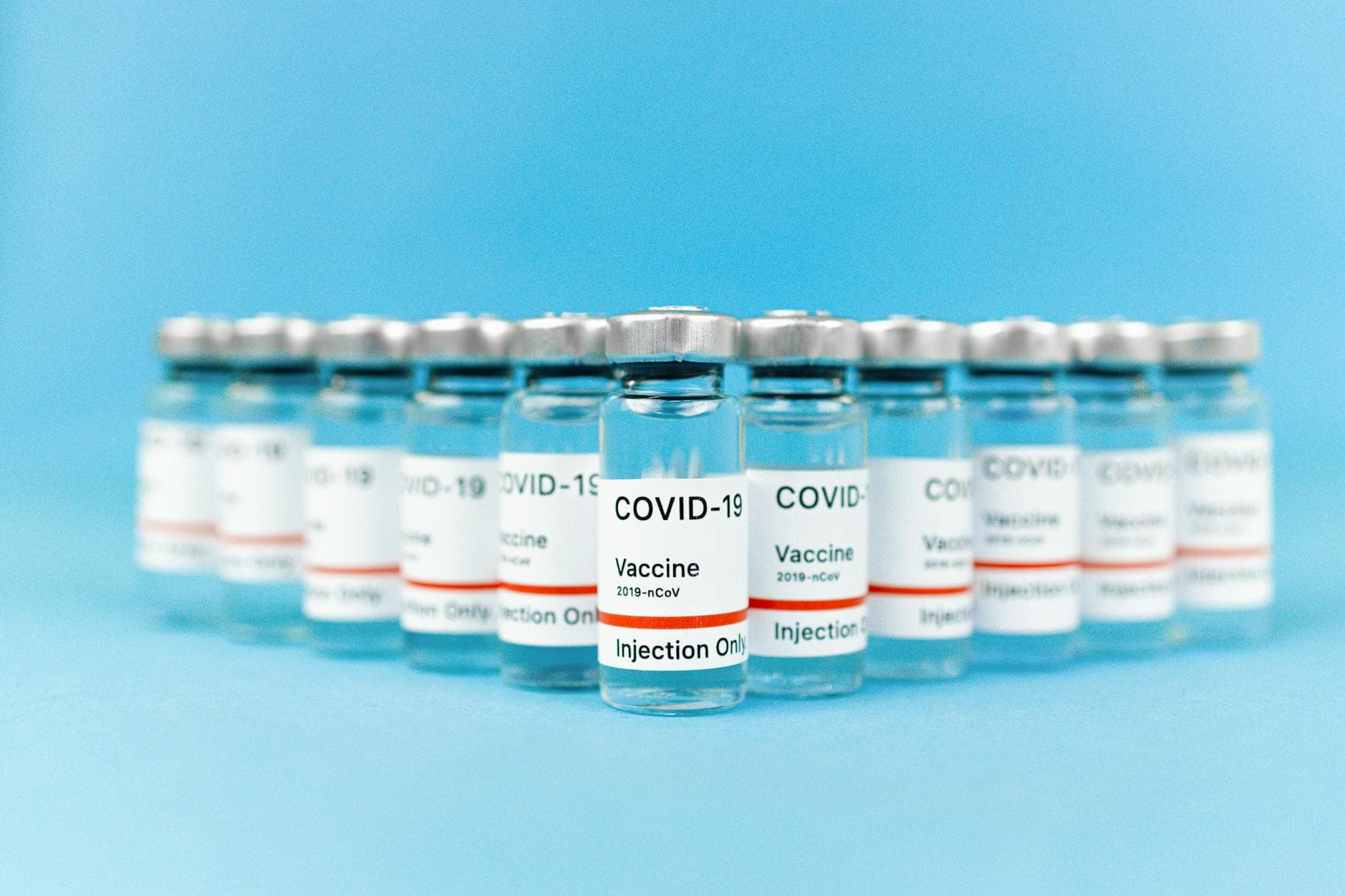
Are mRNA cancer vaccines available now? Personalized mRNA cancer vaccines are in Phase 2/3 trials (notably melanoma). A widely approved product by 2030 is plausible but not guaranteed.
Can lab-grown organs end transplant waiting lists? Lab-grown organoids are in use for drug testing today. Whole transplantable lab-grown organs for humans are not expected by 2030; pig-to-human xenotransplant trials are closer to clinical use.
How was this list ranked? By clinical trajectory (trial phase and recent FDA milestones) and disease impact (estimated patient population). Sources: ClinicalTrials.gov, the Broad Institute, and peer-reviewed reviews.
Readers Also Ranked
More Lists Like This

The 10 Tallest Buildings in the World (2026 Update)
- #1Burj Khalifa
- #2Shanghai Tower
- #3Makkah Royal Clock Tower
Top 10 YouTube Channels to Watch for Science & Education in 2026
- #1Kurzgesagt — In a Nutshell
- #2Veritasium
- #3Mark Rober

Wikipedia Top 25 Most Viewed — Sep 17–Sep 30, 2026
- #1Lizzie Borden
- #2Christa Pike
- #3Resident Evil (2026 film)
Frequently asked questions
What are the key biotech breakthroughs expected to change medicine by 2030?
The top 10 include CRISPR-based gene editing, personalized cancer vaccines, AI-driven drug discovery, lab-grown organs, mRNA therapeutics, and advances in microbiome modulation, each targeting major diseases like cancer, genetic disorders, and neurodegenerative conditions.
How will these breakthroughs improve current medical treatments?
They will offer precise genetic cures, real-time disease monitoring, rapid vaccine development, organ regeneration from a patient's own cells, and highly personalized therapies that reduce side effects and increase efficacy.
Which biotech breakthrough is considered the most transformative for medicine?
CRISPR gene editing is widely regarded as the most transformative because it can permanently correct disease-causing mutations at the DNA level, potentially curing thousands of genetic disorders.
Are these biotech breakthroughs already available or will they be ready by 2030?
Several are in late-stage clinical trials; regulatory approvals for therapies like CRISPR-based treatments and mRNA vaccines are expected before 2030, making them available to patients.
Discussion
Have a take on this ranking?
Comments are how the argument actually happens here. Posting one needs a free account — it takes about a minute.
No comments yet.
The first comment sets the terms of the argument.
Would your top 10 look different?
Publish your own ranking of this topic. Your list gets its own page, and readers vote on it the same way you just voted on this one.
Build your own Top 10You might also want to rank…
 Top 10 Biggest Natural Disasters of 2025
 Top 10 Mind-Blowing Space Discoveries That Rewrote the Universe
 Top 10 Most Significant Scientific Discoveries of 2025
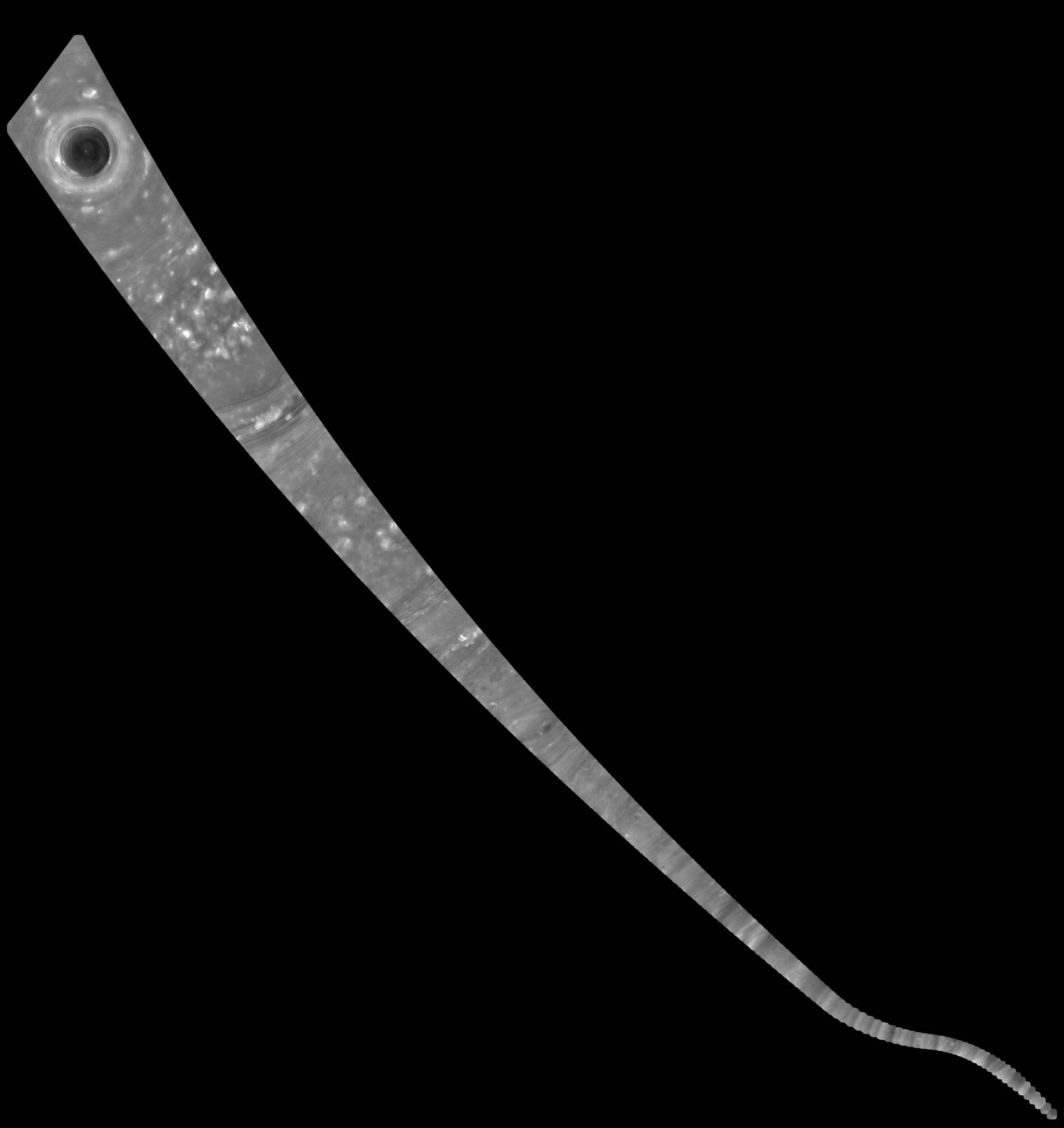 Saturn Up Close: Cassini's Legacy in Its Most Iconic Frames
Explore more Science rankings on Top10Grid
People Also Explore
Because you're viewing Science

Wikipedia Top 25 Most Viewed — Sep 1–Sep 14, 2026
15 views · 0 votes

Wikipedia Top 25 Most Viewed — Aug 1–Aug 14, 2026
48 views · 0 votes

Top 10 Most Controversial Animal Testing Debates
79 views · 0 votes

The Moon Landing in Pictures: Apollo's Most Unforgettable Moments
82 views · 0 votes

Top 10 Most Debated Climate Change Solutions
82 views · 0 votes

Top 10 Worst Pseudoscience Practices
83 views · 0 votes
You might also like

SCIENCESame type
Wikipedia's 25 Most-Viewed Pages of March 2026: Iran War, Khamenei & Breaking World News
25 items

SCIENCESame type
Wikipedia Top 25 Most Viewed — Apr 17–Apr 30, 2026
25 items
SCIENCESame category
Top 10 YouTube Channels to Watch for Science & Education in 2026
10 items

SCIENCESame category
Top 10 Archaeological Discoveries That Support the Bible
10 items

SCIENCESame category
10 Greatest Empires That Collapsed: Lessons from History
10 items

SCIENCESame category
Top 10 Debunked Science Myths People Still Believe
10 items