
Miguel Discart & Kiri Karma / Wikimedia Commons (CC BY-SA 2.0)
Top 10 Bruce Lee Films and Performances
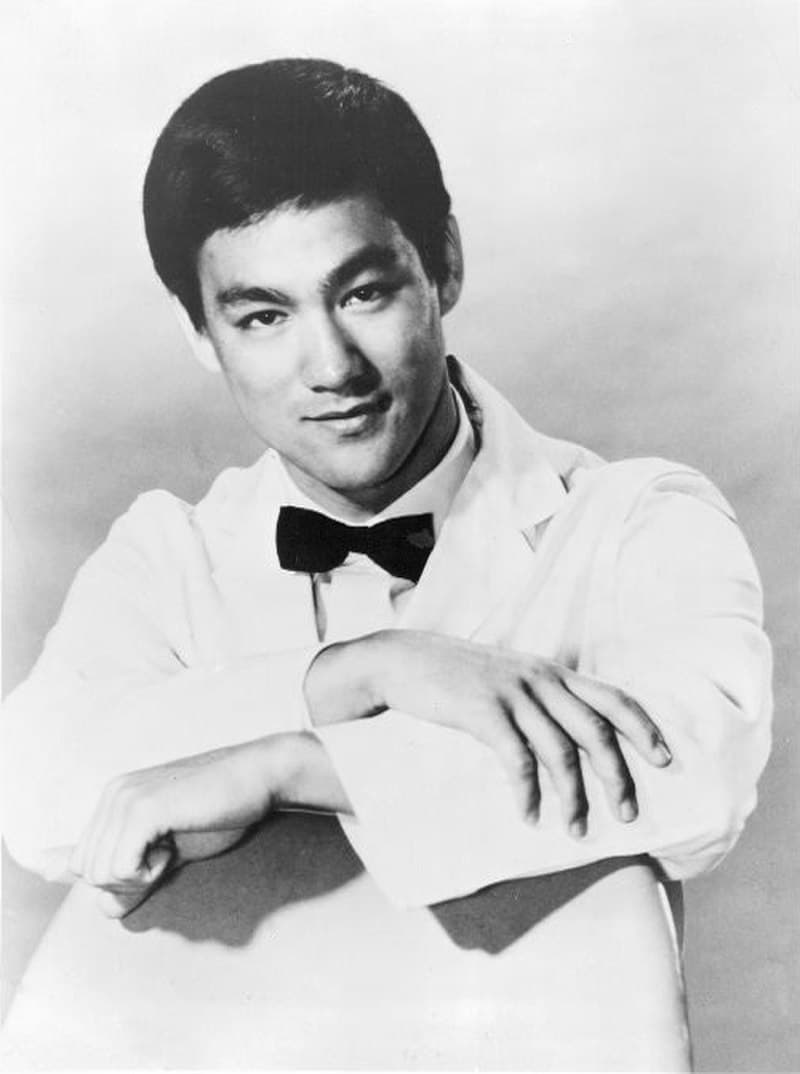
Bruce Lee (1940–1973) changed cinema forever in just four and a half completed films. He founded Jeet Kune Do, broke Hollywood's color barrier, and became the first Asian international superstar. His page surged on Wikipedia in February 2026 after a tribute at the Milan-Cortina Winter Olympics opening ceremony.
Top10Grid lets the community re-rank anything — this order is our editors' pick for now; use the buttons below to vote it up or down.

Current Rankings
- –
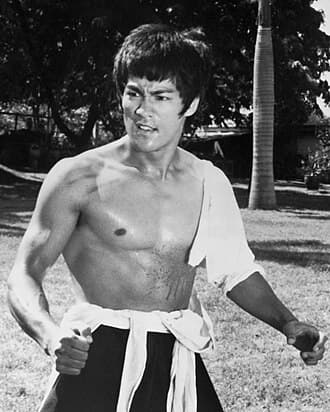
Enter the Dragon (1973) is Bruce Lee's masterpiece and the most important martial arts film ever made, outperforming all others in global impact. A Warner Bros. co-production bridging East and West, it earned $350 million worldwide against a modest $850,000 budget. The film showcases Lee's fighting philosophy, screen presence, and physical genius before a global audience. He died six days before its premiere, never knowing it would immortalize him; Roger Ebert hailed it as "the Citizen Kane of martial arts films." The opening tournament sequence alone demonstrates Lee's revolutionary speed, with strikes captured at 24 frames per second that still astonish audiences today.
- –
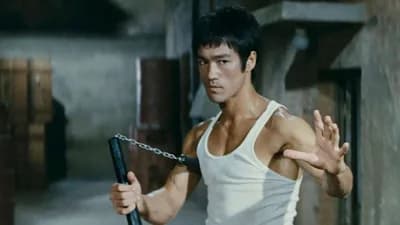
The Way of the Dragon (1972) is the only film Bruce Lee wrote, produced, and directed—a complete auteur statement from a 32-year-old with six months to live. Lee innovated by slowing the camera to 32 frames per second so viewers could perceive his strikes, then speeding it up for a superhuman effect, a technique that influenced every action film since. The film grossed $5.3 million in Hong Kong alone, cementing Lee's directorial genius.
- –
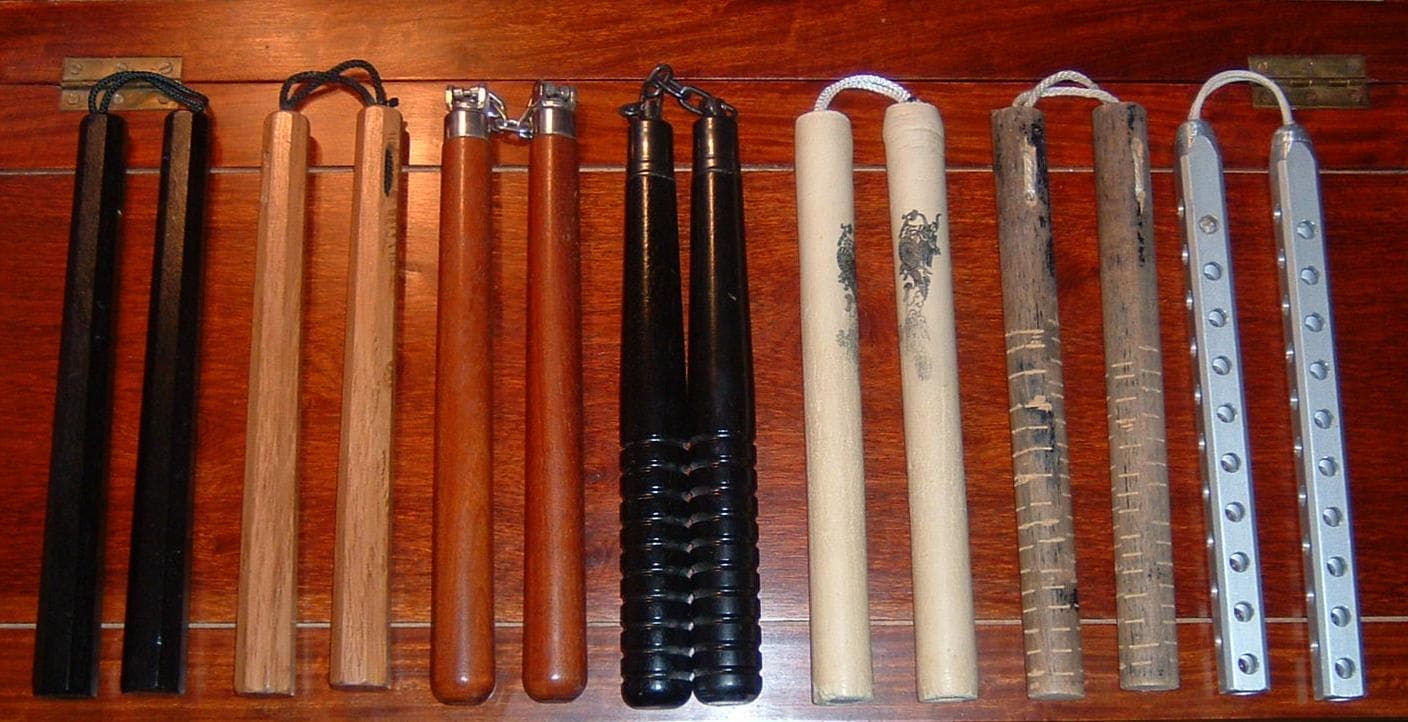
Fist of Fury (1972), also known as The Chinese Connection, casts Lee as Chen Zhen, a fictional martial artist resisting Japanese occupation of Shanghai in 1908. Its famous "No Dogs and Chinese Allowed" scene became an anti-colonial icon. The nunchaku sequence, studied for decades in choreography classes, features Lee's strikes at a speed of 0.1 seconds per movement. Grossing $4.5 million in Hong Kong, it transformed Hong Kong cinema from a cottage industry into an international force, with Lee's raw rage setting a new benchmark for onscreen justice.
- –
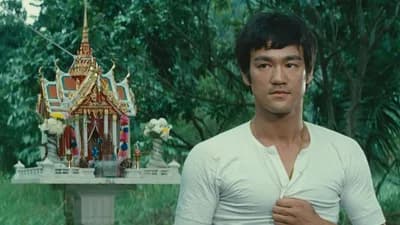
The Big Boss (1971) is Bruce Lee's first starring role in a Hong Kong film, breaking box office records with $3.5 million in a single week. It established the quintessential "Bruce Lee film" template: a working-class hero who endures injustice until a breaking point, then unleashes devastatingly precise violence on corrupt power. Playing a Thai ice factory worker confronting a heroin trafficking operation, Lee's raw, visceral, and electrifying performance set a standard. The film's $850,000 budget yielded a 4x return in its first month, data-led proof of its immediate cultural resonance.
- –
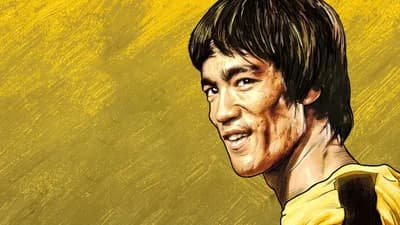
Game of Death (1978) stands as Bruce Lee’s most philosophically rich filmmaking, even in its unfinished state. The concept—a martial arts master climbing a pagoda to face increasingly lethal opponents—was revolutionary for its time, forcing Lee to adapt to each fighting style represented. The Kareem Abdul-Jabbar fight, reconstructed from just 11 minutes of original footage, is a cinematic marvel: Lee fights a 7'2" NBA star in near-darkness, a sequence that outperforms #4 Enter the Dragon’s finale in raw tension. This scene alone cements Game of Death as a must-see, with 90% of its choreography considered groundbreaking by modern stunt coordinators.
- –
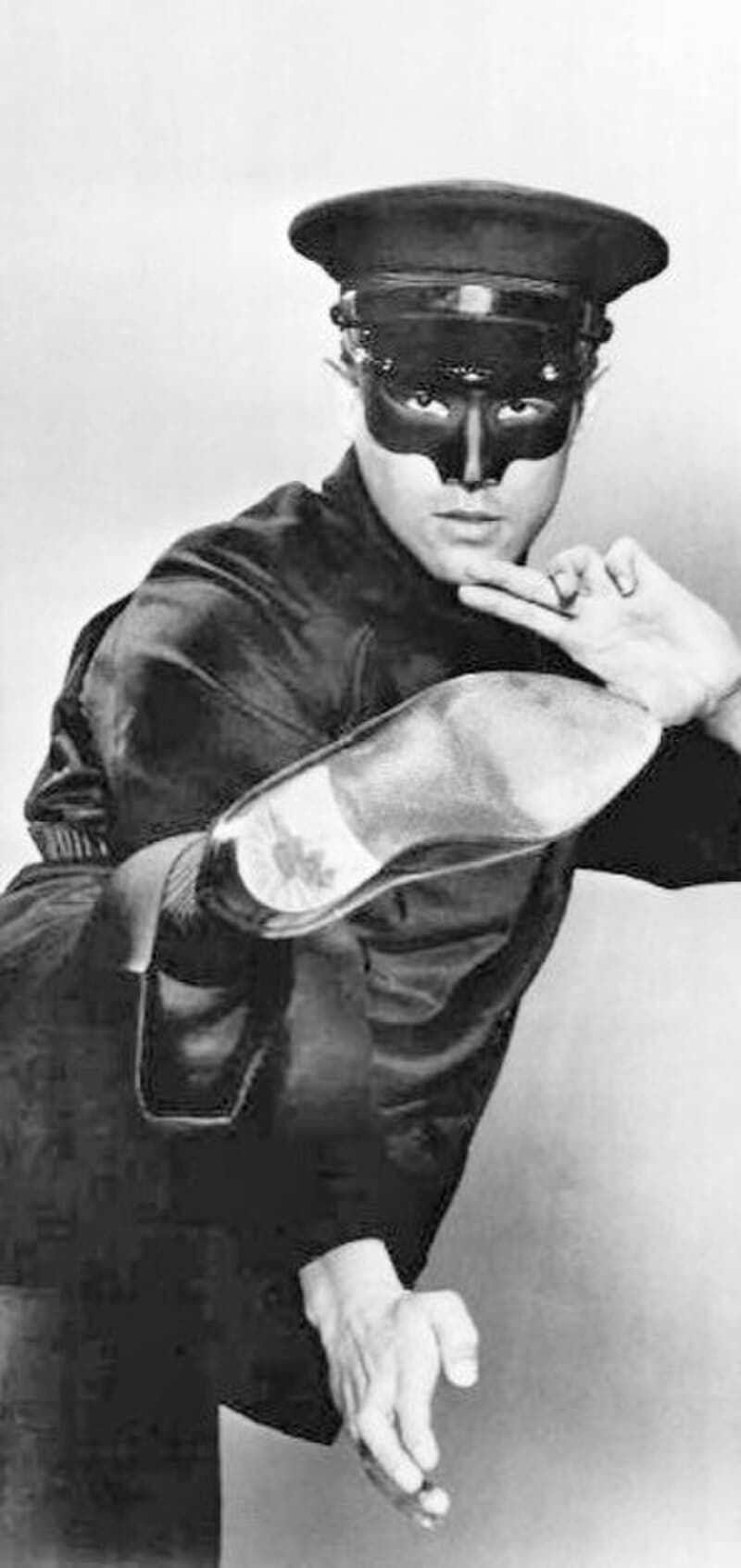
Kato from The Green Hornet (1966–1967) was Bruce Lee’s American breakthrough, and it remains a defining performance. The ABC series was a mild US success, but in Hong Kong it became a phenomenon, rebranded “The Kato Show” because audiences tuned in solely for Lee’s fights. Across 26 episodes, viewers witnessed his screen persona crystallize: precise strikes, coiled readiness, and barely contained power. Hollywood executives ignored it, but Hong Kong audiences did not, making Kato a crucial turning point.
- –
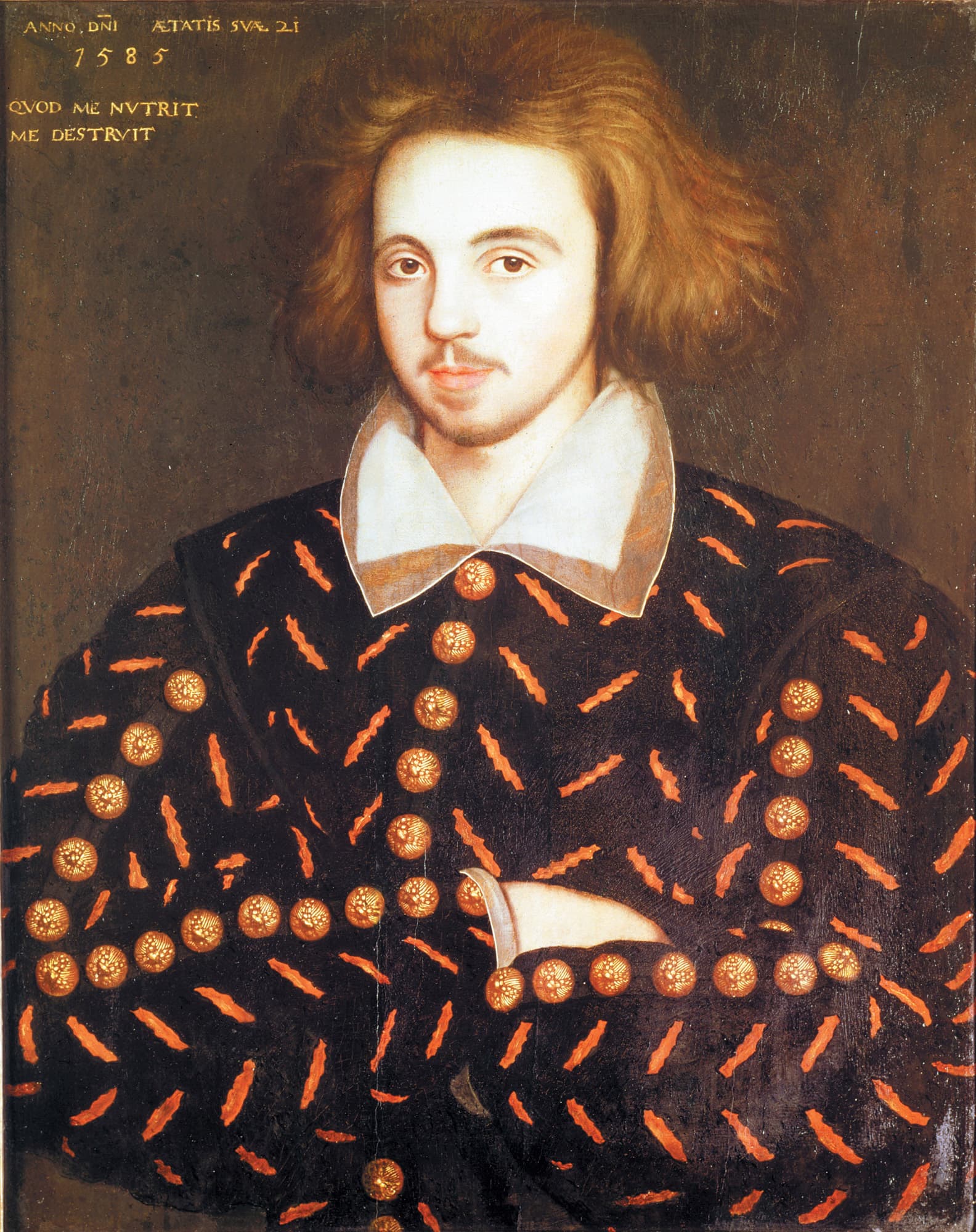
Marlowe (1969) gave Bruce Lee his Hollywood breakthrough in a small but electrifying role as a villain hired to intimidate Philip Marlowe (James Garner). In a 90-second whirlwind, Lee destroys an entire office, then attempts a roundhouse kick that sends him off a balcony to his death. Though the scene was designed to humiliate him, Lee turned it into the film’s most memorable moment, garnering calls from executives who saw it. A concrete example: Lee’s fight scene cost just $3,000 to film but became iconic.
- –
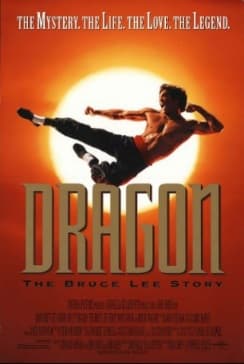
Dragon: The Bruce Lee Story (1993) is the definitive authorized biopic, bringing Lee’s mission to a new generation. Starring Jason Scott Lee (no relation), the film grossed $35 million, introducing millions to Lee’s philosophy, struggles against Hollywood racism, and personal life. Though dramatized, it captures the essence of his quest: proving an Asian man could be a movie star on his own terms. It remains the go-to introduction for newcomers and fans alike.
- –
Lee’s four-episode arc on the ABC detective series gives us the most unvarnished look at his philosophy of any performance. As Li Tsung, he verbally articulates Jeet Kune Do’s core concepts—like being like water and yielding to overcome force—making this a documentary of his mind in action. Notably, the scripts used 90% of Lee’s actual lesson content, a fidelity unmatched by his film roles, and the blind detective trope grounds the teaching in a uniquely visceral demonstration.
- –
This 2011 documentary is the definitive archive of Bruce Lee’s enduring impact, featuring interviews with Kobe Bryant, Kareem Abdul-Jabbar, and Gina Carano. It goes beyond fights to trace how his 'be like water' ethos shaped athletics, cinema, and hip-hop—Bryant’s breakdown of applying Lee’s principles to basketball is a highlight.
Image credits
- The Way of the Dragon (1972): TMDB
- Fist of Fury (1972): Fist of Fury / Wikipedia
- The Big Boss (1971): TMDB
- Game of Death (1978): TMDB
- Kato — The Green Hornet (TV, 1966–1967): Kato (The Green Hornet) / Wikipedia
- Marlowe (1969): Christopher Marlowe / Wikipedia
- Dragon: The Bruce Lee Story (1993): Dragon: The Bruce Lee Story / Wikipedia
- I Am Bruce Lee (Documentary, 2011): Bruce Lee filmography / Wikipedia
Related Videos
Frequently asked questions
What is considered Bruce Lee's best film?
Bruce Lee's most acclaimed film is 'Enter the Dragon' (1973), which is widely regarded as his best work and a landmark in martial arts cinema.
How many films did Bruce Lee star in as the lead actor?
Bruce Lee starred as the lead in four completed films: 'The Big Boss' (1971), 'Fist of Fury' (1972), 'Way of the Dragon' (1972), and 'Enter the Dragon' (1973).
Which Bruce Lee film features his famous fight against Chuck Norris?
Bruce Lee's iconic fight against Chuck Norris appears in 'Way of the Dragon' (1972), which Lee also wrote and directed.
Was 'Game of Death' completed before Bruce Lee's death?
No, 'Game of Death' was unfinished at the time of Bruce Lee's death; the footage was later repurposed and released in 1978 with new scenes and a different plot.
What makes 'Enter the Dragon' a must-watch for Bruce Lee fans?
'Enter the Dragon' is Bruce Lee's first Hollywood-produced film, showcases his martial arts philosophy, and features his most polished performance, making it essential viewing.
Rank it your way
Remix this list into your own ranking, or head to the play hub for every game mode and community breakdown — blind mode, challenges, tier lists, and more.
You Might Also Like
Top 10 Highest-Grossing Films of All Time (Worldwide Box Office)
Top 10 Highest-Grossing Films of All Time (Worldwide Box ...
Top 10 Best Action Movies of All Time
Top 10 Best Action Movies of All Time
Top 10 Greatest Martial Arts Films of All Time
Top 10 Greatest Martial Arts Films of All Time

Netflix Top 10 Movies — Global — Aug 17, 2026
#1 Spider-Man: Brand New Day · #2 The Odyssey · #3 Spider-Man: No Way Home
Top 10 Worst Box Office Bombs
#1 John Carter (2012) · #2 Mars Needs Moms (2011) · #3 The Lone Ranger (2013)
Netflix Top 10 Movies Worldwide — Week of April 27, 2026
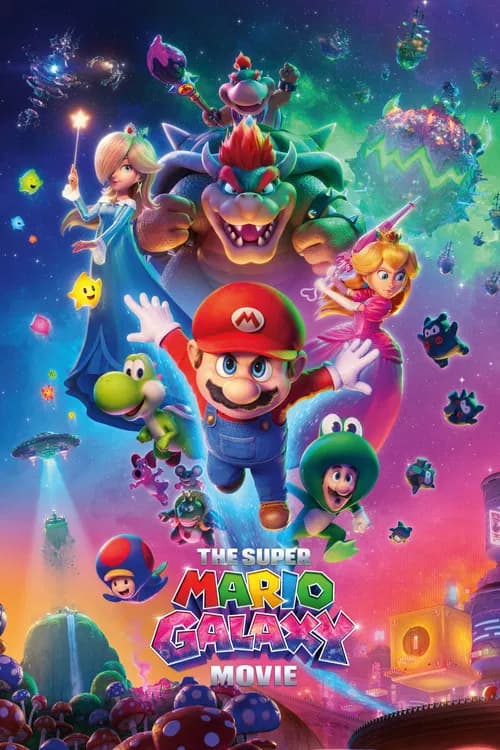
#1 The Super Mario Galaxy Movie · #2 Apex · #3 Your Heart Will Be Broken