Han Dynasty (206 BCE–220 CE)
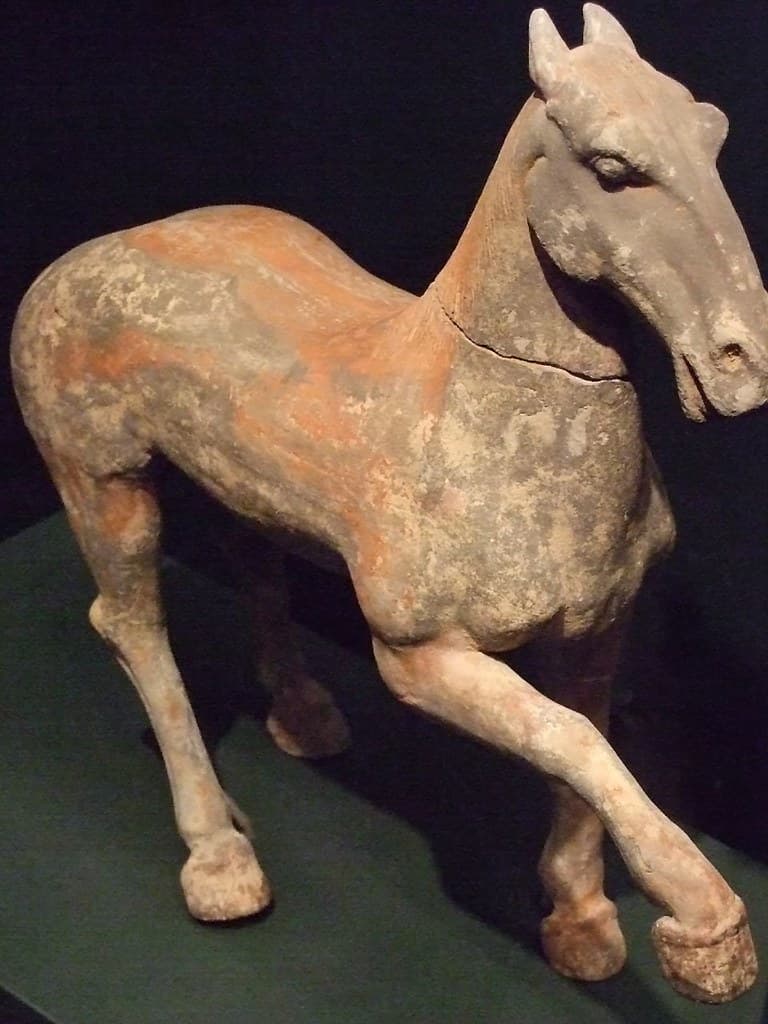
The Han Dynasty (206 BCE–220 CE), enduring for over 400 years, laid the foundational pillars of Chinese civilization. It is the namesake for the Han ethnic group, which constitutes the majority of China's population today, and solidified Confucianism as the state's official ideology. The Han Empire expanded significantly, stretching from Korea to Vietnam and encompassing approximately 6 million square kilometers. This expansion was more than double the territory of the preceding Qin Dynasty. A pivotal development was the opening of the Silk Road around 130 BCE, establishing vital trade routes that saw substantial quantities of silk transported to distant regions, including Rome. Furthermore, the invention of paper in 105 CE revolutionized record-keeping, offering a more efficient and cost-effective alternative to the previously used bamboo strips. The Han Dynasty's enduring legacy is one of unity and a strong sense of national identity.
Photos (1)
Comments on "Han Dynasty (206 BCE–220 CE)"
Have a take on this ranking?
Comments are how the argument actually happens here. Posting one needs a free account — it takes about a minute.
No comments yet.
The first comment sets the terms of the argument.