Tang Dynasty (618–907 CE)
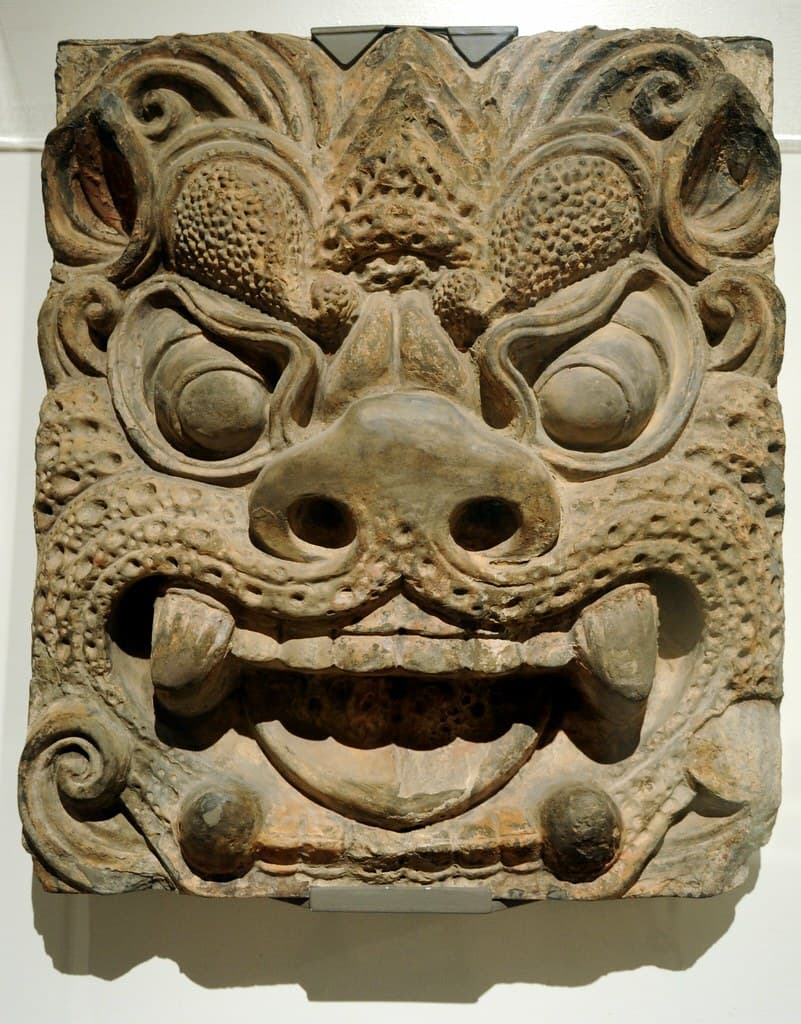
The Tang Dynasty (618–907 CE) is widely considered a golden age in Chinese history, a period of remarkable cosmopolitanism and cultural flourishing. Its capital, Chang'an, became the world's largest city, estimated to have over one million residents within its walls and another million in the immediate suburbs. This vibrant metropolis served as a vital hub on the Silk Road, fostering international trade that integrated cultures from Persia, India, and Korea. During this time, Buddhist art experienced a resurgence, exemplified by the majestic cave temples at Dunhuang. The dynasty's influence extended across approximately 1.3 million square miles. This era also saw significant innovations in printing and porcelain, leaving a legacy of sophistication that profoundly shaped Chinese history. The dynasty lasted 289 years.
Photos (1)
Comments on "Tang Dynasty (618–907 CE)"
Have a take on this ranking?
Comments are how the argument actually happens here. Posting one needs a free account — it takes about a minute.
No comments yet.
The first comment sets the terms of the argument.