






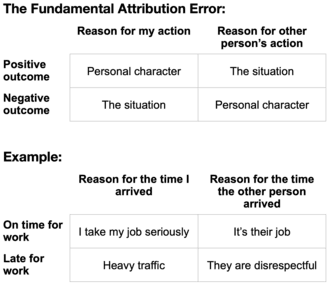


Wikimedia Commons (CC BY 2.0)
University
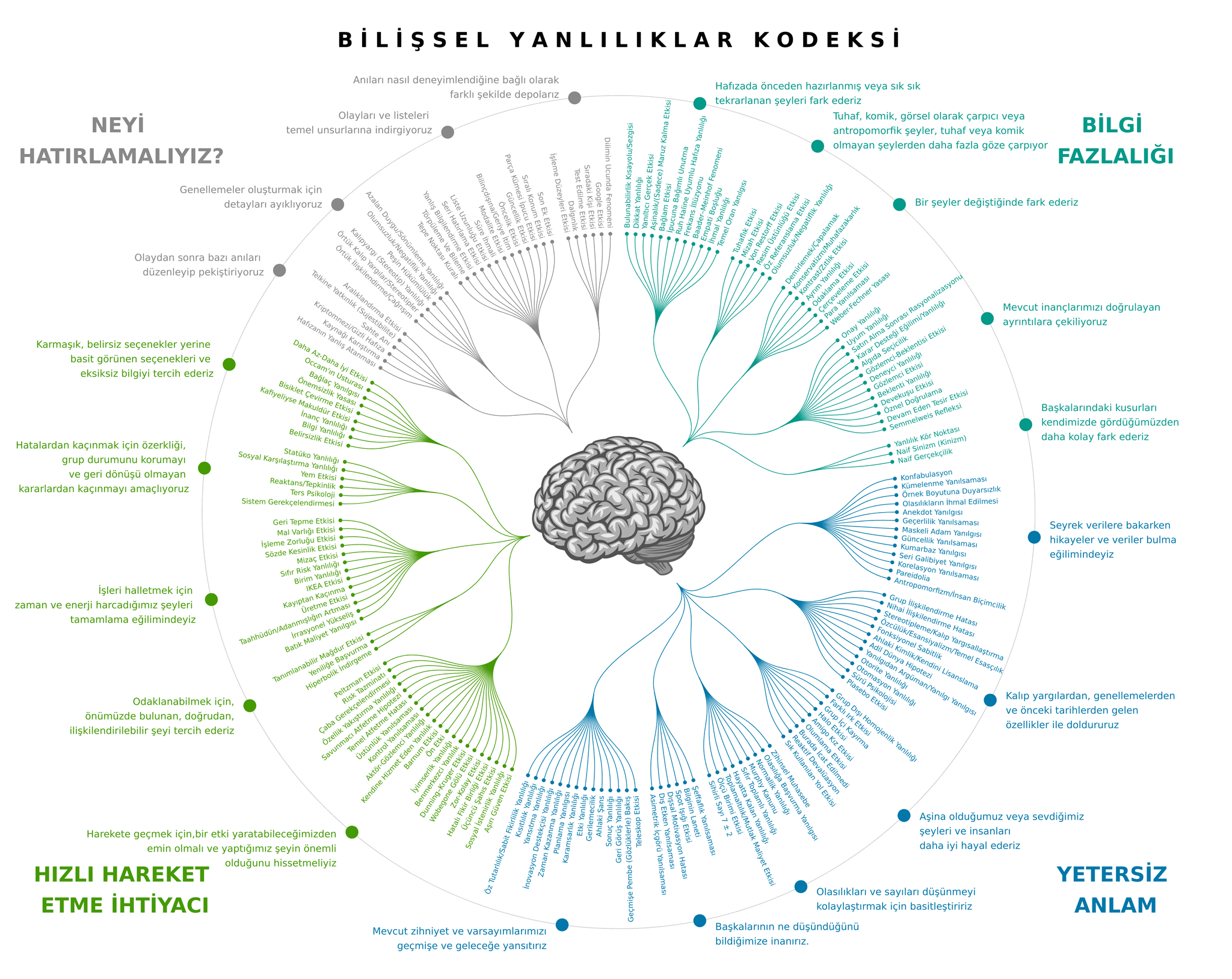
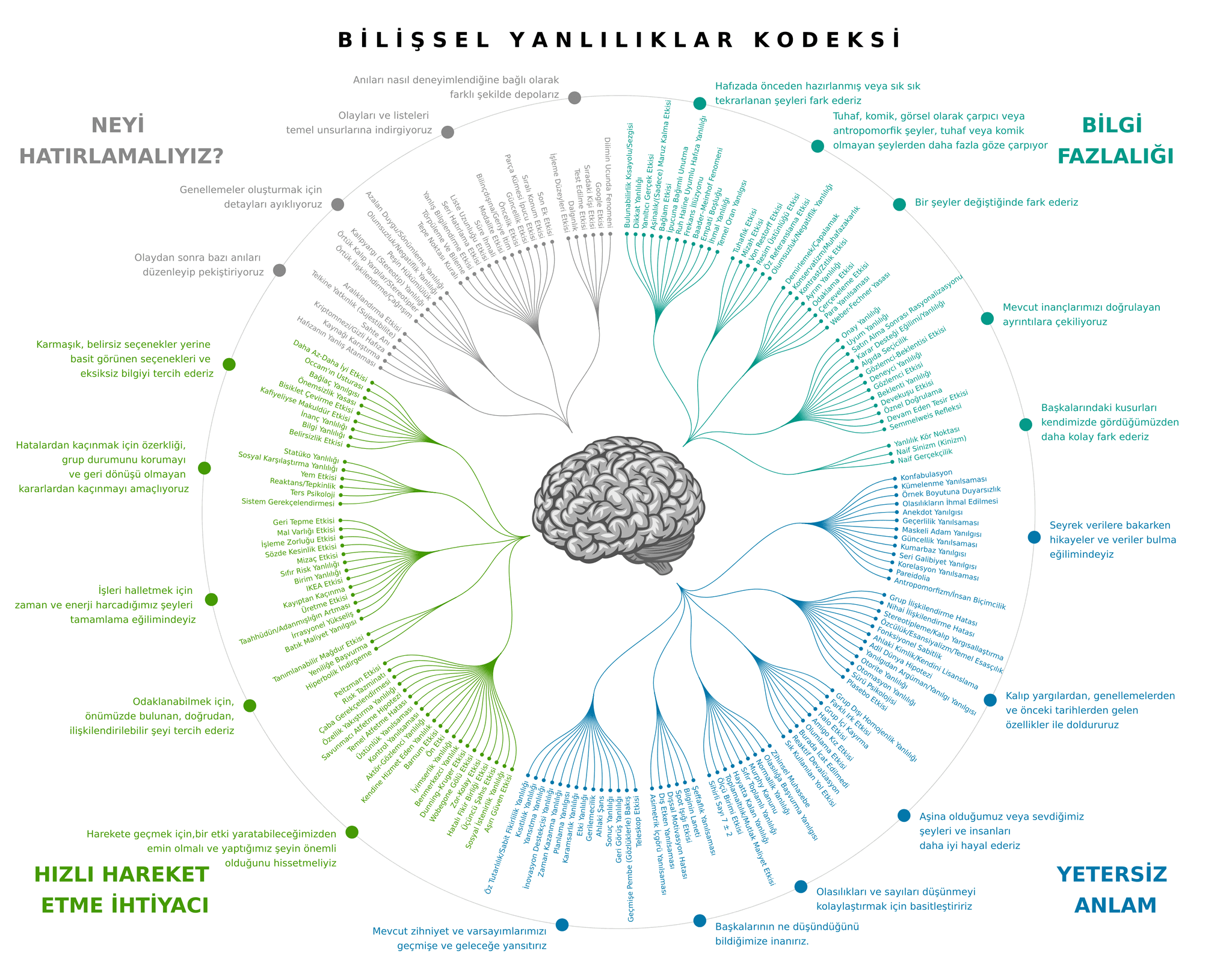
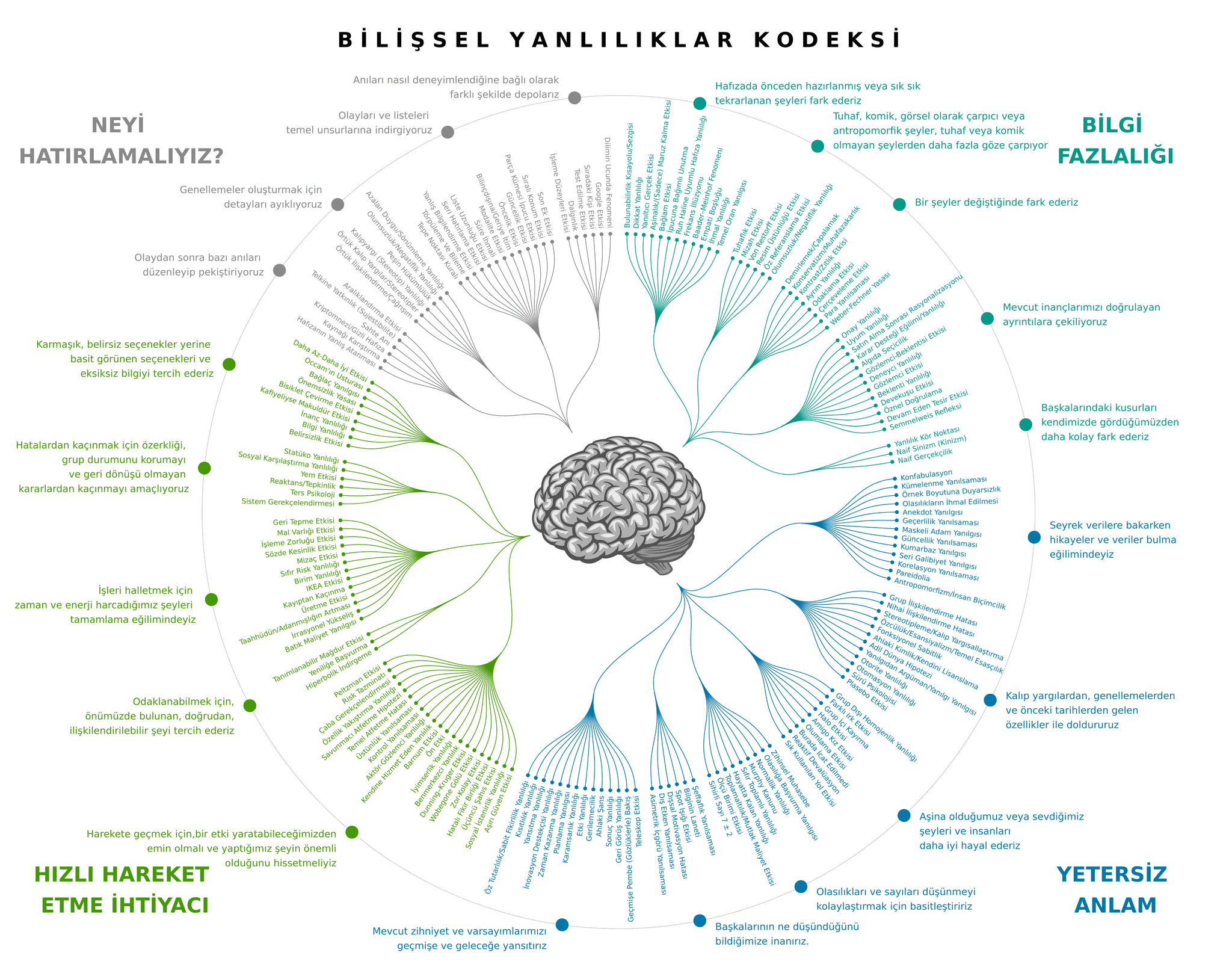
Top 10 Cognitive Biases That Shape Your Decisions: the Hidden Flaws in Your Thinking
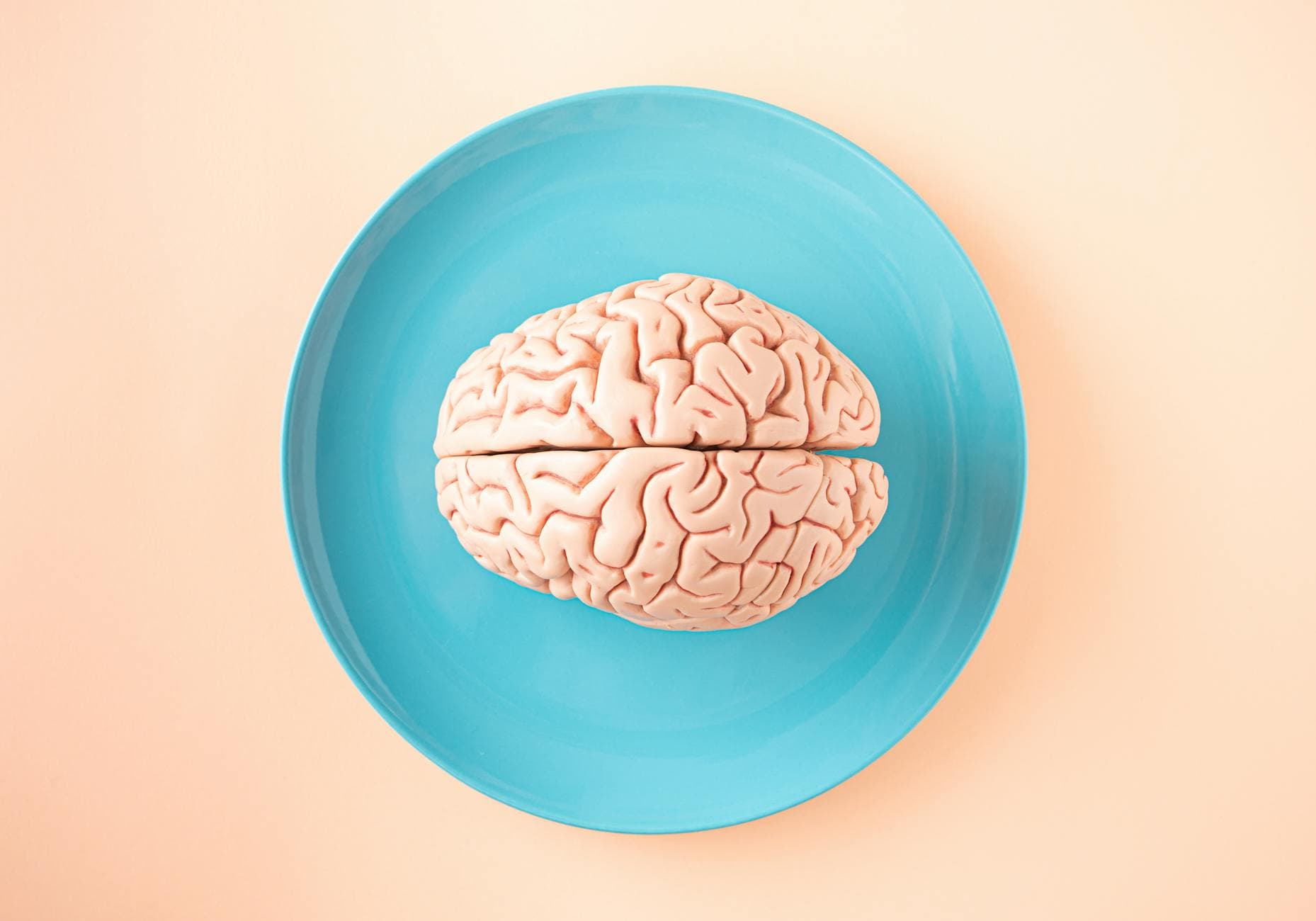
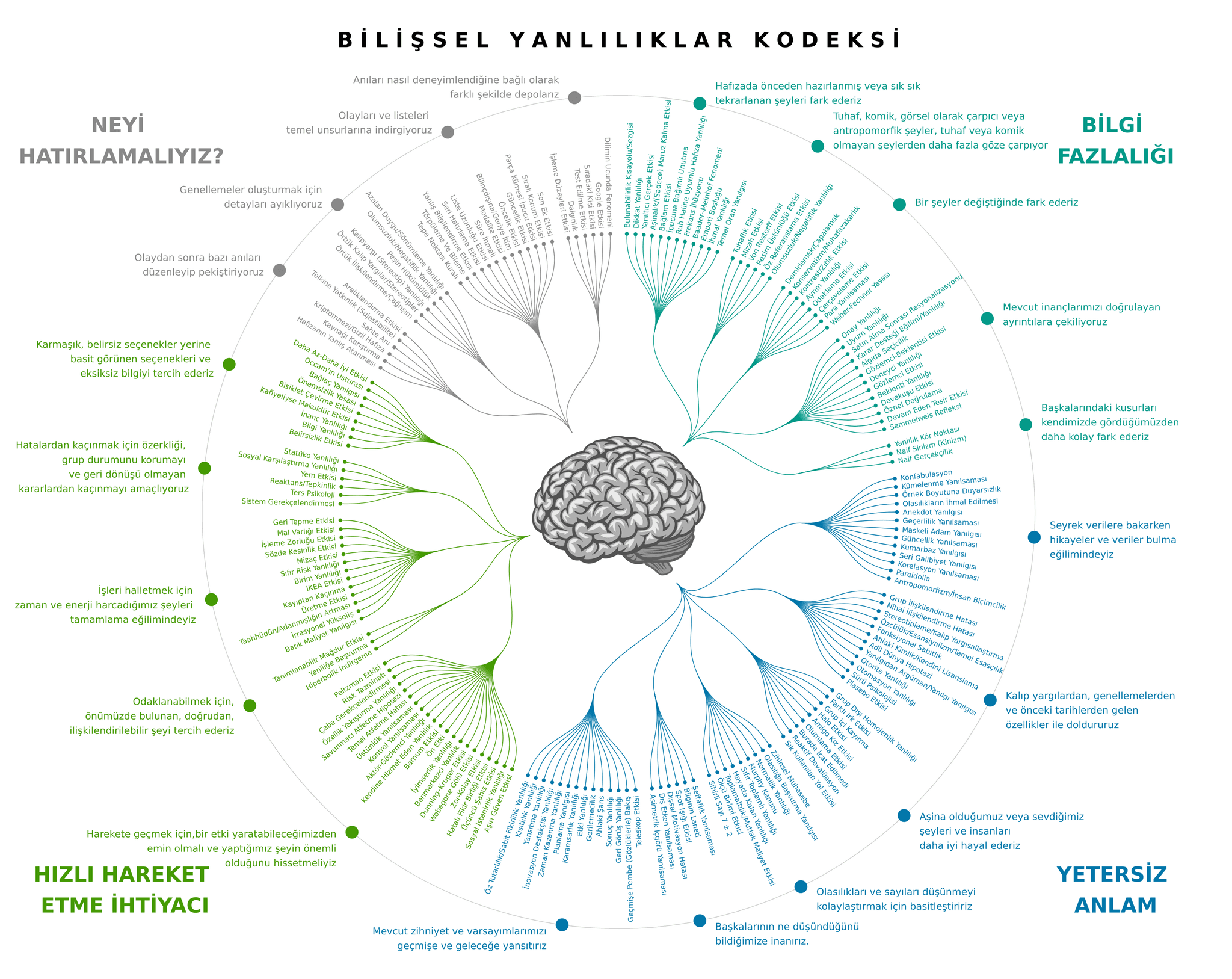
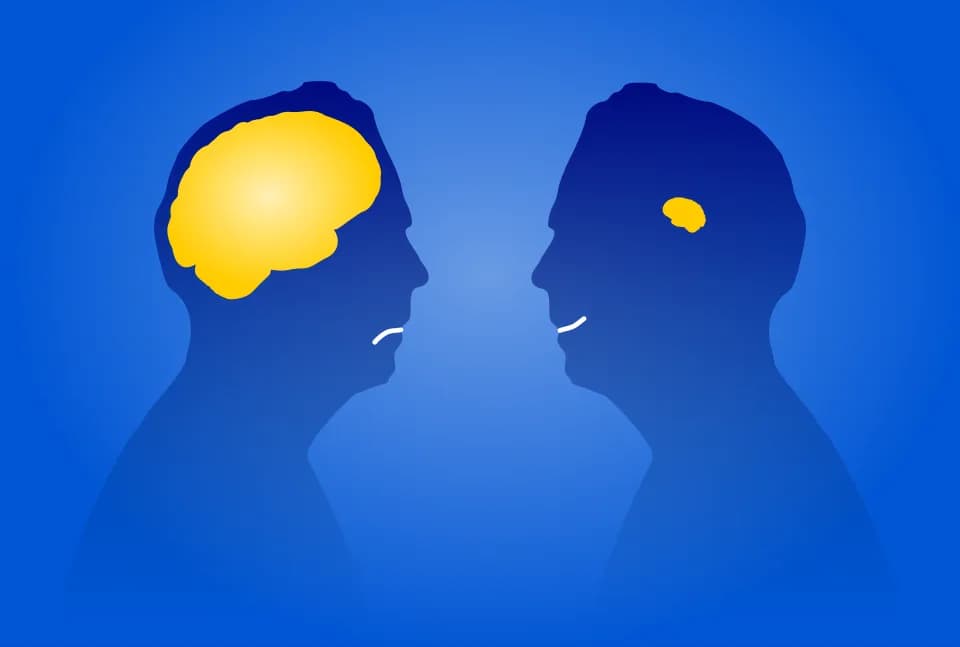
Your brain is not a rational calculator — it's a pattern-matching machine running shortcuts evolved for a world that no longer exists. These ten cognitive biases are the hidden code running in the background every time you make a decision, form an opinion, or assess a risk. Understanding them won't make you immune, but it's the first step to thinking more clearly.
2026162 views
Top10Grid rankings are decided by votes, not algorithms — use the buttons below to move this list.
Topic
Top 10 lists on this topic
Current Rankings
Vote items up or down — rankings update instantly
Get the weekly education rundown
Only lists published since the last email. Join the early readers.
- Only Top 10s published in the last 7 days
- One email a week — and none at all in a week with nothing new
- Unsubscribe in one click
No spam. One email per week. Unsubscribe anytime.
Readers Also Ranked
More Lists Like This

Top 10 Most Controversial School Curriculum Topics 2026
- #1Critical Race Theory in K-12 Education
- #2Gender Identity and Sex Education
- #3Evolution vs Creationism

The 10 Largest Countries in the World by Land Area
- #1Russia
- #2Canada
- #3United States

Top 10 Chinese Historical Dynasties
- #1Tang Dynasty (618–907 CE)
- #2Han Dynasty (206 BCE–220 CE)
- #3Qin Dynasty (221–206 BCE)

Top 10 Mexican Historical Figures
- #1Benito Juárez
- #2Emiliano Zapata
- #3Frida Kahlo
Frequently asked questions
What are cognitive biases?
Cognitive biases are systematic patterns in thinking that deviate from rational judgment, often leading to perceptual distortion or illogical conclusions.
How do cognitive biases affect everyday decisions?
Cognitive biases can influence your choices by filtering information through subjective lenses, causing you to overestimate certain risks, favor familiar options, or ignore contradictory evidence.
Can cognitive biases be completely eliminated?
No, cognitive biases are ingrained in human cognition, but you can reduce their impact by practicing mindfulness, seeking diverse perspectives, and using structured decision-making frameworks.
What is the most common cognitive bias?
Confirmation bias—the tendency to search for, interpret, and remember information that confirms your preexisting beliefs—is widely considered one of the most pervasive cognitive biases.
How can I identify which cognitive bias is affecting my decision?
Reflect on whether you are ignoring contrary evidence, relying too heavily on the first piece of information (anchoring), or being influenced by strong emotions; then compare your thought pattern to known bias descriptions.
Discussion
Have a take on this ranking?
Comments are how the argument actually happens here. Posting one needs a free account — it takes about a minute.
No comments yet.
The first comment sets the terms of the argument.
Would your top 10 look different?
Publish your own ranking of this topic. Your list gets its own page, and readers vote on it the same way you just voted on this one.
Build your own Top 10More Universities Rankings
6
Top 10 Best Universities in the World
145 views · @admin

Top 10 Space Missions That Rewrote History
148 views · @admin

Top 10 Greatest Architects of All Time
150 views · @admin

Top 10 Most Iconic Paintings of All Time
152 views · @admin

Top 10 Most Decisive Battles in History
153 views · @admin

Top 10 Most Influential Photographers of All Time
153 views · @admin
You might also want to rank…
 Top 10 Relationship Books That Couples Therapists Actually Assign
 Top 10 Scientific Discoveries That Changed Everything
 Top 10 Miracles in the Bible That Inspire Faith
Explore more Education rankings on Top10Grid
People Also Explore
Because you're viewing Education

Top 10 Best Sci-Fi Books of All Time
155 views · 0 votes

Top 10 Greatest Empires in History
155 views · 0 votes
Top 10 Language Learning Apps Ranked by People Who Actually Became Fluent
155 views · 0 votes

Top 10 Most Iconic Book Series of All Time
155 views · 0 votes

Top 10 Best Kindergartens & Preschools in Hong Kong 2026
156 views · 0 votes
Top 10 Most Influential Non-Fiction Books in History
162 views · 0 votes
You might also like
EDUCATIONSame type
Top 10 Scientific Discoveries That Changed Everything
10 items
EDUCATIONSame type
Top 10 Space Missions That Rewrote History
10 items

EDUCATIONSame type
Top 10 Most Decisive Battles in History
10 items

EDUCATIONSame type
Top 10 Most Influential Ancient Civilisations
10 items

EDUCATIONSame type
Top 10 Battles That Changed World History
10 items

EDUCATIONSame type
Top 10 Most Iconic Paintings in History
10 items