

Wikimedia Commons
Recipe
Top 10 Cooking Techniques That Separate Home Cooks From Chefs
Anyone can follow a recipe, but the real gap between a home cook and a chef comes down to a handful of techniques you can start practising today. From nailing the perfect sear to building silky sauces from scratch, these 10 skills will transform your cooking at zero cost. Scroll through the list, then tap the big blue 'Vote' button to rank the technique you think matters most — and drop your email at the bottom of the page for our free weekly cooking tips. Be the first to vote!
2026134 views
Top10Grid rankings are decided by votes, not algorithms — use the buttons below to move this list.
Current Rankings
Vote items up or down — rankings update instantly
Get the weekly food & drink rundown
Only lists published since the last email. Join the early readers.
- Only Top 10s published in the last 7 days
- One email a week — and none at all in a week with nothing new
- Unsubscribe in one click
No spam. One email per week. Unsubscribe anytime.
Frequently Asked Questions About Chef Cooking Techniques
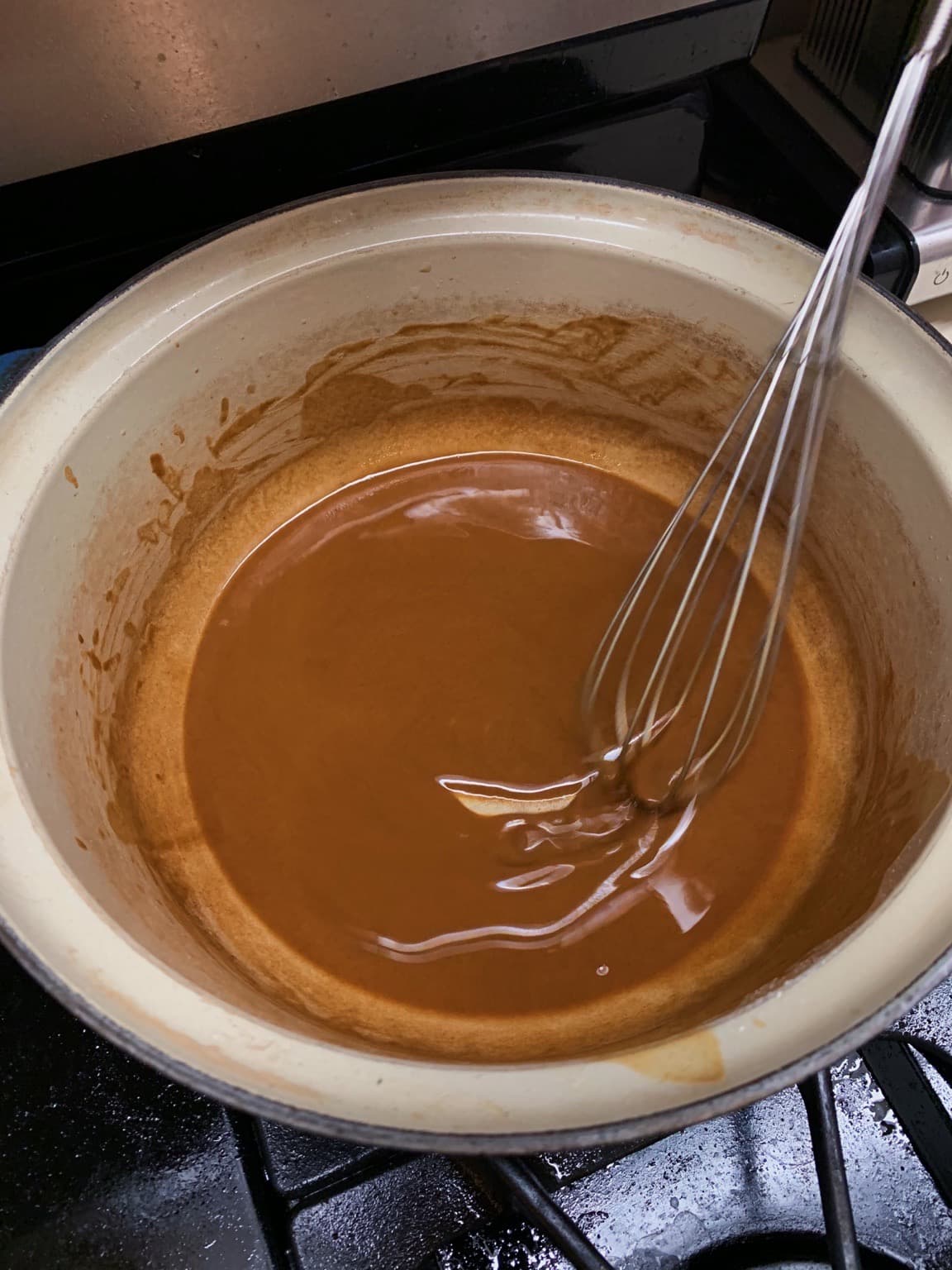
What is the single most important cooking technique for home cooks to learn? Most culinary instructors point to *mise en place* — the habit of prepping and organising all ingredients before you begin cooking. It eliminates panic, reduces mistakes, and is the foundation every other technique on this list builds on.
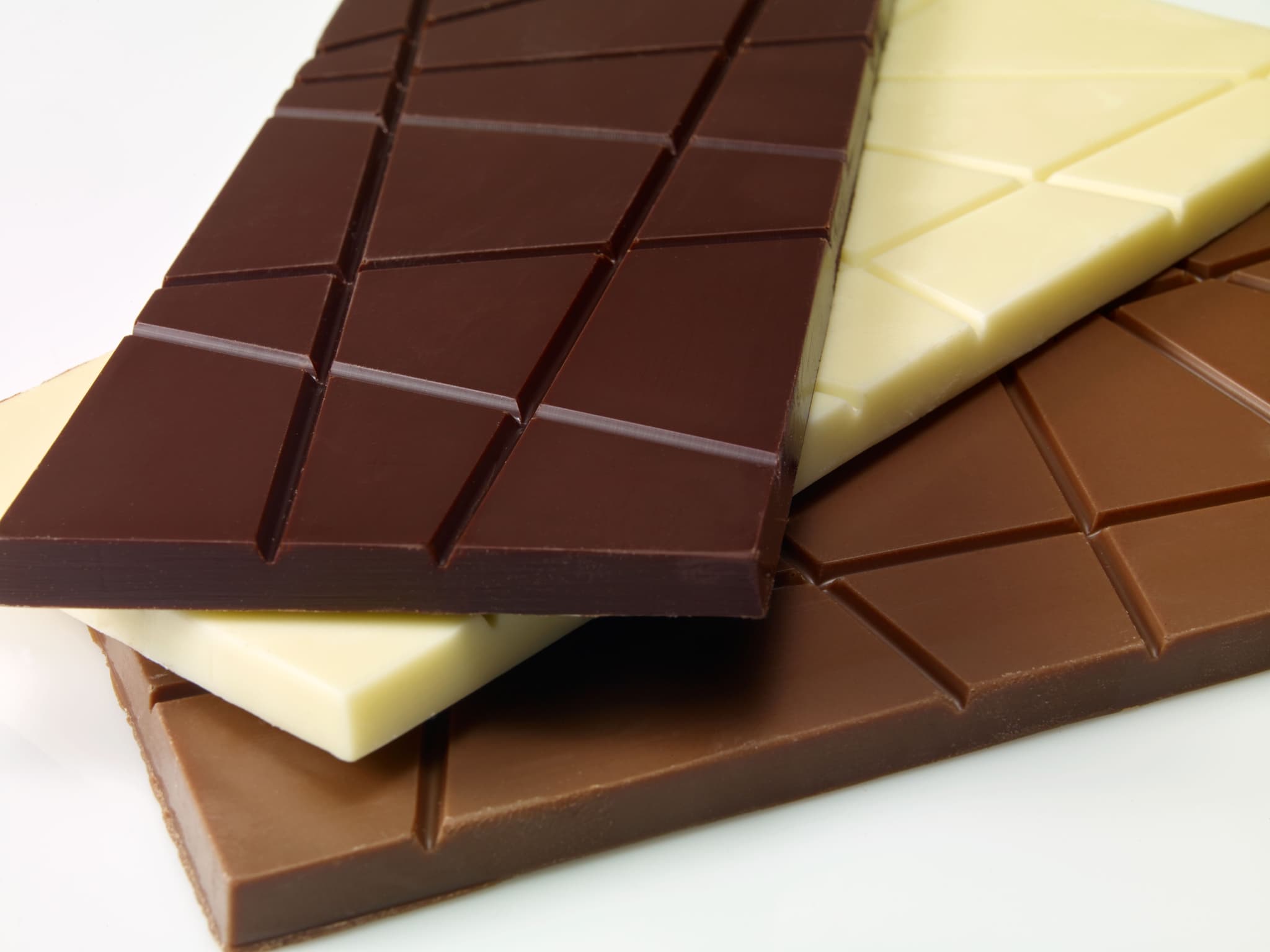
How long does it take to learn professional cooking techniques at home? Basic techniques like deglazing, making a roux, or proper knife skills can be practised meaningfully in a single weekend session. More tactile skills like emulsification and tempering chocolate typically click after 3–5 repetitions.
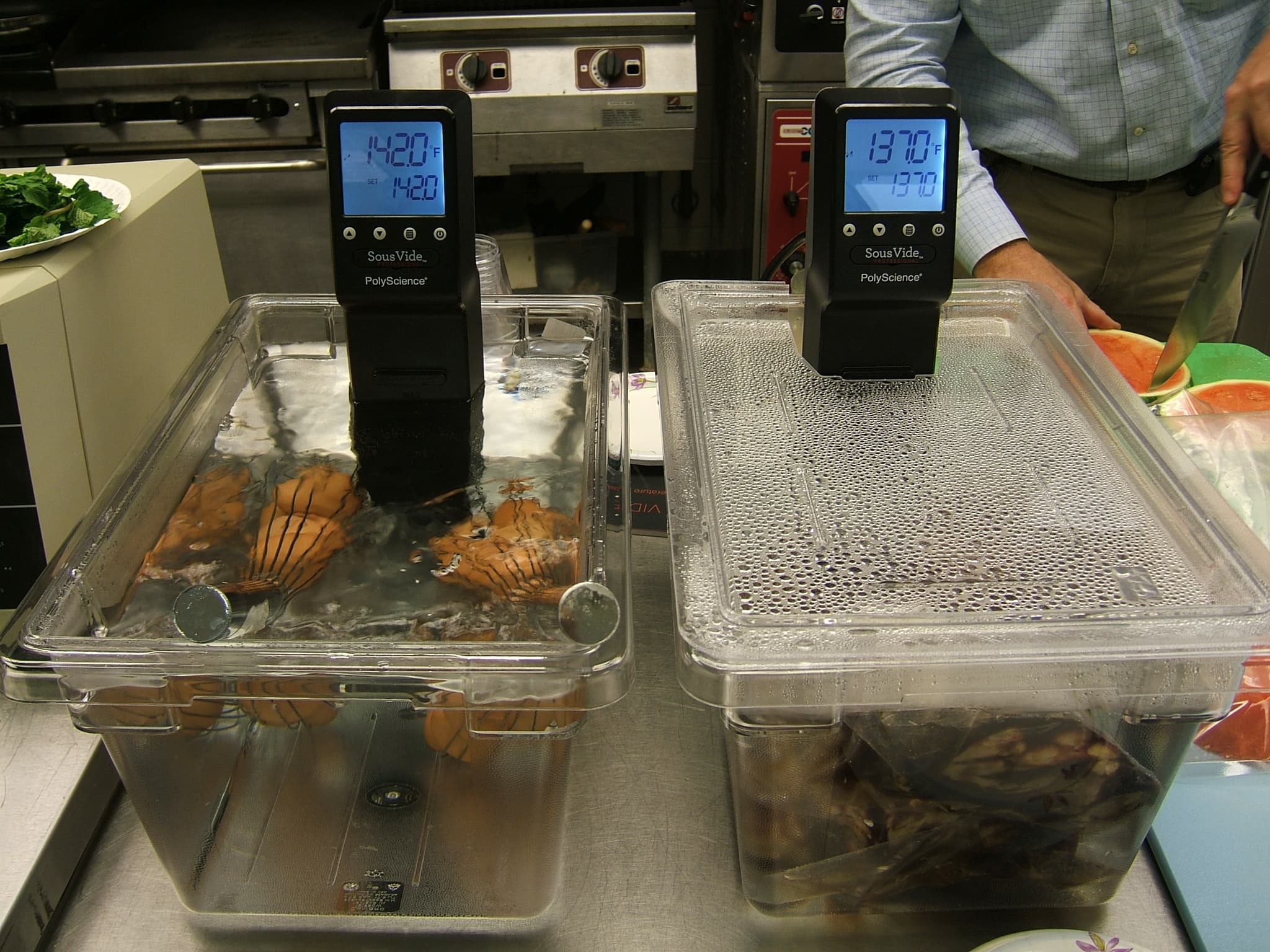
Do I need special equipment to cook like a chef at home? Most techniques here require only a sharp chef's knife, a heavy-bottomed pan, and a reliable thermometer. Sous vide is the exception — an immersion circulator costs $60–$150 — but every other technique on this list is equipment-free.
What is the Maillard reaction in simple terms? The Maillard reaction is the browning that occurs when heat causes amino acids and sugars in food to react together. It is the science behind the crust on a seared steak, the colour of toast, and the aroma of roasted coffee — and it is the single biggest driver of flavour in savoury cooking.
Frequently Asked Questions About Chef-Level Cooking Techniques
### What is the single most important technique to learn first? Start with Mise en Place. Organising your ingredients before you cook removes most beginner mistakes and makes every other technique easier to practise.
### Do I need special equipment to learn these techniques? No. Most techniques on this list — including searing, emulsification, braising, and making a roux — only need a skillet, a knife, and a whisk. Sous vide is the one exception that requires a circulator.
### How long does it take to master these techniques at home? With a little weekly practice, most home cooks see real improvement within 30 days, especially with knife skills, searing, and emulsification.
### Are these techniques used in professional kitchens? Yes. Every technique on this list is taught in culinary school and used daily in restaurant kitchens around the world.
Readers Also Ranked
More Lists Like This
Top 10 Thai Street Foods
- #1Pad Thai
- #2Som Tum (Green Papaya Salad)
- #3Moo Ping (Grilled Pork Skewers)
Top 10 Dutch Cheeses to Try in 2026
- #1Gouda (Aged)
- #2Edam
- #3Gouda (Young)
Top 10 Malaysian Craft Beers & Local Drinks in 2026
- #1Jungle Brewery
- #2Teh Tarik
- #3Cendol Drink
Top 10 Thai Noodle Dishes in 2026
- #1Pad Thai
- #2Pad See Ew
- #3Boat Noodles (Kuay Teow Reua)
Frequently asked questions
What is mise en place and why is it crucial for chefs?
Mise en place means 'everything in its place' and involves prepping all ingredients before cooking; it ensures efficiency and allows chefs to focus on technique and timing without interruption.
How does proper knife technique affect cooking outcomes?
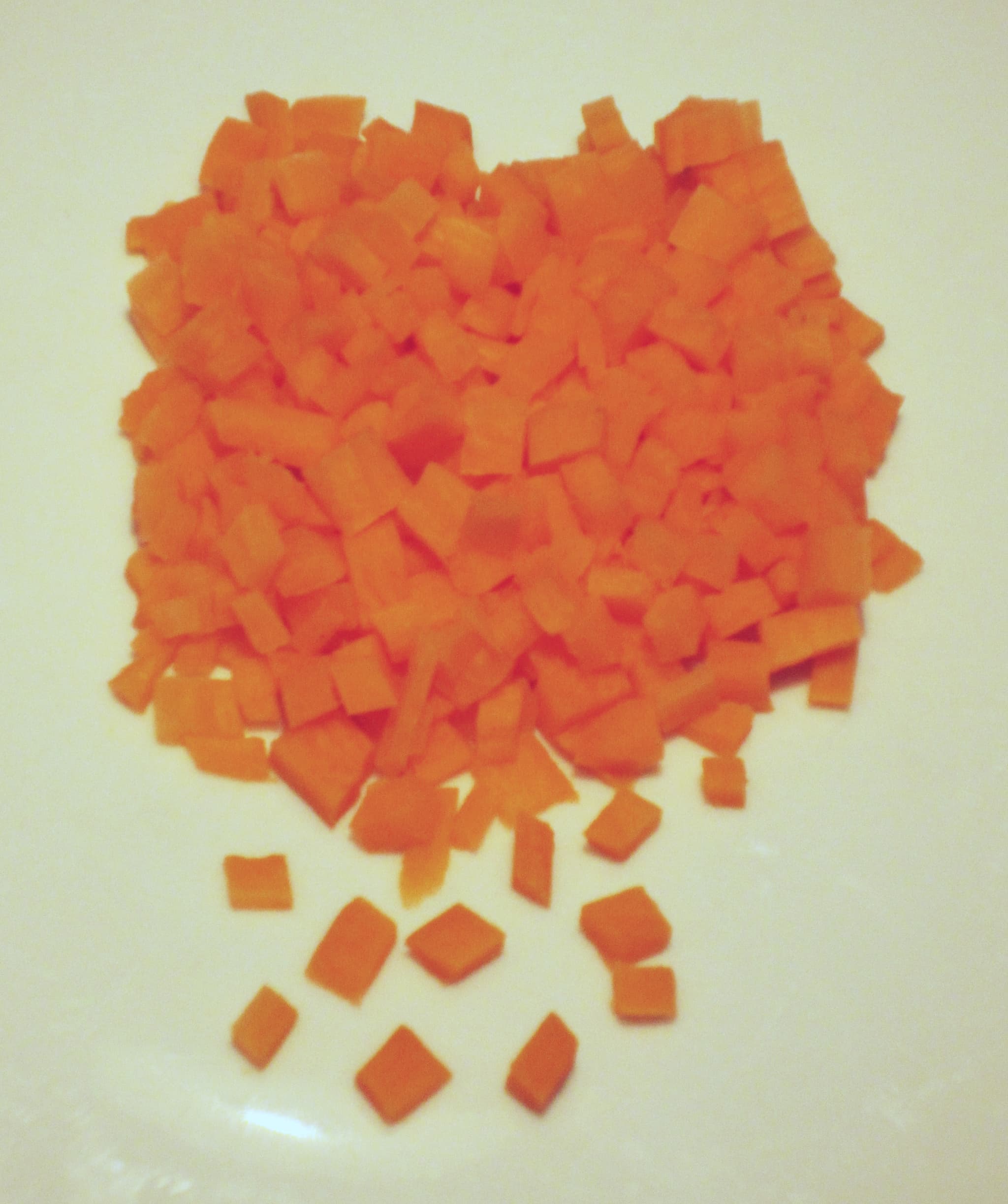
Proper knife technique ensures uniform cuts that cook evenly, improves presentation, and reduces waste, which is a hallmark of professional cooking versus typical home cooking.
Why is temperature control a key differentiator between home cooks and chefs?
Chefs master heat management—knowing when to sear, simmer, or rest proteins—to achieve precise textures and doneness, while home cooks often cook at a single high or low setting.
What is the importance of proper seasoning and layering flavors?
Chefs season at multiple stages to build depth and adjust acidity, salt, and umami, whereas home cooks often season only at the end, leading to flat or one-dimensional flavors.
How do chefs use techniques like deglazing and pan sauces?
Deglazing lifts caramelized fond from the pan with liquid, creating a flavorful sauce base; it demonstrates how chefs transform cooking residue into a finished dish, a technique rarely used by home cooks.
Discussion
Have a take on this ranking?
Comments are how the argument actually happens here. Posting one needs a free account — it takes about a minute.
No comments yet.
The first comment sets the terms of the argument.
Would your top 10 look different?
Publish your own ranking of this topic. Your list gets its own page, and readers vote on it the same way you just voted on this one.
Build your own Top 10Related Videos
More Food Rankings
More Recipes Rankings
5
Top 10 Best Cooking Shows of All Time
103 views · @admin
Top 10 Kitchen Gadgets Under $30 That Changed Home Cooking
120 views · @admin
Top 10 High-Protein Cottage Cheese Snacks & Recipes (2026)
124 views · @admin
Cookbooks Worth Actually Cooking From
130 views · @admin
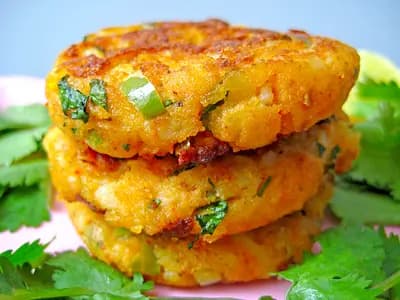
Top 10 Most Googled Recipes of 2025
154 views · @admin
You might also want to rank…
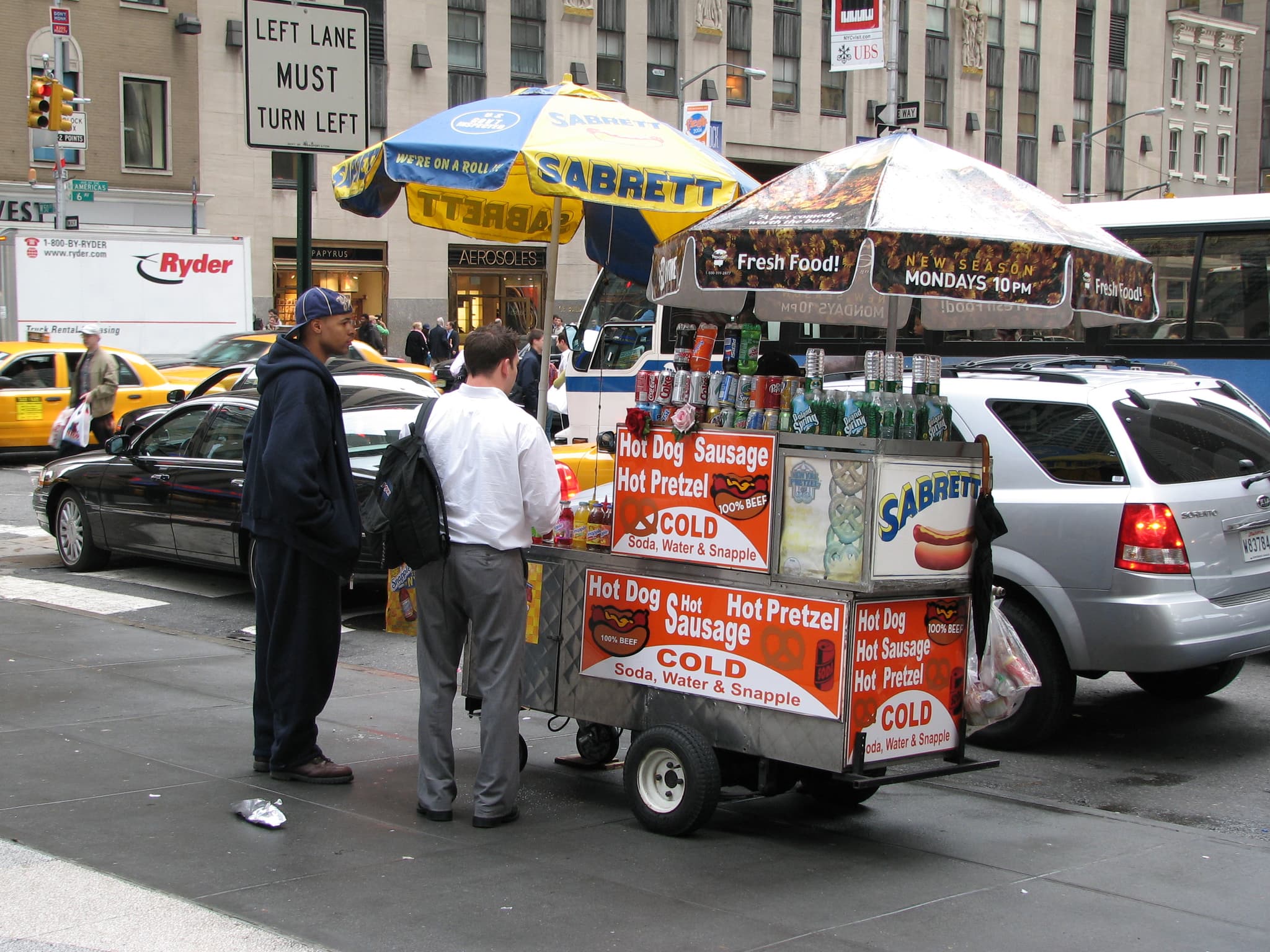 Top 10 Street Food Stalls in Mong Kok 2026
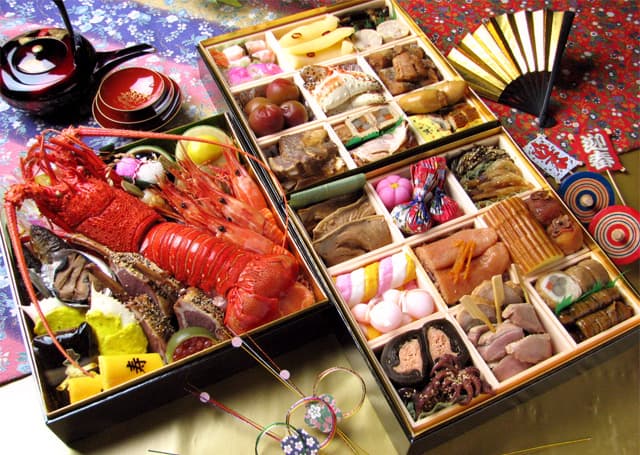 Top 10 Sushi Restaurants in Osaka
 Top 15 Best Restaurants and Food in Zhuhai 2026
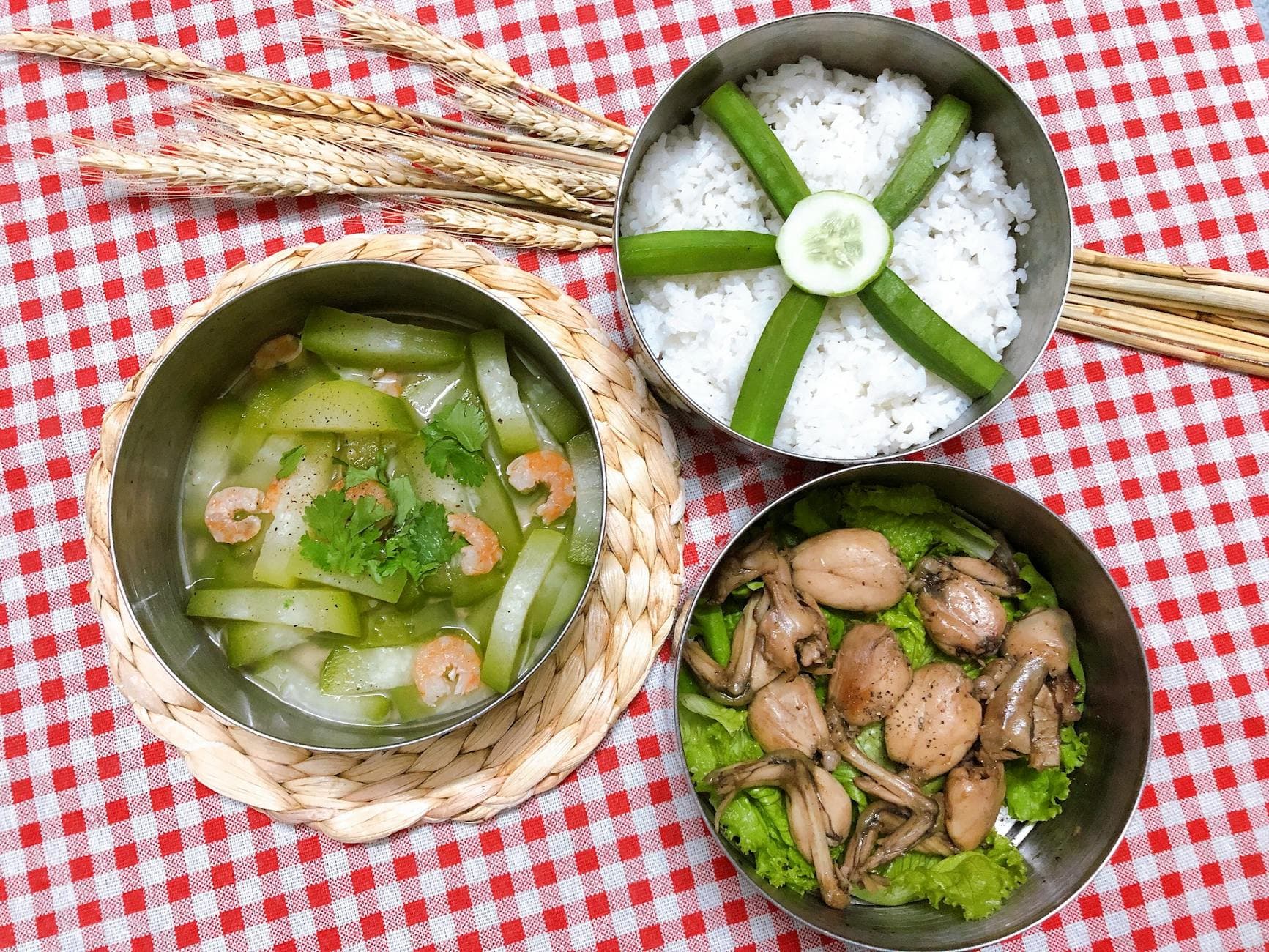 Top 10 Best Cuisines in the World
Explore more Food rankings on Top10Grid
People Also Explore
Because you're viewing Food
Top 10 Cocktail Bars in Singapore 2026
135 views · 0 votes
Top 10 Thai Dishes You Must Try in 2026
136 views · 0 votes

Top 10 Worst Food Delivery Apps Ranked by Hidden Fees, Failed Orders & User Complaints
137 views · 0 votes

Top 10 Best Wines in the World
138 views · 0 votes

Top 10 Czech Beers and Breweries
138 views · 0 votes
You might also like
FOODSame type
Top 10 Most Googled Recipes of 2025
10 items
FOODSame type
Top 10 Cookbooks That Actually Teach You How to Cook (Not Just Follow Recipes)
10 items
FOODSame type
Top 10 Kitchen Gadgets Under $30 That Changed Home Cooking
10 items
FOODSame type
Cookbooks Worth Actually Cooking From
10 items
FOODSame type
Top 10 Best Cooking Shows of All Time
10 items
FOODSame type
Top 10 High-Protein Cottage Cheese Snacks & Recipes (2026)
10 items