
Wikimedia Commons
Top 10 Cybersecurity Threats in 2026 — Examples & How to Stay Safe
Cybercrime will cost the world $10.5 trillion in 2025 — more than the GDP of every country except the US and China. And it is getting worse. AI has supercharged both attackers and defenders, deepfakes are weaponizing trust itself, and your smart home is a surveillance network waiting to be exploited. You do not need to be a security expert to be a target — you just need to be online. These are the threats keeping cybersecurity professionals up at night.
Top10Grid lets the community re-rank anything — this order is our editors' pick for now; use the buttons below to vote it up or down.

Current Rankings
- –#1
AI-Powered Phishing Attacks

The days of obvious phishing emails with bad grammar are over. AI can now generate perfectly written, contextually aware phishing messages that reference your actual colleagues, recent purchases, and ongoing projects. These attacks use publicly available data (LinkedIn, social media, company websites) to craft messages so convincing that even security-trained professionals fall for them.
- –#2
Deepfake Voice and Video Fraud

A Hong Kong finance worker transferred $25 million after a video call with what appeared to be his CFO — it was a deepfake. Voice cloning technology now needs only 3 seconds of audio to create a convincing replica. Deepfake fraud has increased 3,000% since 2023, making it 50% faster to execute than typical financial scams. The implications extend beyond financial fraud to election interference, extortion, and the fundamental erosion of trust in audio-visual evidence.
- –#3
Ransomware-as-a-Service (RaaS)
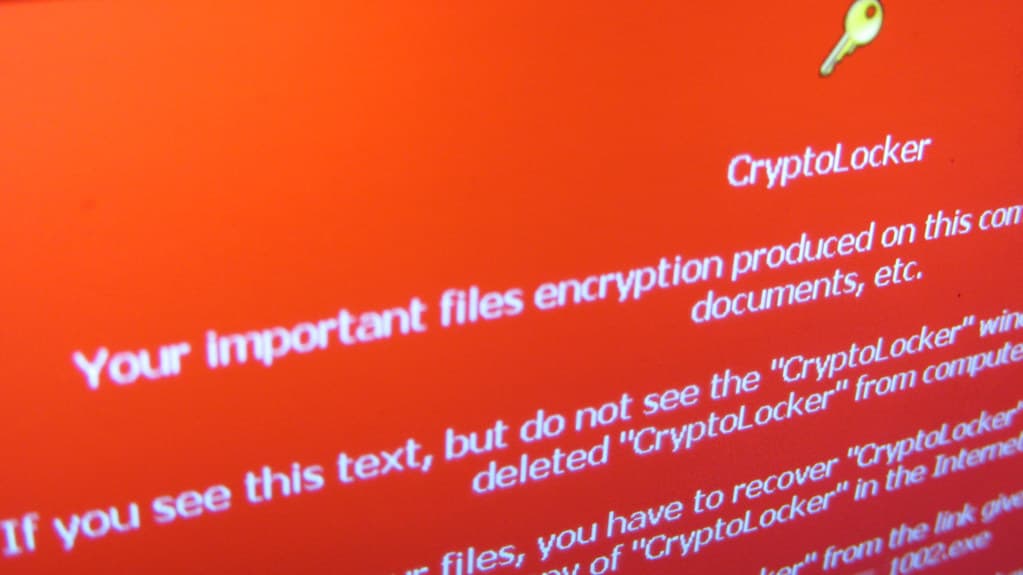
Ransomware has been democratized. Criminal groups now sell ransomware toolkits with customer support, revenue sharing, and even SLAs. Anyone with Bitcoin and basic computer skills can launch an attack. Hospitals, schools, and municipal governments are primary targets because they have outdated systems and cannot afford downtime.
- –#4
Supply Chain Attacks

Why hack one company when you can hack the software they all depend on? Supply chain attacks — compromising a vendor, library, or update mechanism to reach thousands of downstream targets — are the most devastating attack vector of the 2020s. SolarWinds, Log4j, and the 3CX compromise showed that a single vulnerability in a widely-used component can expose millions.
- –#5
IoT Device Exploitation
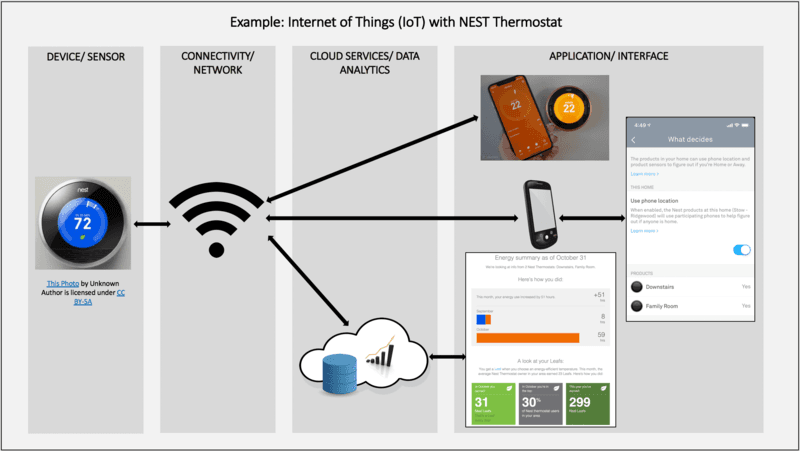
There are 15 billion IoT devices connected to the internet — smart cameras, thermostats, medical devices, industrial sensors — and most have appalling security compared to the average laptop. Default passwords, no encryption, no update mechanisms. 70% of these devices lack basic encryption, making them easier to recruit into botnets like Mirai, which infected 600,000 devices in 2016. These devices are used as network entry points and even manipulated physically (imagine someone hacking your smart thermostat in winter). Your smart home is a network of vulnerabilities that you invited inside.
- –#6
Credential Stuffing
Billions of username-password combinations from previous data breaches are freely available on the dark web. Automated tools test these credentials against hundreds of services simultaneously. If you reuse passwords (and 65% of people do), a breach at one service compromises all of them. This threat is more common than QR Code Phishing, causing over 80% of web application attacks. Password managers and multi-factor authentication defeat credential stuffing completely, but adoption remains frustratingly low at under 30% for MFA.
- –#7
QR Code Phishing (Quishing)
QR codes became ubiquitous during COVID (restaurant menus, payments, check-ins) and criminals followed. Fake QR codes placed on parking meters, restaurant tables, and even inside legitimate emails redirect victims to credential-harvesting sites. The attack is effective because QR codes are opaque — you cannot see the URL before scanning. "Quishing" attacks increased 500% in 2024-2025, growing faster than Business Email Compromise. These scams now target 1 in 5 scanned codes, according to a recent study.
- –#8
Business Email Compromise (BEC)

BEC is the most financially damaging cybercrime, causing $2.7 billion in losses in 2024 alone (FBI data), which is 10 times more than IoT Device Exploitation losses. Attackers impersonate executives or vendors and redirect wire transfers to fraudulent accounts. No malware needed — just social engineering and patience. A single successful BEC attack can bankrupt a small business, with average losses exceeding $125,000 per incident. The attacks are devastatingly simple, which is why they keep working.
- –#9
AI Model Poisoning
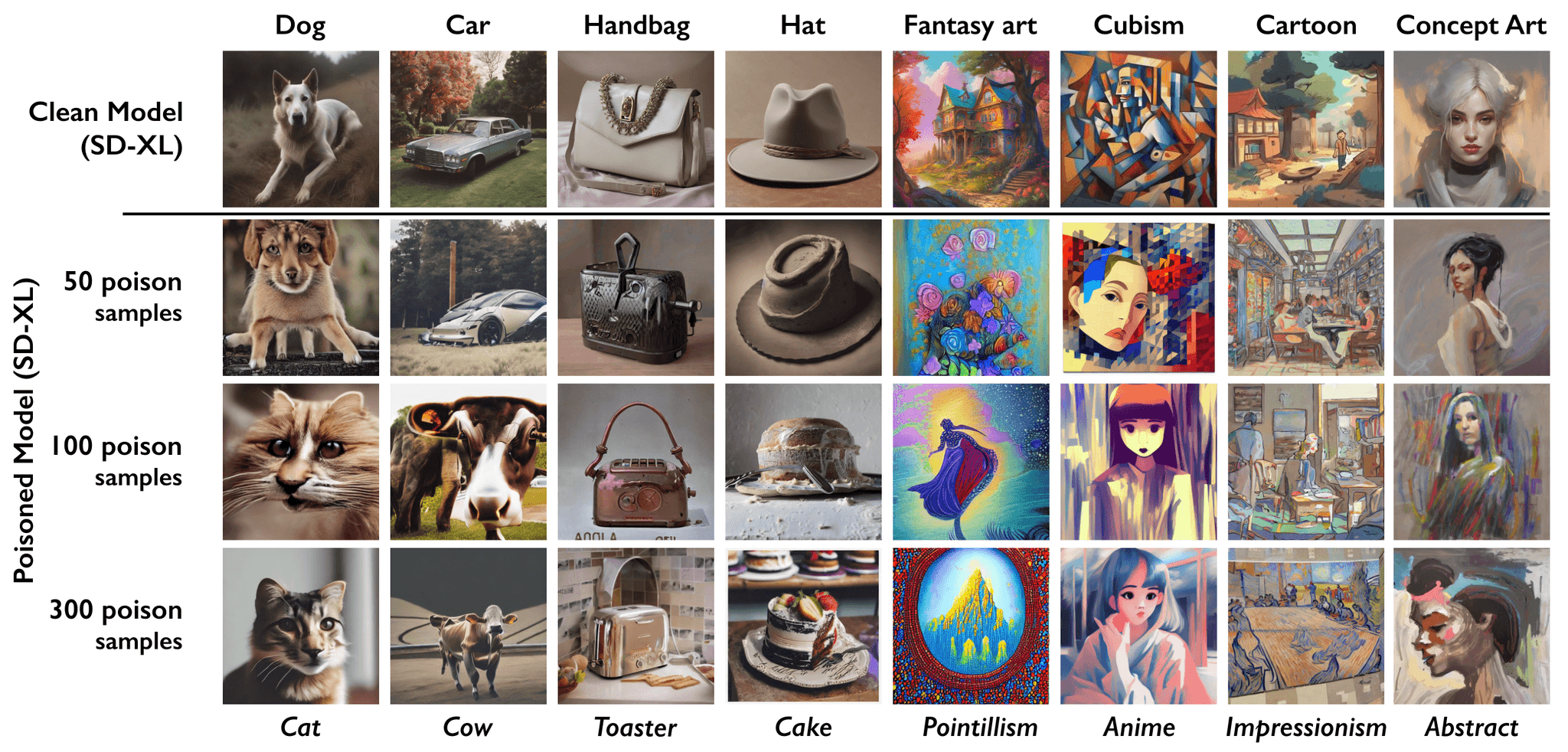
As organizations integrate AI into critical decision-making, a new attack vector has emerged: corrupting the training data or model weights that AI systems rely on. Poisoned training data can introduce hidden biases, backdoors, or completely wrong outputs that only activate under specific conditions. These attacks are nearly undetectable with current tools—more concerning than common malware since detection rates are under 1%—and the consequences of a poisoned medical or financial AI model are terrifying. A single mislabeled data point in a 10-million-sample set can cause a diagnostic AI to misclassify cancer 30% more often than a cleanly trained model.
- –#10
Quantum Computing Threat ("Harvest Now, Decrypt Later")
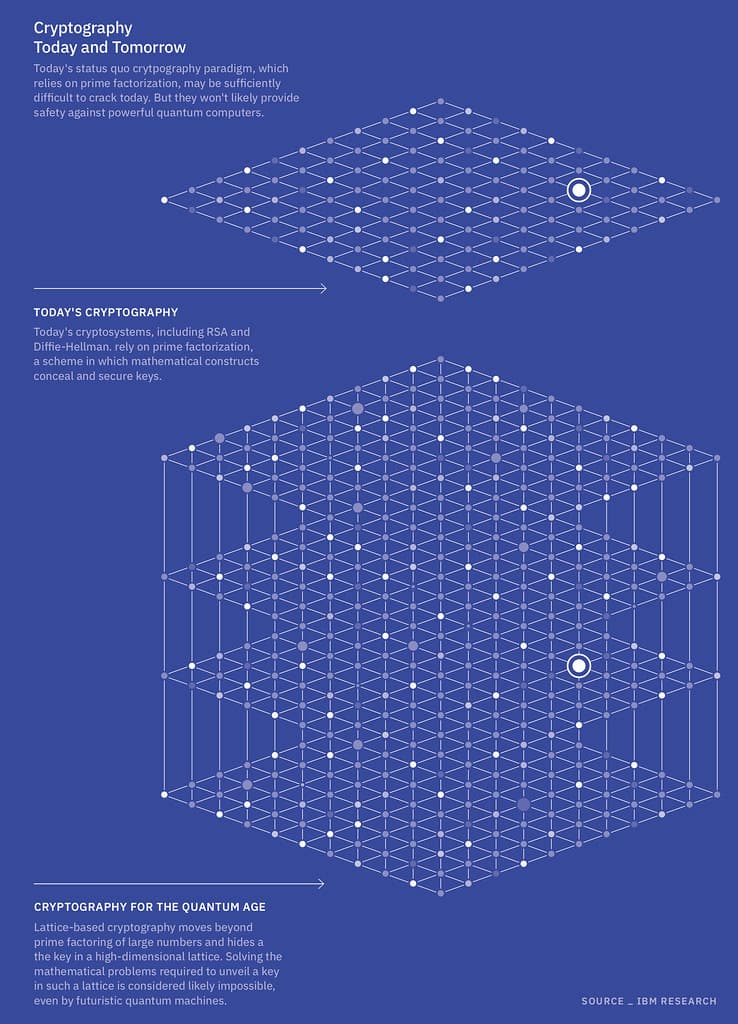
Quantum computers cannot break current encryption yet, but state actors are already harvesting encrypted data — government communications, financial records, military intelligence — to decrypt later when quantum computers mature. This 'harvest now, decrypt later' strategy means that data encrypted today may be exposed in 5-10 years. The race to deploy quantum-resistant encryption (post-quantum cryptography) is one of the most urgent and least-discussed security challenges—outpacing the adoption speed of AI Model Poisoning defenses by three years, according to NIST projections. Over 60% of current encrypted internet traffic is believed to be harvested and stored for future decryption.
Cybersecurity Threats: Frequently Asked Questions
### What is the biggest cybersecurity threat in 2026? AI-powered phishing and deepfake fraud are the fastest-growing threats because they bypass the human verification step most people rely on. Ransomware remains the most financially damaging for businesses.
### How can I protect myself from phishing and deepfakes? Verify any unusual request through a second channel (a known phone number, in-person confirmation). Enable multi-factor authentication on every account, and treat unexpected voice or video calls asking for money or credentials as suspicious by default.
### Are smart home devices really a security risk? Yes. Many IoT devices ship with weak default passwords and unpatched firmware. Change defaults, keep firmware updated, and put smart devices on a separate network from your computers and phones.
### Should I worry about quantum computing hacking my data today? Not directly, but attackers can already harvest encrypted data now and decrypt it later when quantum tools mature. Using modern, post-quantum-ready encryption where available reduces this risk.
### Where can I report a cyber attack? In the US, report to the FBI's Internet Crime Complaint Center (IC3) at ic3.gov. In the UK, use Action Fraud. For immediate financial fraud, contact your bank first.
Cybersecurity Threats in 2026: Frequently Asked Questions
## What is the most common cybersecurity threat in 2026?
AI-powered phishing and Business Email Compromise remain the most reported threats, with BEC alone causing billions in annual losses. Attackers now use generative AI to craft convincing, personalized lures at scale.
## How can I protect myself from these threats?
Use a password manager with unique credentials for every site, turn on multi-factor authentication, keep software and firmware updated, and verify any payment or wire request through a second channel (a known phone number, not one provided in the message).
## Are smart-home and IoT devices really a risk?
Yes. Billions of connected devices ship with default passwords and unpatched firmware, giving attackers an entry point into home networks. Change defaults, segment IoT devices onto a guest network, and apply updates promptly.
## Should I worry about quantum computing attacks today?
Not for daily use, but yes for long-lived data. Adversaries can harvest encrypted traffic now and decrypt it later once quantum capability matures — relevant for medical, financial, and government records with long confidentiality lifetimes.
Cybersecurity Threats 2026: Frequently Asked Questions
### What is the biggest cybersecurity threat in 2026? AI-powered phishing and deepfake fraud are the fastest-growing threats in 2026 because they exploit trust, not just software. The biggest *financial* threat remains Business Email Compromise, which caused $2.7 billion in losses last year.
### How can a regular person stay safe from these threats? Three habits cover about 90% of personal risk: turn on multi-factor authentication everywhere, verify any payment or wire request through a second channel (a phone call), and keep your phone and computer updated within 48 hours of a patch release.
### Are smart home devices really a risk? Yes. The 15 billion IoT devices shipped to date often ship with default passwords and unpatched firmware. Treat every smart device as if it has a microphone — because it usually does — and put it on a guest network.
### Should I worry about quantum computing breaking my encryption? Not today. The realistic risk is "Harvest Now, Decrypt Later" — adversaries are storing encrypted data to crack years from once quantum hardware matures. Using post-quantum-ready browsers and updating to current TLS standards is enough for now.
Image credits
- Credential Stuffing: Miguel Á. Padriñán / Pexels
- QR Code Phishing (Quishing): Pixabay / Pexels
Frequently asked questions
What are the top cybersecurity threats expected in 2026?
The top threats include AI-driven phishing attacks, ransomware targeting critical infrastructure, deepfake social engineering, supply chain vulnerabilities, and quantum computing risks, among others.
How can individuals protect themselves from AI-driven phishing in 2026?
Use multi-factor authentication, verify unexpected messages through secondary channels, and deploy advanced email filtering tools that detect AI-generated content.
Why are supply chain attacks a major concern for 2026?
As organizations increasingly rely on third-party software and services, attackers exploit vulnerabilities in interconnected systems to compromise multiple targets at once, making supply chain attacks highly scalable.
Will quantum computers break current encryption by 2026?
Large-scale quantum computers capable of breaking current encryption are not expected by 2026, but organizations should start transitioning to quantum-resistant algorithms to prepare for future risks.
What role will artificial intelligence play in 2026 cybersecurity threats?
AI will be used by attackers to automate and personalize phishing, create realistic deepfake audio/video, and discover vulnerabilities faster, making traditional defenses less effective.
Rank it your way
Remix this list into your own ranking, or head to the play hub for every game mode and community breakdown — blind mode, challenges, tier lists, and more.
You Might Also Like

Top 10 Wedding Photographers in Hong Kong (Editorial, Candid & Fine-Art)
Top 10 Cybersecurity Threats Everyone Should Know About i...

Top 10 Most Influential Political Leaders of the 20th Century
#1 Winston Churchill · #2 Franklin D. Roosevelt · #3 Mahatma Gandhi

Top 10 Greatest Speeches in History
#1 "I Have a Dream" — Martin Luther King Jr. · #2 "We Shall Fight on the Beaches" — Winston Churchill · #3 The Gettysburg Address — Abraham Lincoln

Top 10 Most Controversial Decisions in History
#1 Dropping the Atomic Bombs on Japan (1945) · #2 The Treaty of Versailles (1919) · #3 The Partition of India (1947)

10 Most Iconic Speeches in History — From Gettysburg to the Brandenburg Gate
#1 "I Have a Dream" — Martin Luther King Jr. · #2 "We Shall Fight on the Beaches" — Winston Churchill · #3 "Ask Not What Your Country Can Do for You" — John F. Kennedy

Top 10 Easter Monday Traditions Around the World (2026 Guide)
#1 In Greece, Easter Monday Is Bigger Than Easter Sunday · #2 The Echternach Dancing Procession · #3 Australia Added a Third Rabbit to Easter Monday