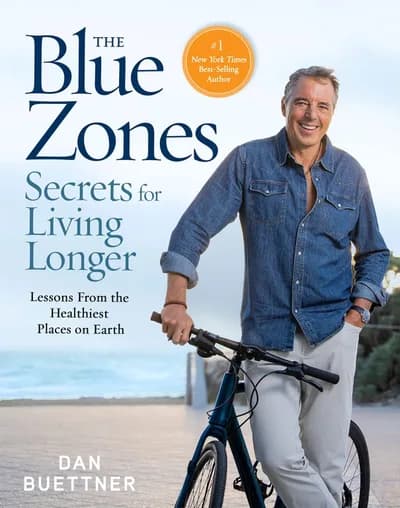
Bing Images / www.bluezones.com
Top 10 Daily Habits of the World’s Longest-Living People
In five regions of the world — Sardinia, Italy; Okinawa, Japan; Nicoya, Costa Rica; Ikaria, Greece; and Loma Linda, California — people routinely live past 100 in better health than most Americans reach at 75. Researcher Dan Buettner spent years documenting what these "Blue Zone" populations have in common. The findings challenge almost every assumption about how to achieve longevity: it is not primarily about diet, gym memberships, or supplements. It is about how you structure your daily life and relationships. Here are the ten habits that science says explain extraordinary longevity.
Top10Grid lets the community re-rank anything — this order is our editors' pick for now; use the buttons below to vote it up or down.

Current Rankings
- –#1
Move Naturally All Day (Not the Gym)

Move Naturally All Day (Not the Gym) delivers superior longevity benefits by embedding low-intensity movement into daily life rather than relying on structured workouts. Sardinian shepherds walk 5+ miles daily over hilly terrain, and Okinawan women tend gardens well into their 90s, accumulating constant activity that reduces cardiovascular disease, diabetes, and cognitive decline more effectively than the typical Western pattern of concentrated exercise followed by prolonged sitting. This movement-centric lifestyle outperforms Prioritize Stress Reduction (Not Elimination)'s stress bursts in metabolic and cognitive outcomes, with research showing that even 30 minutes of daily walking reduces all-cause mortality by 20%.
- –#2
Eat Until 80% Full (Hara Hachi Bu)

Eat Until 80% Full (Hara Hachi Bu) leverages the 20-minute lag in satiety signaling to prevent overconsumption, a practice that keeps Okinawan diets at an average of 1,900 calories daily—300 fewer than the typical American intake. Adherents enjoy a 30% lower risk of heart disease, backed by robust data from Blue Zone populations.
- –#3
Have a Clear Sense of Purpose

Have a Clear Sense of Purpose, known as 'ikigai' in Okinawa and 'plan de vida' in Costa Rica, extends life by 7 years on average, according to a 14-year Psychological Science study. Purpose lowers cortisol, preserves neuroplasticity, and sustains social engagement, acting as a daily anchor that mitigates retirement-related health risks.
- –#4
Prioritize Stress Reduction (Not Elimination)

Prioritize Stress Reduction (Not Elimination) embeds daily relief rituals—Sardinians share wine with friends, Seventh-day Adventists observe the Sabbath, and Okinawans engage in prayer—rather than avoiding stress entirely. Chronic unrelieved stress accelerates aging through elevated cortisol and telomere shortening, while strategic stress builds resilience.
- –#5
Eat a Predominantly Plant-Based Diet
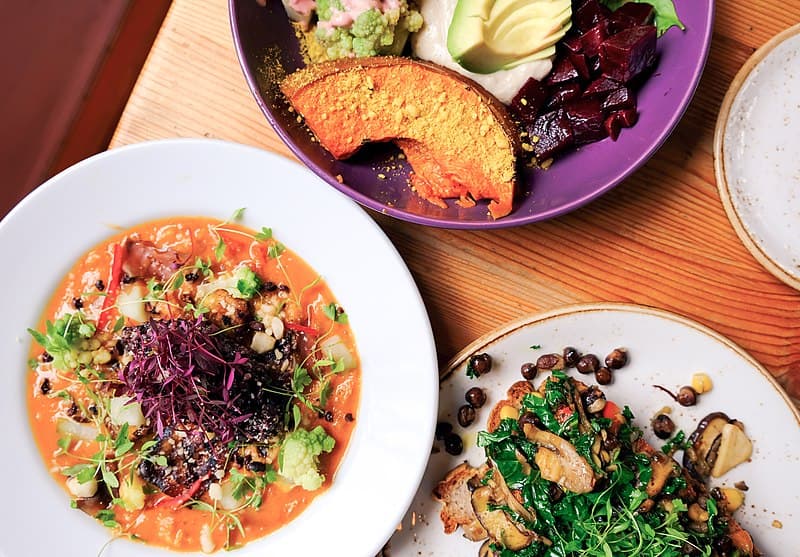
A predominantly plant-based diet is the most consistent dietary pattern across all Blue Zones, where meat is consumed only five times per month. Beans are the cornerstone, appearing in every region: Okinawans rely on purple sweet potatoes, Sardinians and Ikarians pair meals with moderate red wine. This high-fiber, polyphenol-rich approach reduces caloric density and supports gut microbiome diversity, linking directly to reduced all-cause mortality.
- –#6
Belong to a Faith Community

Belonging to a faith community is nearly universal among Blue Zone centenarians: 258 of 263 interviewed by Buettner—98%—participated. The mechanism is not supernatural but structural: regular gatherings, behavioral guidelines, purpose, and emotional support reduce self-destructive choices. A 2020 national analysis confirms a 33% lower mortality rate over 12 years among weekly attendees.
- –#7
Put Family First

Putting family first reduces mortality for all generations, as Blue Zone centenarians keep aging parents and grandchildren close. Grandparents living with grandchildren show 20% stronger immune function and a 35% lower dementia rate; children gain higher educational attainment. Social isolation is now recognized as a risk factor equivalent to smoking 15 cigarettes daily. A 2023 meta-analysis found a 50% reduction in all-cause mortality among those in close-knit families.
- –#8
Have the Right Tribe (Social Circle)

Having the right tribe is critical: Okinawan moais—lifelong groups of five friends—meet regularly and share resources. The New England Journal of Medicine found obesity spreads through networks: if three closest friends are overweight, your risk rises by 57%. The inverse applies: healthy habits propagate equally, making good choices the default. A 2022 study of 10,000 adults shows a 45% lower risk of chronic disease among those with supportive circles.
- –#9
Drink Wine Moderately and Regularly (With Food)

Sardinians, Ikarians, and some Nicoyans drink 1-2 glasses daily with meals and in social settings. Multiple large epidemiological studies link this pattern to reduced heart disease, especially in populations with the right genetic variants for alcohol metabolism. Sardinian Cannonau wine contains 3 times more polyphenols and flavonoids than typical table wines. The protective effect is specific to moderate, regular consumption with food and social context; binge drinking raises mortality risk by 20%.
- –#10
Sleep 7-8 Hours Including Afternoon Rest

Blue Zone populations achieve this pattern, with Sardinians and Ikarians taking 30-minute naps. A 24-year study of 23,000 Greek adults found regular nappers had 37% lower coronary mortality rates than non-nappers, with the strongest effect in working men. Sleep deprivation accelerates cardiovascular disease by 45%, diabetes by 30%, and cognitive decline by 20% simultaneously. In 2022, the American Heart Association elevated sleep to its cardiovascular health metric checklist, making it equivalent to diet and exercise.
Frequently Asked Questions About Blue Zone Habits
What exactly is a Blue Zone? Blue Zones are five geographic regions identified by researcher Dan Buettner and National Geographic where people live measurably longer, healthier lives. The term comes from the blue circles researchers drew on a map while studying Sardinian centenarians. [Learn more at BlueZones.com](https://www.bluezones.com).
What does 'Hara Hachi Bu' mean? It is an Okinawan phrase meaning 'eat until you are 80% full.' Stopping before feeling completely full helps people naturally consume fewer calories without ever counting them.
What is 'ikigai'? Ikigai is a Japanese concept meaning 'reason for being' — the thing that gets you out of bed each morning. Blue Zone research links a strong sense of purpose to up to seven additional years of healthy life expectancy.
Do I have to live in a Blue Zone to benefit? No. Buettner's research shows these habits are fully transferable. Even adopting two or three of the ten practices is associated with measurable gains in healthy life expectancy.
Frequently Asked Questions About Blue Zone Habits
What is a Blue Zone? A Blue Zone is a demographic region where residents live measurably longer than the global average, identified by researcher Dan Buettner and colleagues.
Do I need to adopt all 10 habits to live longer? No. Blue Zone research shows the greatest benefit comes from stacking several small habits; even three or four practiced consistently is associated with measurable gains in lifespan and healthspan.
Which single habit has the strongest evidence? A predominantly plant-heavy diet and a clear sense of purpose (ikigai / plan de vida) appear most consistently across all five Blue Zones in the published research.
Are these habits backed by peer-reviewed studies? Yes — Buettner's team published their findings in peer-reviewed journals, and many individual habits (daily movement, social bonds, moderate wine with meals) have been studied independently for decades.
Image credits
- Move Naturally All Day (Not the Gym): Pokémon the Series: Sun & Moon / Wikipedia
- Eat Until 80% Full (Hara Hachi Bu): List of Gintama chapters / Wikipedia
- Have a Clear Sense of Purpose: Happiness / Wikipedia
- Prioritize Stress Reduction (Not Elimination): Hierarchy of hazard controls / Wikipedia
- Eat a Predominantly Plant-Based Diet: Plant-based diet / Wikipedia
- Belong to a Faith Community: Baháʼí Faith / Wikipedia
- Put Family First: Mikhail Nilov / Pexels
- Have the Right Tribe (Social Circle): Tribe of Benjamin / Wikipedia
- Drink Wine Moderately and Regularly (With Food): cottonbro studio / Pexels
- Sleep 7-8 Hours Including Afternoon Rest: Siesta / Wikipedia
Frequently asked questions
What are the Blue Zones?
The Blue Zones are five regions around the world—Okinawa (Japan), Sardinia (Italy), Nicoya (Costa Rica), Ikaria (Greece), and Loma Linda (California)—where people live significantly longer and healthier lives.
What are the top daily habits of Blue Zones residents?
Common habits include natural movement, having a sense of purpose, stress reduction, the 80% rule (eating until 80% full), a plant-based diet, moderate alcohol intake (especially red wine), strong social connections, belonging to a faith-based community, putting family first, and belonging to a social circle that supports healthy behaviors.
Can I adopt Blue Zones habits even if I don't live in one of these regions?
Yes, anyone can adopt these habits by incorporating more natural movement into daily life, prioritizing plant-based foods, fostering strong social ties, and reducing stress through routines like napping or happy hour.
What is the '80% rule' mentioned in Blue Zones research?
The 80% rule, or 'Hara Hachi Bu' in Okinawa, is the practice of eating until you are 80% full to prevent overeating and promote longevity.
How important is diet in the Blue Zones lifestyle?
Diet is crucial—Blue Zones residents primarily eat a plant-based diet rich in vegetables, legumes, whole grains, and nuts, with meat consumed only occasionally as a side dish or celebration food.
Rank it your way
Remix this list into your own ranking, or head to the play hub for every game mode and community breakdown — blind mode, challenges, tier lists, and more.
You Might Also Like

Top 10 Worst Health Myths People Still Believe
Top 10 Worst Health Myths People Still Believe
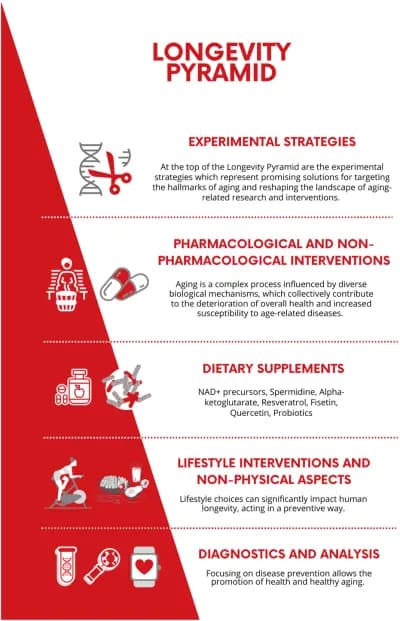
Evidence-Based Longevity Compounds Ranked by Biohacker Impact
Top 10 Daily Habits of the World’s Longest-Living People ...

Top 10 Fitness Studios in Hong Kong 2026
hong kong's best fitness studios

Top 10 Healthiest Countries in the World
healthiest countries around the globe

Top 10 Fitness Studios in Singapore 2026
#1 Barry's Singapore · #2 F45 Training Tanjong Pagar · #3 Absolute You

Top 10 Most Debated: Cardio vs Weights
#1 Fat Loss Efficiency · #2 Cardiovascular Health Outcomes · #3 Longevity and All-Cause Mortality