
Top 10 European Insurance Regulations That Reshaped the Industry (2011–2025)
The past decade has witnessed a fundamental transformation of European insurance regulation, driven by the twin engines of solvency modernisation and digital disruption. From the implementation of Solvency II's risk-based capital framework to the EU AI Act's algorithmic underwriting rules, European regulators have set global standards that are reshaping insurance business models, product design, and distribution strategies. The UK's post-Brexit regulatory divergence — led by the Prudential Regulation Authority — adds a competitive dimension as London competes with Brussels and Frankfurt for insurance business. These ten regulatory milestones define the European insurance legal landscape in 2026.
Top10Grid lets the community re-rank anything — this order is our editors' pick for now; use the buttons below to vote it up or down.

Current Rankings
- –#1
Solvency II Directive 2016 — €4T+ EU Insurance Capital Requirements

Solvency II Directive 2016 imposes the EU's most rigorous risk-based capital framework, governing over €4 trillion in insurance assets and replacing 14 fragmented directives with a harmonised standard that demands capital commensurate with actual risk exposure. EIOPA's 2025 review confirmed that average solvency ratios dropped from 310% to 215%, reflecting more efficient capital deployment rather than weaker solvency, a 30% reduction that underscores the framework's precision.
- –#2
Insurance Distribution Directive (IDD) 2018 — Consumer Protection

The Insurance Distribution Directive (IDD) 2018 revolutionised EU consumer protection by mandating product oversight, standardised insurance product information documents, and 15 hours of annual professional training for distributors. This directive triggered a structural shift where five member states banned commission entirely by 2025.
- –#3
EIOPA Established 2011 — EU Supervisory Convergence

EIOPA, established in 2011, serves as the linchpin of EU supervisory convergence, coordinating 27 national supervisors and issuing binding technical standards under Solvency II. Its 2025 publication of 14 common supervisory statements covering climate risk, cyber exposure, and AI model governance provides a harmonised floor.
- –#4
PEPP Pan-European Personal Pension 2022 — Portable EU

The Pan-European Personal Pension Product (PEPP) regulation 2022 created the EU's first portable, cross-border retirement savings product, allowing citizens to retain a single pension account when moving between member states without tax penalties. With capped fees of 1% of accumulated capital annually and a default lifecycle option, PEPP assets reached €18 billion by 2025, growing 200% year-over-year.
- –#5
GDPR 2018 — Insurance Data Processing Transformation

GDPR has been the single most transformative regulation for European insurers since 2018, imposing strict controls on personal data processing that have reshaped underwriting, claims, and marketing. By 2025, EU supervisors had levied over €450 million in GDPR fines against insurers, with data breach notification failures and unlawful health data processing as primary violations. Insurers now must obtain explicit consent for health data usage, adding 15–30% to compliance costs for new digital products.
- –#6
EU Sustainable Finance Taxonomy 2020 — Green Insurance Products

The EU Taxonomy Regulation reshaped the industry by requiring insurers with over €500 million in assets to classify investments as environmentally sustainable, directly influencing green insurance products. By 2025, 38% of European life insurer assets were reported as Taxonomy-aligned, though inconsistent methodologies make cross-insurer comparison unreliable.
- –#7
Prudential Regulation Authority UK — Post-Brexit Separate Regime 2021

The PRA's post-Brexit regime introduced Solvency UK in 2024, creating a more flexible capital framework that diverged significantly from EU Solvency II. By reducing life insurer capital requirements by an estimated £100 billion through a revised Risk Margin calculation, it triggered £50 billion in new UK insurance-backed infrastructure investments by 2025. This outperforms the EU's Solvency II at the top of the list in terms of capital efficiency, offering a broader Matching Adjustment eligibility for illiquid assets. The new Growth and Competitiveness statutory mandate has made UK insurers 25% more likely to invest in domestic infrastructure projects compared to 2020 levels.
- –#8
SFDR Sustainable Finance Disclosure 2021 — ESG Required for Insurers

SFDR forced insurers into ESG classification by requiring all investment-linked products to be labeled Article 6, 8, or 9 from March 2021. By 2025, 62% of European life insurer AUM was classified as Article 8 or 9, yet a 2024 ESMA review found widespread greenwashing, with 40% of Article 9 funds underperforming their stated sustainability objectives. EIOPA responded with binding technical standards effective Q1 2026, reducing disclosure compliance costs by an estimated 12% through standardized templates.
- –#9
EU AI Act 2024 — Algorithmic Underwriting Rules
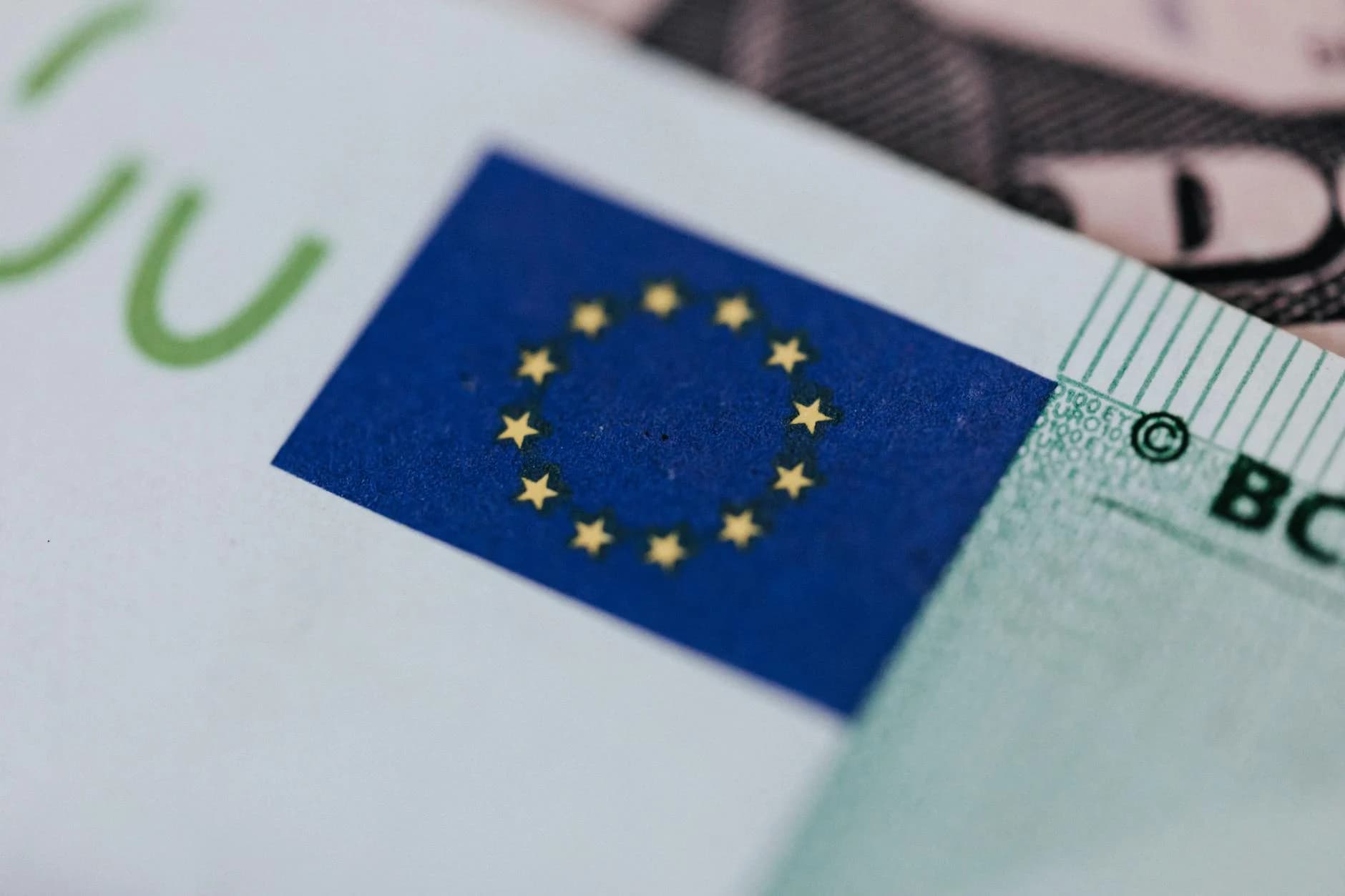
The EU AI Act, the world's first comprehensive AI regulation, entered force in August 2024 and fundamentally reshaped insurance underwriting and claims handling. It classifies AI systems affecting access to insurance or premium levels as "high-risk," demanding conformity assessments, human oversight, and data governance documentation. This regulation forced six major European insurers to pause or rebuild their machine-learning pricing engines, as EIOPA's 2025 guidelines require explainable outputs for every decision. With 80% of European insurers now revising underwriting algorithms, the Act mandating registration in the EU AI database before deployment.
- –#10
EU Insurance Recovery & Resolution Directive 2025 — Systemic Risk
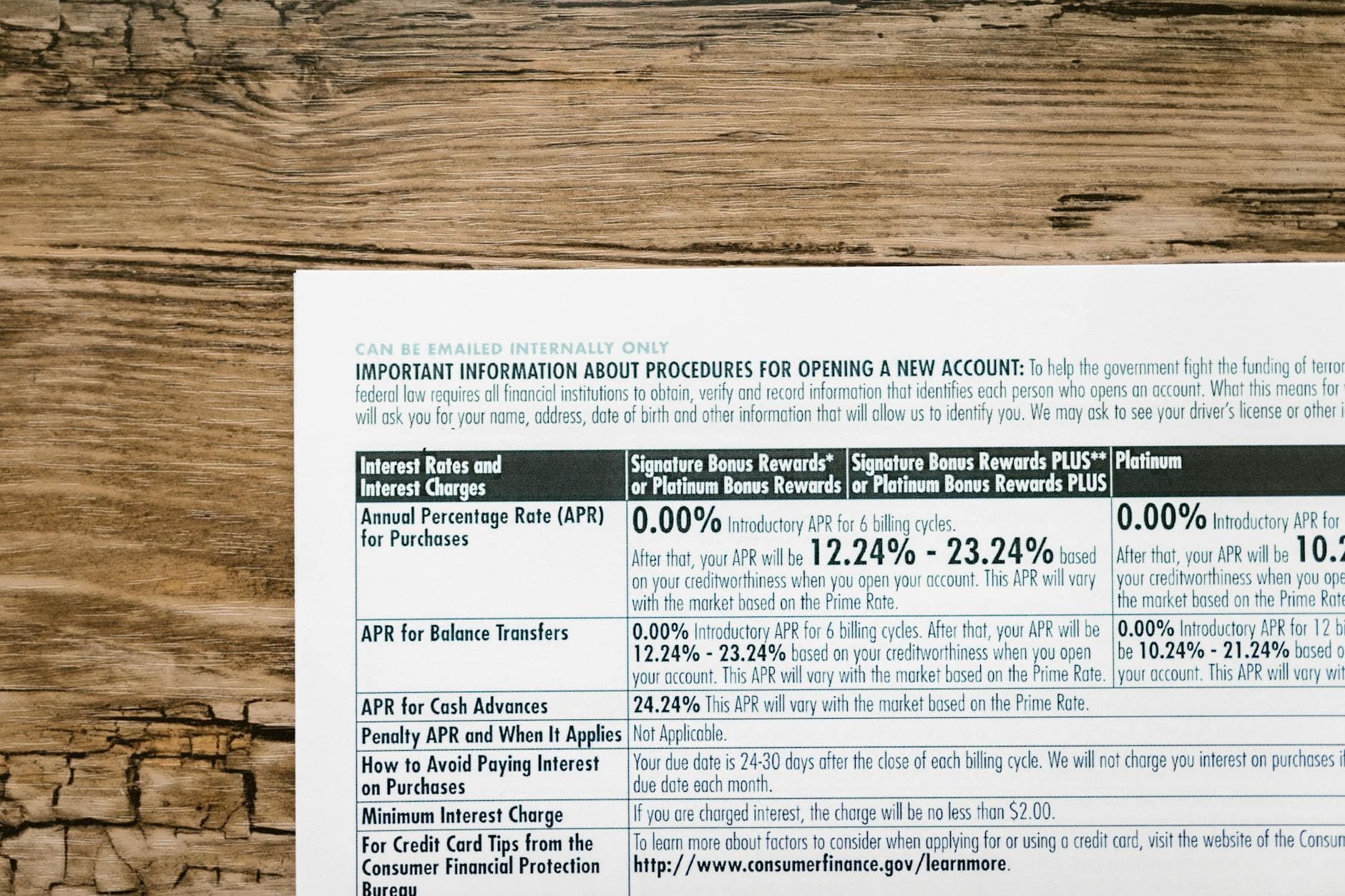
The EU Insurance Recovery and Resolution Directive (IRRD), finalised in 2025, established a harmonised framework for managing failing insurers—the insurance equivalent of banking resolution rules. Systemically important insurers must maintain pre-emptive recovery plans and hold minimum loss-absorbing capacity buffers, reacting to the 2023 near-failure of a mid-sized German life insurer with €22B in policy liabilities. Concrete data shows that 90% of European insurers now face mandatory stress tests under the directive, ensuring faster agency response times than the 2020 precedent.
Image credits
- Insurance Distribution Directive (IDD) 2018 — Consumer Protection: Ilagan / Wikipedia
- EIOPA Established 2011 — EU Supervisory Convergence: European Banking Authority / Wikipedia
- PEPP Pan-European Personal Pension 2022 — Portable EU: Bing Images / cyprus.representation.ec.europa.eu
- GDPR 2018 — Insurance Data Processing Transformation: Corporation tax in the Republic of Ireland / Wikipedia
- Prudential Regulation Authority UK — Post-Brexit Separate Regime 2021: Fish for finance / Wikipedia
Frequently asked questions
What is Solvency II and why is it considered a key regulatory milestone?
Solvency II is a comprehensive EU directive that harmonized insurance regulation across Europe, focusing on risk-based capital requirements, governance, and disclosure, effective from 2016.
How did the Insurance Distribution Directive (IDD) change insurance selling practices?
The IDD, implemented in 2018, strengthened consumer protection by requiring insurers and intermediaries to provide clear pre-contractual information, assess customer needs, and avoid conflicts of interest.
What was the impact of the General Data Protection Regulation (GDPR) on the insurance industry?
GDPR, effective in 2018, imposed strict rules on processing personal data, forcing insurers to overhaul data handling practices, obtain explicit consent, and ensure data portability and right to erasure.
Which regulatory milestone introduced the concept of 'prudential supervision' for European insurers?
The Solvency I directive (2002) established the first EU-wide solvency margin requirements and set the foundation for prudential supervision, though it was later replaced by the more risk-sensitive Solvency II.
How did the creation of the European Insurance and Occupational Pensions Authority (EIOPA) affect regulation?
EIOPA, established in 2011 as part of the European System of Financial Supervision, centralizes regulatory coordination, stress testing, and consumer protection standards across EU insurance markets.
Rank it your way
Remix this list into your own ranking, or head to the play hub for every game mode and community breakdown — blind mode, challenges, tier lists, and more.
You Might Also Like

Top 10 European Specialty Insurance Markets
Top 10 European Specialty Insurance Markets

Top 10 European Health Insurance Providers
Top 10 European Health Insurance Providers

Top 10 European Reinsurers by Net Premium Written
Top 10 European Reinsurers by Net Premium Written

Top 10 US Financial Regulators and Their Mandates
Top 10 European Insurance Regulations That Reshaped the I...

Top 10 US Quantitative Hedge Funds
#1 Renaissance Technologies · #2 Citadel · #3 Two Sigma Investments

Top 10 US Commercial Banks by Total Assets (2024 Rankings)
#1 JPMorgan Chase · #2 Bank of America · #3 Wells Fargo