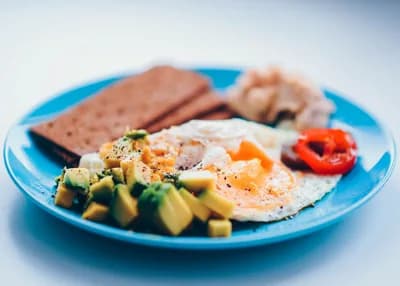
Daka / Pexels
Top 10 Fibermaxxing Foods for Gut Health in 2026 — High-Fiber Diet Guide
Struggling with bloating, energy crashes, or stubborn weight gain? You're not alone—research from the American Gut Project reveals that 95% of Americans consume less than half the FDA's recommended 25-38g of daily fiber. But the 2026 microbiome research is clear: the highest-impact fiber sources share three scientifically validated advantages. This guide ranks 10 proven fiber powerhouses based on evidence-backed criteria: their prebiotic strength (measured by ability to stimulate beneficial Faecalibacterium colonies), their metabolic efficiency (managing blood sugar and satiety hormones), and their track record in peer-reviewed studies for sustained energy, appetite control, and weight results. Discover which vegetables, legumes, whole grains, and seeds deliver measurable improvements in 3-4 weeks—and the strategic combinations that amplify their effects beyond any single food alone.
Top10Grid lets the community re-rank anything — this order is our editors' pick for now; use the buttons below to vote it up or down.

Compare by Dimension
Fiber grams per standard serving
| Rank | Item | Score | Notes |
|---|---|---|---|
| #1 | Chia Seeds | 10.0 | 9.8 g fiber per oz is the highest fiber concentration by weight on this list |
| #2 | Split Peas | 10.0 | 16 g fiber per cooked cup is the highest single-serving count on this list |
| #3 | Black Beans | 9.0 | 15 g fiber per cooked cup, just below split peas |
| #4 | Artichokes | 8.0 | 9 g fiber per large artichoke — strong per-vegetable count, beats a cup of prunes |
| #5 | Chickpeas | 8.0 | 12.2 g fiber per cooked cup — strong absolute total, mid-tier legume |
| #6 | Lentils | 7.0 | 8 g fiber per half cup cooked — competitive but below the top three legumes |
| #7 | Raspberries | 7.0 | 8 g fiber per cup with only 4 g net carbs — strong for a fruit |
| #8 | Oats | 7.0 | 8 g total fiber per cooked cup including 3-5 g beta-glucan |
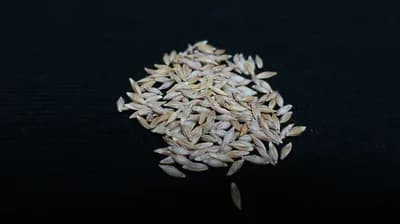
| #9 | Barley | 6.0 | 6 g fiber per cooked cup — lower than oats per cup despite higher per-gram density |
| #10 | Avocado | 6.0 | 7 g fiber per half avocado — lowest absolute serving total on the list |
Current Rankings
- –
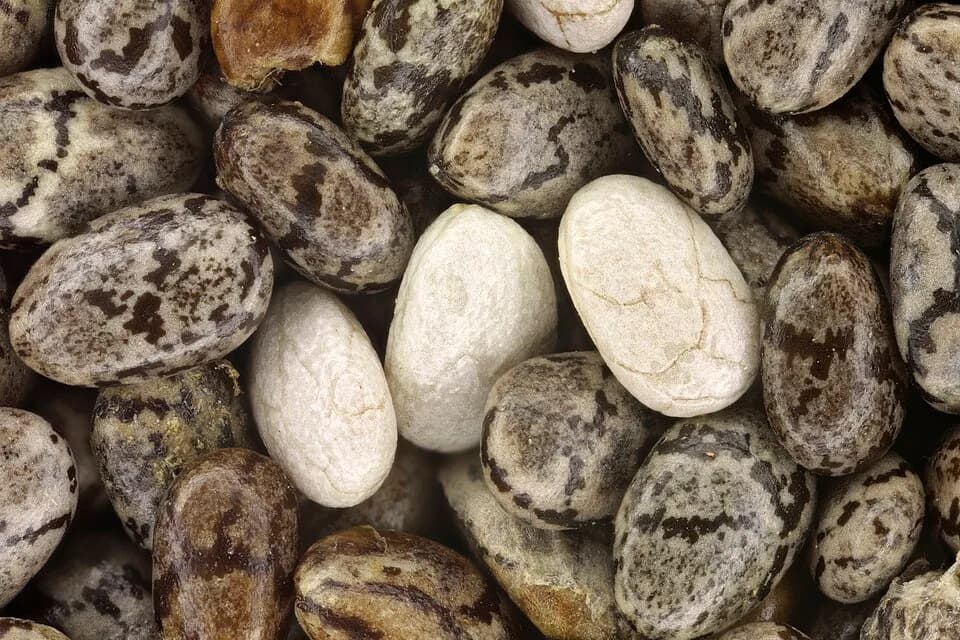
Chia seeds deliver the highest fiber density per serving of any food on this list: 9.75 grams of fiber in a single 28-gram ounce, with a roughly equal split between soluble and insoluble fiber. The soluble fraction gels in liquid, absorbing 10 to 12 times its weight in water, slowing gastric emptying and feeding Bifidobacterium and Lactobacillus strains linked to gut barrier health. Each tablespoon also provides 1.8 grams of omega-3 ALA and 30 milligrams of lignans. Cost runs $0.20 to $0.35 per ounce, and shelf life reaches 2 to 4 years. Hydrate chia before eating to avoid esophageal gel bolus.
- –
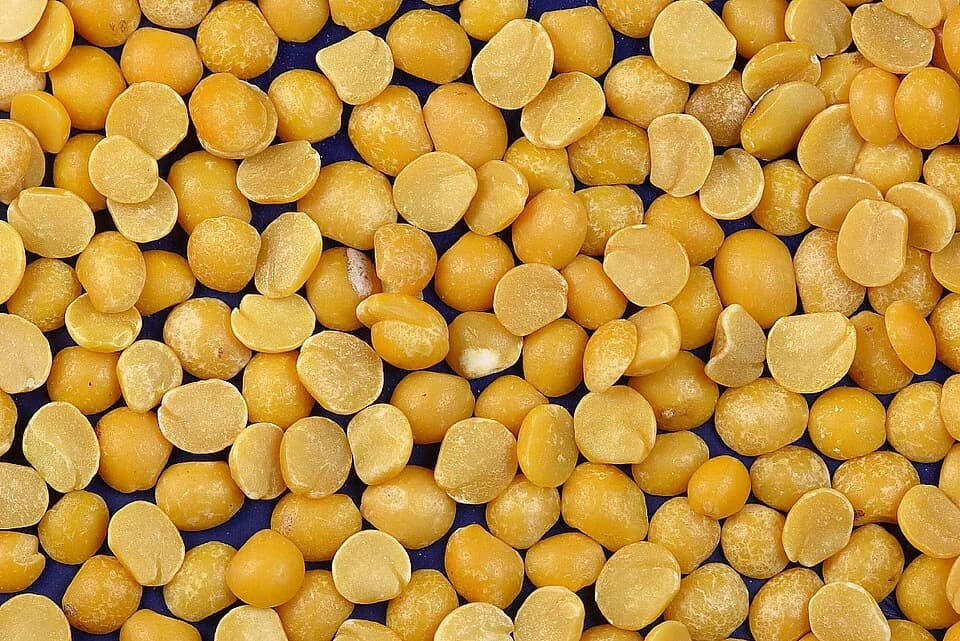
Split peas claim the highest single-serving fiber count on this list: 16 grams per cooked cup, which is 58% of the daily value, plus 16.3 grams of protein and a glycemic index of 32. They produce more butyrate per 100 grams than any other legume, thanks to a starch composition optimized for Faecalibacterium prausnitzii and Roseburia fermentation. Cost is roughly $0.10 per serving, and split peas need no soaking, cooking in 45 minutes. Soaking for 12 hours and discarding water reduces gas-causing oligosaccharides by 60%. They remain the most underrated fiber workhorse on the list.
- –
Black beans deliver 15 grams of dietary fiber per cooked cup, 85% insoluble, plus anthocyanins with antioxidant activity rivaling blueberries. The insoluble fraction speeds colon transit time, while resistant starch feeds butyrate production. Canned beans retain 70% of fiber; a 30-second rinse reduces sodium from 500mg to around 300mg.
- –#4
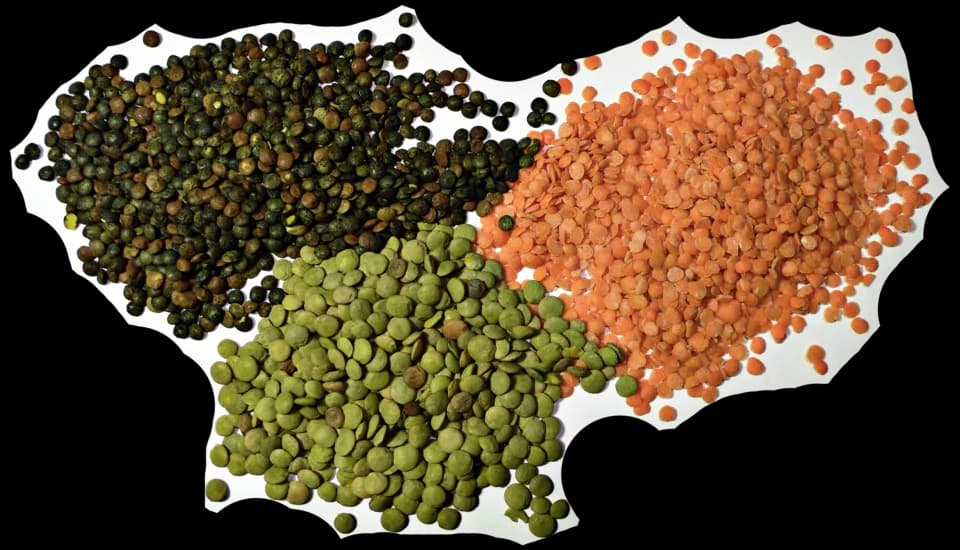
Lentils deliver 8 grams of fiber per half-cooked cup, 18 grams per full cup, plus 9 grams of protein, costing $0.20 per serving. Resistant starch yields a 25% lower post-meal glucose spike than white rice, and each half cup offers 180 micrograms of folate (45% DV). Convenience is unmatched: microwave options like Lentiful mean 20-minute prep. For metabolic and gut health, lentils are the best entry point on this list.
- –
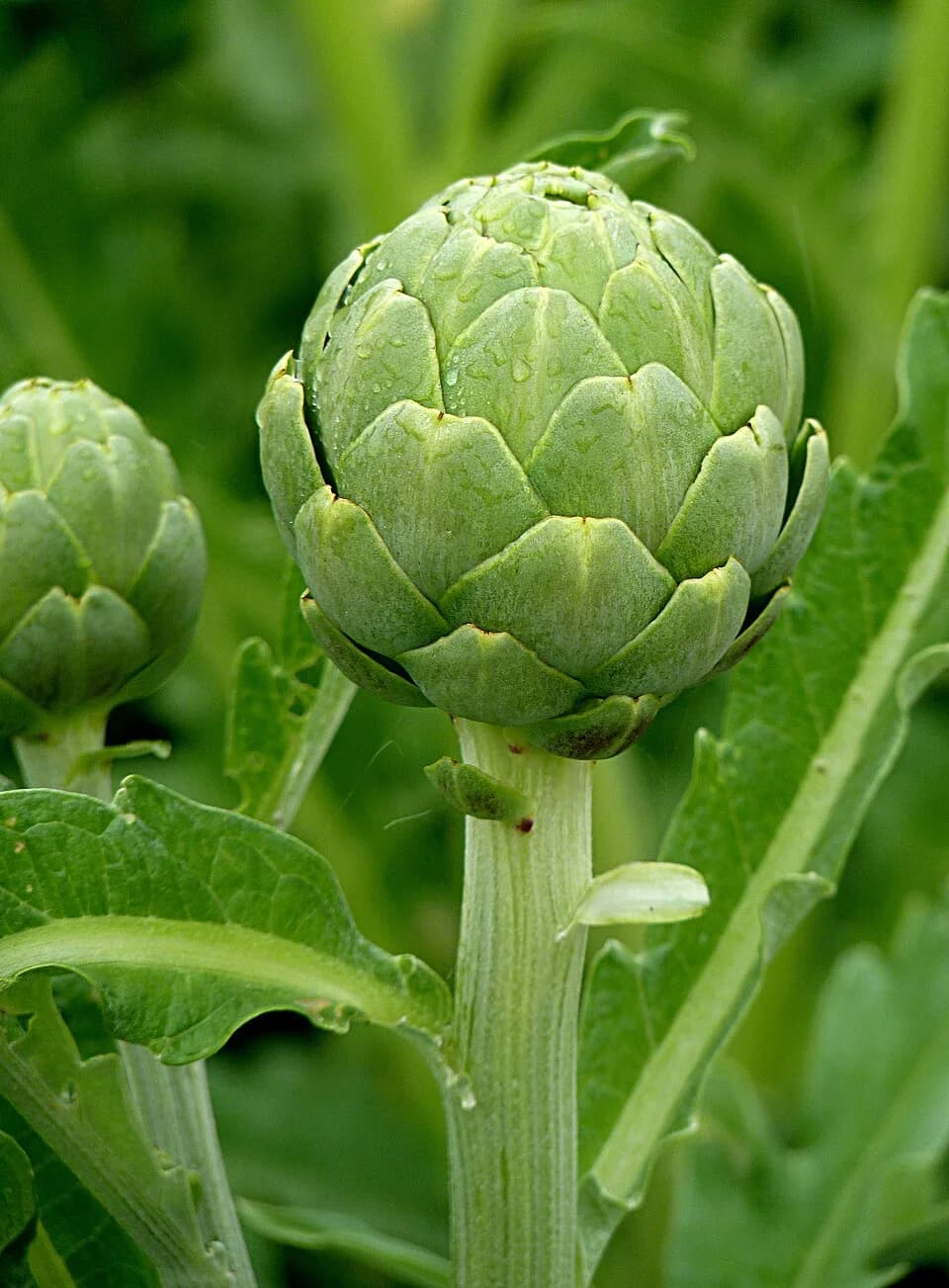
Artichokes lead for targeted butyrate production: a single large artichoke provides 9 grams of fiber with unique inulin that ferments almost exclusively to butyrate, surpassing a full cup of prunes. Artichoke inulin suppresses ghrelin and boosts PYY, with effects overlapping GLP-1 drugs used by 1 in 8 US adults. Chicoric acid further aids blood sugar control, and each artichoke delivers 15 mg of vitamin C and 87 μg of folate. However, artichokes are high-FODMAP, risking digestive discomfort for those with IBS; introduce them after gentler options like oats. Canned hearts in water retain prebiotic inulin affordably.
- –

Chickpeas are a versatile and cost-effective fibermaxxing staple, with about 12.5 grams of fiber and 14.5 grams of protein per cooked cup. Options range from roasted snacks to hummus; canned versions retain fiber, and rinsing cuts sodium by roughly 40%. For fiber-per-dollar, a can over two days is a straightforward intervention.
- –
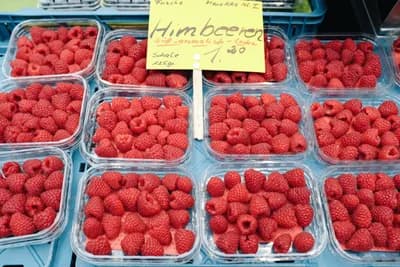
Pectin feeds Bifidobacterium and Lactobacillus, while 32 mg of vitamin C per cup aids iron absorption. Frozen raspberries retain these polyphenols at $0.40 per cup, a cost advantage over fresh without nutritional loss. The ellagitannins and pectin survive freezing intact, ensuring year-round gut support.
- –#8
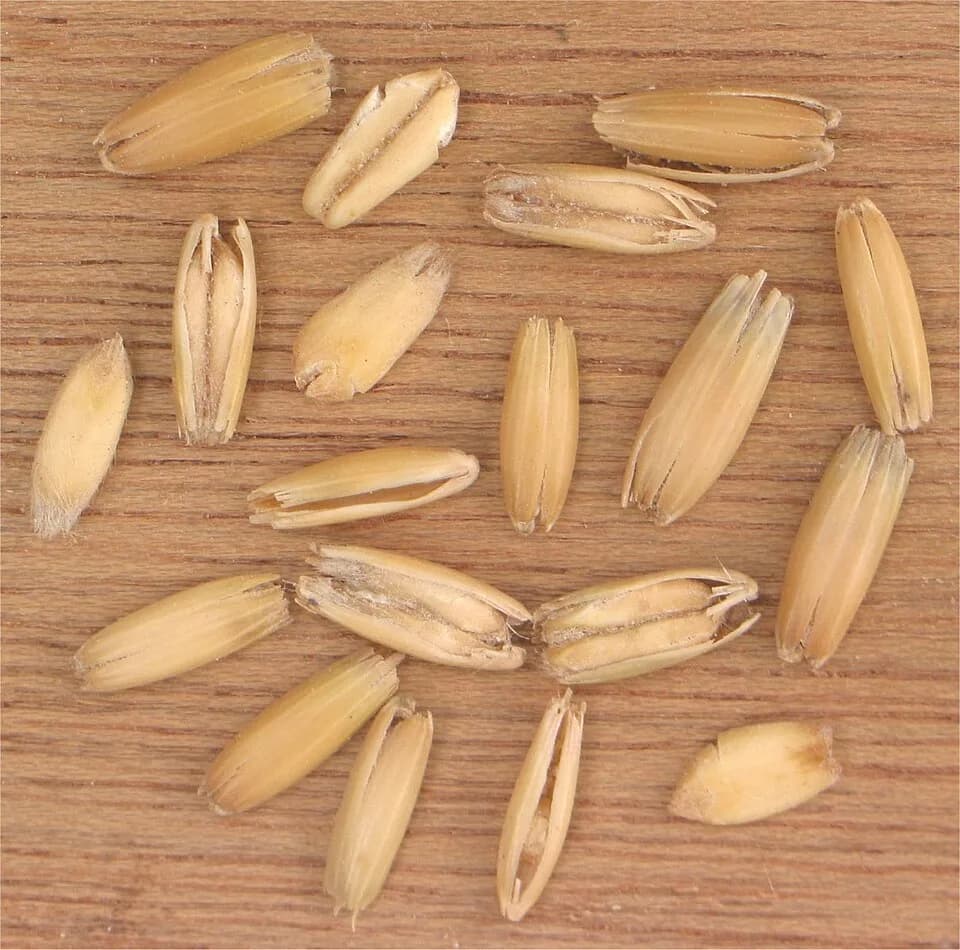
Oats uniquely carry an FDA-approved health claim for cardiovascular risk reduction, backed by beta-glucan that lowers LDL by 5 to 10% and reduces post-meal glucose by 30% in one cooked cup with 8 grams of fiber. Avenanthramides add anti-inflammatory GI benefits. Steel-cut oats boost F. prausnitzii response, with certified gluten-free options available.
- –#10
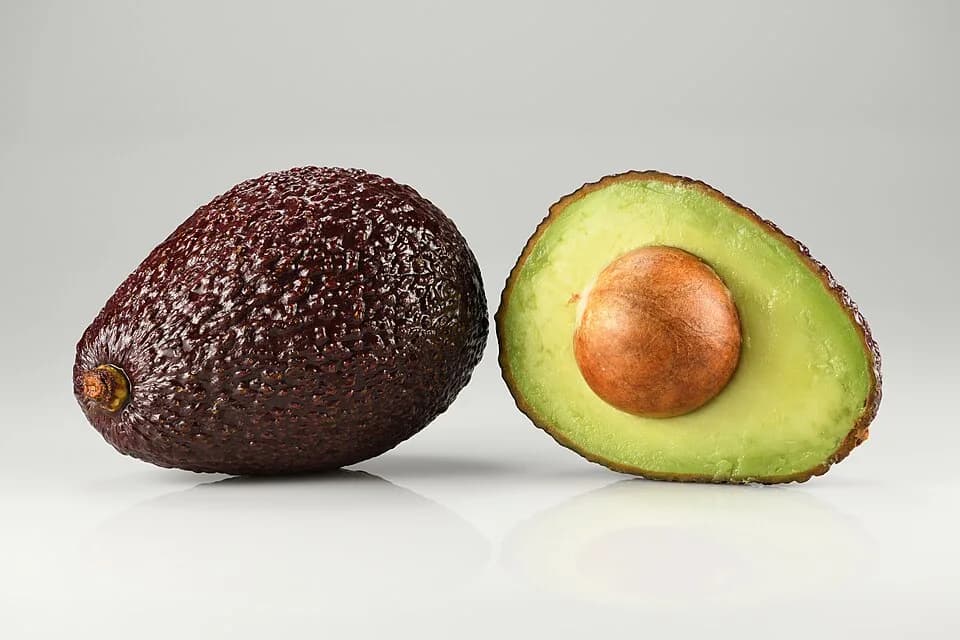
Its monounsaturated fats slow gastric emptying, extending fermentation into butyrate-producing SCFAs, and a half avocado supplies around 364 mg of potassium plus vitamin E. However, its sorbitol can trigger FODMAP-sensitive individuals. Pairing with raspberries and chia pushes breakfast fiber past 25 grams, cementing its versatility for tolerant users.
Soluble vs. Insoluble Fiber: Why the Split Matters
Every food on this list contains both soluble and insoluble fiber, just in different ratios, and the ratio is what determines what the fiber actually does in your gut. Soluble fiber dissolves in water and forms a gel — this is the fraction gut bacteria ferment into short-chain fatty acids like butyrate, and it's also what slows digestion and blunts post-meal blood sugar spikes. Insoluble fiber doesn't dissolve; it adds bulk and speeds transit time through the colon, which is the mechanism behind fiber's laxative effect. A food that's mostly insoluble, like black beans, works differently in your gut than one that's closer to an even split, like chia seeds — which is worth knowing if you're targeting a specific outcome (steadier blood sugar vs. more regular digestion) rather than just a fiber gram total.
Building a Day Around These Foods, Not Just a Serving
The ten items on this list work better in combination than in isolation, because gut bacteria respond to a diversity of fiber types, not just a total gram count. Pairing a legume (lentils, split peas, chickpeas, black beans) with a fruit or seed at a different meal — rather than trying to hit a daily target from one mega-serving of a single food — gives the microbiome a wider range of substrates to ferment, and it's also just easier to sustain than one large fiber-heavy meal. Starting with the gentler options on this list (oats, lentils, raspberries) before moving to the more fermentable ones (artichokes, split peas) also matters for anyone new to a high-fiber diet, since a sudden jump in total fiber is what causes the bloating and gas that make people abandon the approach in the first week.
Image credits
- Chia Seeds: Wikipedia / Chia_seed (entity-adopted)
- Split Peas: Wikipedia / Split_pea (entity-adopted)
- Black Beans: Bing Images / sankhyasagar.com
- Lentils: Wikipedia / Lentil (entity-adopted)
- Artichokes: Wikipedia / Artichoke (entity-adopted)
- Chickpeas: Wikipedia / Chickpea (entity-adopted)
- Raspberries: ready made / Pexels
- Oats: Rasbak / CC BY-SA 3.0 (entity-adopted)
- Barley: Wild barley grains.jpg / Wikimedia Commons (entity-adopted)
- Avocado: Ivar Leidus / CC BY-SA 4.0 (entity-adopted)
Related Videos
Frequently asked questions
What is fibermaxxing?
Fibermaxxing is the practice of intentionally maximizing daily dietary fiber intake through whole foods to optimize gut microbiome diversity, digestion, and overall health. It typically involves targeting 35–50+ grams of fiber per day from a variety of plant-based sources.
Which foods are best for fibermaxxing?
The top fibermaxxing foods include legumes (lentils, black beans, chickpeas), whole grains (oats, barley), seeds (chia, flaxseed), vegetables (artichokes, broccoli, carrots), and fruits (avocados, raspberries, pears), which collectively deliver both soluble and insoluble fiber for maximum gut benefit.
How does a high-fiber diet improve gut health?
A high-fiber diet feeds beneficial gut bacteria, promoting the production of short-chain fatty acids (SCFAs) like butyrate, which reduce gut inflammation, strengthen the intestinal lining, and support a balanced microbiome. Research in 2025–2026 consistently links higher fiber intake to reduced risk of colorectal cancer, IBS symptom relief, and improved immune function.
How much fiber should you eat per day for gut health benefits?
Most health organizations recommend at least 25–38 grams of fiber per day for adults, though emerging gut health research suggests 35–50 grams from diverse plant sources delivers the greatest microbiome-boosting benefits. Most people currently consume only 10–15 grams daily, leaving significant room for improvement.
Can you eat too much fiber?
Yes — drastically increasing fiber intake too quickly can cause bloating, gas, and digestive discomfort, especially without adequate water intake. It's best to increase fiber gradually by 5 grams per week and drink at least 8 glasses of water daily to allow your gut microbiome time to adapt.
Rank it your way
Remix this list into your own ranking, or head to the play hub for every game mode and community breakdown — blind mode, challenges, tier lists, and more.
You Might Also Like

Top 10 High-Protein Snacks of 2026
Top 10 High-Protein Snacks of 2026

Top 10 Street Food Cities That Destroy Michelin Stars
Top 10 Street Food Cities That Destroy Michelin Stars
Top 10 GLP-1 Friendly Foods You Will Actually Enjoy Eating
Top 10 GLP-1 Friendly Foods You Will Actually Enjoy Eating
Top Craft Breweries — Oregon — October 2026
#1 10 Barrel Brewing Co · #2 10 Barrel Brewing Co - Bend Pub · #3 1188 Brewing Co
Top Craft Breweries — Asheville — October 2026
#1 Archetype Brewing · #2 Asheville Brewing Co · #3 Ben's Tune-Up / Ben's Beer
Top 10 Regional Thalis of India 2026
#1 Gujarati Thali · #2 Rajasthani Thali · #3 Bengali Thali