Wikipedia
Top 10 Oscar Best Picture Winners of All Time — Ranked by Legacy and Impact
Let's be honest: the Academy doesn't always get it right. Oscar voters have routinely bypassed visionary work in favor of safe, forgettable crowd-pleasers - Citizen Kane lost to How Green Was My Valley, Goodfellas lost to Dances with Wolves, and the list of misses is long. But when the Academy does hit the mark, it cements the legacy of films that genuinely redefine the medium. Stripping away the Hollywood politics and the red-carpet campaigns, here are the ten most deserving Best Picture winners of all time - movies that didn't just win a trophy but actively changed the landscape of cinema, from a 1946 drama about veterans nobody wanted to talk about to the first non-English-language winner in the Academy's history.
Top10Grid lets the community re-rank anything — this order is our editors' pick for now; use the buttons below to vote it up or down.

Current Rankings
- –#1

Bong Joon-ho's Parasite became the first film not in the English language to win Best Picture, breaking a ceiling that had stood through all 92 Academy Awards ceremonies. It took four Oscars that night - Picture, Director, Original Screenplay and International Feature - and the class-warfare premise earns every one: the destitute Kim family cons its way into the employ of the wealthy Parks one member at a time, and the film shifts register from dark comedy to family drama to something close to horror without a visible seam. The architecture does the arguing, with the Parks' hillside house and the Kims' semi-basement flat staged as a literal vertical hierarchy that a single night of rain collapses. It changed what Academy voters were willing to consider.
- –
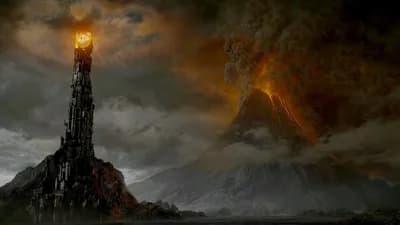
Peter Jackson's The Return of the King won all eleven categories it was nominated in, a perfect sweep no other film in Oscar history has managed - Ben-Hur and Titanic share the eleven-win record, but neither went undefeated. The result was a watershed. Fantasy and the effects-driven blockbuster had long been treated as craft-category fare, welcome in sound and makeup but not in the top race, and the Academy reversed itself in a single evening. It was also plainly a vote for the whole trilogy rather than one film, a career award wearing a Best Picture sash; both readings are true at once. What survives the argument is the filmmaking - Gollum's performance capture, the siege of Minas Tirith, and a coda that risks four endings and earns them.
- –
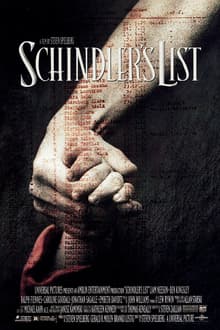
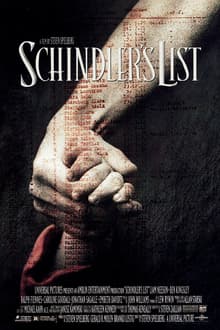
Steven Spielberg shot Schindler's List largely in stark black-and-white on handheld cameras, borrowing the grammar of newsreel and documentary to stop the Holocaust from looking like a movie - the few color inserts, the girl in the red coat above all, land as ruptures precisely because everything around them refuses color. The arc belongs to Oskar Schindler, a Nazi party member and war profiteer who staffed his enamelware factory with Jewish labor because it was cheap, and who ended the war having spent his fortune keeping roughly 1,200 people alive. Spielberg took no salary, calling it blood money. Seven Oscars from twelve nominations, including Best Picture, Spielberg's first Best Director, and Janusz Kaminski's cinematography.
- –
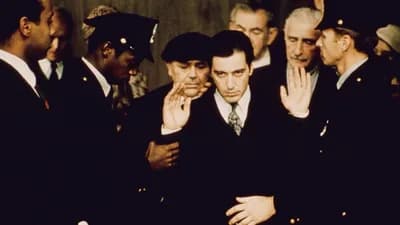
The first sequel ever to win Best Picture, and the rare one that indicts its predecessor. Francis Ford Coppola runs two stories in parallel: Robert De Niro's young Vito Corleone building a family in 1910s New York, and Michael Corleone methodically dismantling that same family half a century on. The structure is the argument - every warm scene of the father is cut against a colder one of the son, until the myth the first film built reads as an alibi. It is longer, slower and far more punishing than The Godfather, closing not on a coronation but on a man sitting alone at Lake Tahoe having ordered his own brother killed. Six Oscars, including Director for Coppola and Supporting Actor for De Niro - who won playing a role Marlon Brando had already won for.
- –
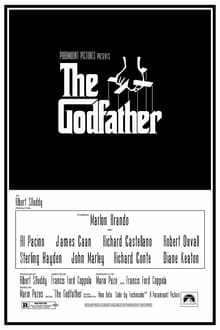
Paramount wanted something cheap. After its previous gangster picture flopped, the studio planned a contemporary-set story shot on the backlot for around $2.5 million and put an executive on set to watch the spending; Francis Ford Coppola, who believed he could be fired any week, fought for period New York and Sicily and a budget that ran past six million. What he delivered is less a crime film than an American tragedy about capitalism - a family business that launders murder through the language of loyalty, obligation and nothing personal. Michael's descent is the whole design: the war hero who wanted no part of the family ends the film accepting a hand-kiss as Don. Three Oscars, including Best Actor for Marlon Brando, who refused his.
- –
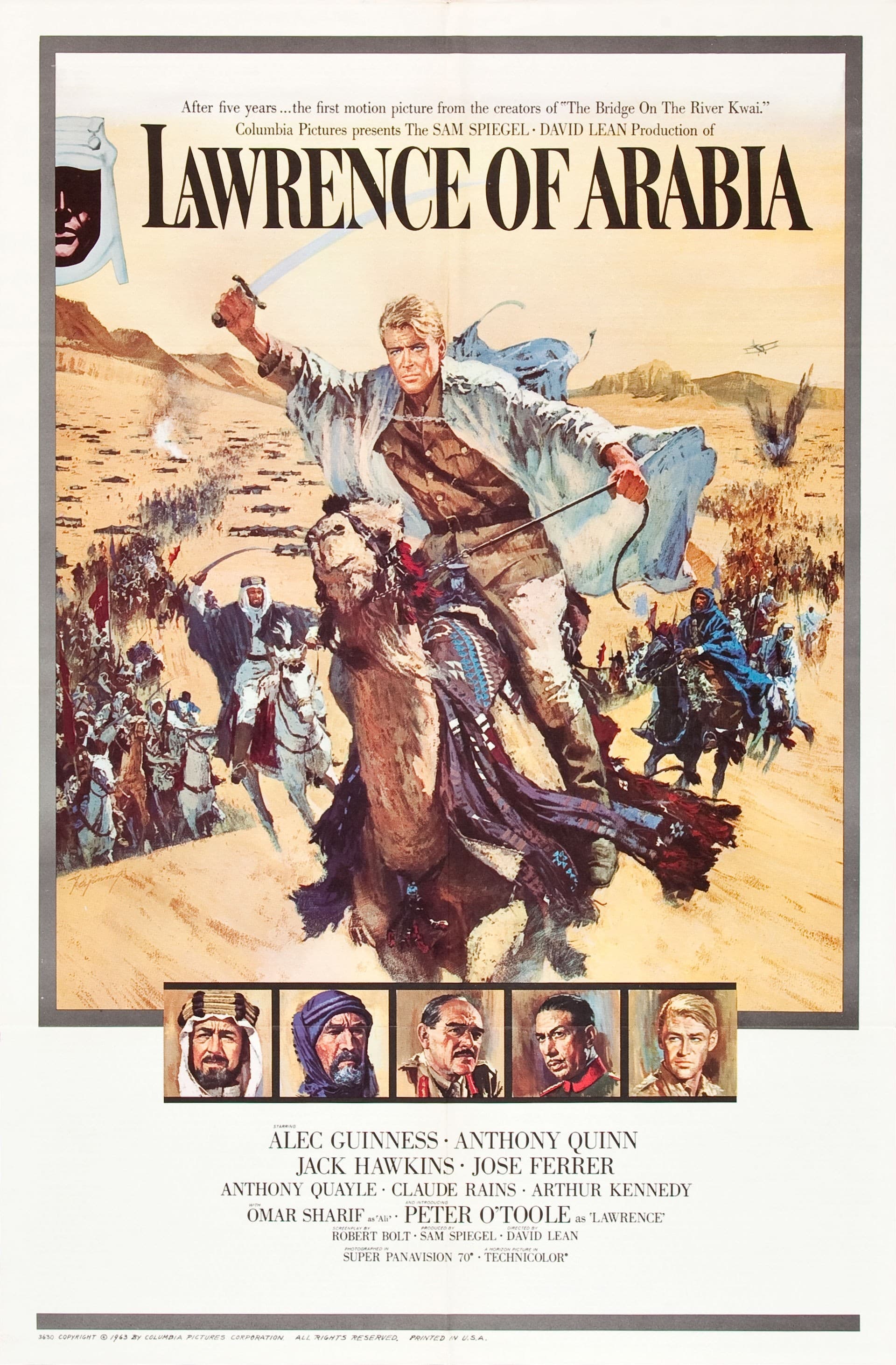
The gold standard against which every subsequent epic is measured, and the best argument for why some films cannot survive a phone screen - David Lean and cinematographer Freddie Young stage the desert in 70mm as a space vast enough to erase a man, then hold the shot long enough that you feel it happen. What keeps this from being scenery is Lean's refusal to resolve his subject. Peter O'Toole's T.E. Lawrence is a contradictory enigma: a British officer championing Arab independence on behalf of an empire that has already privately carved up the territory, a man appalled by violence who discovers he enjoys it, finally consumed by the myth he helped build. Seven Oscars from ten nominations. O'Toole was not among the winners, losing Best Actor to Gregory Peck.
- –
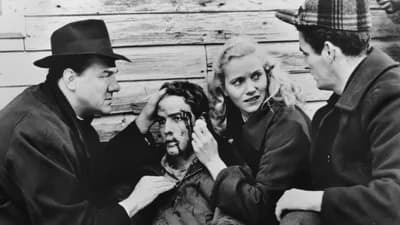
Marlon Brando's Terry Malloy permanently altered what screen acting could be - the mumble, the hesitation, the business with Eva Marie Saint's glove that Brando improvised and Elia Kazan kept: an interior performance in a medium that until then had rewarded projection. The taxi scene with Rod Steiger remains the most quoted two minutes in American film. Around it Kazan built a hard story about mob control of the New York docks, scored by Leonard Bernstein in the only music he composed directly for the screen rather than adapting from his own stage work. The film is inseparable from Kazan naming names to the House Un-American Activities Committee two years earlier, and critics have long read Terry's decision to inform as its director's self-defense. Eight Oscars.
- –
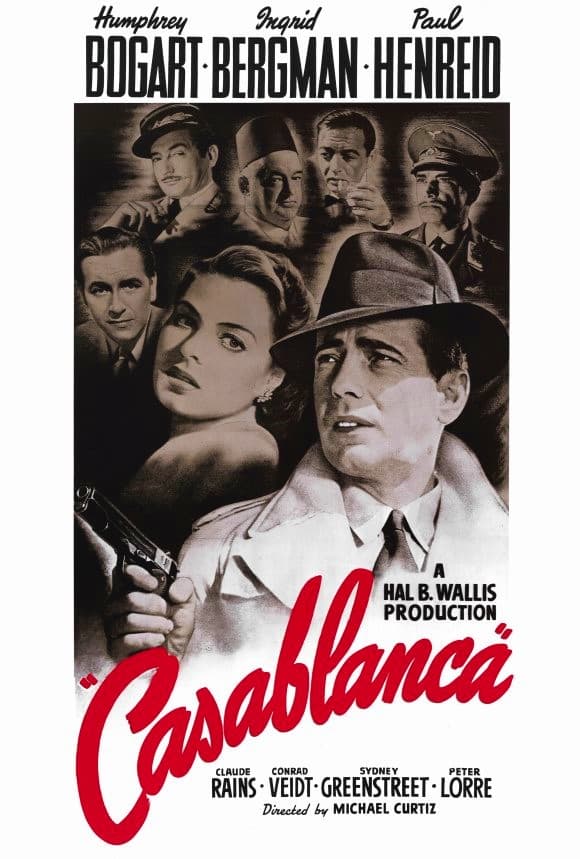
Wartime propaganda that outlived its war. Michael Curtiz's film exists to argue that American neutrality was untenable, and it makes the case through a cynic - Rick Blaine, who insists he sticks his neck out for nobody and spends the picture proving otherwise. What preserves it is the refusal of a neat ending: Rick puts Ilsa on the plane with her husband, gets nothing for it, and walks off into the fog beside a corrupt police captain. The romance works because it is denied. Shot on Warner Bros. soundstages with a largely European emigre cast, many of them genuine refugees, it premiered in New York in November 1942 but went into general release in January 1943 - which is why it took Best Picture at the 1944 ceremony. Three Oscars, including Director for Curtiz.
- –
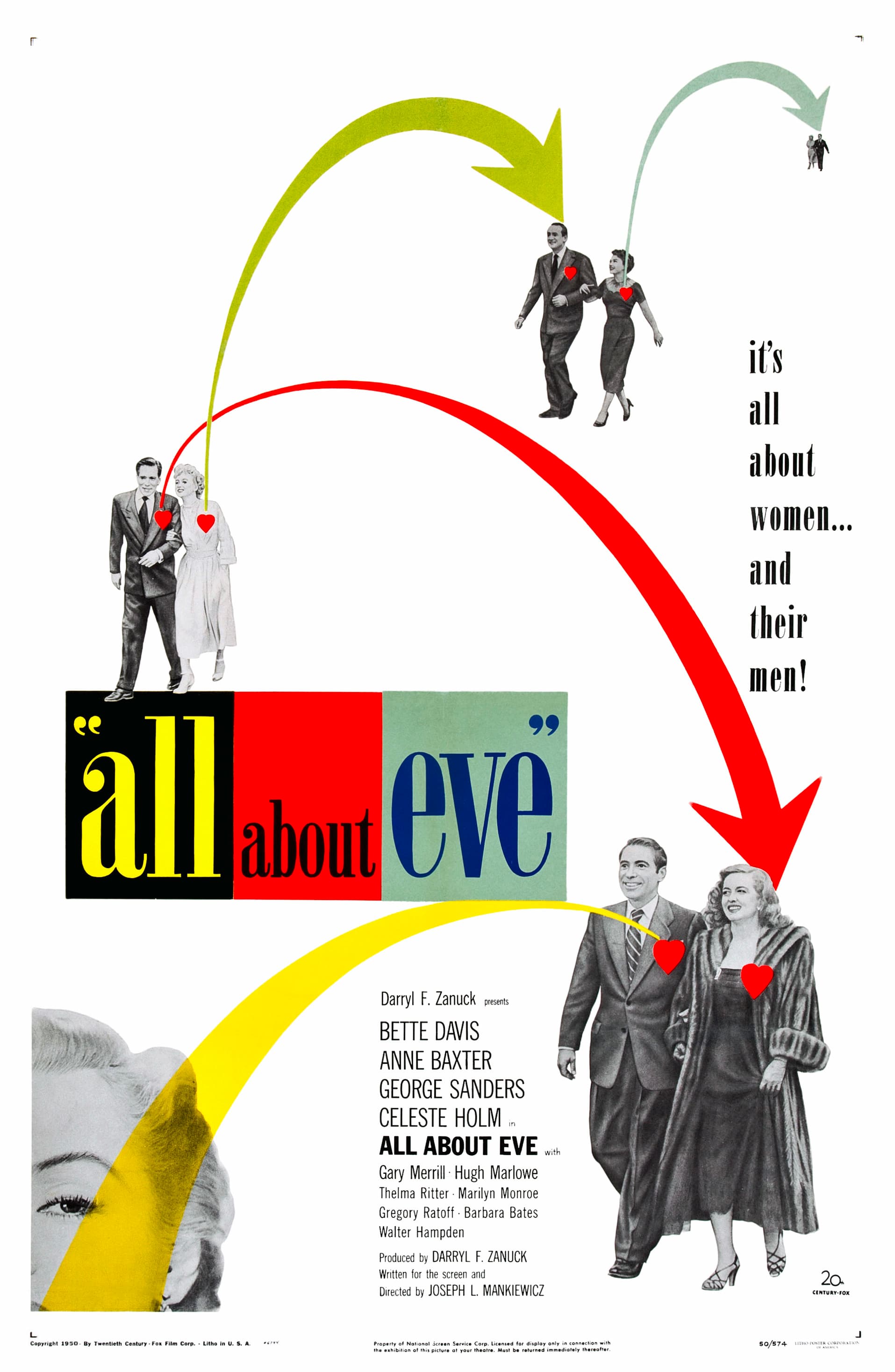
The definitive Hollywood satire, though it is really about the theatre and, underneath that, about what the industry does to actresses who age. Bette Davis's Margo Channing is forty and knows the parts are drying up; Anne Baxter's Eve Harrington is the adoring fan who talks her way into Margo's dressing room and then into her roles. Joseph L. Mankiewicz's script is the most quotable in American film and never lets you settle - almost everyone narrates, and nobody is reliable. It drew fourteen Academy Award nominations, a record that stood for decades, and it remains the only film ever nominated in four female acting categories. Davis and Baxter cancelled each other out and both lost. Six wins, including Mankiewicz for both Director and Adapted Screenplay.
- –
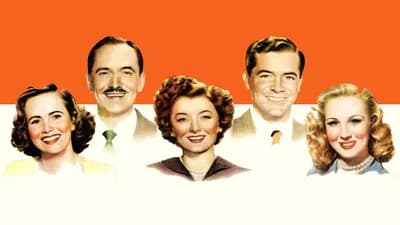
Released barely a year after the war ended, William Wyler's film asked the audience filling the seats a question nobody had put to them yet: what happens once the parade is over. Three servicemen come home to the same Midwestern town - an infantry sergeant who cannot stop drinking, a decorated bombardier reduced to a drugstore counter and a marriage to a stranger, and a sailor who lost both hands. Wyler, who had flown bombing missions and come back partly deaf, sugarcoats none of it: the shell shock, the unemployment, the disability handled without pity. Harold Russell, who plays the sailor, was a real veteran and double amputee with no acting training, and the Academy voted him an honorary award assuming he could not win - then he won Best Supporting Actor anyway. Seven Oscars.
Frequently Asked Questions About Oscar Best Picture Winners
Which film has won the most Academy Awards? Ben-Hur (1959), Titanic (1997), and The Return of the King (2003) each won 11 Oscars — the latter two also claimed Best Picture.
Has a non-English-language film won Best Picture before Parasite? No. Parasite (2019) was the first non-English-language film to win Best Picture in the Academy's 92-year history at that time.
Which Best Picture winner has the highest Rotten Tomatoes score? Casablanca holds a near-perfect 99% critics score on Rotten Tomatoes, the highest among Best Picture winners.
How did we rank these films? We weighed critical scores (Rotten Tomatoes, Metacritic), cultural staying power, era-adjusted box office, and long-term influence on cinema. Then we opened the vote to you.
Image credits
- Parasite: Wikipedia
- The Lord of the Rings: The Return of the King: TMDB
- Schindler's List: Wikipedia
- The Godfather Part II: TMDB
- The Godfather: Wikipedia
- Lawrence of Arabia: Wikipedia
- On the Waterfront: TMDB
- Casablanca: Wikipedia
- All About Eve: Wikipedia
- The Best Years of Our Lives: TMDB
Related Videos
Frequently asked questions
What are the most acclaimed Oscar Best Picture winners of all time?
Many critics and audiences regularly cite films like 'The Godfather,' 'Casablanca,' 'Schindler’s List,' and 'The Lord of the Rings: The Return of the King' as among the greatest Best Picture winners.
How is 'greatest' determined when ranking Oscar Best Picture winners?
Rankings typically consider critical consensus, cultural impact, historical significance, and enduring popularity, often drawing from polls of critics and industry professionals.
Has any Best Picture winner won all major categories?
Only three films have won Best Picture plus all four acting, directing, and screenplay Oscars: 'It Happened One Night,' 'One Flew Over the Cuckoo’s Nest,' and 'The Silence of the Lambs.'
Do most top 10 lists include recent winners?
While many lists include classics, recent winners like 'Parasite' and 'Everything Everywhere All at Once' have also been hailed as instant classics, though older films dominate most 'greatest of all time' rankings.
Rank it your way
Remix this list into your own ranking, or head to the play hub for every game mode and community breakdown — blind mode, challenges, tier lists, and more.
You Might Also Like
Top 10 Greatest Films of All Time
Top 10 Oscar Best Picture Winners of All Time — Ranked by...

Top 10 Best Movies of the 2010s
Top 10 Best Movies of the 2010s
Top 10 Best Oscar-Winning Films of All Time
Top 10 Best Oscar-Winning Films of All Time

Top 10 Movie Franchises That Got Better With Each Sequel
#1 Mad Max Franchise · #2 Planet of the Apes (Reboot Trilogy) · #3 Mission: Impossible

Top 10 Worst CGI in Movies
#1 Cats (2019) · #2 Black Panther — Killmonger Fight (2018) · #3 The Scorpion King in The Mummy Returns (2001)

Top 10 Best Comedy Films of All Time
#1 Some Like It Hot (1959) · #2 Dr. Strangelove (1964) · #3 Annie Hall (1977)