





Song
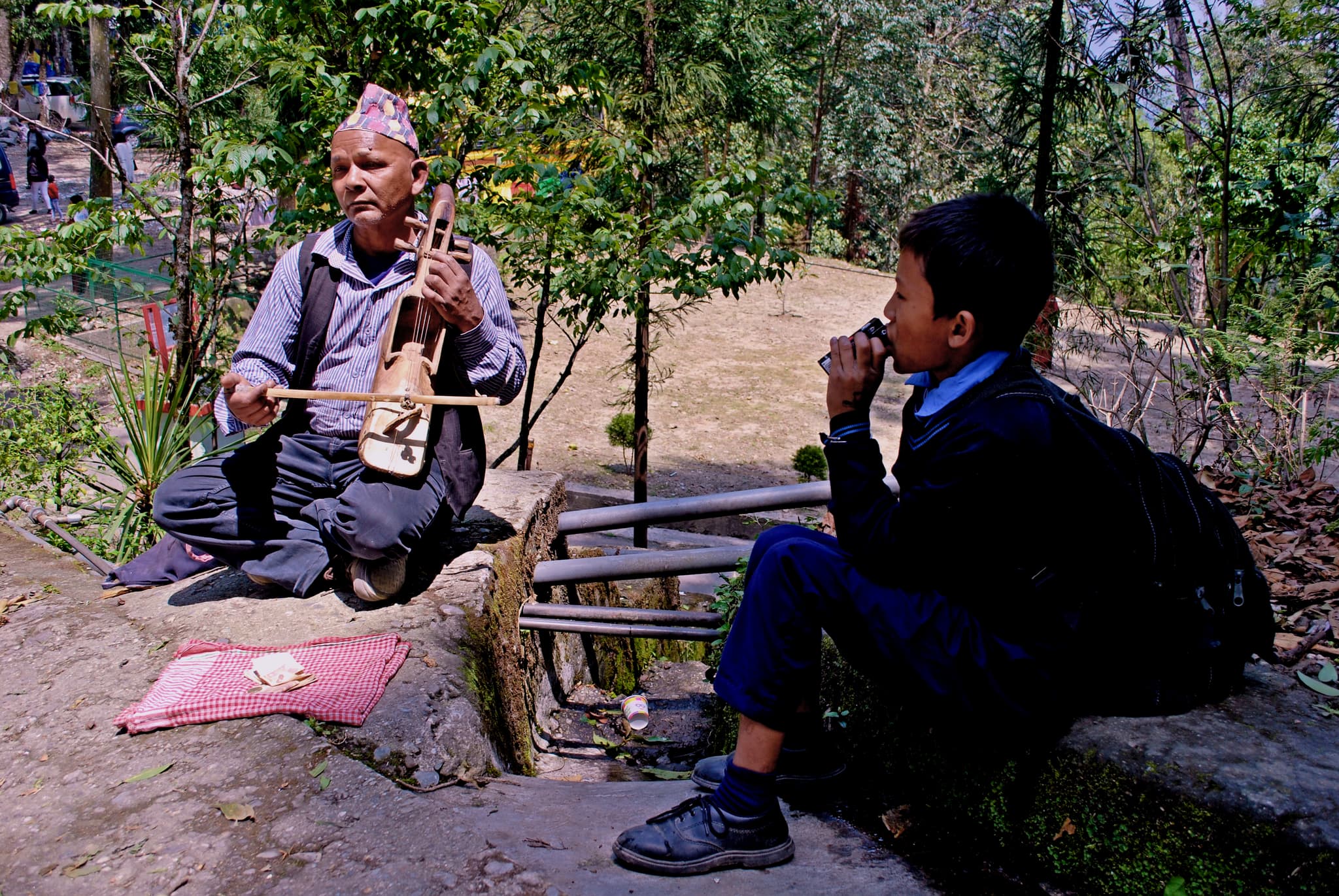
Top 10 Indian Classical Music Forms and Traditions
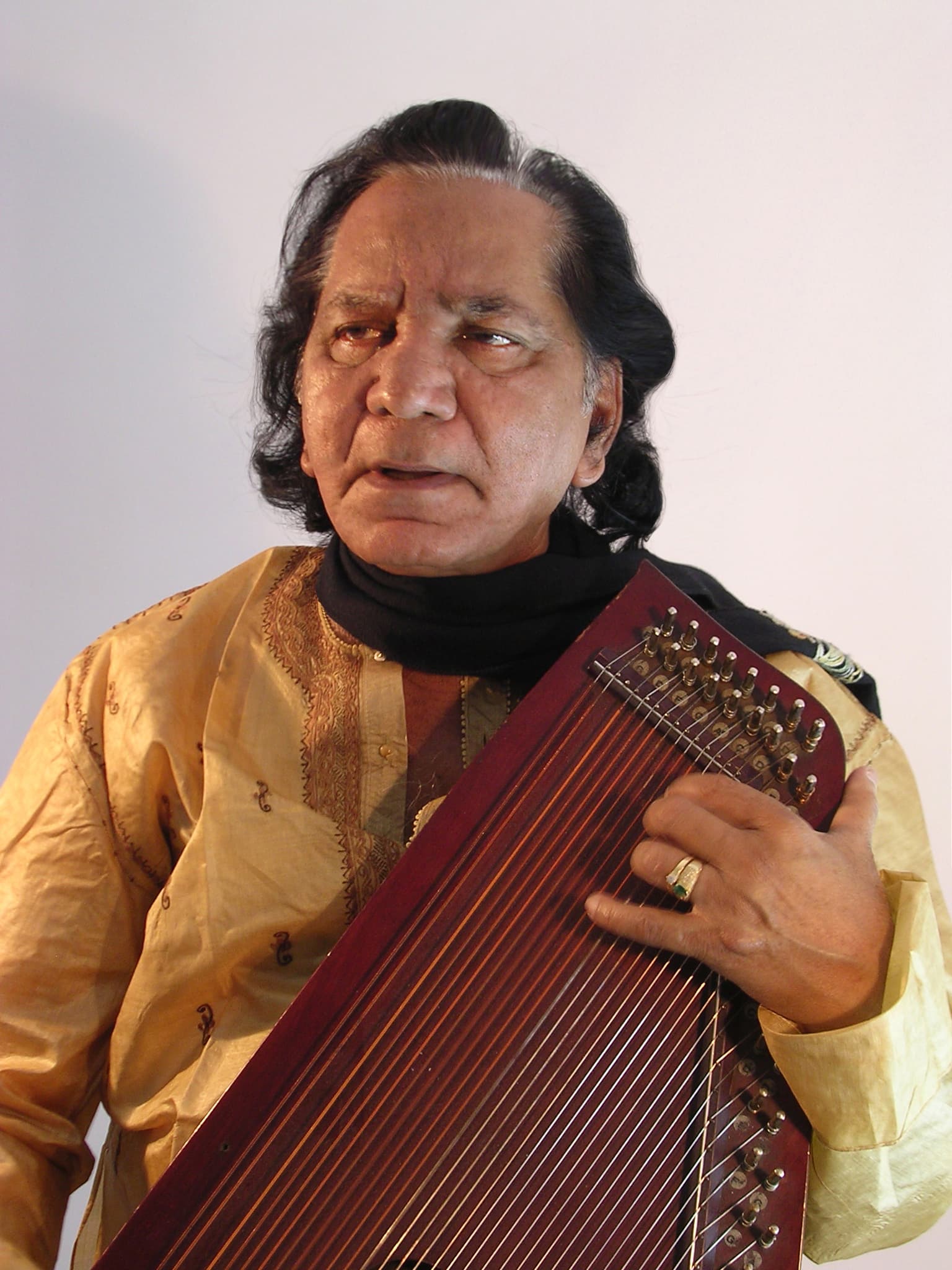
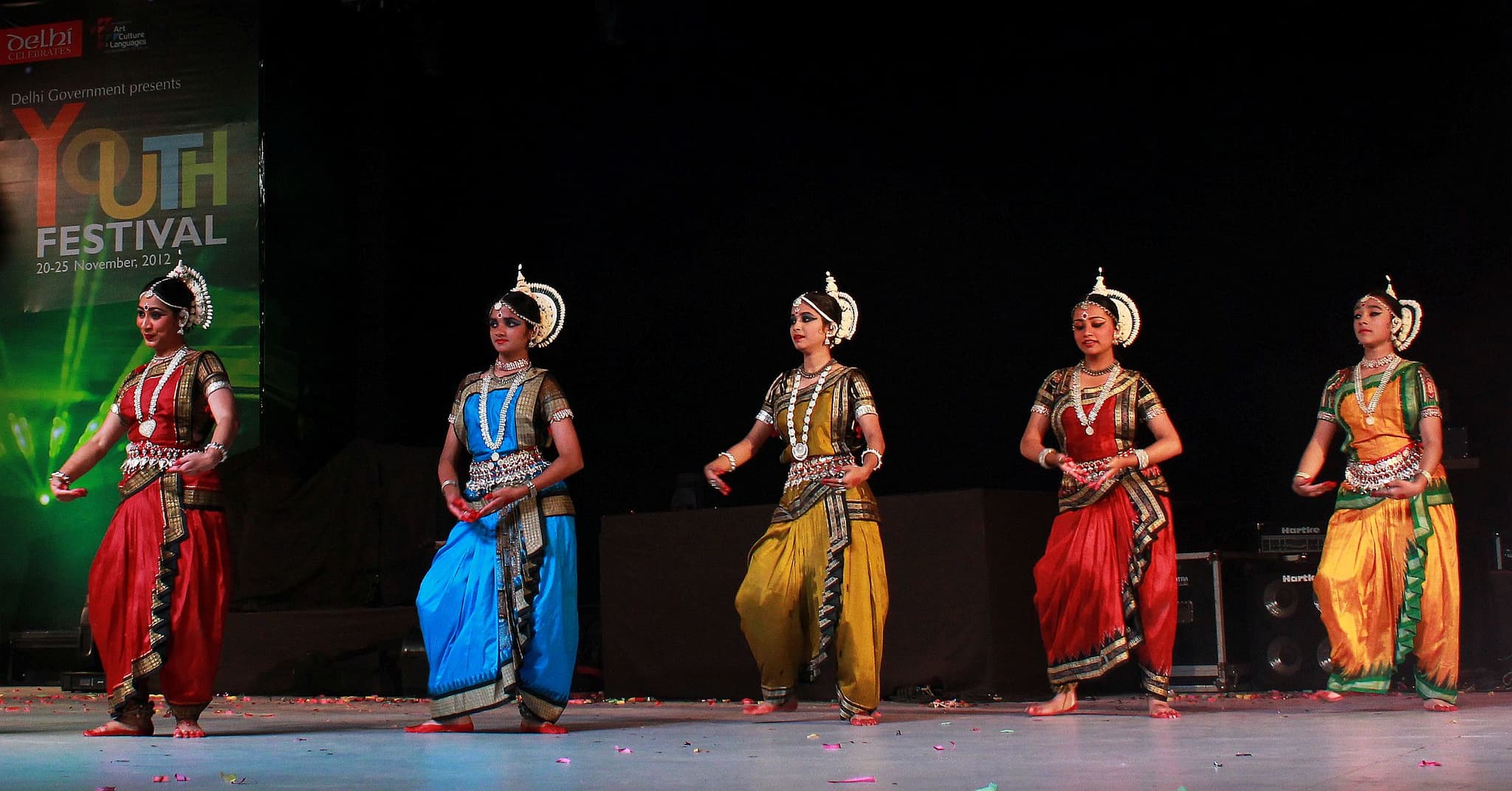
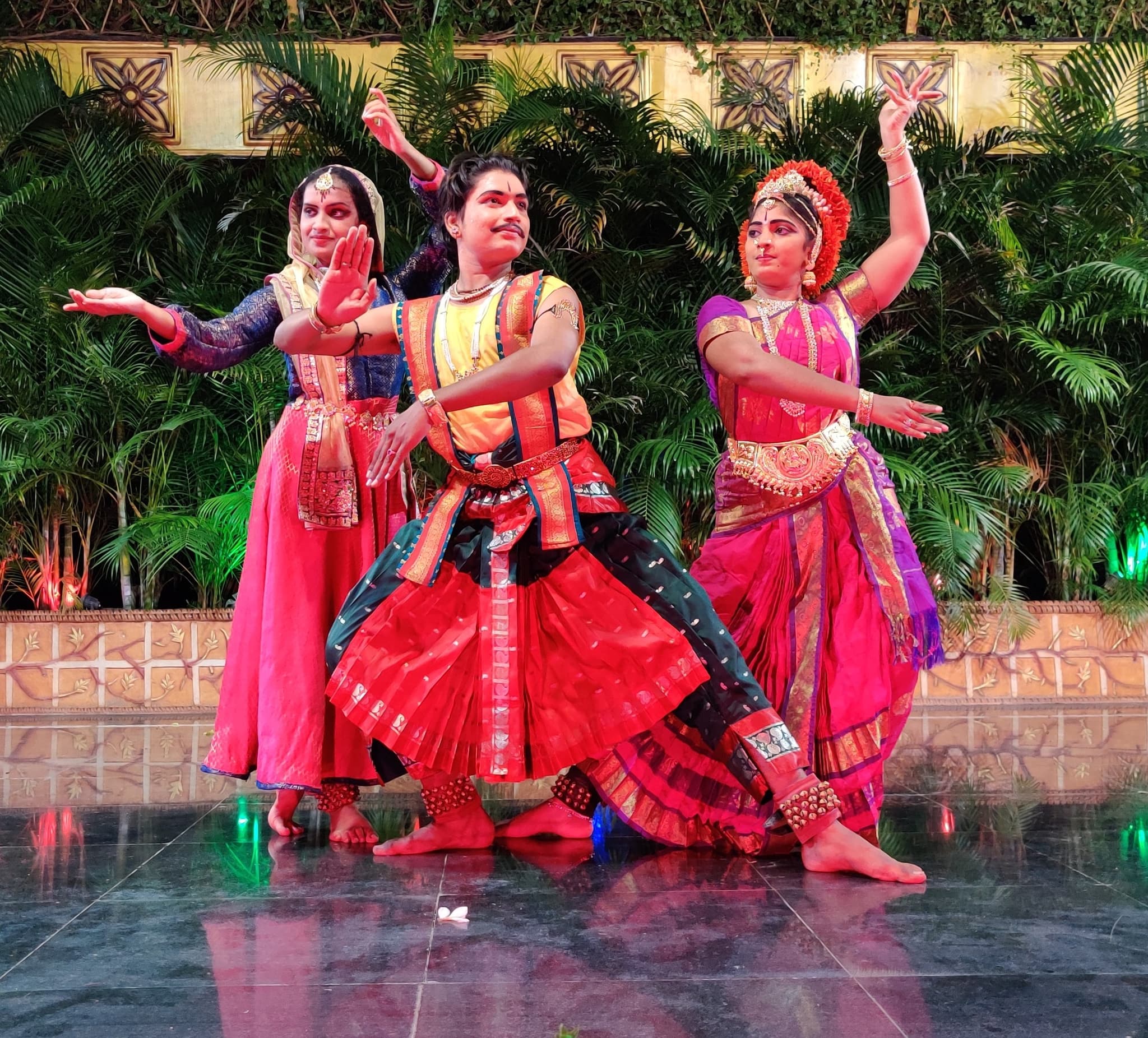
India's classical music traditions are among the oldest and most sophisticated in the world, with the foundational text on Indian performing arts, the Natya Shastra, dating back to between 200 BCE and 200 CE. The two major classical systems — Hindustani from North India and Carnatic from South India — have given rise to hundreds of distinct forms, ragas, and performance traditions that continue to evolve and attract global audiences. UNESCO has inscribed several Indian classical music traditions on its Intangible Cultural Heritage lists, recognising their universal cultural significance.
Location: IN2026110 views
Top10Grid rankings are decided by votes, not algorithms — use the buttons below to move this list.
Music
Top 10 lists about this release
Current Rankings
Vote items up or down — rankings update instantly
Get the weekly music rundown
Only lists published since the last email. Join the early readers.
- Only Top 10s published in the last 7 days
- One email a week — and none at all in a week with nothing new
- Unsubscribe in one click
No spam. One email per week. Unsubscribe anytime.
Frequently Asked Questions About Indian Classical Music
What is the difference between Hindustani and Carnatic classical music? Hindustani music (North India) absorbed Persian and Mughal influences from the 13th century onward, producing forms like Khayal, Dhrupad, and Thumri. Carnatic music (South India) maintained closer ties to the ancient Sanskrit tradition and centres on the *kriti* — a structured devotional composition with set lyrics. Both systems use *ragas* (melodic scales) and *talas* (rhythmic cycles) but differ in tuning, improvisation style, and repertoire.
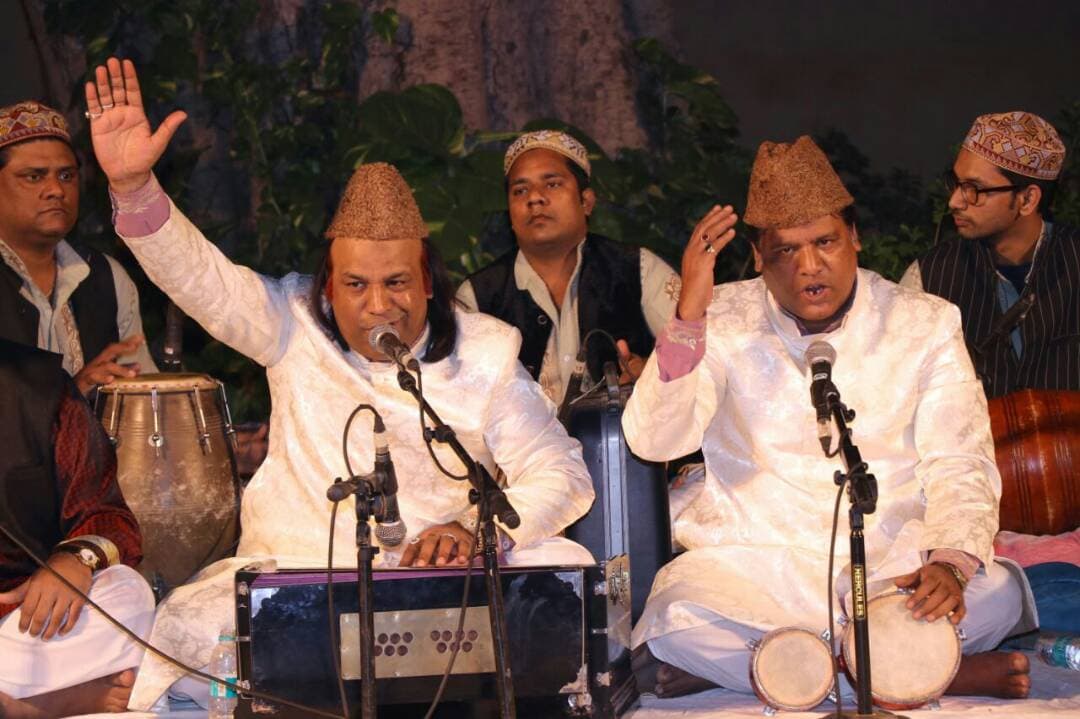
Is Qawwali considered an Indian classical music form? Qawwali is a Sufi devotional genre that draws on Hindustani melodic idioms but is generally classified as semi-classical or devotional rather than strictly classical. It is included here because of its deep roots in the Hindustani tradition and its extraordinary global reach.
Where can I learn more? The [Sangeet Natak Akademi](https://sangeetnatak.gov.in) — India's national academy of music, dance, and drama, established by an Act of Parliament — maintains authoritative records of recognised classical forms and their living practitioners.
Readers Also Ranked
More Lists Like This

All That Jazz: The Most-Downloaded Recordings in the Archive
- #1Curses From Past Times by ProleteR
- #2Free 20s Jazz Collection by Gathacol Radio
- #3Jazz Selection by Varios Autores

The Grateful Dead Vault: The Band's Most-Relived Concerts
- #1Cornell University, Barton Hall — May 8, 1977
- #2RFK Stadium, Washington D.C. — June 10, 1973
- #3Dane County Coliseum, Madison — February 15, 1973
Three Chords and the Truth: 10 Punk Records That Meant It
- #1Never Mind the Bollocks Here's the Sex Pistols — Sex Pistols
- #2London Calling — The Clash
- #3Nevermind — Nirvana
Heartache and Highways: 10 Country Albums Built to Last
- #1At Folsom Prison — Johnny Cash
- #2Harvest — Neil Young
- #3Red Headed Stranger — Willie Nelson
Frequently asked questions
What are the two main traditions of Indian classical music?
Indian classical music is broadly divided into Hindustani classical music from North India and Carnatic classical music from South India, each with distinct styles, ragas, and performance practices.
What is a raga?
A raga is a melodic framework in Indian classical music, defined by a specific set of notes, ascending and descending patterns, and emotional mood, used as a basis for improvisation and composition.
What is a gharana in Hindustani classical music?
A gharana is a lineage or school of Hindustani classical music that preserves and transmits a distinct stylistic tradition, including specific techniques, repertoire, and performance aesthetics.
What are the primary instruments used in Indian classical music?
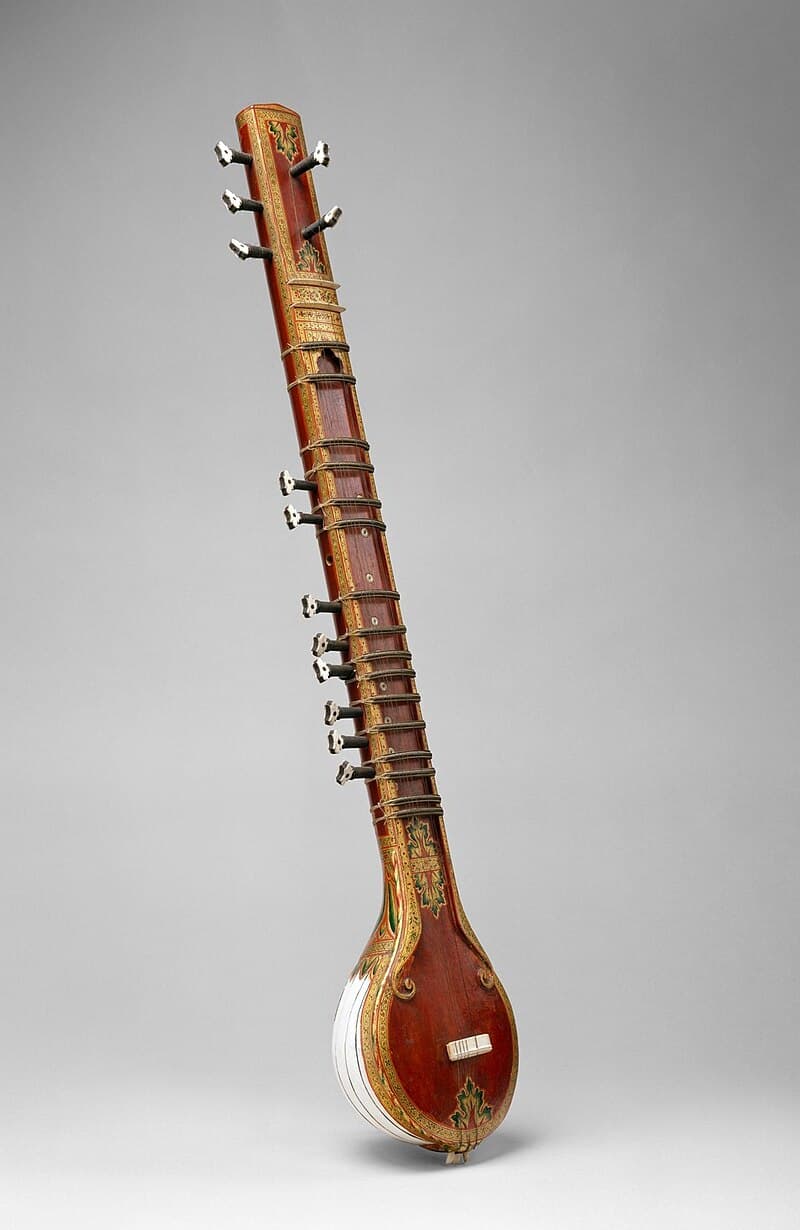
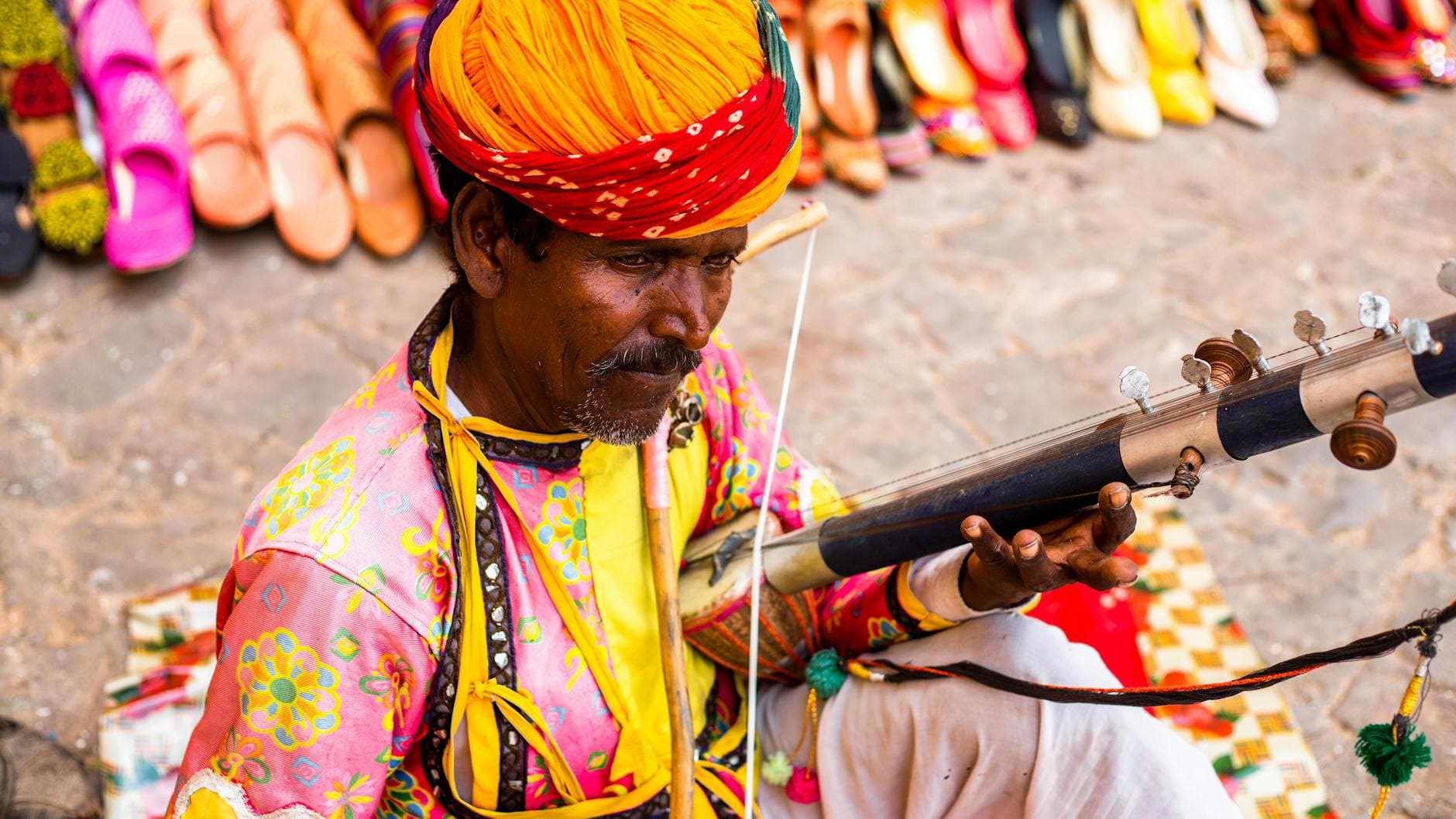
Common instruments include the sitar, sarod, veena, and flute for melody, and the tabla, mridangam, and pakhavaj for rhythm, varying between Hindustani and Carnatic traditions.
Discussion
Have a take on this ranking?
Comments are how the argument actually happens here. Posting one needs a free account — it takes about a minute.
No comments yet.
The first comment sets the terms of the argument.
Would your top 10 look different?
Publish your own ranking of this topic. Your list gets its own page, and readers vote on it the same way you just voted on this one.
Build your own Top 10More Songs Rankings
6
Top 10 Greatest Rap Albums of All Time
272 views · @admin
Top 10 Trending Songs on Spotify (May 19-25, 2026)
289 views · @admin
Top 10 Techno Clubs in Berlin 2026
307 views · @admin
Top 10 Most Streamed Songs on Spotify in 2025
389 views · @admin
Top 10 Most Streamed Songs on Spotify (All Time)
564 views · @admin
🎵
Top 10 Apple Music — Top Songs (GB) — October 2, 2026
4 views · @admin
You might also want to rank…
 Top 10 K-Pop Solo Artists
 Top 10 Most Influential Music Producers Ever
 Top 10 Albums That Aged Like Milk
 Top 10 Greatest Classical Compositions of All Time
Explore more Music rankings on Top10Grid
People Also Explore
Because you're viewing Music
You might also like
MUSICSame type
Top 10 Most Polarizing Music Opinions
10 items
MUSICSame type
Top 10 Most Debated: Best Genre of Music
10 items
MUSICSame type
Top 10 Mexican Music Genres
10 items
MUSICSame type
Top 10 Most Controversial Song Lyrics
10 items
MUSICSame type
Top 10 Mexican Music Legends
10 items
MUSICSame type
Top 10 African Music Genres
10 items