
Bing Images / images.squarespace-cdn.com
Top 10 Investing Mistakes That Cost Beginners Thousands
The average new investor loses 20% of their portfolio in the first year through avoidable mistakes. These aren't complex financial engineering failures — they're the same ten mistakes that financial advisors, Bogleheads forum regulars, and r/personalfinance have been warning about for decades. Each one is backed by behavioral finance research and real market data. Avoiding all ten won't make you rich, but it'll stop you from making yourself poor.
Top10Grid lets the community re-rank anything — this order is our editors' pick for now; use the buttons below to vote it up or down.

Top 10 Investing Mistakes That Cost Beginners Thousands
Current Rankings
- –
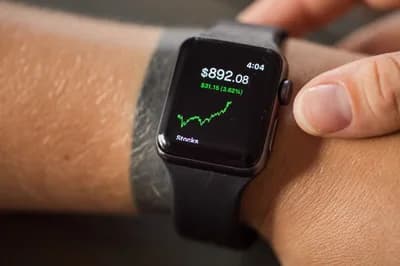
Timing the market is the costliest investing mistake, proven by data: missing the S&P 500’s 10 best days from 2003–2023 slashes annualized returns from 9.8% to 5.6%, and missing 30 best days drops it to just 0.8%. Renowned investor Peter Lynch noted that more money is lost preparing for corrections than in the corrections themselves. The best days often cluster within two weeks of the worst, meaning sellers during crashes consistently miss recoveries. Committing to steady investing avoids the emotional trap that erodes wealth.
- –

Not starting early enough imposes a brutal math penalty: Investor A invests $500/month from age 25 to 35 (total $60,000) and ends with $602,070 at 7% returns, while Investor B starts at 35 and invests $500/month until 65 (total $180,000) but ends with only $566,764. Starting 10 years earlier makes a $15,306 difference despite investing one-third the capital. Einstein called it the eighth wonder of the world—the evidence is clear that time in the market, not timing, builds wealth.
- –
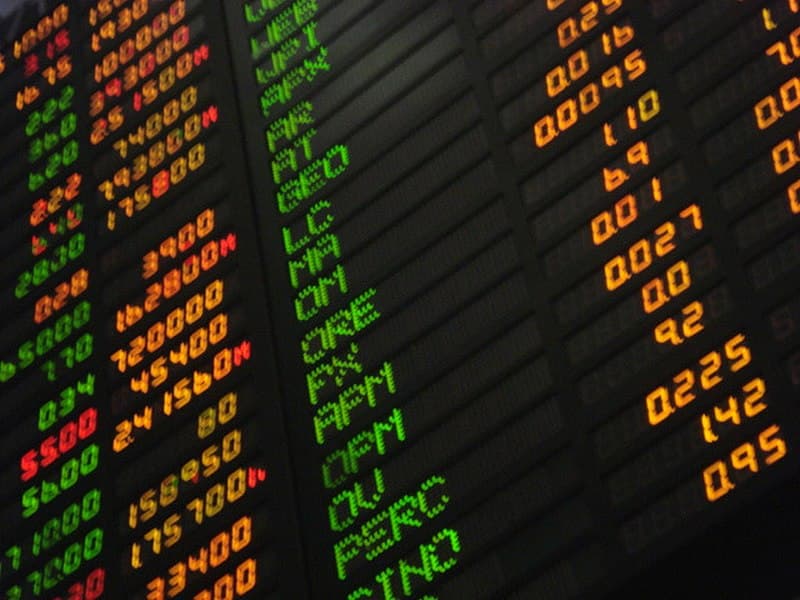
Panic selling during crashes is a costly error: the S&P 500 has crashed 30%+ ten times since 1929, recovering each time in an average of 3.3 years. During the March 2020 COVID crash, investors who sold at a 34% drop missed a 70% recovery within 12 months. Behavioral finance research (Kahneman & Tversky, 1979) shows losses feel 2.5x more painful than equivalent gains, driving emotional decisions. Automating investments and deleting brokerage apps during downturns prevents this 6.4% annual loss.
- –
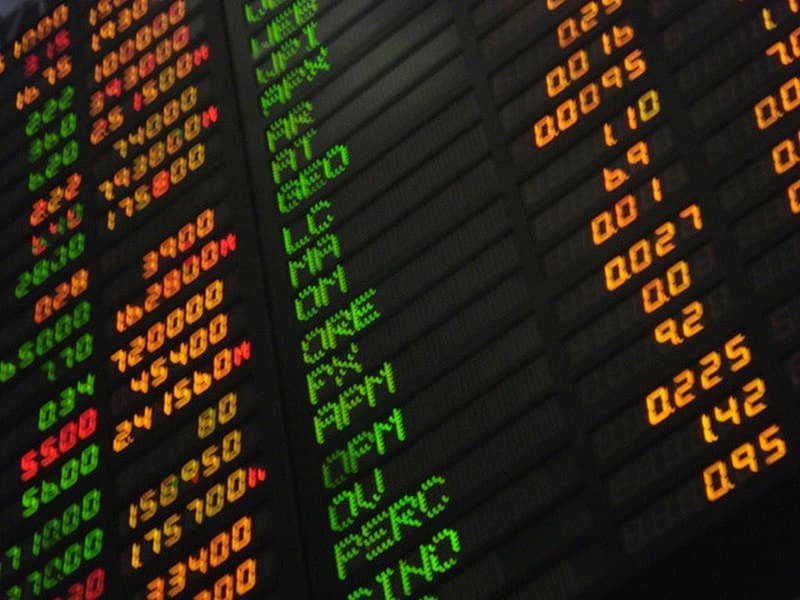
Chasing hot stocks like GameStop, which surged from $20 to $483 in January 2021 before crashing to $40 by February, traps retail investors—most bought between $200–400 and lost 70–90%. AMC and BBBY (now bankrupt) followed identical patterns. The excitement of social media movements feels real, but the returns are not—these bets produce no data-backed edge. Sticking with diversified index funds avoids this volatility trap.
- –

A 1% annual fee can drain over $300,000 in lost returns from a $500,000 portfolio over 30 years at 7% growth, making it far more expensive than the 0.03% charged by index funds like VTI or VOO. Jack Bogle proved low-cost funds beat 85-90% of active managers over 15+ years. Yet average US fund fees are 0.44%, plus 1-1.5% to advisors. The fee drag is invisible but staggering.
- –

Concentrating assets in one stock or sector is gambling, as Enron employees lost everything in 2001 when their 401(k)s held only company stock. Bitcoin hit $69K in 2021, then dropped to $16K in 2022, a 77% loss. Adding VXUS and BND creates a portfolio recommended by Buffett and Bogle. Diversification is the only free lunch in finance.
- –

The 2026 limits are $23,500 for a 401(k) and $7,000 for an IRA, with Roth IRA growth tax-free forever. Investing $23,500/year from age 25 to 65 at 7% returns yields $5.3 million in tax-deferred growth. Day-trading in a taxable account instead wastes free money.
- –

Investing short-term cash in stocks risks locking in losses during a downturn, since annual returns range from -37% to +54%, whereas money needed within 1-2 years earns a safe 5% APY in a high-yield savings account (2026 rates). Rule: stocks for 5+ years, bonds for 3-5, cash for 1-2. Beginners tempted to chase stock gains often sell at the worst time when needing cash.
- –

Checking your portfolio daily is the single fastest way to destroy returns, backed by Nobel Prize-winning research from Benartzi and Thaler (1995). Their study proved that investors who checked monthly made worse decisions than those who checked annually, because frequent exposure to visible losses triggers panic selling. In a typical year, the S&P 500 posts negative daily returns about 46% of the time, yet positive returns on roughly 63% of months, 75% of years, and 95% of rolling 20-year periods. This means the more frequently you look, the more losses you see, and the more likely you are to act irrationally. The data is clear: the less you look, the better you perform. Set it and forget it isn't lazy—it's the optimal strategy backed by decades of evidence.
- –

Following financial influencers blindly is a reliable way to lose money, with a 2023 Financial Conduct Authority study showing 62% of followers ended up in the red. The core problem is misaligned incentives: finfluencers profit from views, sponsorships, and affiliate links, not your portfolio returns. Many promote stocks they've already bought (pump-and-dump schemes), push complex strategies like options or leveraged crypto to beginners, and showcase survivorship-biased results—showing wins while hiding losses. The antidote is simple: read "The Simple Path to Wealth" by JL Collins, adopt the Bogleheads low-cost index fund approach, and remember that anyone promising consistent 20%+ annual returns is either lying or gambling with your capital. Avoid influencers and stick to evidence-based, low-cost investing for long-term success.
Image credits
- Timing the Market: RDNE Stock project / Pexels
- Not Starting Early Enough: James Webb Space Telescope / flickr (BY)
- Panic Selling During Crashes: Wikimedia Commons
- Chasing Hot Stocks and Meme Stocks: Wikimedia Commons
- Paying High Fees: https://kaboompics.com/ / Pexels
- Not Diversifying: Qing Luo / Pexels
- Ignoring Tax-Advantaged Accounts: Nataliya Vaitkevich / Pexels
- Investing Money You Need Soon: The original author was Commons user Amibreton (talk) and the PIGS map derived from it was done by Commons user Rannpháirtí anaithnid (talk). / Wikimedia Commons (CC BY-SA 3.0)
- Checking Your Portfolio Daily: Hanna Pad / Pexels
- Following Financial Influencers Blindly: AnonymousUnknown author / Wikimedia Commons (Public domain)
Frequently asked questions
What is the most common investing mistake beginners make?
The most common mistake is lack of diversification, putting too much money into a single stock or sector, which increases risk and can lead to significant losses.
Why is trying to time the market a bad idea for beginners?
Market timing is nearly impossible to do consistently, and beginners often buy high and sell low due to emotional reactions, resulting in lost returns and higher costs.
How do high fees impact beginner investors?
High management fees, commissions, and expense ratios eat into your returns over time, potentially costing thousands of dollars in lost growth due to compounding.
What is emotional investing and why is it dangerous?
Emotional investing means making decisions based on fear or greed rather than a plan, leading to panic selling during downturns or chasing hot stocks, both of which hurt long-term performance.
Is it a mistake to ignore research before buying a stock?
Yes, buying stocks without understanding the company’s fundamentals, financial health, or market conditions increases the likelihood of investing in overvalued or risky assets.
Rank it your way
Remix this list into your own ranking, or head to the play hub for every game mode and community breakdown — blind mode, challenges, tier lists, and more.
You Might Also Like

Top 10 Most Overrated Tax Strategies
investing mistakes that drain beginner portfolios

Top 10 Best Robo-Advisors 2026
best robo-advisors for beginners

Top 10 YouTube Channels for Personal Finance in 2026
best YouTube channels for investing education

Top 10 Best Investment Strategies for 2026
best investment strategies for 2026

Top 10 Cryptocurrencies by Market Cap — August 29, 2026 (Bitcoin Slips, Solana Surges)
#1 Bitcoin (BTC) · #2 Ethereum (ETH) · #3 Tether (USDT)
Top 10 CoinGecko — Top Cryptocurrencies — August 22, 2026
#1 Bitcoin (BTC) · #2 Ethereum (ETH) · #3 Tether (USDT)