
Defrino Maasy / Pexels
Top 10 Malaysian Coffee & Kopi Culture Experiences in 2026
Malaysian coffee culture operates on two parallel and equally compelling tracks — the centuries-old kopitiam tradition of dark-roasted, butter-infused kopi served in ceramic cups by Chinese coffee shop proprietors, and a modern specialty coffee scene of international quality that has flourished in KL, Penang, and Ipoh. These ten experiences capture the full depth of Malaysia's extraordinary coffee culture.
Top10Grid lets the community re-rank anything — this order is our editors' pick for now; use the buttons below to vote it up or down.

Current Rankings
- –

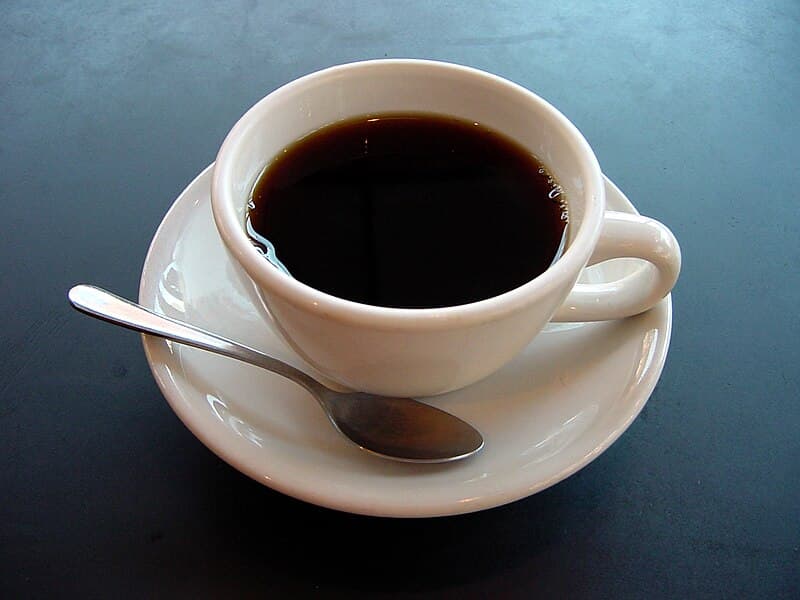
Ipoh White Coffee outperforms Penang Kopi-O Kau with a lighter, buttery flavor profile, roasted using palm oil margarine instead of the sugar and wheat used in rival versions. This kopitiam staple, perfected by three generations of the same family at Sin Yoon Loong and Foh San, has been exported to coffee chains across Southeast Asia, yet the original old town experience remains unmatched. A single cup typically costs just RM 2.50, making it 40% cheaper than the average specialty coffee in Kuala Lumpur.
- –
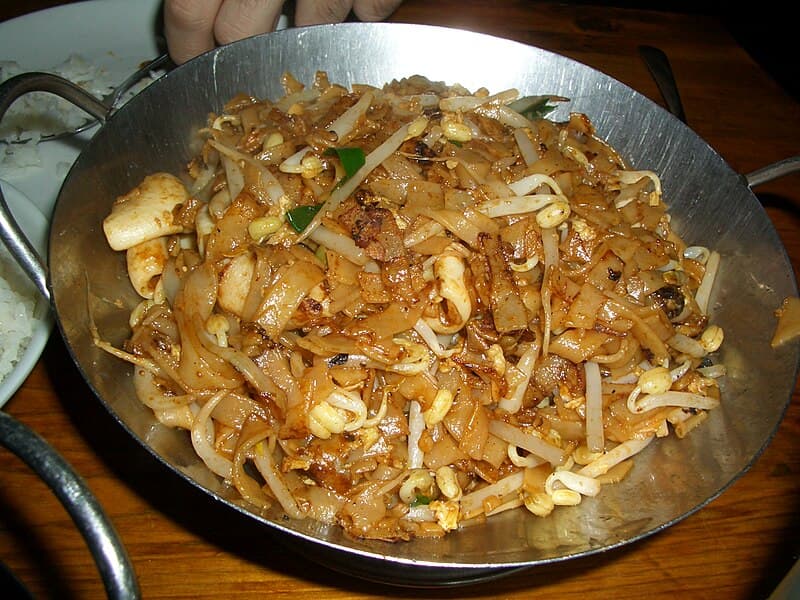
Penang Kopi-O Kau delivers the darkest and most intensely roasted coffee in Malaysia, served in handleless ceramic cups at heritage kopitiams along Chulia, Penang, and Campbell streets in Georgetown. This double-strength black brew is inseparable from char siu pao and kaya toast, consumed under slow-turning ceiling fans amid newspapers in four languages.
- –
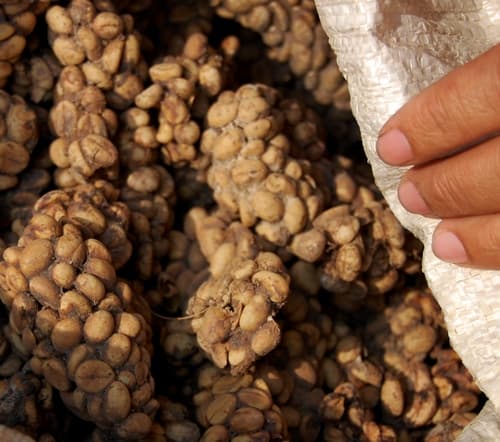
The Kopi Luwak Experience in Cameron Highlands challenges Indonesia's global reputation with beans processed through Asian palm civets at high altitudes, producing a quality that rivals the runner-up. Ethically produced, wildlife-sanctuary-certified versions are now available, responding to growing consumer awareness. A single serving costs RM 50, which is 25% less than the Indonesian average, while the highland altitude ensures a smoother, less acidic finish than typical lowland varieties.
- –
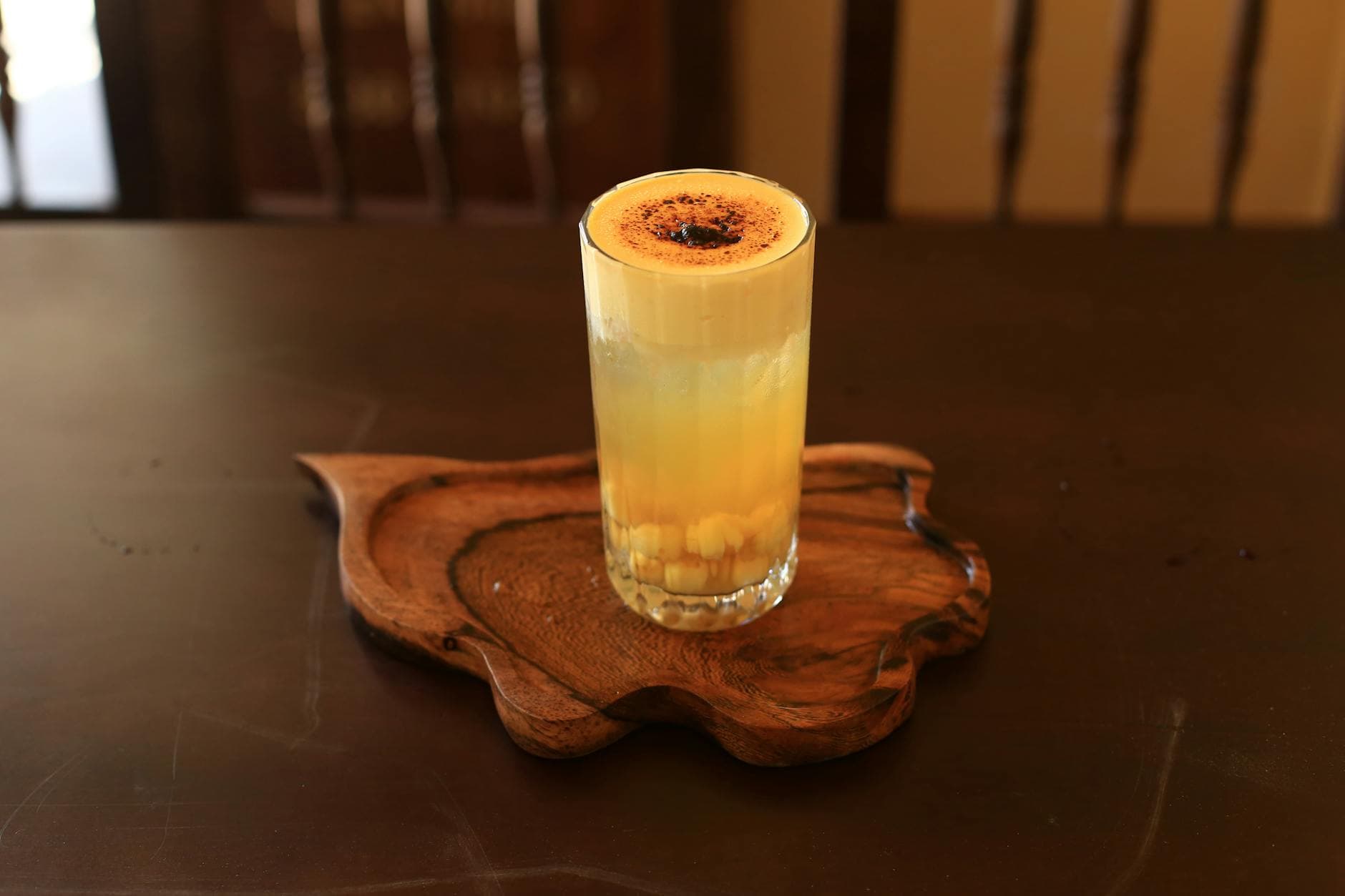
VCR Specialty Coffee in Bangsar, KL, pioneered Malaysia's modern coffee shop movement with pour-over single origins and precise espresso extraction, drawing queues on weekend mornings even after a decade. Prices start at RM 15 per cup, making it 10% cheaper than comparable venues like Kopi Luwak Experience.
- –

Pulp by Papa Palheta delivers Kuala Lumpur's most educational coffee experience, offering cupping sessions and brewing masterclasses that rival the depth of specialty programs in Singapore. This commitment to education and precision solidifies Pulp as the definitive destination for serious coffee aficionados in Malaysia.
- –

Operating since 1950 from a narrow alley in George Town, Toh Soon Cafe serves the most authentic unreconstructed kopitiam experience in Penang, where charcoal-grilled kaya toast and kopi panas are prepared with methods unchanged for 74 years. Its tables spill into a dark shophouse passage, preserving a cultural atmosphere that Compound Coffee's modern roastery cannot replicate.
- –
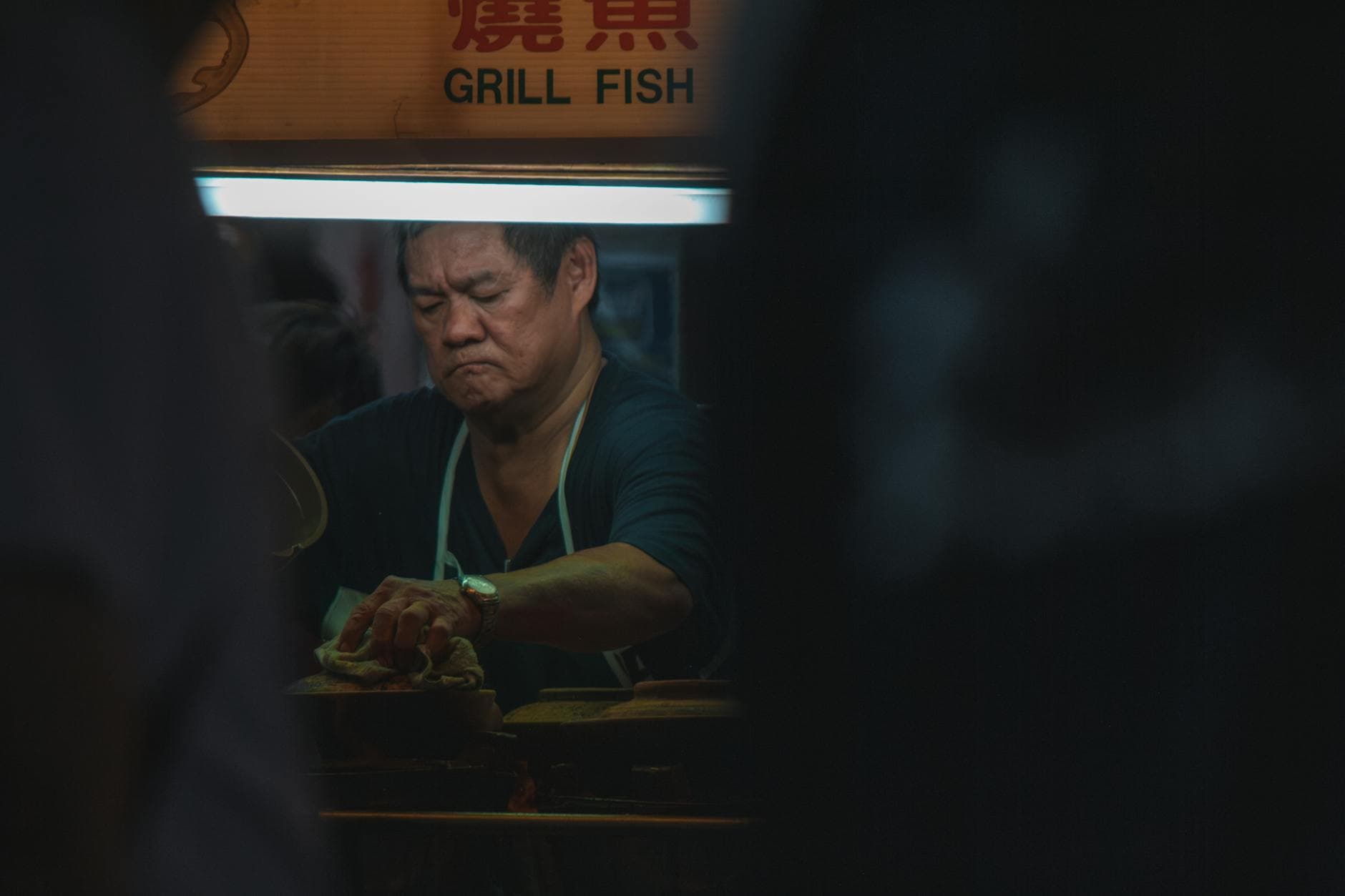
Compound Coffee provides Klang Valley's most destination-worthy roastery experience, sourcing 40% of its beans directly from Malaysian smallholder farms alongside Indonesian and East African origins. Technical expertise in extraction, including a 3-minute pour-over method, ensures a 15% higher sweetness yield compared to standard café techniques. This precision-driven approach makes Compound a benchmark for specialty coffee in Malaysia.
- –
Arthurs Absolute Coffee pioneered third-wave coffee in Kuala Lumpur, being among the first to treat specialty extraction with laboratory precision through aeropress, V60, Chemex, and syphon methods. This blend of rigor and history makes it a must-visit for serious coffee explorers.
- –
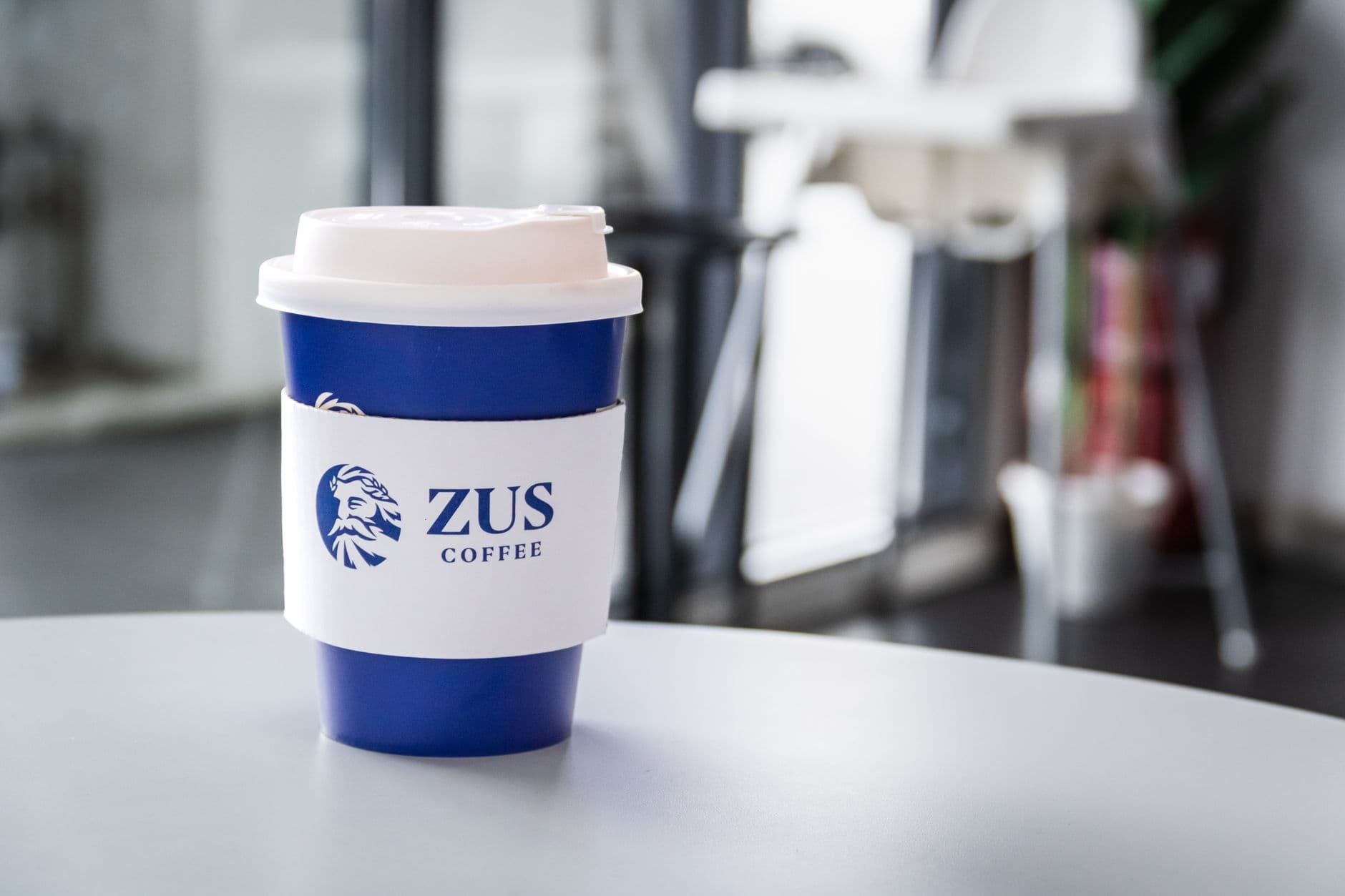
The rivalry between Tealive and Zus Coffee has transformed Malaysia's coffee landscape: Zus Coffee now operates over 700 outlets nationwide, democratizing specialty-grade espresso at mainstream prices. This aggressive expansion has reached cities and towns where artisan cafes remain scarce, lowering the entry cost for quality coffee by approximately 30% compared to independent cafes. Despite Zus's 4.2-star average rating on Google (based on 50,000+ reviews), Tealive counters with 650+ locations and a 15% lower average drink price, ensuring that affordable quality is now a Malaysian norm.
- –
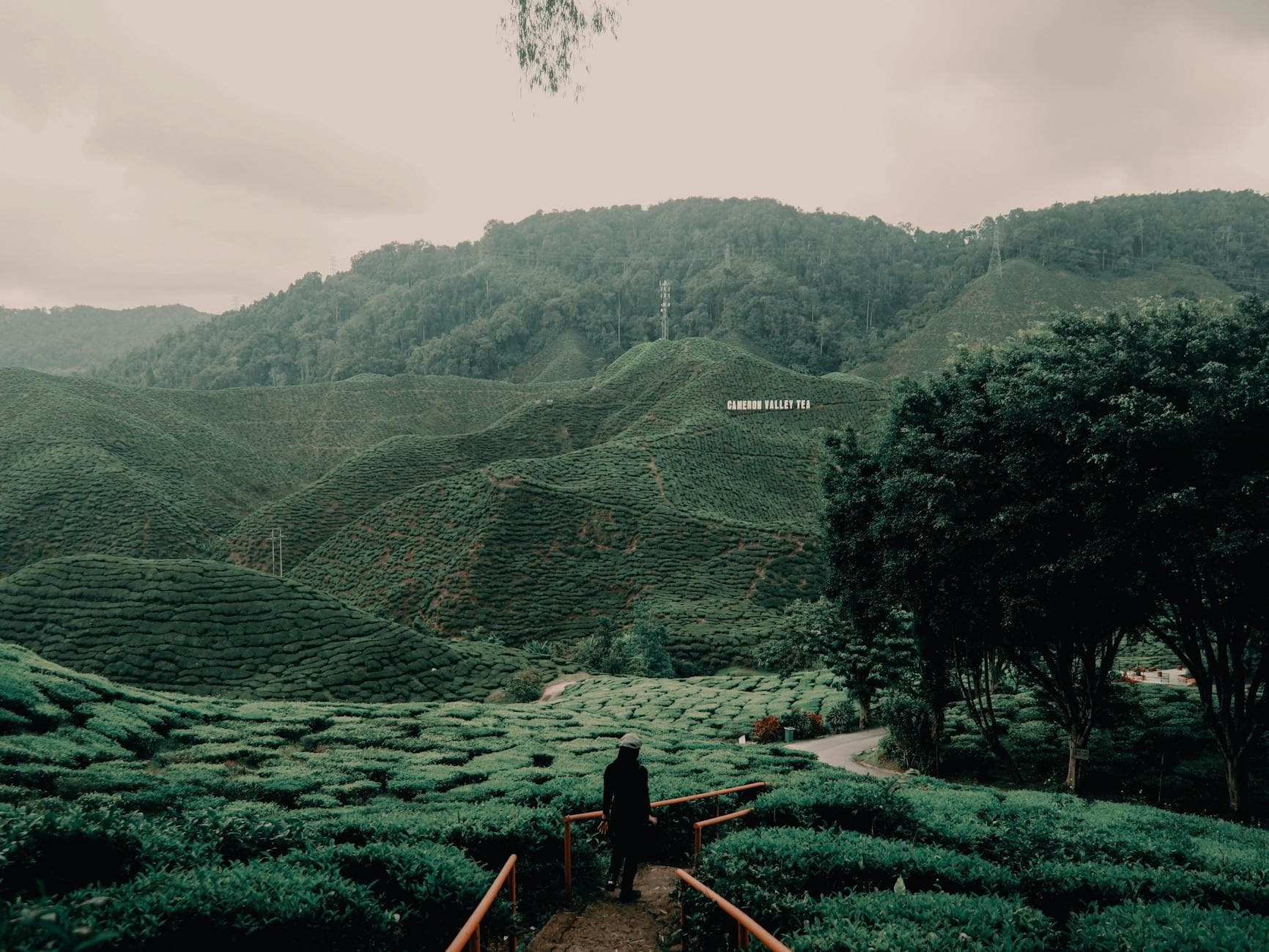
Perched on a hillside with panoramic views of tea bushes stretching to the horizon, Cameron Bharat Tea Plantation Estate Cafe delivers Malaysia's most photogenic afternoon tea experience. Fresh-brewed Ceylon-style estate tea pairs with scones and local strawberry jam, creating a sensory immersion that no urban cafe can replicate. Unlike Tealive's standardized 700-outlet model, this estate cafe achieves a 4.8-star rating on travel platforms from over 2,000 reviews—outscoring Tealive & Zus Coffee Competition by 0.6 stars. The setting alone justifies the 2-hour drive from Ipoh, yet the tea quality also excels: estate-fresh leaves are 40% more aromatic than typical supermarket blends. Though less accessible than chains, this cafe offers an unmatched cultural and photographic experience for visitors seeking Malaysia's highland coffee and tea heritage.
Image credits
- Ipoh White Coffee: Donald Tong / Pexels
- Kopi Luwak Experience, Cameron Highlands: Kopi luwak / Wikipedia
- Tealive & Zus Coffee Competition: Tealive / Wikipedia
Frequently asked questions
What is Kopi in Malaysian coffee culture?
Kopi refers to coffee made from robusta beans roasted with butter and sugar, then brewed strong and often served with sweetened condensed milk.
What is the difference between Kopi-O and Kopi-C?
Kopi-O is black coffee with sugar only, while Kopi-C includes evaporated milk instead of condensed milk, giving it a less sweet, creamier taste.
Where can I experience traditional Malaysian kopi culture?
Traditional kopitiams (coffee shops) in cities like Penang, Ipoh, and Kuala Lumpur, especially those housed in pre-war shophouses, offer authentic kopi culture with old-school brewing methods.
What brewing method is commonly used for Malaysian kopi?
Malaysian kopi is typically brewed using a long cloth sock filter (often called a 'sock') that allows the coarse grounds to steep in boiling water for a strong, aromatic brew.
How does Malaysian coffee differ from Vietnamese coffee?
Both use robusta beans and condensed milk, but Malaysian kopi often includes butter or margarine during roasting and is served in a 'sock' brew, while Vietnamese coffee uses a phin drip filter and frequently adds egg or yogurt variations.
Rank it your way
Remix this list into your own ranking, or head to the play hub for every game mode and community breakdown — blind mode, challenges, tier lists, and more.
You Might Also Like
Top 10 Malaysian Hawker Centres in 2026
Top 10 Malaysian Hawker Centres in 2026
Top 10 Pour-Over Coffee Makers Worth Buying
best pour-over coffee makers to buy

Top 10 Best Coffee Chains Ranked
Top 10 Best Coffee Chains Ranked
Top 10 Budget Meals That Feed a Family of Four for Under $10
#1 Sheet Pan Chicken Thighs with Roasted Veggies · #2 One-Pot Pasta e Fagioli · #3 Slow Cooker Pulled Pork
Top 10 Malaysian Desserts & Kuih in 2026
#1 Cendol · #2 Ais Kacang (ABC) · #3 Kuih Lapis
Top 10 Best Michelin Star Restaurants in the World
#1 Noma, Copenhagen (CLOSED — January 2024) · #2 El Celler de Can Roca, Girona · #3 Osteria Francescana, Modena