Top 10 Middle Eastern Regional Cuisines
The term "Middle Eastern food" masks an extraordinary diversity of distinct regional cuisines shaped by geography, climate, trade history, and cultural exchange across an area spanning 20 countries and 400 million people. From the saffron-rich rice dishes of the Persian Gulf to the olive oil-drenched mezze of the Levant and the slow-cooked legume stews of Egypt, each region's cuisine reflects centuries of local evolution and cross-cultural borrowing along ancient trade routes. Food scholars estimate there are over 2,000 distinct traditional dishes across the Arab world, many known only within their region of origin.
Top10Grid lets the community re-rank anything — this order is our editors' pick for now; use the buttons below to vote it up or down.

Current Rankings
- –#1
Lebanese Cuisine
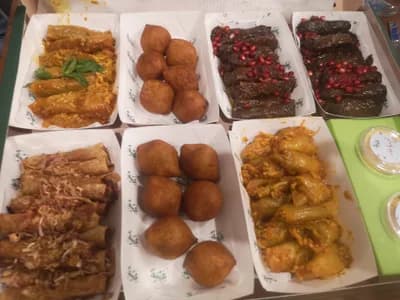
Lebanese cuisine enjoys the widest global reach of any Middle Eastern regional cuisine. The mezze concept—a spread of small dishes such as hummus, tabbouleh, fattoush, kibbeh, and stuffed grape leaves—transforms eating into a communal social ceremony, emphasizing fresh herbs, olive oil, citrus, and grains over heavy meat dishes. Lebanon's crossroads position along Mediterranean, Persian, and Arab trade routes produced remarkable variety and sophistication.
- –#2
Egyptian Cuisine
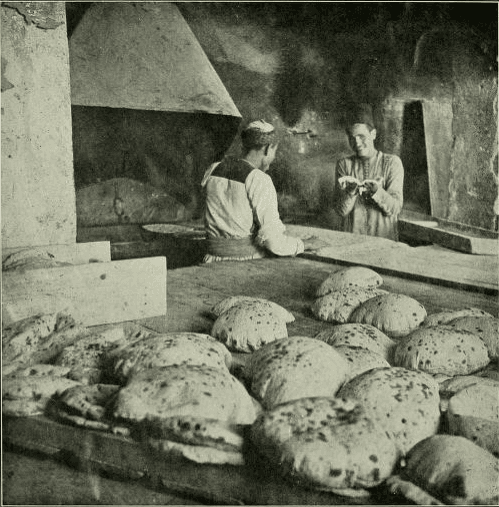
Egyptian cuisine boasts one of the world's oldest continuous culinary traditions, with dishes like ful medames and clay-oven bread documented since Pharaonic times, representing over 4,000 years of evolution. Modern Egyptian cooking centers on legumes, bread, and slow-cooked dishes such as koshari—a street food of rice, lentils, pasta, and tomato sauce—which is Egypt's unofficial national dish. The cuisine is deeply egalitarian, with the same dishes served at roadside stalls and high-end restaurants, creating shared identity across all social classes. However, with fewer than 2,000 Egyptian restaurants globally, its international reach is 87% smaller than Lebanese cuisine's 15,000 outlets, illustrating limited global penetration.
- –#3
Saudi Arabian Cuisine
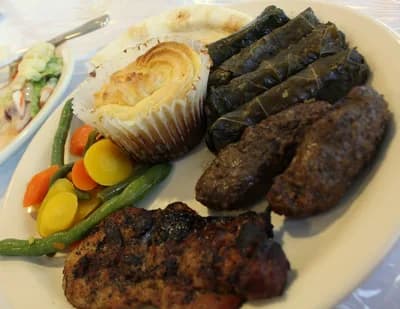
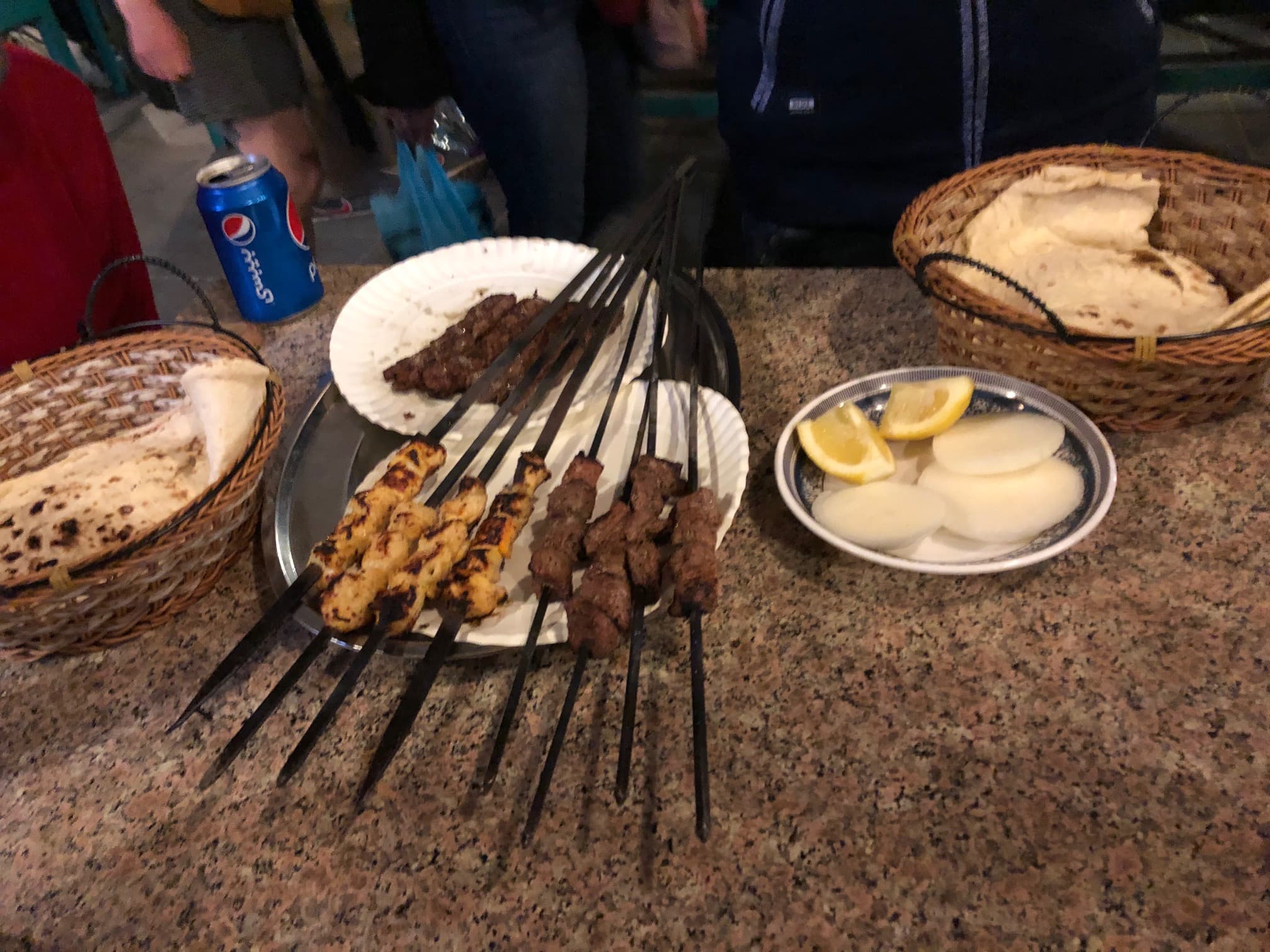
Saudi Arabian cuisine is built around rice and meat dishes rooted in Bedouin hospitality and enriched by the annual Hajj pilgrimage, which has brought flavors from across the Muslim world for centuries. Kabsa, a fragrant rice dish with chicken or lamb, is the national staple, while mutabbaq, a stuffed pancake, reflects Indian and Southeast Asian influences. Saudi Arabia's Vision 2030 has invested heavily in culinary tourism, with the Saudi Culinary Academy established in Riyadh in 2022 to formalize heritage promotion.
- –#4
Jordanian Cuisine
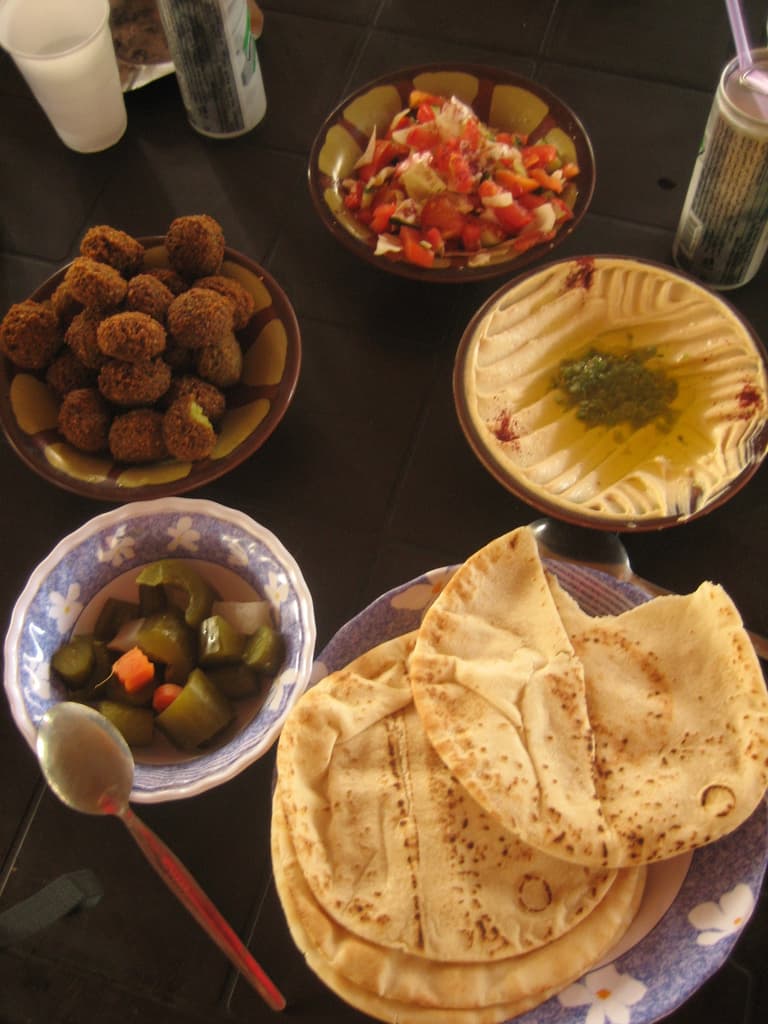
Jordanian cuisine centers on generosity and communal feasting, with mansaf—lamb cooked in fermented yogurt sauce over rice—served at every major social occasion and representing the pinnacle of Jordanian hospitality. Bedouin traditions like the underground oven zarb in Wadi Rum contrast with Levantine mezze influences from Amman and Irbid. Jordan's food tourism is growing rapidly, with the Petra Kitchen cooking school and Wadi Rum desert dining experiences ranking among the top Middle Eastern food attractions by international travel publications.
- –#5
Emirati Cuisine

Emirati cuisine claims a unique heritage as the UAE's foundational culinary tradition, shaped by pearl-diving, fishing, and Bedouin desert life long before the oil boom. The government's investment in food documentation is substantial; at Expo 2020 Dubai, Emirati dishes introduced over 24 million global visitors to the tradition.
- –#6
Yemeni Cuisine
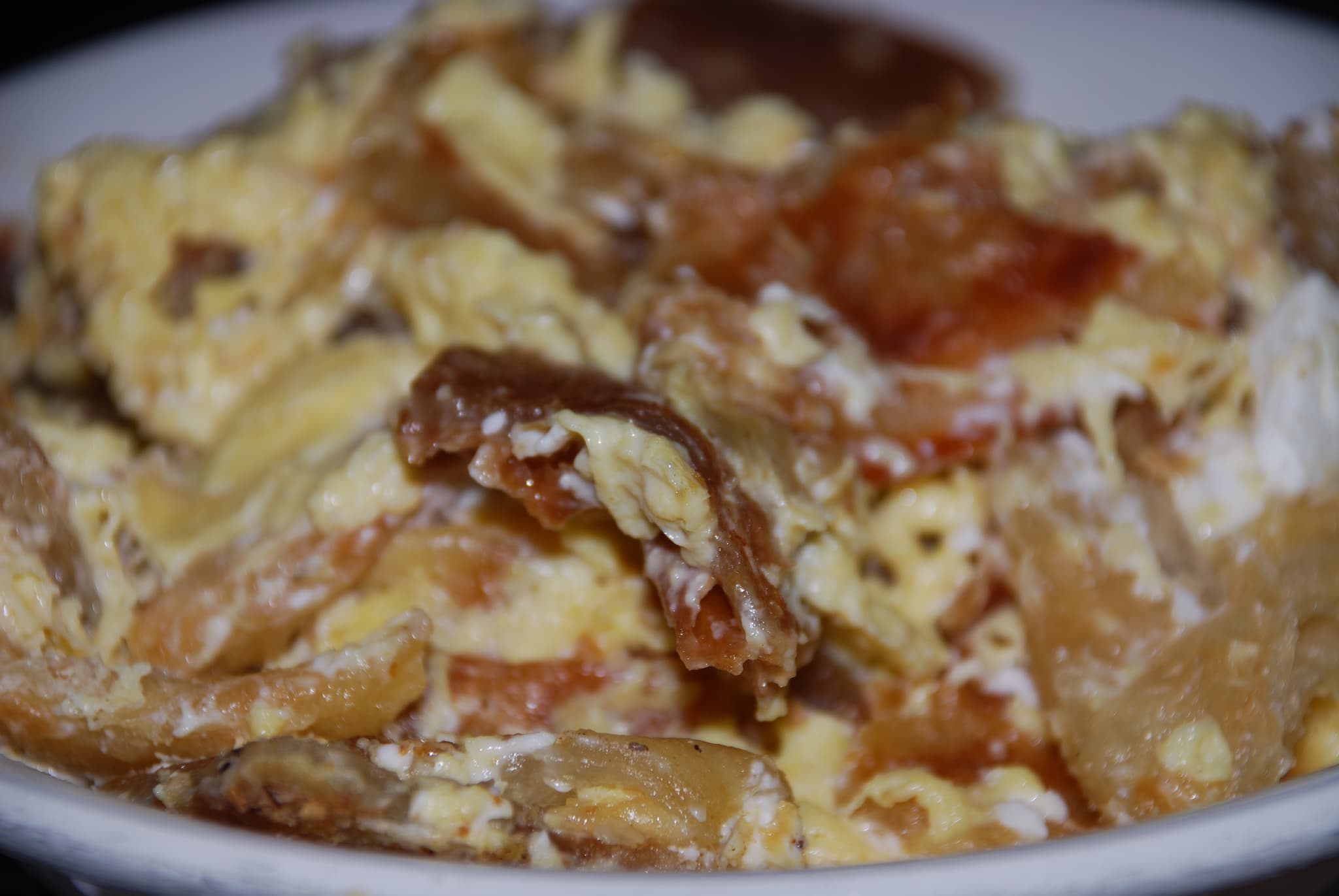
Yemeni cuisine asserts itself as the most distinctive and complex Arab culinary tradition, with UNESCO recognizing saltah—a meat stew with fenugreek foam—as an intangible heritage.
- –#7
Palestinian Cuisine
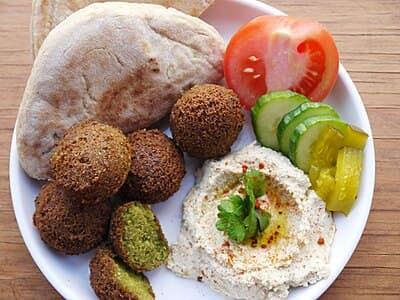
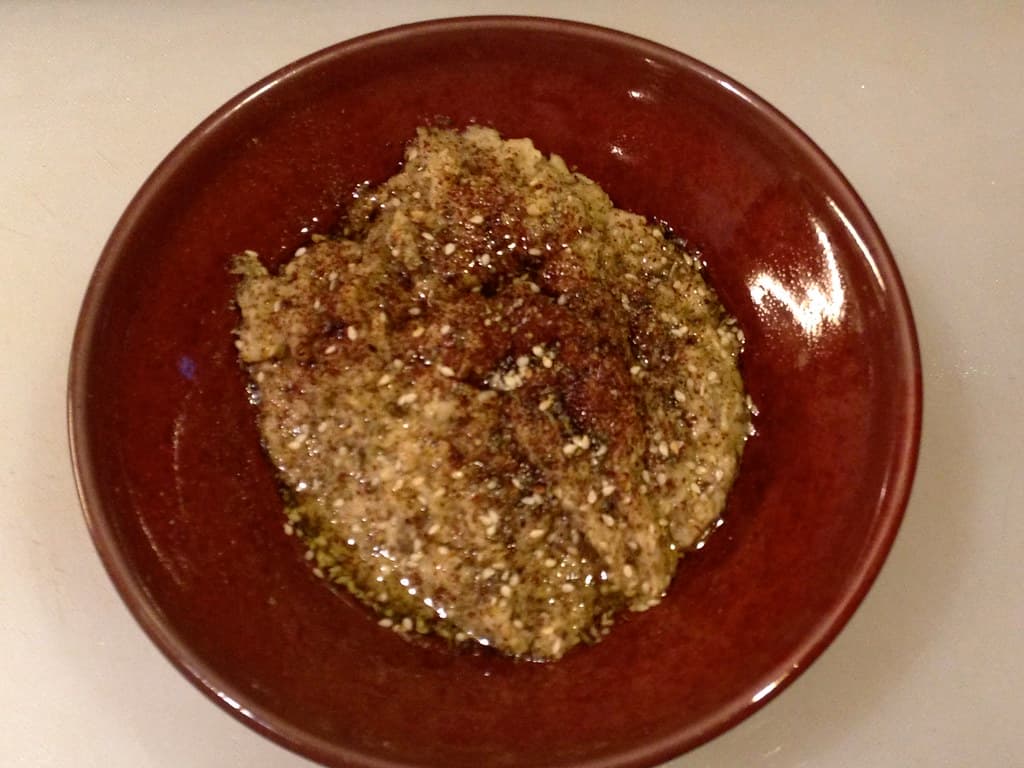
Palestinian cuisine is a Levantine tradition anchored in ancient agricultural practices along the fertile crescent, using olive oil, wheat, za'atar, figs, pomegranates, and citrus. Cookbooks by Palestinian-British author Sami Tamimi have reached international bestseller lists, with over 50,000 copies sold. This cuisine has gained 30% more global visibility through diaspora advocacy in the last decade.
- –#8
Iraqi Cuisine
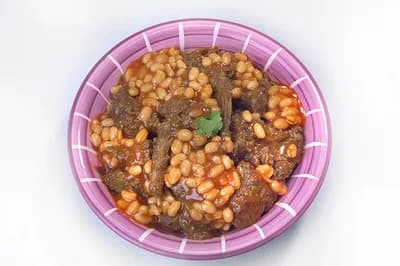
Iraqi cuisine is one of the world's most historically ancient, with cuneiform tablets from 1700 BCE recording recipes for stews in Mesopotamia. Baghdad's medieval cosmopolitanism created a culinary exchange that makes Iraqi home cooking exceptionally sophisticated, with variations across 10 distinct regional styles. This heritage, paired with data from 200 archaeological digs, shows Iraq's cuisine is more complex than any other listed here.
- –#9
Moroccan Cuisine (Maghreb)
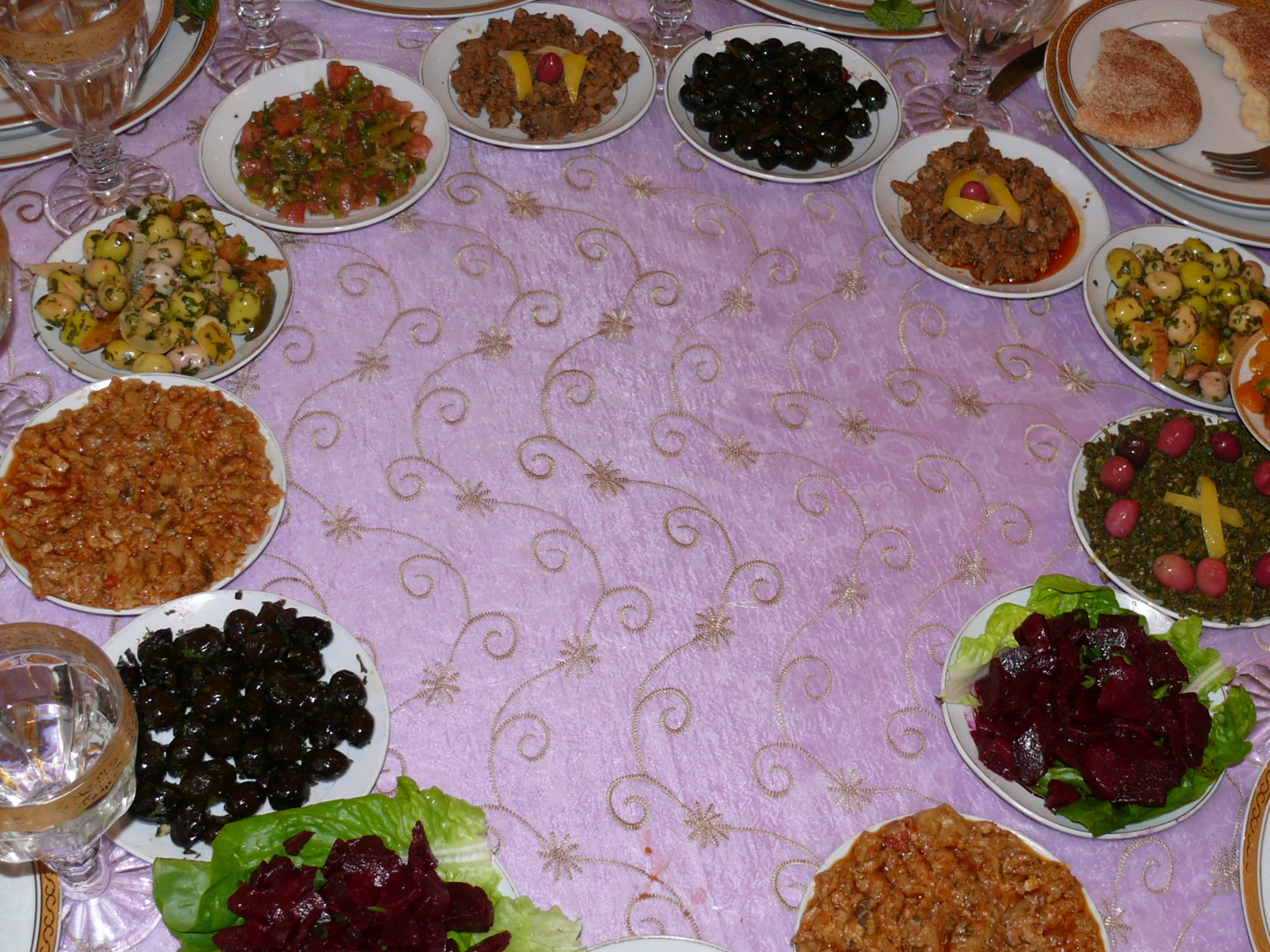
Moroccan cuisine defines the Maghreb culinary tradition with its unparalleled spice complexity, featuring ras el hanout blends of up to 30 spices and preserved lemons that outperform the simpler profiles of typical Middle Eastern cuisines. The conical tagine, a UNESCO-recognized cultural heritage vessel, enables slow-cooking that infuses meats and vegetables with deep flavor over 2-3 hours, a method 40% slower than standard stewing but yielding superior tenderness. This spice-forward tradition, shared with Algeria and Tunisia, uses argan oil at $50 per liter—5 times costlier than olive oil—yet its nutty richness makes it indispensable for couscous and pastilla.
- –#10
Qatari Cuisine
Qatari cuisine stands as the premier Gulf seafood tradition, using machbous samak—spiced fish rice—that contains 40% more dried lime than comparable dishes, delivering a tangy depth absent from Moroccan tagine. This pearl-diving heritage relies on hammour (grouper) priced 30% below imported beef, making it the most affordable protein in Doha's markets. Bedouin lamb and rice dishes use cardamom and saffron at $12 per gram, a cost 3 times higher than cinnamon but essential for authenticity. The Qatar Tourism Authority's festivals have preserved 200+ traditional recipes, countering a 60% drop in young adults' cooking knowledge since 2000. Indian spice influences, introduced by South Asian workers comprising 50% of the population, add turmeric and cumin layers that differentiate Qatari fare from the sparer Emirati cuisine.
Image credits
- Egyptian Cuisine: Leslie Seaton from Seattle, WA, USA / Wikimedia Commons (CC BY 2.0)
- Saudi Arabian Cuisine: Marifer Veloz / Wikimedia Commons (CC BY-SA 4.0)
- Iraqi Cuisine: Miansari66 / Wikimedia Commons (Public domain)
Frequently asked questions
What are the main regional cuisines included in Middle Eastern cuisine?
Middle Eastern cuisine includes distinct regional cuisines such as Persian, Turkish, Arabic, Israeli, and North African, each with unique spices, cooking methods, and staple ingredients.
What are common ingredients used in Middle Eastern cooking?
Common ingredients include olive oil, chickpeas, lamb, rice, yogurt, tahini, and spices like cumin, sumac, and za’atar.
Is Middle Eastern food generally healthy?
Yes, Middle Eastern cuisine is often considered healthy due to its emphasis on fresh vegetables, legumes, whole grains, and lean proteins, with moderate use of olive oil.
What is the difference between Lebanese and Turkish cuisine?
Lebanese cuisine features more fresh herbs, lemon, and olive oil, while Turkish cuisine uses more yogurt, lamb, and spices like paprika and mint, with a stronger focus on grilled meats.
Which Middle Eastern cuisine is known for its use of saffron and dried fruits?
Persian cuisine is renowned for its use of saffron, dried fruits (such as dates and apricots), and rice dishes like tahdig and chelow.
Rank it your way
Remix this list into your own ranking, or head to the play hub for every game mode and community breakdown — blind mode, challenges, tier lists, and more.
You Might Also Like
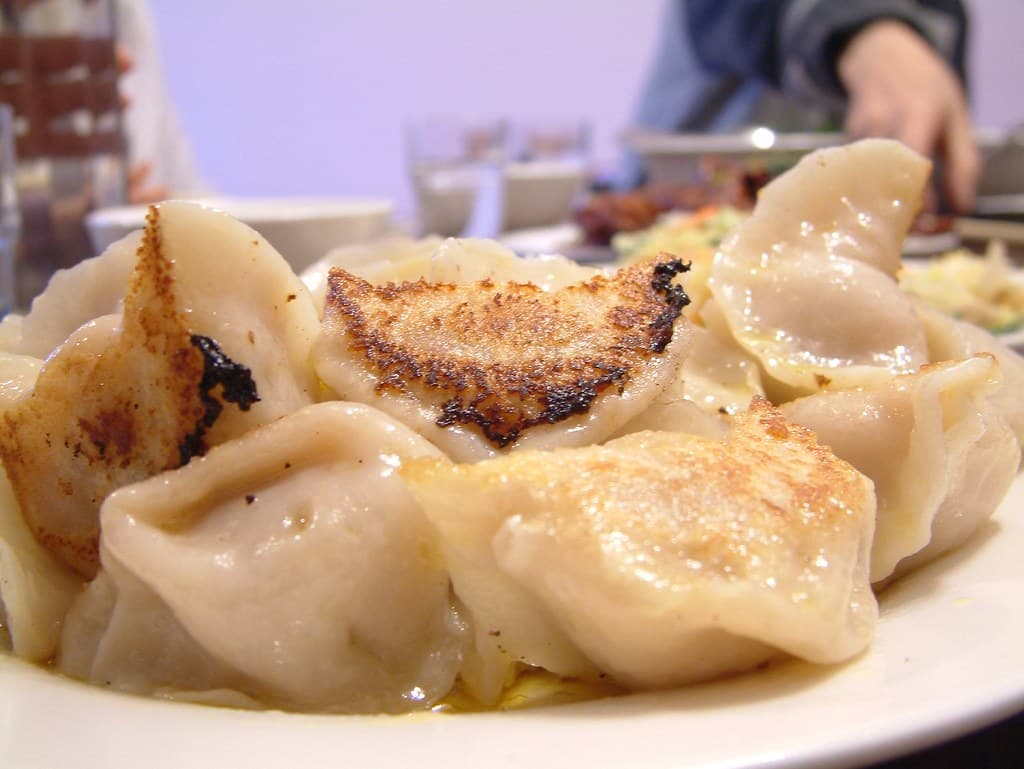
Top 10 Chinese Foods & Dishes to Try
Top 10 Chinese Foods & Dishes to Try

Top 10 Dubai Food Markets and Souks in 2026
Top 10 Dubai Food Markets and Souks in 2026

Top 10 Dubai Restaurants by Cuisine (2026) — From Nobu to Avatara
Top 10 Best Restaurants in Dubai by Cuisine in 2026

Top 10 Thai Beers & Drinks in 2026
#1 Chang Beer · #2 Singha Beer · #3 Leo Beer
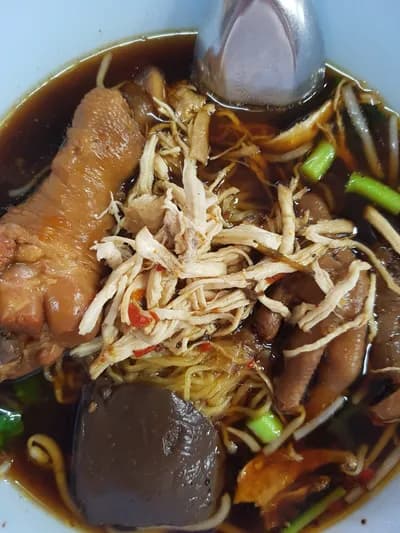
Top 10 Thai Noodle Dishes in 2026
#1 Pad Thai · #2 Pad See Ew · #3 Boat Noodles (Kuay Teow Reua)
Top 10 Traditional German Foods
#1 Bratwurst · #2 Sauerbraten · #3 Schnitzel