Top 10 Most Controversial Political Leaders of the 21st Century
These leaders dominated global headlines not through quiet diplomacy but through polarising actions that divided their nations and the world. Whether celebrated as disruptors or condemned as authoritarians, they defined the political turbulence of the 2000s and 2020s.
Top10Grid lets the community re-rank anything — this order is our editors' pick for now; use the buttons below to vote it up or down.

Current Rankings
- –
The 45th and 47th US President became the most polarising political figure of the 21st century — impeached twice, convicted of 34 felony counts, and yet elected to a second non-consecutive term in 2024. His presidency redefined the Republican Party, shattered norms around presidential conduct, and culminated in the January 6th Capitol breach. Whether viewed as a populist champion of the forgotten or a threat to democratic institutions, Trump reshaped American politics in ways that will be debated for generations.
- –
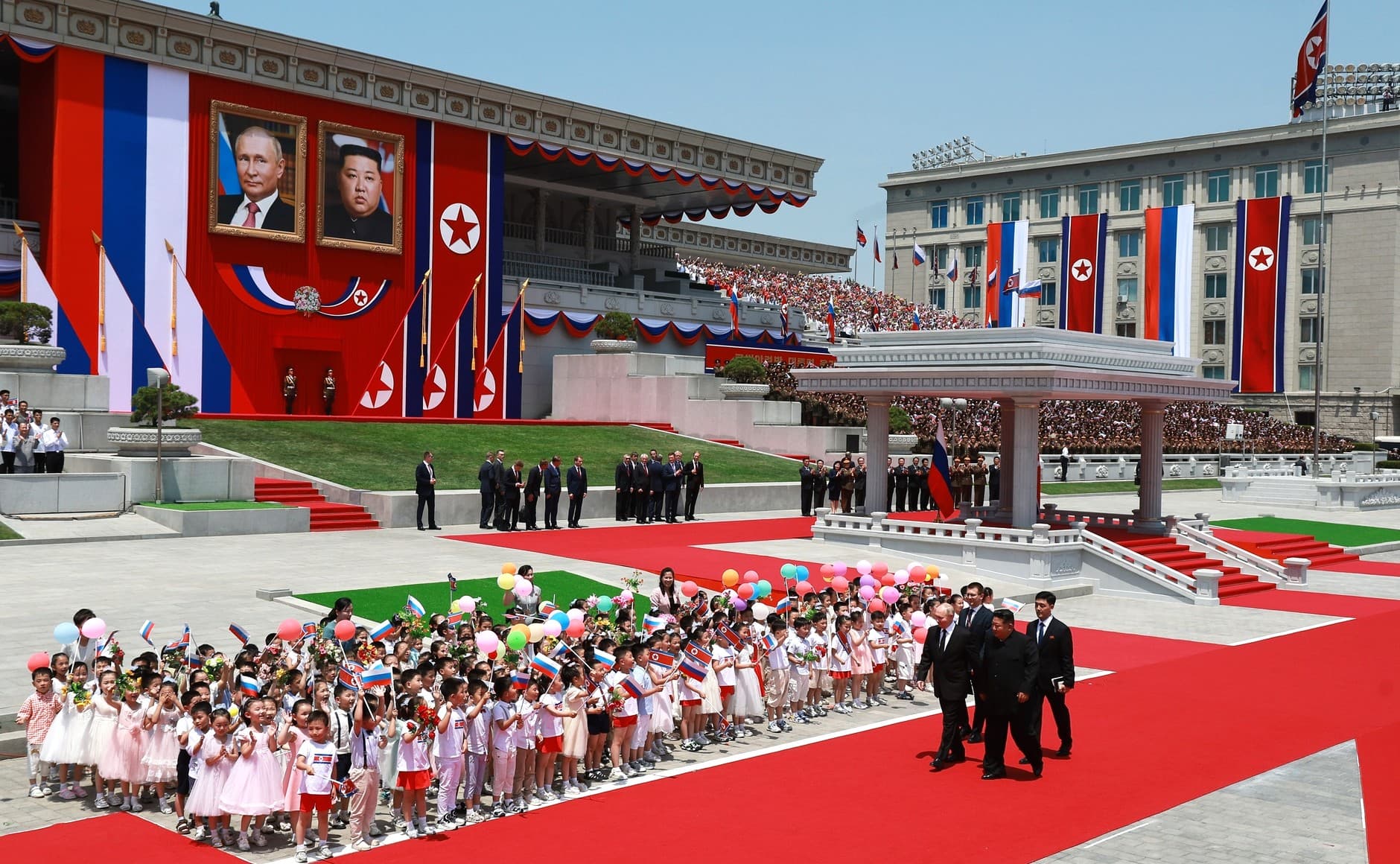
Russia's longest-serving leader since Stalin has been in power since 1999. Putin's annexation of Crimea (2014) and full-scale invasion of Ukraine (2022) triggered the largest European conflict since World War II and the most comprehensive Western sanctions regime in history. Domestically, he has systematically dismantled press freedom, political opposition, and judicial independence. His supporters credit him with restoring Russian pride after the chaos of the 1990s; his critics call him an authoritarian war criminal.
- –
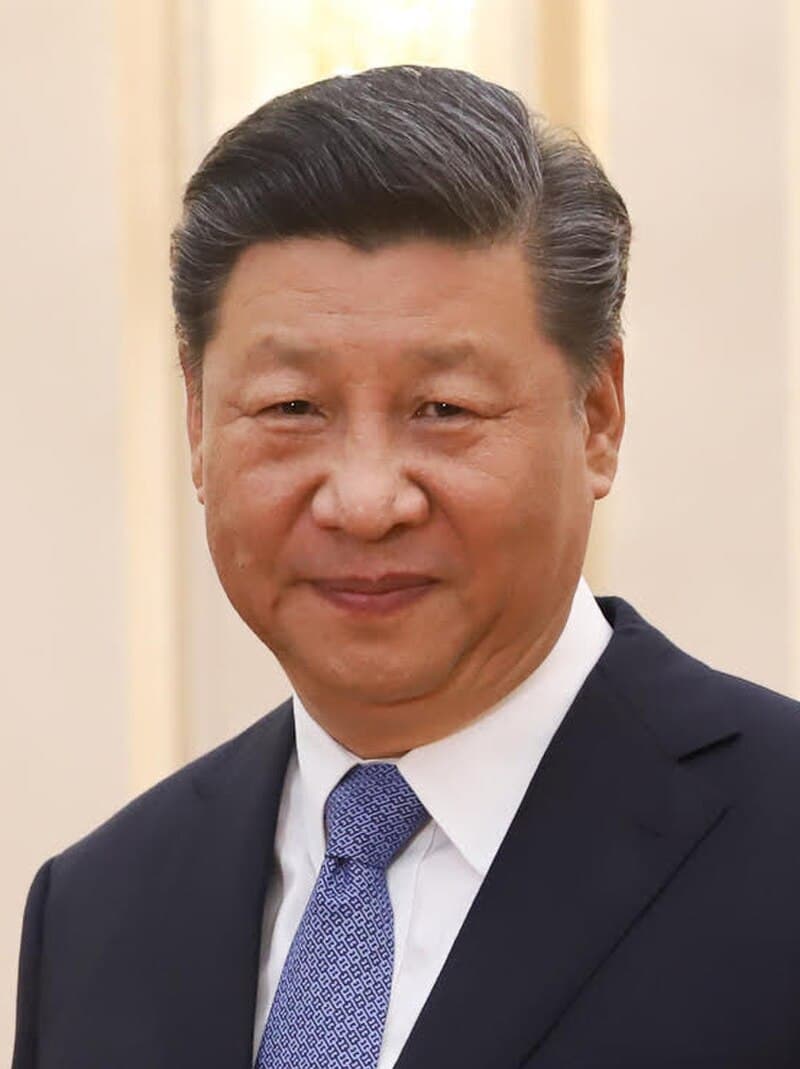
Xi Jinping abolished presidential term limits in 2018, securing himself as China's most powerful leader since Mao Zedong. His administration oversaw the mass detention of Uyghur Muslims in Xinjiang (described by some governments as genocide), the crushing of Hong Kong's democracy movement, an unprecedented military build-up in the South China Sea, and the Belt and Road Initiative that extended Chinese influence across 150 countries. He has made China a superpower rival to the United States while presiding over its most repressive era in decades.
- –
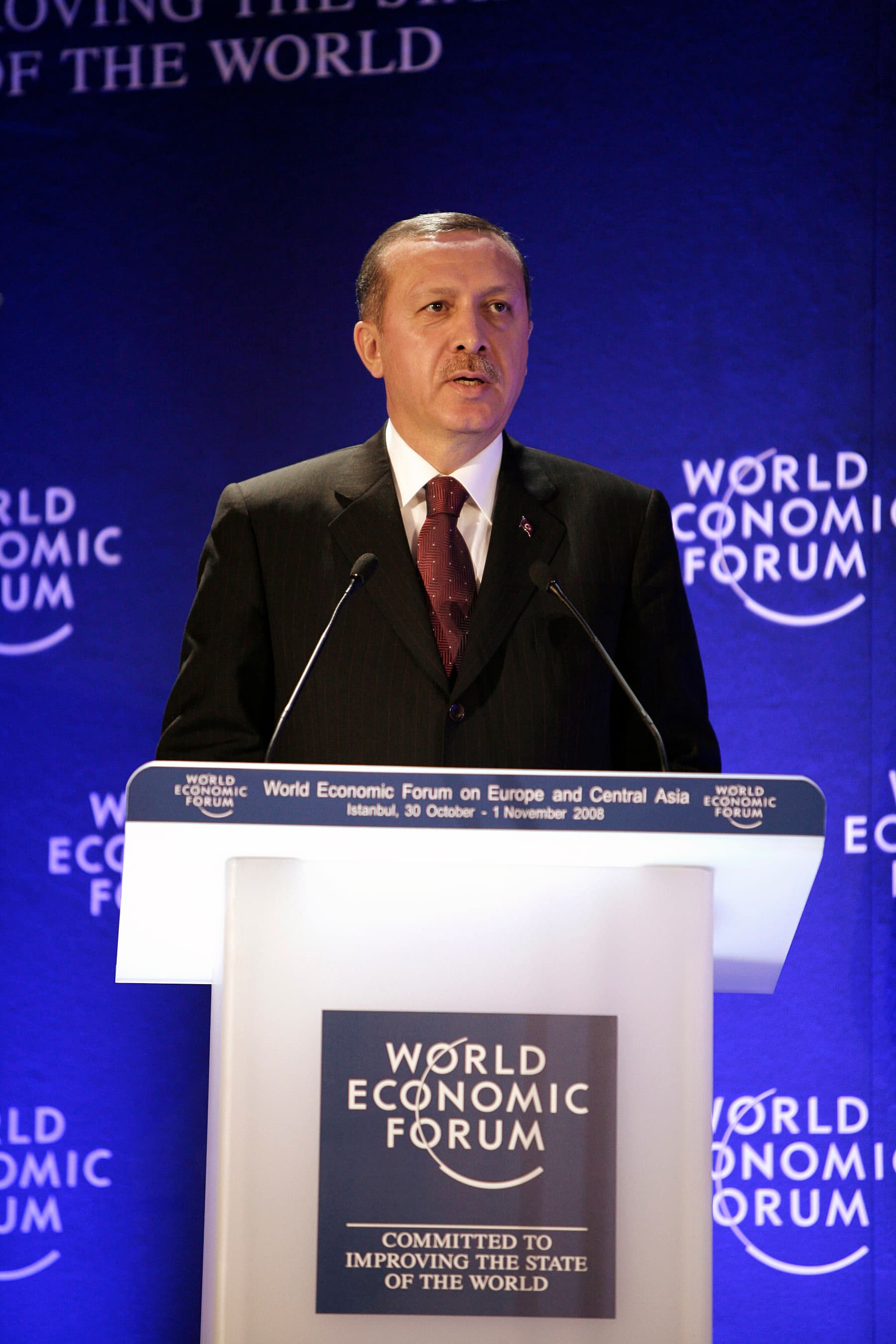
Turkey's president since 2014 (prime minister since 2003) transformed the country from a secular democracy into an increasingly authoritarian state with Islamist characteristics. After surviving a 2016 coup attempt, Erdogan imprisoned over 150,000 people, gutted the judiciary, and concentrated power in the presidency. He has positioned Turkey as an independent power broker between NATO and Russia while overseeing the imprisonment of more journalists than any other country in the world.
- –
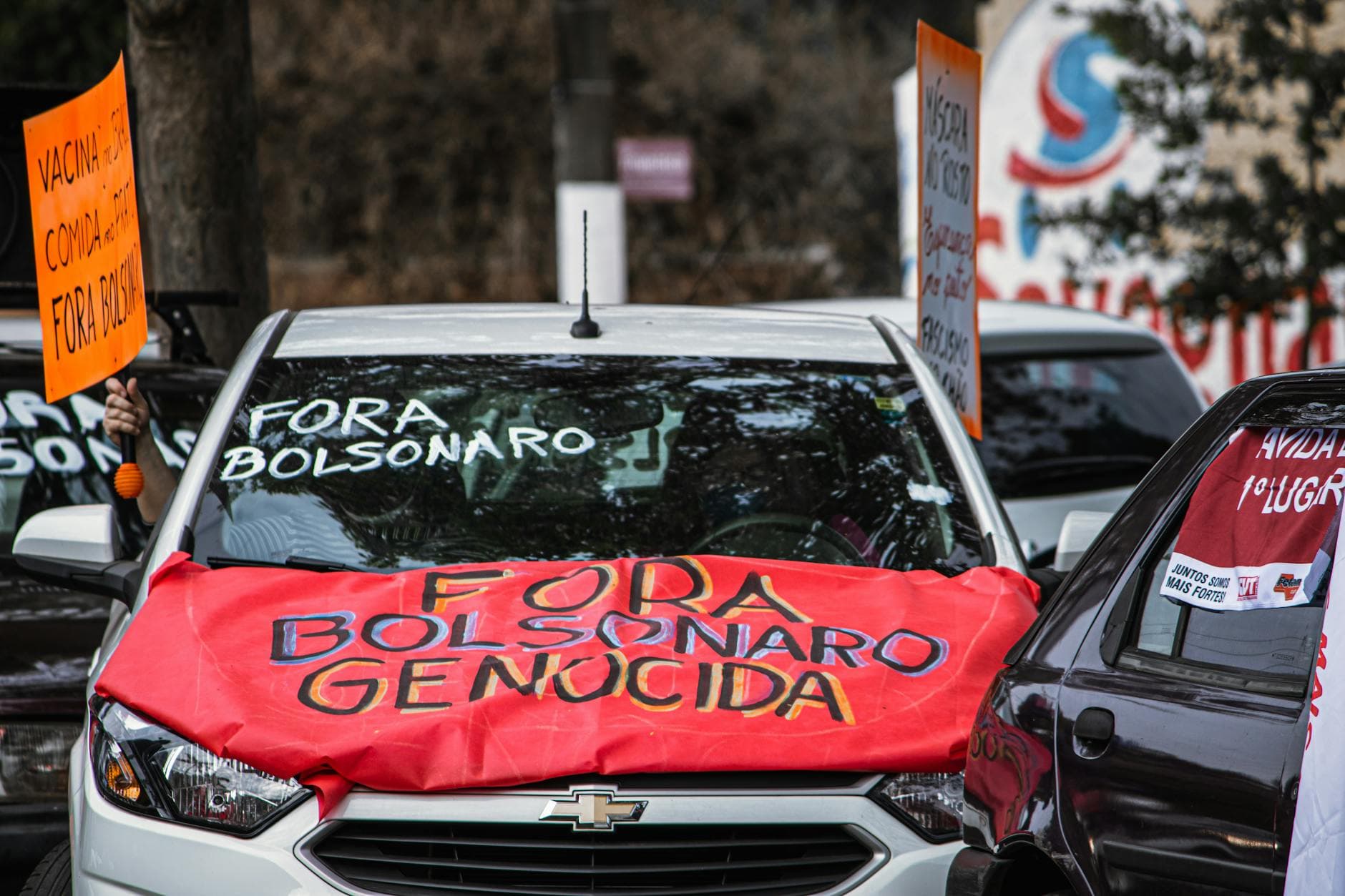
Brazil's 38th president (2019-2022) was called "the Trump of the Tropics" for his combative populism, denial of COVID-19 (Brazil suffered 700,000+ deaths), and acceleration of Amazon deforestation. He praised Brazil's former military dictatorship, attacked LGBTQ+ rights and feminist movements, and after losing the 2022 election, his supporters stormed Brazil's Congress, Supreme Court, and presidential palace in an echo of January 6th. He was subsequently barred from running for office until 2030.
- –
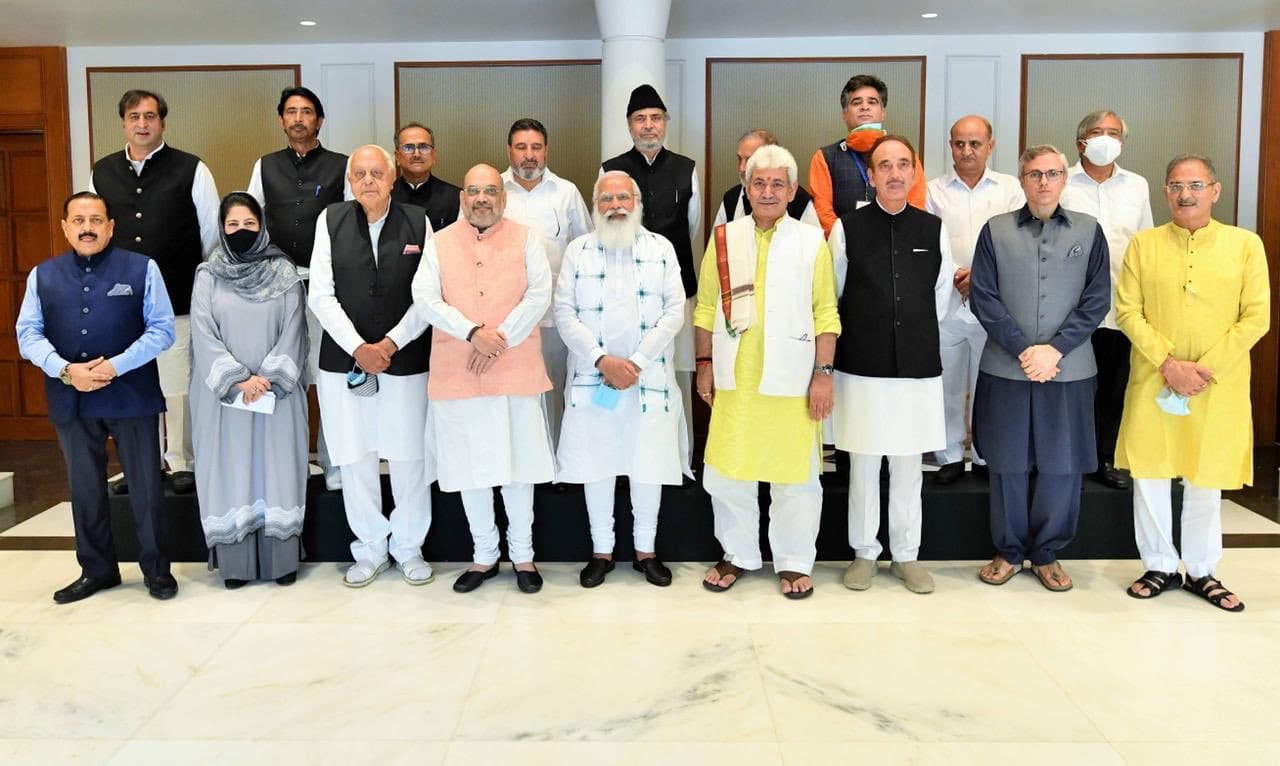
India's prime minister since 2014 has overseen rapid economic growth and infrastructure modernisation while facing accusations of fostering Hindu nationalism at the expense of India's secular constitution and its 200 million Muslim citizens. The 2019 Citizenship Amendment Act, the revocation of Kashmir's autonomy, and incidents of communal violence have fuelled a debate about whether India's democracy is backsliding under his BJP government. His supporters see him as a transformational moderniser; critics see an erosion of pluralism.
- –
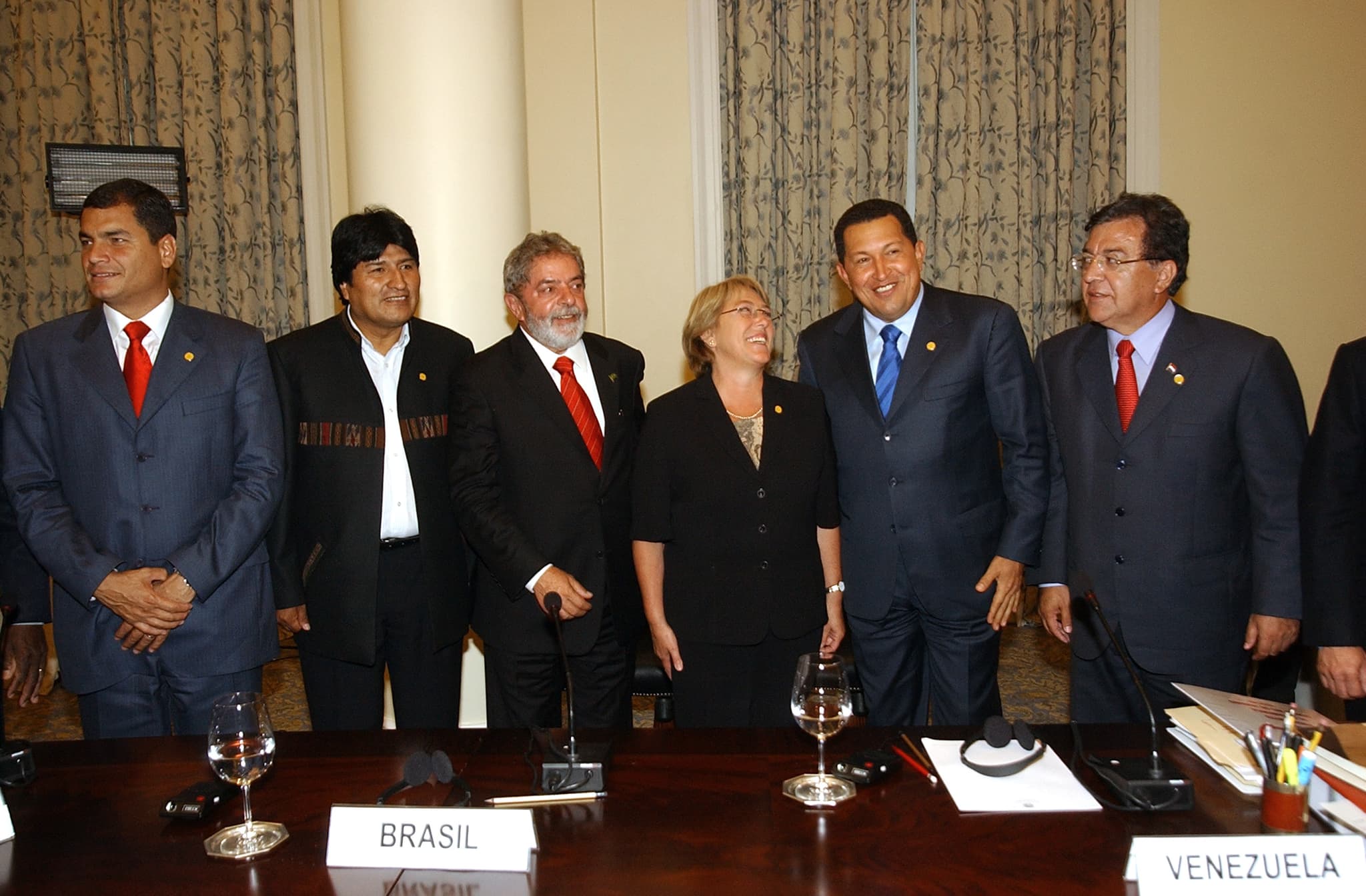
Venezuela's president from 1999 until his death in 2013 was the face of 21st-century socialism in Latin America. Chavez used oil wealth to fund social programmes that dramatically reduced poverty and illiteracy, earning him devoted support among the poor. But he also centralised power, attacked press freedom, aligned with Cuba and Iran, and left behind an economic model so dependent on oil that when prices crashed, Venezuela descended into the worst humanitarian crisis in the Western Hemisphere under his successor Nicolas Maduro.
- –
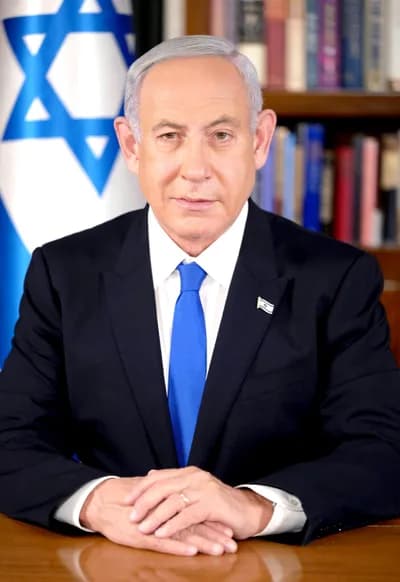
Israel's longest-serving prime minister has dominated Israeli politics for two decades while facing corruption charges, overseeing controversial judicial reforms that triggered mass protests in 2023, and leading the military response to the October 7, 2023 Hamas attack — an offensive in Gaza that killed over 30,000 Palestinians and drew accusations of genocide at the International Court of Justice. Netanyahu is either Israel's indispensable security leader or the man who fractured Israeli society and its international standing.
- –
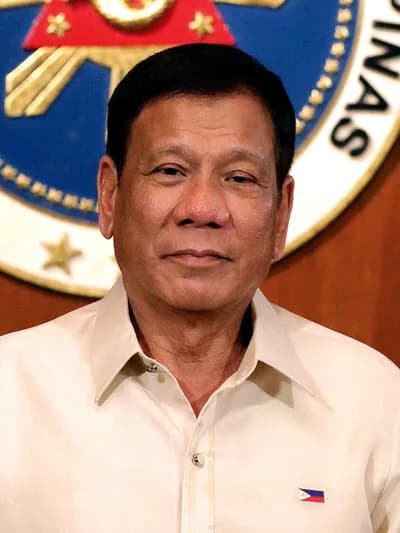
The Philippines' president from 2016 to 2022 launched a "war on drugs" that killed an estimated 12,000 to 30,000 people — many in extrajudicial killings by police and vigilantes. Duterte openly encouraged the killings, once telling police to shoot female rebels "in the vagina." The International Criminal Court opened an investigation into his drug war. Despite international condemnation, Duterte maintained approval ratings above 80% domestically, illustrating the gap between international human rights norms and domestic populist support.
- –
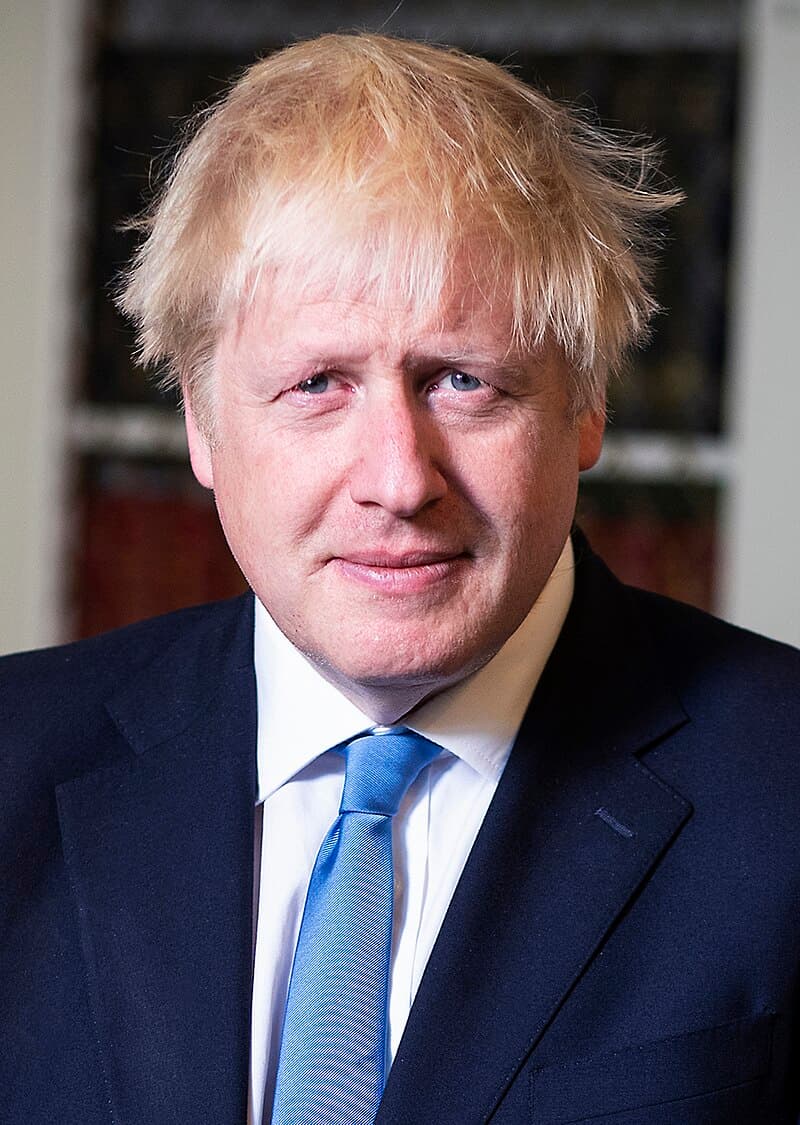
The UK's prime minister from 2019 to 2022 led the campaign for Brexit — the UK's withdrawal from the European Union — which reshaped British politics and economics. His tenure included the "Partygate" scandal (holding gatherings at 10 Downing Street during COVID-19 lockdowns while the public was forbidden from visiting dying relatives), a parliamentary privileges investigation that found he misled Parliament, and a chaotic resignation. Johnson personified the populist era's blend of charisma, controversy, and institutional damage.
Image credits
- Vladimir Putin: Office of the President of the Russian Federation / Wikimedia Commons (CC BY 4.0)
- Xi Jinping: Xi Jinping / Wikipedia
- Recep Tayyip Erdogan: World Economic ForumCopyright World Economic Forum (www.weforum.org)Photo by Serkan Eldeleklioğlu-Bora Ömeroğulları-Ozan Atasoy / Wikimedia Commons (CC BY-SA 2.0)
- Narendra Modi: Prime Minister's Office / Wikimedia Commons (GODL-India)
- Hugo Chavez: Fabio Pozzebom/ABr / Wikimedia Commons (CC BY 3.0 br)
- Benjamin Netanyahu: Benjamin Netanyahu / Wikipedia
- Rodrigo Duterte: Rodrigo Duterte / Wikipedia
- Boris Johnson: Boris Johnson / Wikipedia
Related Videos
Frequently asked questions
What criteria are used to identify controversial political leaders for such lists?
Controversial leaders are typically identified based on widespread public debate, polarizing policies, human rights violations, corruption allegations, or conflicts that sparked international condemnation.
Which leaders commonly appear on a 'Top 10 Most Controversial Political Leaders of the 21st Century' list?
Common examples include Vladimir Putin, Donald Trump, Kim Jong-un, Bashar al-Assad, and Rodrigo Duterte, though the exact list varies by source.
Why are these leaders considered controversial rather than simply unpopular?
Controversy implies deep division: these leaders have both strong supporters and fierce critics, often due to actions that challenge democratic norms, cause humanitarian crises, or trigger global backlash.
Is this ranking based on objective data or subjective opinion?
Such rankings are inherently subjective, blending factual records (e.g., war crimes indictments, protests) with editorial judgment about which leaders generate the most intense and lasting debate.
Rank it your way
Remix this list into your own ranking, or head to the play hub for every game mode and community breakdown — blind mode, challenges, tier lists, and more.
You Might Also Like
Top 10 Greatest Speeches in History
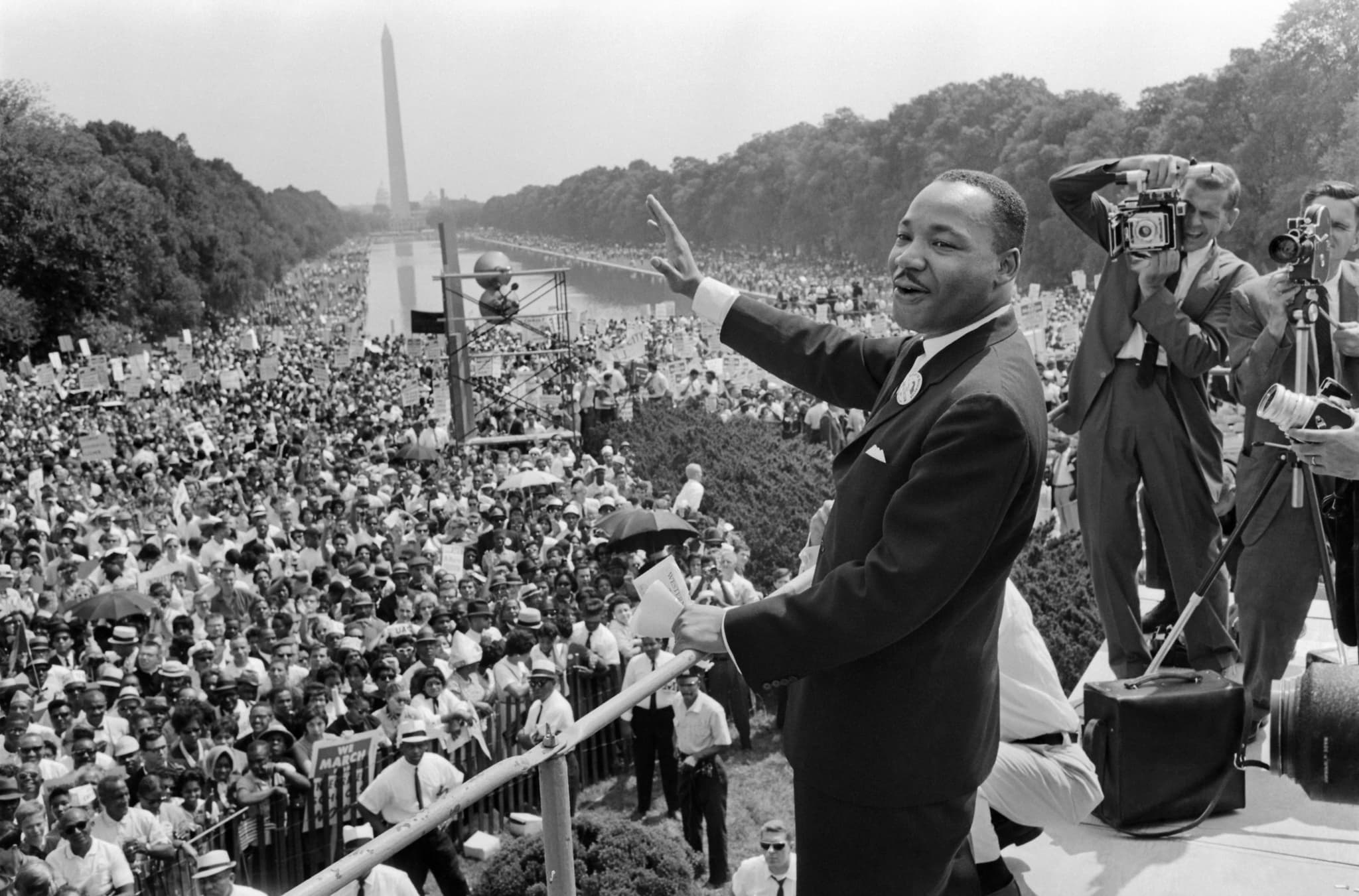
#1 "I Have a Dream" — Martin Luther King Jr. · #2 "We Shall Fight on the Beaches" — Winston Churchill · #3 The Gettysburg Address — Abraham Lincoln
Top 10 Most Controversial Decisions in History
#1 Dropping the Atomic Bombs on Japan (1945) · #2 The Treaty of Versailles (1919) · #3 The Partition of India (1947)
10 Most Iconic Speeches in History — From Gettysburg to the Brandenburg Gate
#1 "I Have a Dream" — Martin Luther King Jr. · #2 "We Shall Fight on the Beaches" — Winston Churchill · #3 "Ask Not What Your Country Can Do for You" — John F. Kennedy
Top 10 Easter Monday Traditions Around the World (2026 Guide)
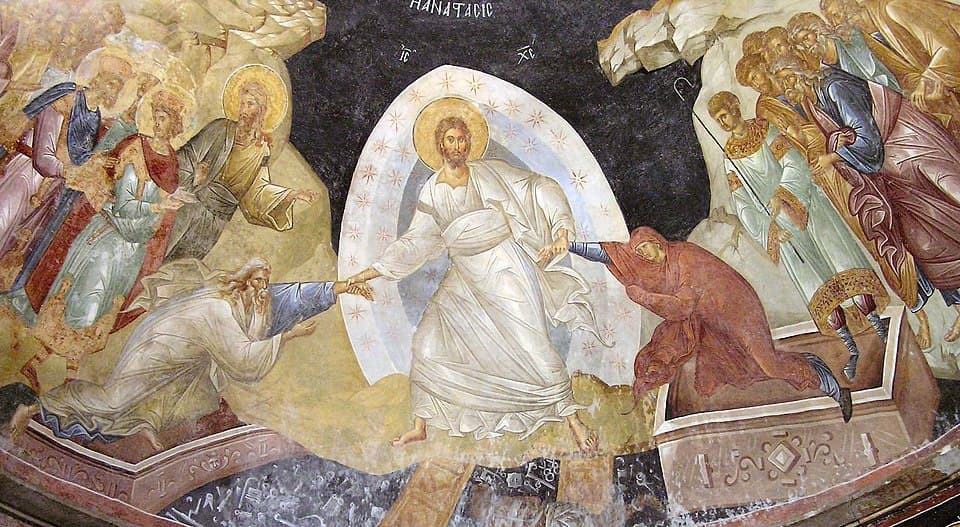
#1 In Greece, Easter Monday Is Bigger Than Easter Sunday · #2 The Echternach Dancing Procession · #3 Australia Added a Third Rabbit to Easter Monday
Top 10 Deadliest Natural Disasters in History
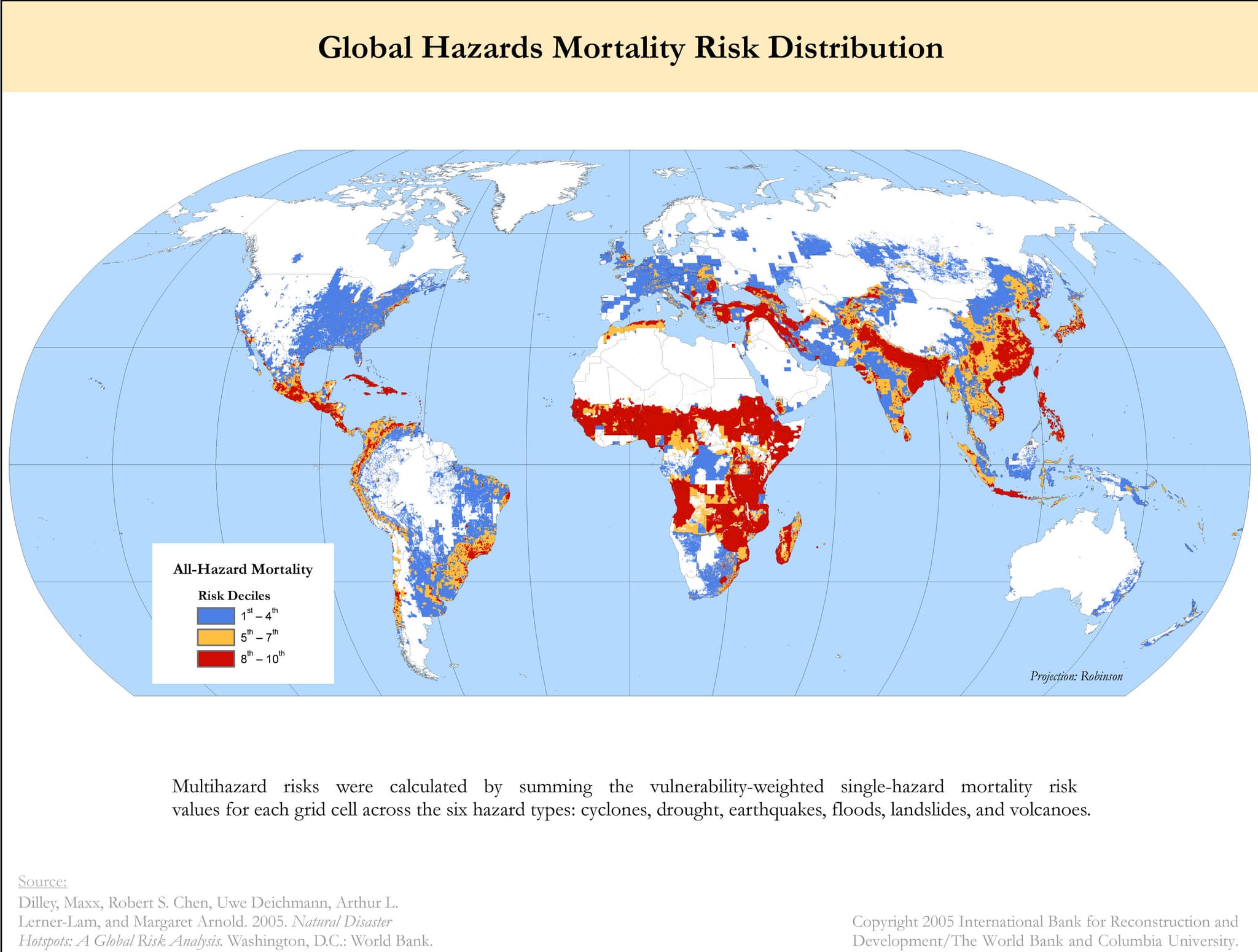
#1 1931 China Floods · #2 1887 Yellow River Flood · #3 1556 Shaanxi Earthquake
Top 10 Greatest Military Commanders in History
#1 Napoleon Bonaparte · #2 Alexander the Great · #3 Julius Caesar