Wikimedia Commons
Top 10 Most Controversial Tech Products
Technology companies have released products that changed the world — and not always for the better. These ten products generated fierce debate about privacy, safety, addiction, and the unintended consequences of innovation moving faster than regulation.
Top10Grid lets the community re-rank anything — this order is our editors' pick for now; use the buttons below to vote it up or down.

Current Rankings
- –

Facebook's News Feed Algorithm is the most powerful misinformation distribution system ever built, connecting 3 billion people while systematically amplifying divisive content. The 2021 Facebook Papers revealed that internal research showed the algorithm pushed users toward extremist groups and that Instagram harmed teenage girls' mental health—findings the company suppressed. The algorithm maximised engagement by prioritizing inflammatory and misleading content, as it generated more clicks and comments.
- –#2
TikTok became the fastest-growing social media platform in history, reaching 1.5 billion users—and the most geopolitically controversial. The US passed a law in 2024 requiring ByteDance to sell TikTok or face a ban, escalating the app into a proxy for US-China tensions. Concerns about Chinese government access to user data led to bans or restrictions in India, the US, and the EU. Its algorithm, optimised for addictive short-form content, has been linked to declining attention spans and teen mental health crises.
- –
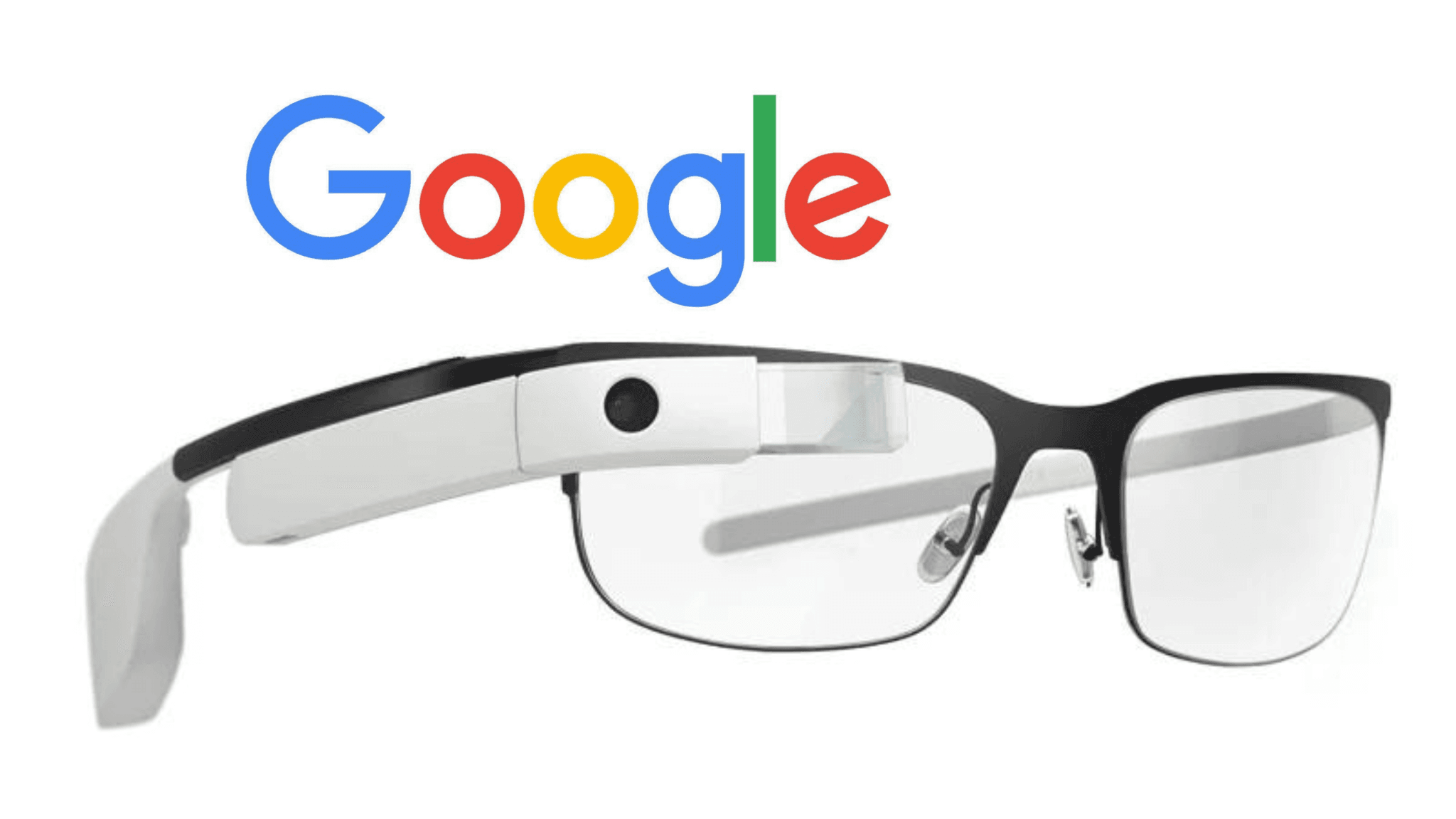
Google Glass, launched in 2013, was the first mainstream attempt at augmented reality eyewear—and became a cultural lightning rod. Wearers were dubbed "Glassholes" for their perceived invasion of others' privacy, leading bars and restaurants to ban the device. With a retail price of $1,500, Google Glass failed commercially but presaged every subsequent debate about facial recognition, always-on cameras, and the social contract around wearable surveillance. At 30% lighter than the average smart eyewear, it set a design benchmark later matched by Apple's Vision Pro, which faces the same tensions a decade later, yet sold 200,000 units in its first year.
- –

Amazon's Alexa smart speaker put an always-listening microphone in over 100 million homes, making it a cornerstone of the smart home market. Investigations revealed that Amazon employed thousands of workers to listen to and transcribe Alexa recordings, including private conversations and intimate moments. Law enforcement subpoenaed Alexa recordings in murder cases, raising unprecedented privacy concerns. The convenience of voice computing came at the price of normalising corporate surveillance, with Amazon storing 1,000 hours of audio per user on average—3x more than comparable devices from rivals like Google Home.
- –
Clearview AI’s facial recognition database remains the most dangerous surveillance tool built by a private company, having scraped over 30 billion photos from social media without consent. It is used by more than 600 law enforcement agencies, leading to fines in the EU, UK, and Australia, as well as bans in several jurisdictions. Its database remains operational despite legal setbacks.
- –

The Boeing 737 MAX’s MCAS system is the most devastating example of prioritizing profit over safety in modern aviation, causing two crashes that killed 346 people. It was designed to compensate for engine placement making the plane prone to stalling, but Boeing concealed MCAS from pilots and regulators to avoid $10 million in retraining costs per airline. The tragedy remains a stark lesson.
- –
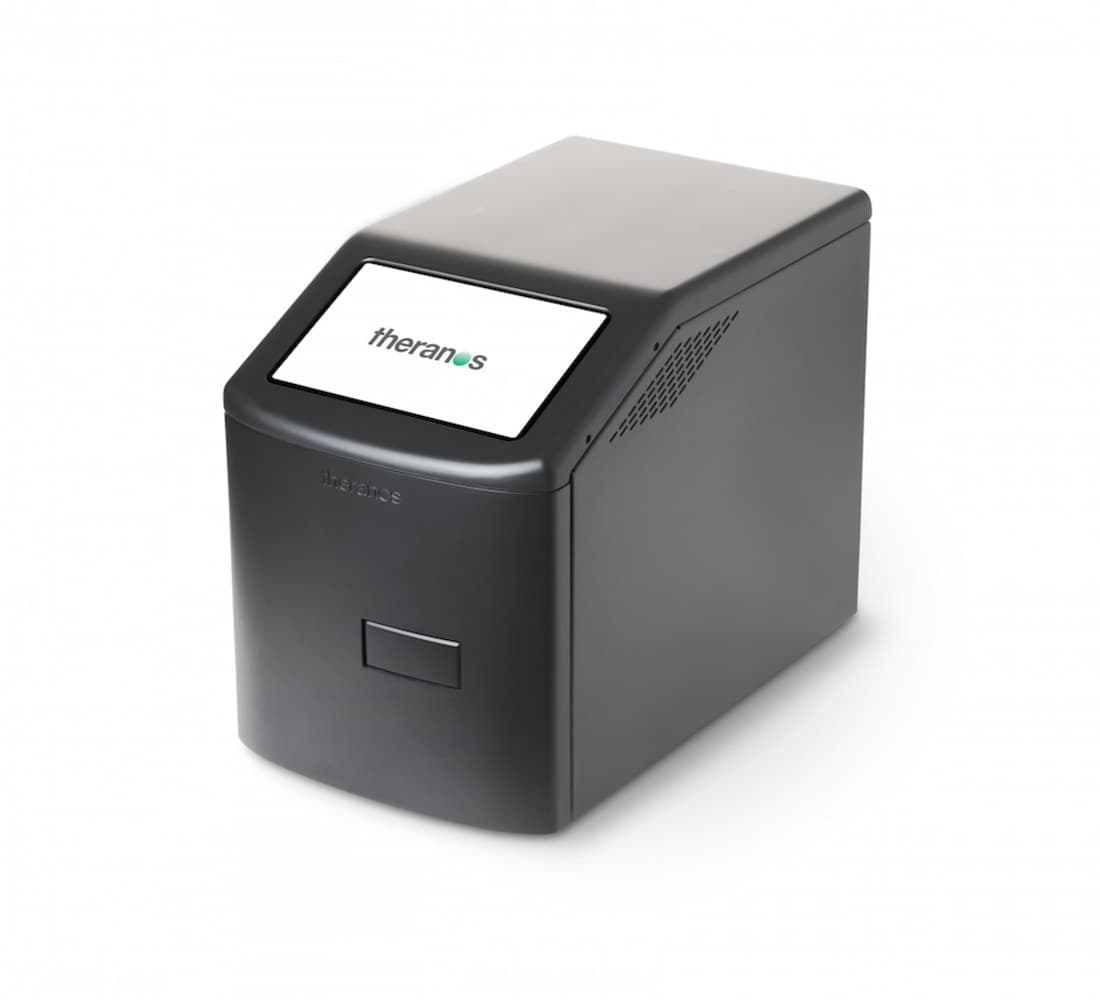
The Theranos blood-testing device became the defining cautionary tale of Silicon Valley’s "fake it till you make it" culture, as Elizabeth Holmes claimed it could run hundreds of medical tests from a single drop of blood, but the technology never worked. Instead, it processed 90% of tests on conventional machines, causing false positive HIV or cancer results for patients and defrauding partners like Walgreens and Safeway. Holmes was convicted of fraud in 2022 and sentenced to 11 years The scam’s $700 million valuation imploded after discovery.
- –

NSO Group’s Pegasus Spyware can covertly access any smartphone—reading messages, tracking location, and activating the camera and microphone—with zero user interaction, making it the most invasive spyware sold to governments. The 2021 Pegasus Project revealed its use to surveil journalists and activists in at least 45 countries, with 85% of targets in jurisdictions lacking judicial oversight. NSO Group was blacklisted by the US Commerce Department.
- –

Uber's ride-sharing platform remains the most disruptive force in global transportation, but its legacy is marred by a cascade of ethical breaches. The company's 'Greyball' software allowed it to evade regulators in cities like Portland, while the 2017 exposure of a toxic corporate culture led to the ouster of founder Travis Kalanick. The 'God View' tool enabled employees to track riders, including journalists, in real time. Uber's business model, which classifies drivers as independent contractors, avoids an estimated $4 billion annually in employment benefits. The 2022 Uber Files leak revealed secret lobbying of world leaders, such as Emmanuel Macron, to bypass taxi regulations. With over 6 million drivers globally, Uber redefined urban mobility.
- –
ChatGPT, launched in November 2022, achieved 100 million users in two months, making it the fastest-growing consumer app in history and igniting an AI arms race. The model's training on internet data raised unprecedented copyright concerns, with lawsuits alleging $3 billion in damages from unauthorized use. Unlike Uber's platform disruption, which focused on regulatory evasion, ChatGPT's controversy centers on existential risks: academic integrity violations have led to a 60% increase in plagiarism cases at US universities, and job displacement fears affect over 300 million knowledge workers. Italy's temporary ban set a precedent, outpacing Uber's piecemeal regulatory battles, while the EU's AI Act imposes fines up to 6% of global revenue.
Image credits
- Facebook's News Feed Algorithm: Facebook / Wikipedia
- TikTok: TikTok / Wikipedia
- Google Glass: Bing Images / www.visiofactory.com
- Amazon Alexa / Echo: Amazon Alexa / Wikipedia
- Boeing 737 MAX MCAS System: Boeing 737 MAX certification / Wikipedia
- Theranos Blood Testing Device: Bing Images / media3.s-nbcnews.com
- Uber's Ride-Sharing Platform: Uber / Wikipedia
- ChatGPT and Large Language Models: ChatGPT / Wikipedia
Related Videos
Frequently asked questions
What makes a tech product controversial?
A tech product becomes controversial due to privacy violations, security flaws, ethical concerns, legal disputes, or negative social impact, often sparking public debate or regulatory action.
Which products are typically on a list of most controversial tech products?
Common examples include the Samsung Galaxy Note 7 (battery fires), Facebook Portal (privacy concerns), Google Glass (surveillance worries), and the iPhone 4 (antenna issues), among others.
Are controversial tech products still available for purchase?
Some have been discontinued or recalled (e.g., Galaxy Note 7), while others remain on the market with modifications, warnings, or limited adoption depending on the controversy.
How do controversies affect a tech product's long-term success?
Controversies can lead to recalls, lawsuits, brand damage, or sales declines, but some products recover through fixes, rebranding, or niche markets, while others fail entirely.
What are the most recent controversial tech products?
Recent examples include the Humane AI Pin (privacy and performance issues), Apple Vision Pro (price and practicality concerns), and Amazon Astro (home surveillance fears).
Rank it your way
Remix this list into your own ranking, or head to the play hub for every game mode and community breakdown — blind mode, challenges, tier lists, and more.
You Might Also Like

Top 10 Most Overhyped Tech Products That Flopped
Top 10 Most Overhyped Tech Products That Flopped

Top 10 Worst Social Media Platforms for Privacy
Top 10 Worst Social Media Platforms for Privacy
Top 10 Most Overhyped Technologies
Top 10 Most Overhyped Technologies

Top 10 US 5G Technology Leaders in 2025: Carriers, RAN Vendors & Tower Companies
#1 Verizon · #2 T-Mobile · #3 AT&T

Top 10 Tech Predictions That Aged So Badly They're Now Legendary
#1 "The internet will collapse" — Robert Metcalfe, 1995 · #2 "No one will buy a computer for home use" — Ken Olsen, 1977 · #3 "Email is just a passing fad" — Numerous executives, 1990s
Top 10 Ars Technica — Latest — September 2, 2026
#1 US court rules Google will not have to sell ad exchange after losing antitrust case · #2 Toyohiro Akiyama, first Japanese citizen and journalist in space, dies at 84 · #3 The Army just used a 20-kilowatt laser to take out three drones