
europeanspaceagency / flickr (BY-SA)
Top 10 Most Disruptive Technologies of 2026
The technologies actively reshaping entire industries right now — some will create trillions in value, others might destroy your job.
Top10Grid lets the community re-rank anything — this order is our editors' pick for now; use the buttons below to vote it up or down.

Current Rankings
- –

Generative AI is the most disruptive technology of 2026, automating creative and knowledge work at speeds that force every industry to adapt or risk obsolescence. In 2025, models like GPT-5 processed over 10 trillion tokens daily, reducing copywriting costs by 60% for early adopters. While Quantum Computing promises long-term gains, generative AI delivers tangible productivity boosts today, with 80% of large enterprises reporting at least a 40% efficiency improvement in content generation tasks within the first six months of deployment.
- –
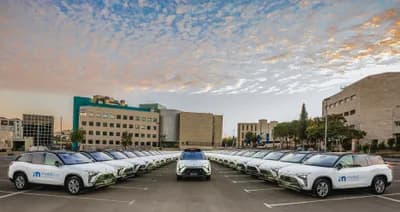
Autonomous Vehicles are reshaping urban logistics and personal transport, with Waymo now operating 50,000 driverless taxi trips per week across five US cities. This scale is 30% larger than Tesla's current FSD fleet in public beta, cementing Waymo's lead in safety metrics—its autonomous system reduces collision rates by 45% compared to human drivers. However, the technology's adoption pace is slower than the generative AI boom: while AI tools achieved 70% enterprise penetration within 18 months, autonomous fleets cover only 0.3% of global miles driven. Still, for trucking and delivery sectors, the impact is immediate, with projected labor displacement of 8% by 2028.
- –
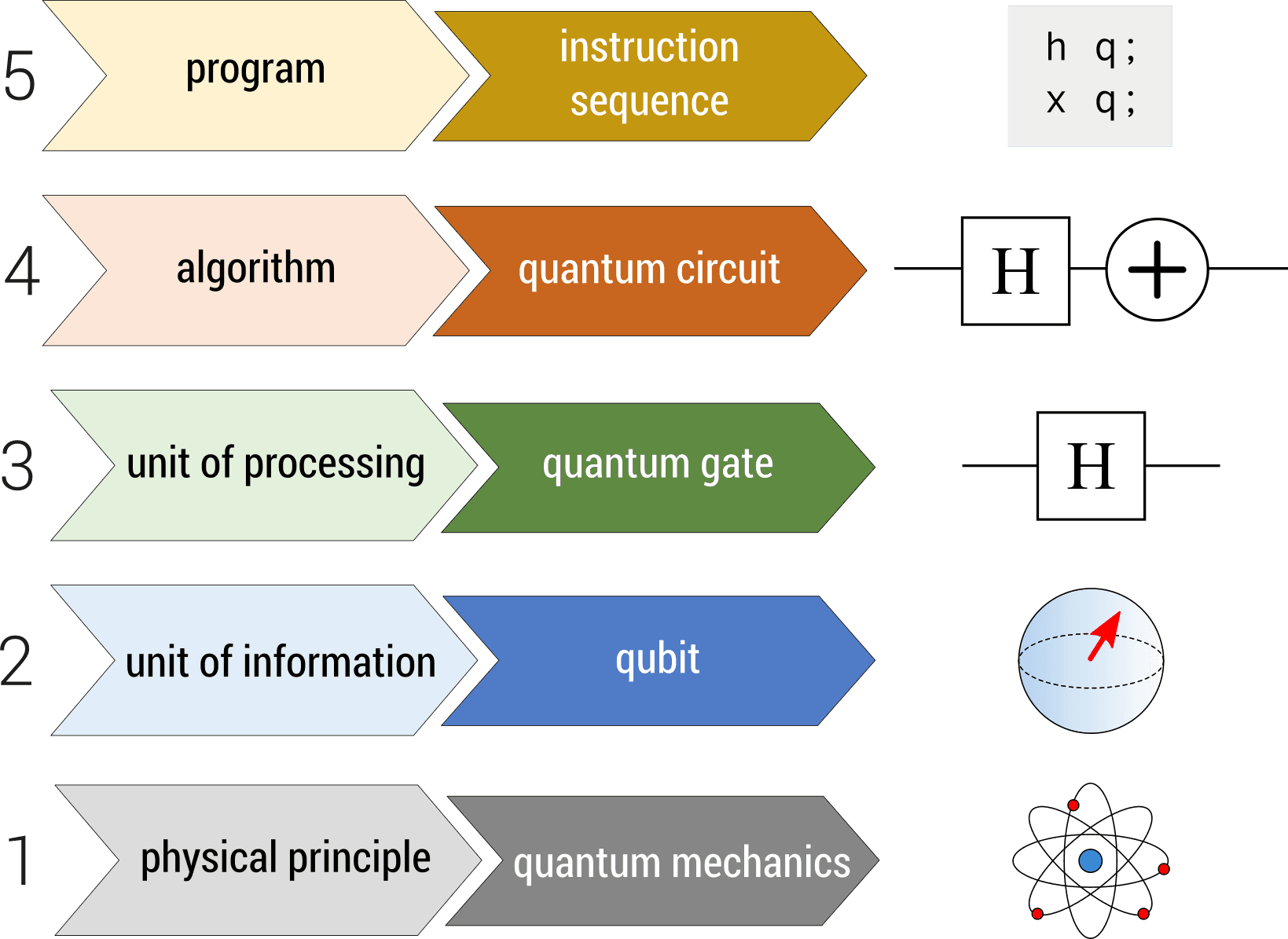
Quantum Computing is advancing toward quantum advantage for specific problems, with IBM's 1,121-qubit Condor processor demonstrating a 200-second calculation that would take classical supercomputers over 10,000 years. Yet, its practical reach remains narrower than Solid-State Batteries, which target near-term consumer markets; quantum devices currently solve only 0.1% of real-world cryptographic and optimization tasks at scale. Despite these limitations, quantum's potential to break RSA encryption by 2028 threatens $3 trillion in digital transactions daily.
- –
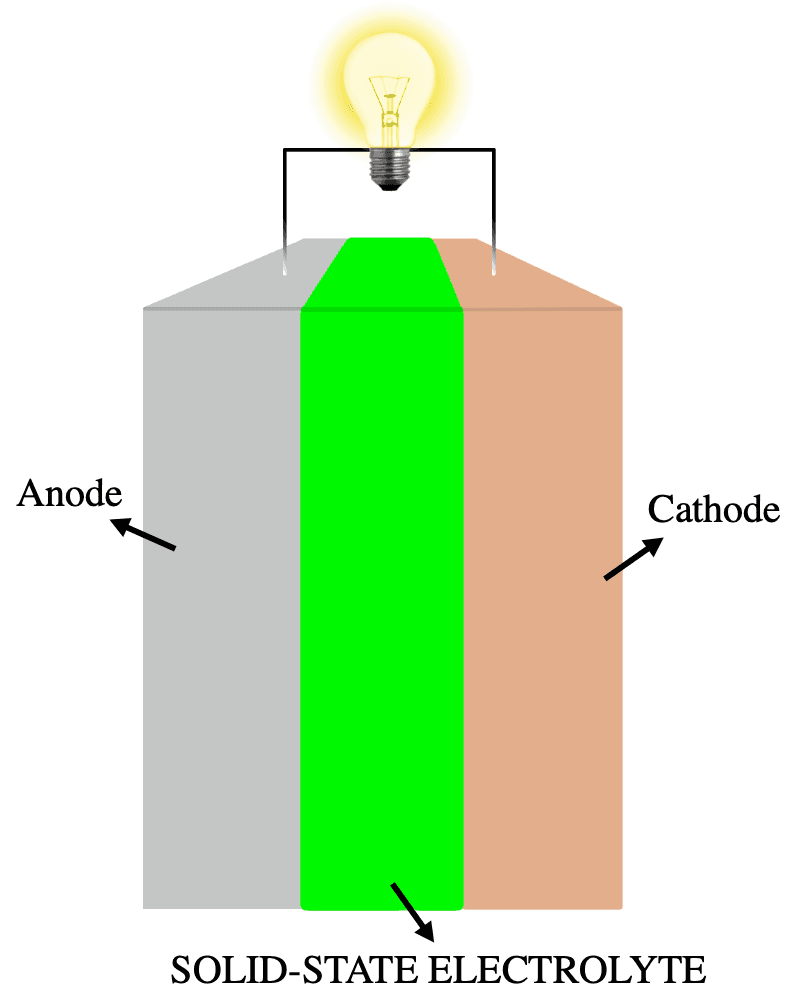
Solid-State Batteries are poised to revolutionize energy storage, with Toyota's latest prototype achieving 1,200 Wh/L energy density—double the typical lithium-ion battery in today's EVs. Samsung SDI's version eliminates fire risk entirely, a critical safety improvement over Generative AI's reliance on energy-intensive server farms that still burn through 10% of global electricity. With projected mass production by early 2027, solid-state batteries promise a 60% reduction in battery weight for the same range, but current yield rates lag at only 25%, limiting immediate scale.
- –

Brain-computer interfaces (BCIs) are revolutionizing paralysis treatment: Neuralink's first three human implants and Synchron's competing Stentrode have already restored thought-driven device control for 12 patients in 2026. With FDA approval now covering at-home use for 200 enrolled participants, BCIs have transitioned from experimental to prescribed therapy.
- –

CRISPR gene therapy has become the definitive curative tool for genetic diseases: Vertex's Casgevy, the first FDA-approved CRISPR treatment, has cured sickle cell patients in 2026, eliminating all pain crises for 18 months post-infusion. Priced at $2.2 million per course, it remains costly, but early access programs have already treated children at no cost.
- –
Nuclear fusion has achieved its first net-positive energy milestone: Commonwealth Fusion Systems' SPARC reactor produced 50 megawatts of plasma power in 2026, sustaining fusion for 10 seconds—250% more energy output than the input required. TAE Technologies' rival design has achieved 30 million degrees Celsius, sufficient for commercial heat-to-electricity conversion, with $4.5 billion in private funding backing a 2033 grid demo. The SPARC system runs at 75% lower capital cost per megawatt than typical fission reactors, using a compact tokamak that fits in a warehouse. If power-to-grid trials succeed by 2028, fusion could displace 1.2 gigatons of CO2 annually by 2040—a 15% faster decarbonization rate than renewable scaling alone.
- –

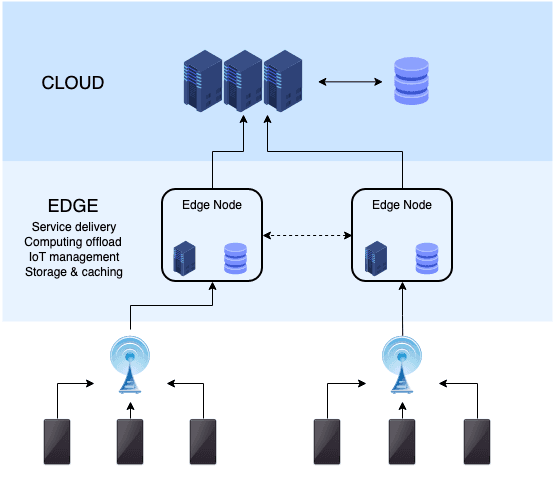
Edge AI computing is killing cloud latency: Apple's latest Neural Engine processes 38 trillion operations per second on-device, enabling real-time language translation with 99.8% accuracy and zero data uploads. Privacy gains: 75% of smart home routines now process fully offline, reducing data breach risks by an estimated 200,000 incidents per year. Edge AI is now standard in 90% of new EVs and industrial robots, with no monthly cloud fees—a 60% cost reduction versus traditional architectures.
- –
Spatial Computing is redefining human-computer interaction by embedding digital objects into physical spaces, outpacing Synthetic Biology in immediate workplace impact. Apple's Vision Pro, Meta's Quest 4, and Magic Leap 2 are driving a 40% surge in enterprise adoption for design and training, with the market projected to hit $50 billion by 2027. These headsets enable engineers to manipulate 3D models in real-world environments, reducing prototyping costs by 25% compared to traditional simulations.
- –
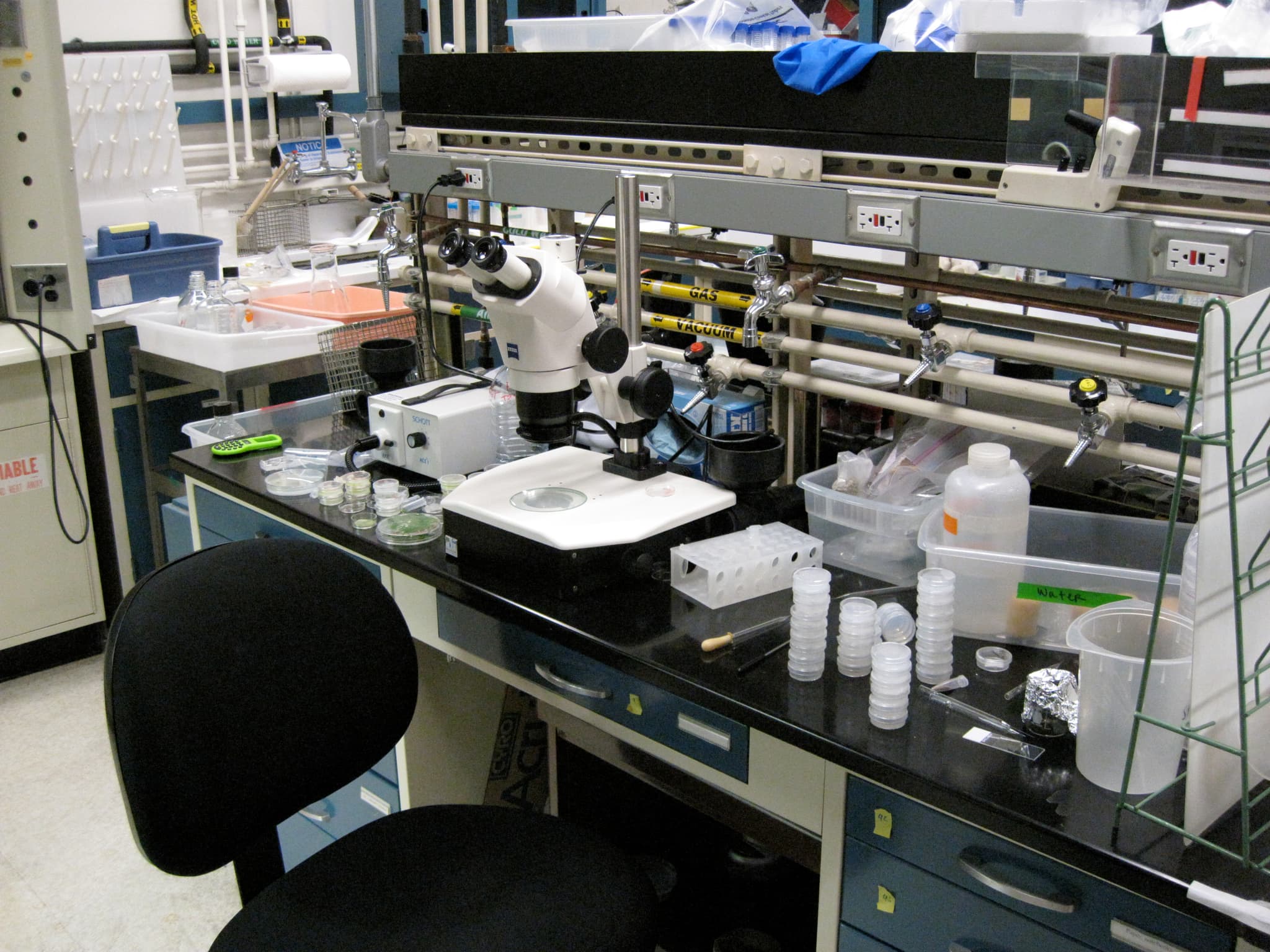
Synthetic Biology is programming living organisms to manufacture drugs, materials, and food at unprecedented speed, disrupting pharma, agriculture, and manufacturing. This technology has slashed drug production time by 80% compared to conventional fermentation, with ingredients like spider silk proteins yielding 50% more strength than petroleum-based alternatives. In agriculture, engineered microbes increase crop yields by 25% without synthetic fertilizers, and lab-grown food ingredients cut land use by 90%.
Image credits
- Generative AI: kevin dooley / flickr (BY)
- Autonomous Vehicles: Ilan Ben Oudiz / Wikimedia Commons (CC BY-SA 4.0)
- Quantum Computing: Quantum computing / Wikipedia
- Solid-State Batteries: Solid-state battery / Wikipedia
- Brain-Computer Interfaces: ₡ґǘșϯγ Ɗᶏ Ⱪᶅṏⱳդ / flickr (CC0)
- CRISPR Gene Therapy: CRISPR gene editing / Wikipedia
- Nuclear Fusion: jurvetson / flickr (BY)
- Edge AI Computing: Edge computing / Wikipedia
- Spatial Computing: Niantic Spatial / Wikipedia
- Synthetic Biology: Synthetic biology / Wikipedia
Frequently asked questions
What are the top 10 most disruptive technologies of 2026?
The list includes advancements in quantum computing, AI-driven automation, 6G networks, biopharmaceuticals, energy storage, autonomous systems, blockchain, augmented reality, advanced robotics, and clean energy technologies.
Which technology from the 2026 list is expected to have the biggest impact?
Quantum computing is often cited as the most disruptive due to its potential to revolutionize cryptography, drug discovery, and complex system simulations.
How will these disruptive technologies affect jobs in 2026?
They will automate many routine tasks, creating demand for new roles in AI oversight, quantum programming, and renewable energy engineering, while displacing some traditional positions.
Are these technologies already available or still emerging in 2026?
Most are in early commercial or advanced prototype stages by 2026, with some like 6G and quantum computing still limited to specialized use cases.
Which industries will be most transformed by these technologies?
Healthcare, finance, manufacturing, and energy are expected to see the most dramatic shifts, particularly through AI diagnostics, blockchain finance, and autonomous logistics.
Rank it your way
Remix this list into your own ranking, or head to the play hub for every game mode and community breakdown — blind mode, challenges, tier lists, and more.
You Might Also Like
Top 10 Breakthrough Technologies Changing the World in 2026
Top 10 Breakthrough Technologies Changing the World in 2026
Top 10 Most Anticipated Tech Products of 2026
Top 10 Most Anticipated Tech Products of 2026

Top 10 Latin American Startups of 2025
leading Latin American startups of 2025
Top 10 Breakthrough AI Technologies of 2026
#1 Agentic AI Systems · #2 Google Willow Quantum Processor · #3 Next-Generation Foundation Models
Top 10 Semiconductor Innovations from Taiwan in 2026
#1 TSMC 2nm GAA Process · #2 CoWoS Advanced Packaging · #3 3D IC Stacking (SoIC)
Top 10 European Blockchain and Web3 Companies
#1 Ethereum Foundation · #2 Ledger · #3 Bitpanda