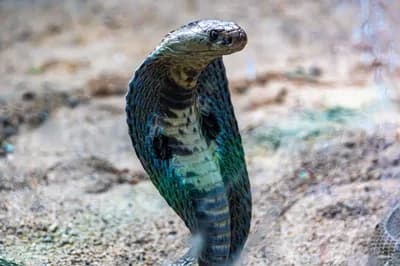
Regan Dsouza / Pexels
Top 10 Most Lethal Animal Venoms on Earth Ranked by Murine LD50 Toxicity
Ten of the world's most venomous animals, ranked by the murine LD50 of their venom: the dose that kills half of test mice, so a lower figure means a deadlier venom. The list runs from Australia's inland taipan and box jellyfish to cone snails, scorpions and the Brazilian wandering spider.
Top10Grid lets the community re-rank anything — this order is our editors' pick for now; use the buttons below to vote it up or down.

Current Rankings
- –
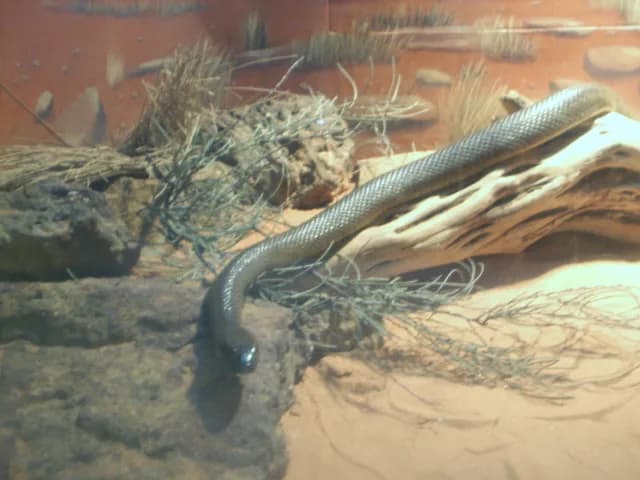
Inhabiting the arid black-soil clay plains of central-eastern Australia, the Inland Taipan (also called the 'Fierce Snake') produces the most biochemically toxic venom of any terrestrial reptile. With a murine subcutaneous LD50 of 0.025 mg/kg, its venom contains oxylepitoxin, a devastating cocktail of presynaptic neurotoxins, procoagulants that cause blood to clot solidly in veins, and myotoxins that dissolve muscle tissue. The most toxic terrestrial venom known to biological science, capable of killing in under 45 minutes. Ranks #1 above the Box Jellyfish in absolute molecular toxicity: its 0.025 mg/kg LD50 is roughly 50 times more toxic than that of a common Indian Cobra, making it the uncontested pinnacle of evolutionary chemical weaponry.
- –
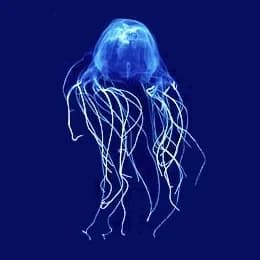
Inhabiting the coastal waters of northern Australia and the Indo-Pacific, Chironex fleckeri is widely considered the most dangerous marine creature on earth. Possessing up to 60 tentacles extending three meters long, each loaded with millions of harpoon-like nematocysts, its venom punches porous holes directly into cardiac cell membranes, causing massive potassium leakage, hyperkalemia, and fatal cardiac arrest within minutes. The fastest-acting venom on earth, inducing cardiovascular collapse before victims can reach shore. Ranks #2 beneath Inland Taipan in pure dry-weight LD50, but holds the terrifying distinction of having the fastest fatal onset in the animal kingdom—capable of causing irreversible cardiac arrest in as little as 120 seconds.
- –
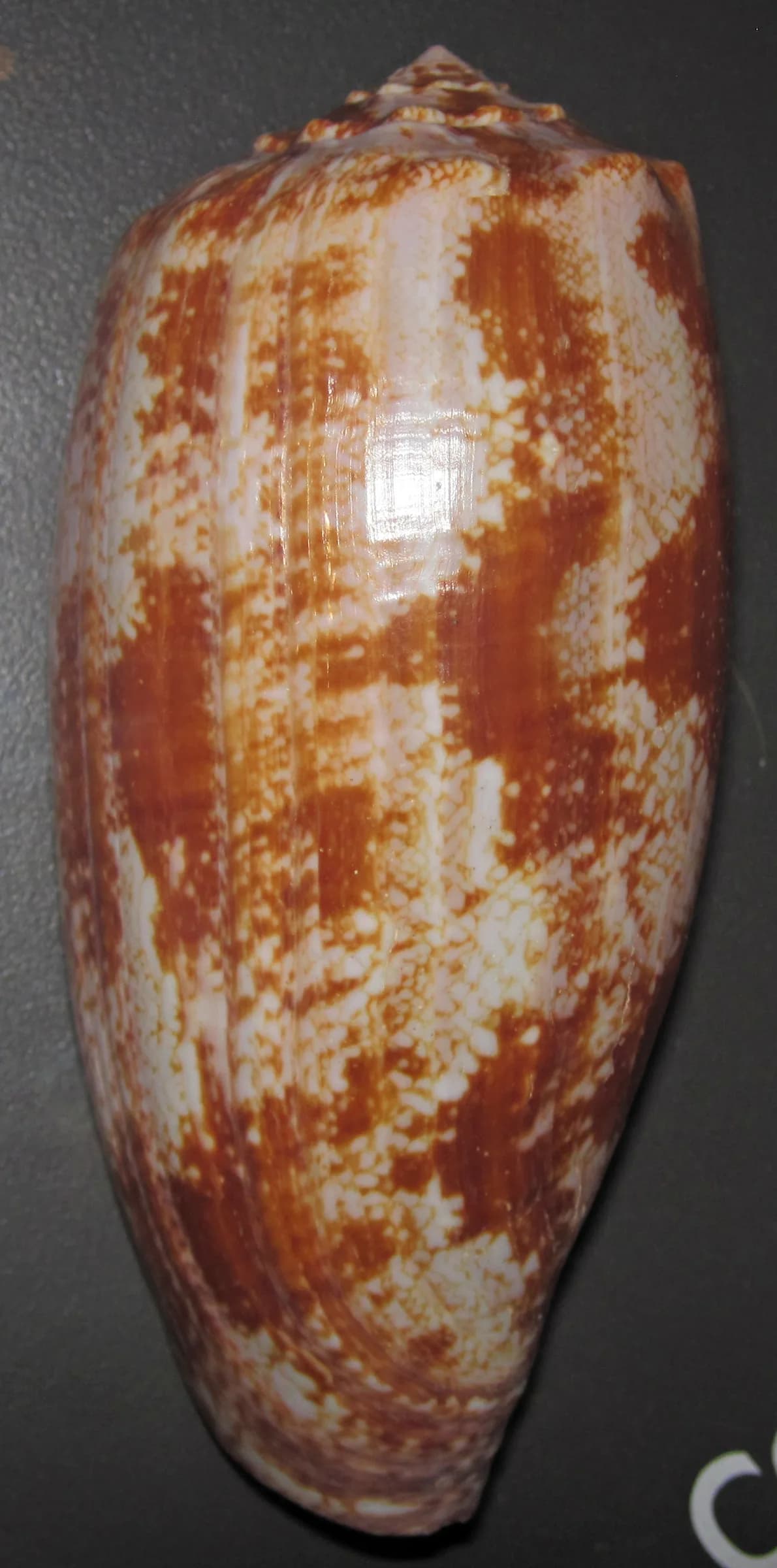
Dwelling in the coral reefs of the Indo-Pacific, Conus geographus hunts fish using a specialized hollow, barbed radular tooth fired like a miniature harpoon. Its venom contains 'nirvana cabal' conotoxins—hundreds of peptides including conantokins and conopressins that block voltage-gated calcium, sodium, and potassium channels. Victims feel virtually no pain as complete diaphragmatic suffocation occurs within an hour. Produces hundreds of specialized conotoxins with no available antivenom, nicknamed the 'cigarette snail'. Ranks #3 below Box Jellyfish because of slower onset, but outranks Blue-Ringed Octopus because there is zero antivenom in existence for conotoxins; treatment relies entirely on manual mechanical life support until peptides metabolize.
- –
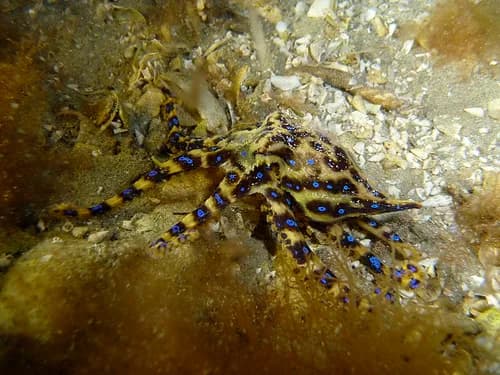
Measuring only 12 to 20 centimeters across, the Blue-Ringed Octopus inhabits coral reefs and tide pools around Australia and Japan. Flashing iridescent sapphire rings when provoked, its saliva contains symbiotic bacteria producing tetrodotoxin (TTX)—a potent sodium channel blocker 1,000 times deadlier than cyanide. A single painless nip causes total body paralysis while the victim remains fully conscious. Contains lethal tetrodotoxin that blocks sodium channels, paralyzing humans while fully conscious. Ranks #4 beneath Cone Snail due to tiny physical volume, but stands above Sydney Funnel-Web Spider because TTX induces complete voluntary motor and diaphragmatic paralysis in under 10 minutes without producing any pain sensation to alert the victim.
- –
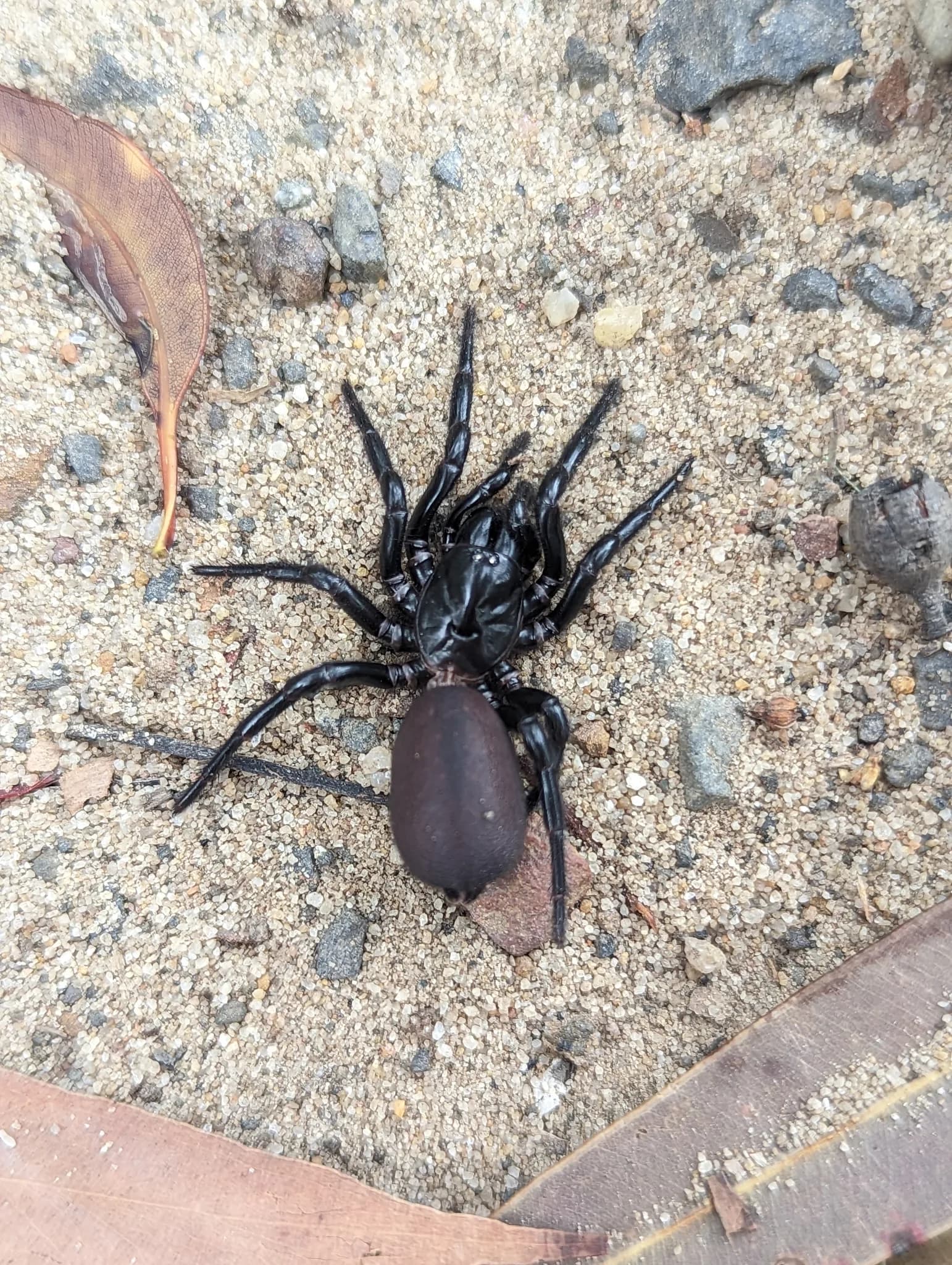
Found within 100 miles of Sydney, Australia, the male Sydney Funnel-Web Spider produces venom up to six times more toxic to humans than the female. Equipped with massive downward-striking fangs that can bite through fingernails and shoe leather, its venom contains Delta-atracotoxin—a neurotoxin that specifically targets voltage-gated sodium channels in primates, triggering violent autonomic storms, pulmonary edema, and spasms. Possesses terrifying Delta-atracotoxins evolved with lethal specificity for primate nervous systems. Ranks #5 below marine TTX/conotoxin creatures because a highly effective rabbit-serum antivenom was introduced in 1981 (with zero human deaths since), but surpasses Dubois' Sea Snake due to its hyper-aggressive defense displays and urban residential proximity.
- –
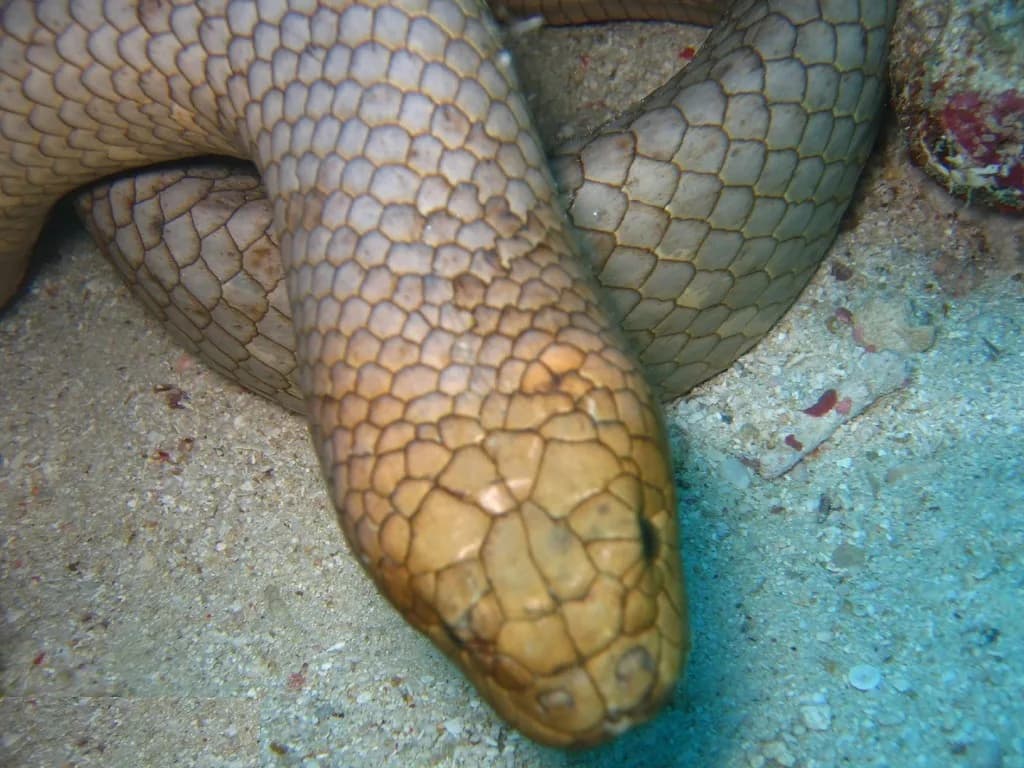
Ranging across coral reefs of the Coral Sea, Arafura Sea, and western Australia, Dubois' Sea Snake is the most venomous sea snake on earth and the third most venomous snake overall. Operating with an ultra-potent subcutaneous murine LD50 of 0.044 mg/kg, its venom contains both postsynaptic neurotoxins and severe myotoxins that break down skeletal muscle tissue and flood the kidneys with myoglobin. The most venomous sea snake on Earth, equipped with dual neurotoxic and muscle-dissolving myotoxins. Ranks #6 beneath Funnel-Web Spider because sea snakes possess docile temperaments and rarely inject full venom when biting humans defensively, but outranks Deathstalker Scorpion in pure laboratory LD50 lethality.
- –
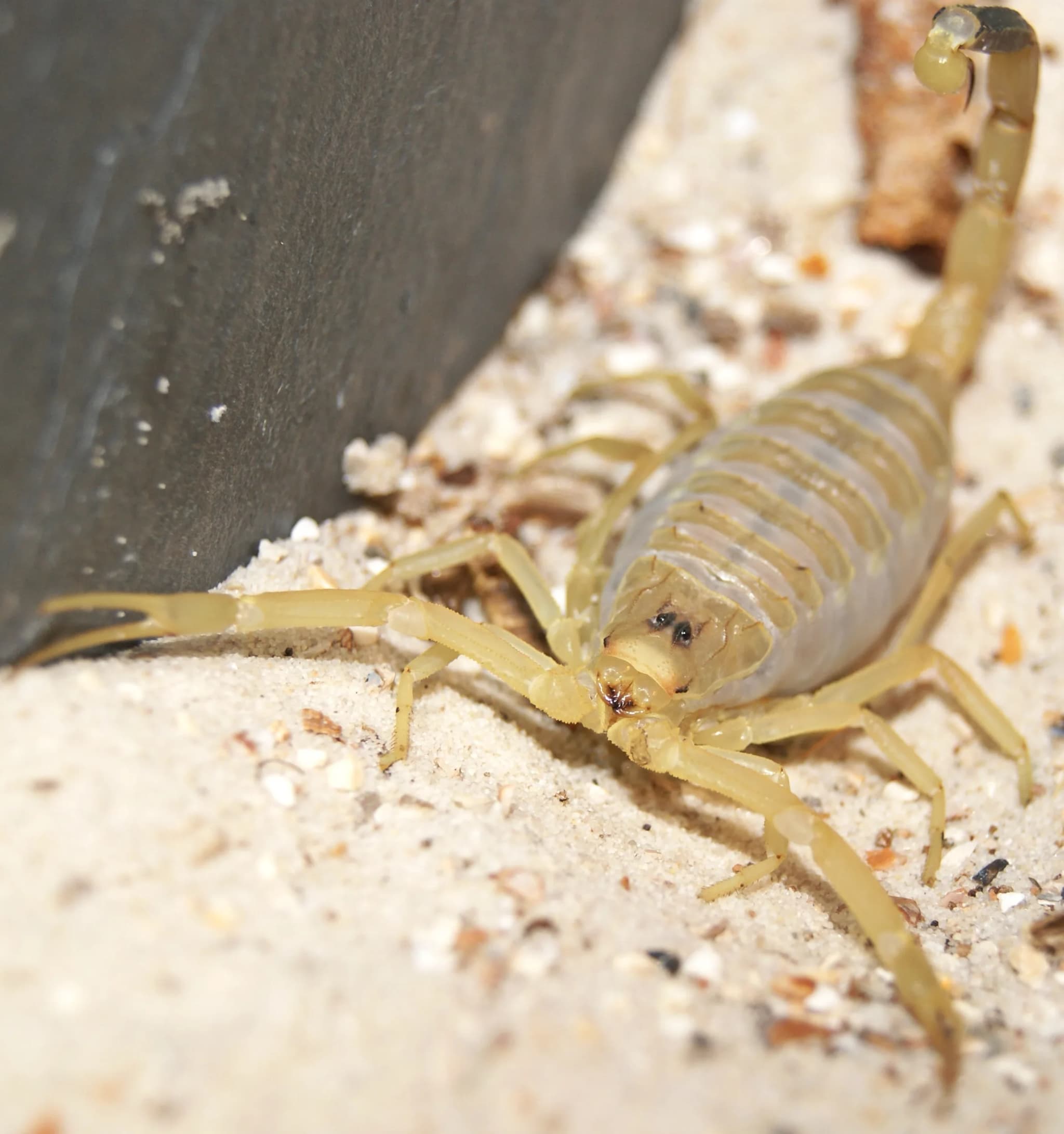
Inhabiting the arid deserts and scrublands of North Africa and the Middle East, the Deathstalker is considered the most dangerous scorpion species on earth. Its venom is an extraordinarily potent cocktail of neurotoxins including chlorotoxin, charybdotoxin, and scyllatoxin. While healthy adults endure excruciating pain and fever, envenomation in young children rapidly causes pulmonary edema and cardiac failure. The most toxic scorpion species on Earth, famous for chlorotoxin peptide oncology breakthroughs. Ranks #7 behind Dubois' Sea Snake because healthy adult humans rarely die from a single sting, but beats Black Mamba on dry-weight LD50 (0.25 mg/kg) and groundbreaking medical utility (chlorotoxin 'tumor paint').
- –
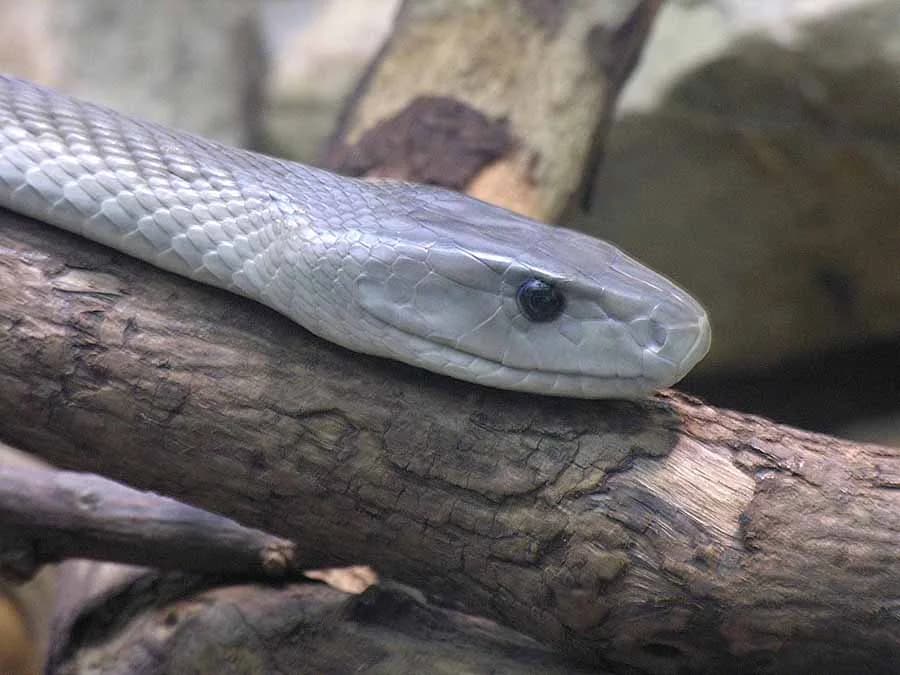
Native to the savannas and rocky hills of sub-Saharan Africa, the Black Mamba is universally dreaded for its explosive speed (up to 20 km/h) and massive venom delivery. Injecting up to 400 mg of venom in repeated lightning strikes (where 10-15 mg is fatal to humans), its dendrotoxins block potassium channels, paralyzing motor nerves and causing 100% human mortality within hours if untreated. Possesses a historic 100% untreated fatality rate, pairing blistering speed with massive 400mg venom loads. Ranks #8 beneath Deathstalker on pure molecular LD50 (0.28 vs 0.20 mg/kg), but crushes Saw-Scaled Viper in speed and sheer strike volume: a single bite delivers enough venom to kill 15-20 men, resulting in a historical 100% fatality rate before antivenom.
- –
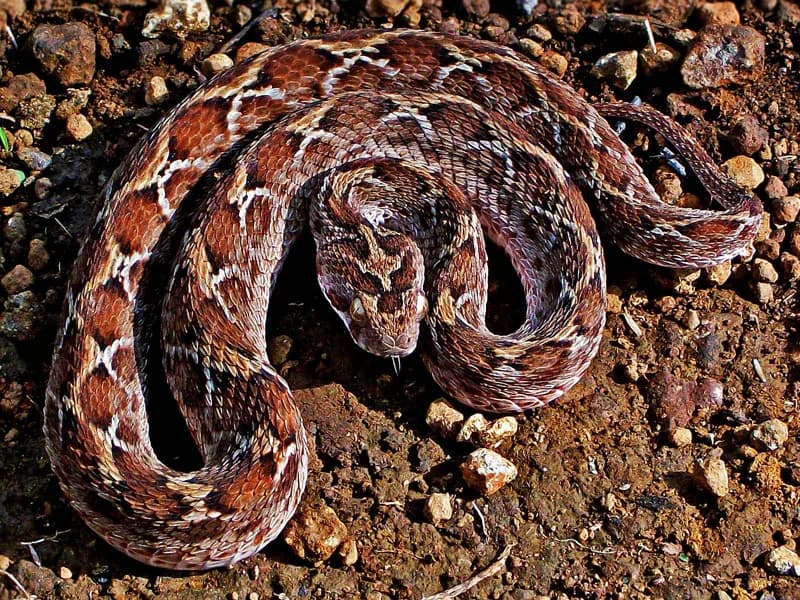
Ranging across dry zones of the Middle East, Central Asia, and the Indian subcontinent, the Saw-Scaled Viper is small (30-80 cm) but exceptionally aggressive. Rubbing its serrated keeled scales together to emit a loud sizzling hiss, its venom contains echistatin, a ferocious procoagulant metalloproteinase that causes uncontrollable systemic hemorrhaging, spontaneous brain bleeding, and kidney destruction. Responsible for more human snakebite fatalities globally than any other venomous reptile. Ranks #9 behind Black Mamba in individual LD50 and venom yield, but outranks Brazilian Wandering Spider because Echis carinatus is responsible for more human deaths worldwide annually than any other snake on earth due to its camouflage and rural agricultural overlap.
- –
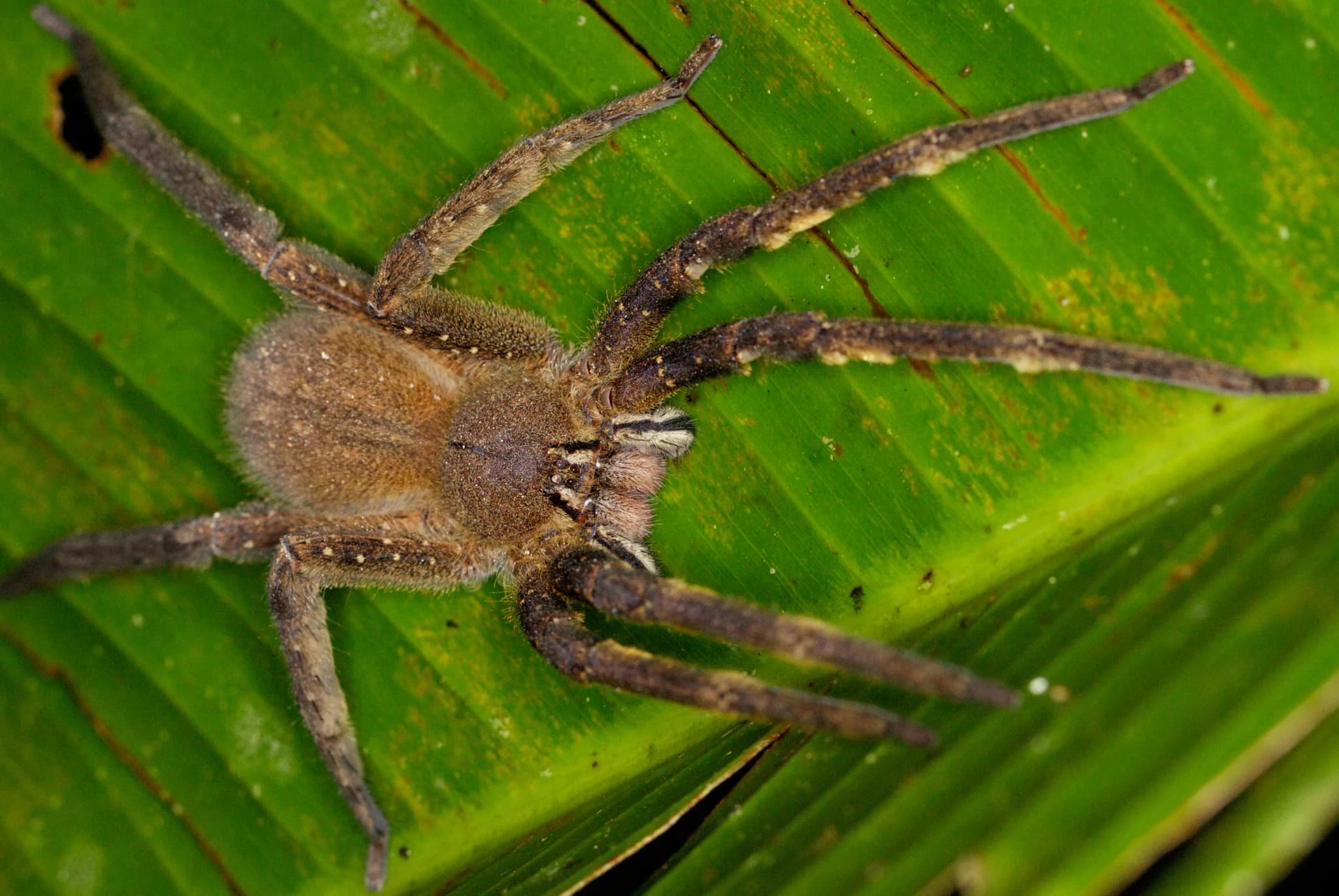
Roam the forest floors and banana plantations of South America, the Brazilian Wandering Spider (Phoneutria) is named for its active nocturnal hunting rather than building webs. Armed with potent PhTx3 neurotoxins that activate voltage-gated calcium channels, its bite produces searing systemic pain, cold sweats, loss of muscle control, and severe priapism in male victims. Guinness World Record holder for the most toxic spider in the Americas, producing agonizing PhTx3 neurotoxins. Ranks #10 completing the deadliest venoms ranking; while effective antivenom and dry bites keep modern human mortality low, the raw neurotoxic potency of PhTx3 makes Phoneutria the most toxic arachnid in the Americas according to the Guinness World Records.
Image credits
- Inland Taipan (Oxyuranus microlepidotus): Wikimedia Commons / Public Domain
- Sea Wasp / Box Jellyfish (Chironex fleckeri): Wikimedia Commons / CC0 1.0
- Geographic Cone Snail (Conus geographus): Wikimedia Commons / CC BY 2.0 (James St. John)
- Blue-Ringed Octopus (Hapalochlaena maculosa / lunulata): Wikimedia Commons / CC BY-SA 2.0 (Sylke Rohrlach)
- Sydney Funnel-Web Spider (Atrax robustus): iNaturalist / CC BY 4.0 (Rosie Steinberg)
- Dubois' Sea Snake (Aipysurus duboisii): Wikimedia Commons / CC BY-SA 3.0 (Richard Ling)
- Deathstalker Scorpion (Leiurus quinquestriatus): Wikimedia Commons / CC BY-SA 3.0 (Danny S.)
- Black Mamba (Dendroaspis polylepis): Wikimedia Commons / CC BY 2.0 (Dick Culbert)
- Saw-Scaled Viper (Echis carinatus): Wikimedia Commons / CC BY-SA 4.0 (Shantanu Kuveskar)
- Brazilian Wandering Spider (Phoneutria nigriventer): Wikimedia Commons / CC BY-SA 2.0 (Bernard DUPONT)
Rank it your way
Remix this list into your own ranking, or head to the play hub for every game mode and community breakdown — blind mode, challenges, tier lists, and more.
You Might Also Like

Top 10 Lakes of Indonesia 2026
Top 10 Most Lethal Animal Venoms on Earth Ranked by Murin...
Top 10 National Parks in Thailand in 2026
Top 10 National Parks in Thailand in 2026

Top 10 Worst Air Quality Cities
Top 10 Worst Air Quality Cities

Top 10 Ethical Wildlife Encounters in Thailand (2026 Guide)
Top 10 Ethical Wildlife Encounters in Thailand (2026 Guide)
Top 10 Wildlife Encounters in Taiwan in 2026
#1 Formosan Black Bear · #2 Green Sea Turtles, Little Liuqiu · #3 Black-Faced Spoonbill, Taijiang
Top 10 National Parks and Nature Areas in Taiwan in 2026
#1 Taroko National Park · #2 Yushan National Park · #3 Yangmingshan National Park