Top 10 Richest Companies in the World by Market Cap in 2026 — Ranked by Actual Wealth
The ten most valuable companies on Earth collectively represent over $20 trillion in market capitalization — more than the GDP of every country except the United States and China. These are the enterprises that define the global economy: the platforms billions interact with daily, the chips that power every AI model, the stores that sell everything, and the pharmaceuticals keeping people alive. What makes this list remarkable is how dominated it is by American technology companies and how recently most of them achieved their current scale. Ten years ago, half of these firms did not exist in their current form.
Top10Grid lets the community re-rank anything — this order is our editors' pick for now; use the buttons below to vote it up or down.

Current Rankings
- –#1
Apple — $3.5 Trillion
Apple surpassed $3.5 trillion in market capitalization in 2025, making it the most valuable company in human history. Under Tim Cook, Apple has transformed from a premium hardware company into a services and ecosystem business: the App Store, Apple Music, iCloud, Apple TV+, Apple Pay, and Apple Intelligence collectively generate over $100 billion annually. The iPhone remains the most profitable consumer product ever created, generating roughly $50 billion in operating profit annually. Apple employs 164,000 people but its products are used by 2 billion active devices worldwide.
- –#2
Nvidia — $3.2 Trillion
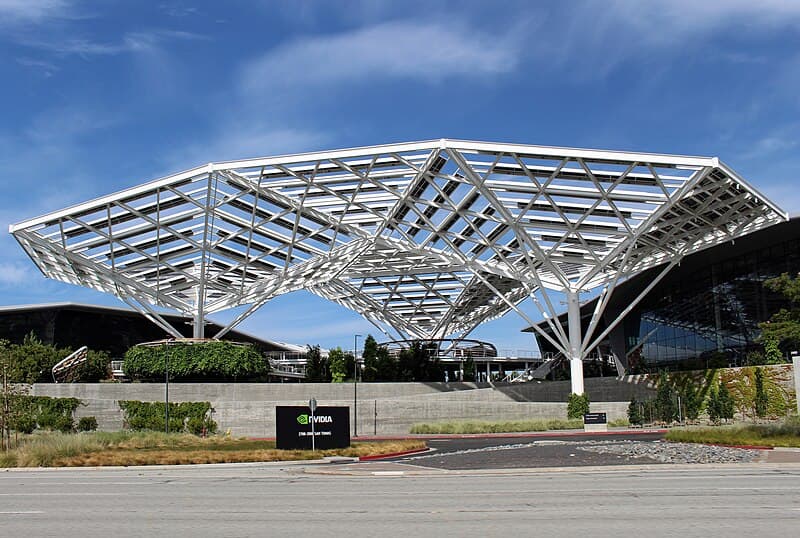
Nvidia's ascent from a $360 billion company in early 2023 to a $3.2 trillion behemoth by 2025 is the fastest wealth creation in corporate history. Driven entirely by the AI chip boom, Nvidia's data center revenue grew from $15 billion in 2022 to $110 billion in fiscal 2025 — a growth rate with no precedent in semiconductor history. CEO Jensen Huang controls a near-monopoly on AI training GPUs; every major AI lab, cloud provider, and enterprise AI deployment runs on Nvidia silicon. Its gross margins of 74% make it one of the most profitable manufacturers in history.
- –#3
Microsoft — $3.1 Trillion
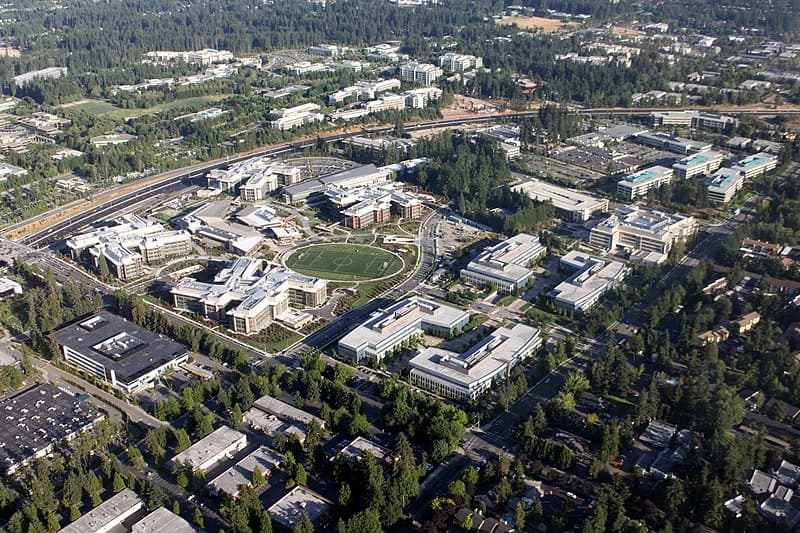
Microsoft crossed $3 trillion in market cap in 2024, becoming only the second company after Apple to achieve that milestone. Its Azure cloud platform, OpenAI partnership, Microsoft 365 Copilot, and Gaming (Xbox + Activision Blizzard, acquired for $69 billion in 2023) form a diversified business with over $245 billion in annual revenue. Microsoft's genius is ubiquity: every corporation in the world runs Windows, Office, and increasingly Azure, making it impossible for enterprises to leave the Microsoft ecosystem without enormous cost and disruption.
- –#4
Alphabet (Google) — $2.3 Trillion
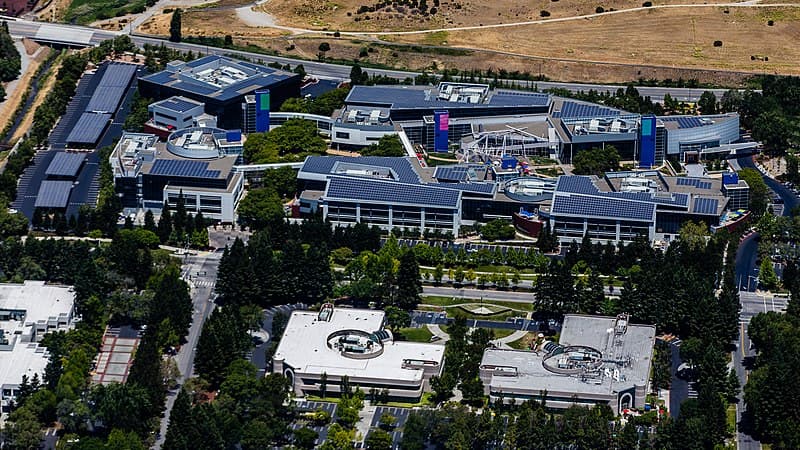
Alphabet's $2.3 trillion valuation rests on Google's complete dominance of online search — which commands 91% global market share and generates $237 billion in annual advertising revenue. YouTube adds another $35 billion in annual revenue, while Google Cloud ($11 billion per quarter and growing 28%) is increasingly competitive with AWS and Azure. Despite an antitrust ruling finding Google guilty of illegal search monopoly maintenance, the company's AI investments through DeepMind and Gemini are ensuring its continued relevance in the AI era it helped create.
- –#5
Amazon — $2.2 Trillion
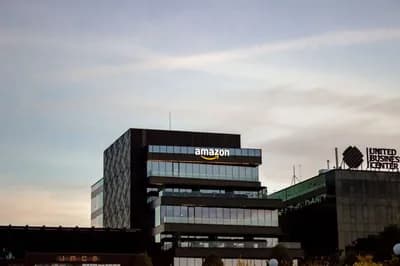
Amazon's $2.2 trillion valuation obscures how unusual its business is: it operates the world's largest e-commerce marketplace, the world's most profitable cloud computing platform (AWS at $110 billion annual revenue), the world's second-largest digital advertising business, and the world's largest private employer of warehouse workers. CEO Andy Jassy's cost discipline restored operating margins to record levels after the pandemic overcapacity era. Amazon's AI infrastructure spending ($75 billion in 2025 capex) positions AWS as the cloud platform of the AI era.
- –#6
Meta Platforms — $1.6 Trillion
Meta's $1.6 trillion valuation is a story of one of the greatest corporate comebacks in business history. After losing $700 billion in market cap pursuing the metaverse vision in 2022, Zuckerberg's "Year of Efficiency" in 2023 restored profitability and investor confidence. Meta's platforms — Facebook (3 billion MAU), Instagram (2 billion MAU), and WhatsApp (2.8 billion MAU) — give it unparalleled advertising distribution. Net income of $62 billion in 2024 exceeded any year in company history, and open-source Llama AI models are building an AI ecosystem around Meta.
- –#7
Tesla — $1.2 Trillion
Tesla's volatile $1.2 trillion valuation prices in not just its current automotive and energy business but optionality on Full Self-Driving, the Cybercab robotaxi fleet, and Optimus humanoid robots. Tesla delivered 1.8 million vehicles in 2024 despite aggressive price competition from Chinese EV makers led by BYD. The energy storage business — Megapack and Powerwall — is growing 140% annually. CEO Elon Musk's political activities created a significant Tesla brand controversy in 2025, but the underlying technology roadmap — FSD, robotaxis, energy — remains the most ambitious in the automotive industry.
- –#8
TSMC — $1.0 Trillion
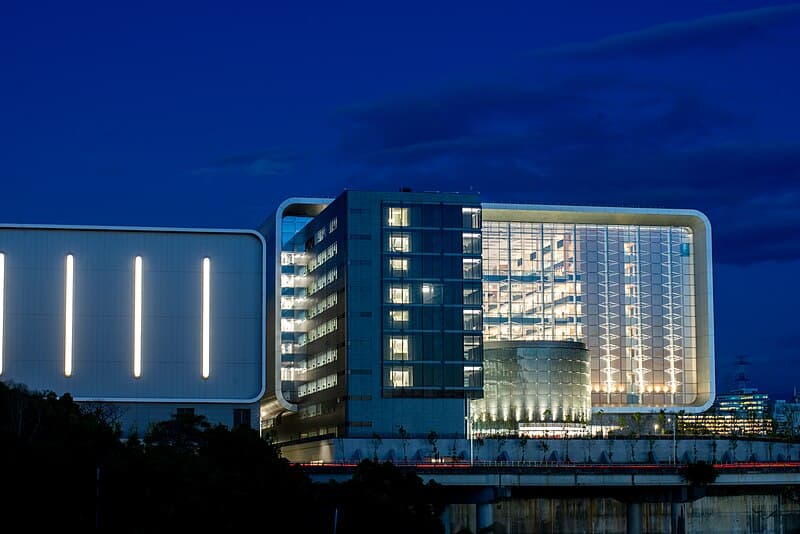
Taiwan Semiconductor Manufacturing Company is the most geopolitically critical corporation in the world. TSMC manufactures the most advanced chips for Apple, Nvidia, AMD, Qualcomm, and virtually every other semiconductor design company — a position of such concentrated critical infrastructure that the U.S., EU, and Japanese governments are all paying billions to incentivize TSMC to build fabs on their soil. TSMC's Arizona fab began production in 2024. At 3nm and 2nm process nodes, TSMC maintains a manufacturing lead that competitors Samsung and Intel are years behind closing.
- –#9
Broadcom — $900 Billion
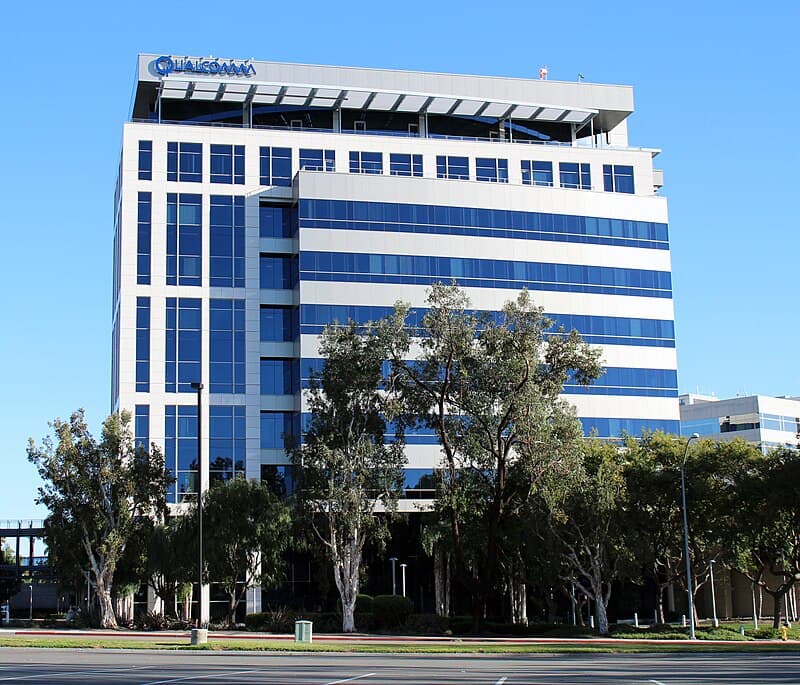
Broadcom's ascent to a $900 billion valuation is largely attributable to two decisions: its $69 billion acquisition of VMware (completed November 2023), which added $20 billion in annualized revenue and transformed it into an enterprise software giant, and its strategic positioning as the custom AI chip designer for Google, Meta, Apple, and ByteDance. Broadcom's networking chips are also the backbone of data center interconnects used in AI clusters. CEO Hock Tan is one of the most effective capital allocators in technology — every major acquisition has added substantial value.
- –#10
Eli Lilly — $850 Billion
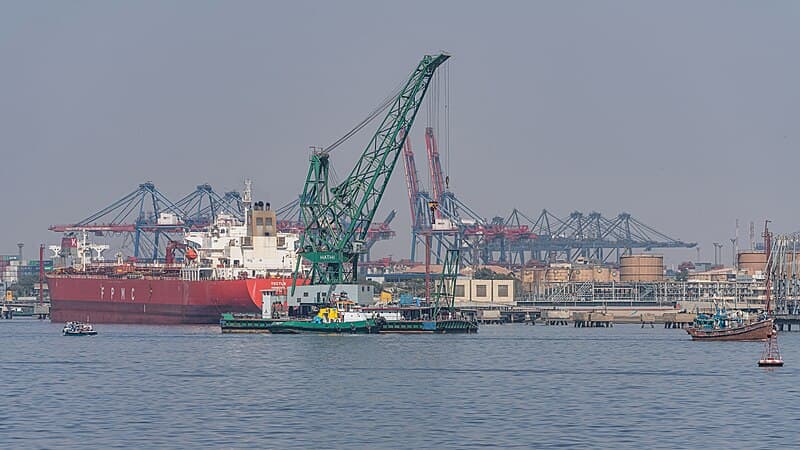
Eli Lilly is the most valuable pharmaceutical company in history, reaching $850 billion in market cap on the back of its GLP-1 drugs Mounjaro (tirzepatide for diabetes) and Zepbound (for obesity). With the global obesity drug market projected to reach $130 billion annually by 2030 and Lilly's pipeline full of next-generation GLP-1 variants — including oral formulations — the company is in the early innings of what analysts are calling the biggest pharmaceutical franchise in history. Revenue grew 36% to $45.4 billion in 2024 guidance, and manufacturing capacity is the only constraint on further growth.
Image credits
- Apple — $3.5 Trillion: Apple A17 / Wikipedia
- Nvidia — $3.2 Trillion: Nvidia / Wikipedia
- Microsoft — $3.1 Trillion: Microsoft / Wikipedia
- Alphabet (Google) — $2.3 Trillion: Alphabet Inc. / Wikipedia
- Amazon — $2.2 Trillion: Reanimated Man X / Pexels
- Meta Platforms — $1.6 Trillion: Meta Platforms / Wikimedia Commons
- Tesla — $1.2 Trillion: Tesla, Inc. / Wikipedia
- TSMC — $1.0 Trillion: TSMC / Wikipedia
- Broadcom — $900 Billion: Qualcomm / Wikipedia
- Eli Lilly — $850 Billion: Economy of Pakistan / Wikipedia
Related Videos
Frequently asked questions
Which companies are expected to be the top 10 richest in the world by market cap in 2026?
The list typically includes tech giants like Apple, Microsoft, Saudi Aramco, Alphabet (Google), Amazon, Nvidia, Meta, and others, though exact rankings depend on market performance and economic conditions.
How is market cap calculated for ranking companies by wealth?
Market capitalization is calculated by multiplying a company's current stock price by its total number of outstanding shares, representing the total market value of its equity.
Why do technology companies dominate the list of richest companies by market cap?
Tech companies often have high market caps due to strong earnings growth, global digital demand, scalable business models, and investor confidence in innovation and market expansion.
How often does the ranking of the richest companies by market cap change?
The ranking can change daily based on stock price fluctuations, but major shifts occur quarterly or after significant events like earnings reports, mergers, or economic changes.
What is the difference between market cap and actual wealth in the list title?
Market cap reflects the total value of a company's outstanding shares on the stock market, while 'actual wealth' in the list context means the ranking is based on this real-time market valuation rather than assets or revenue.
Rank it your way
Remix this list into your own ranking, or head to the play hub for every game mode and community breakdown — blind mode, challenges, tier lists, and more.
You Might Also Like
Top 10 Most Valuable Companies in the World (2026)
Top 10 Most Valuable Companies in the World (2026)
Top 10 Most Valuable Brands in the World (2026)
Top 10 Most Valuable Brands in the World (2026)

Top 10 Most Valuable Companies in the World 2026
Top 10 Most Valuable Companies in the World 2026

Top 10 Leadership Lessons From History's Greatest Leaders That Still Apply Today
Top 10 Richest Companies in the World by Market Cap in 20...

Top 10 Business Models So Genius They Print Money While You Sleep
#1 SaaS Subscription · #2 Marketplace / Take Rate · #3 Franchise Model
Top 10 Reasons Dubai Became a Global City
#1 Sheikh Rashid's Free Trade Vision (1960s–1990s) · #2 Dubai International Airport's Open-Skies Policy · #3 Zero Income Tax Policy