












New York Stock Exchange / Wikimedia Commons (CC BY-SA 4.0)
Top 10 Tax Saving Strategies That Actually Work (US)
The US tax code contains hundreds of legal strategies that allow individuals and businesses to significantly reduce their tax burden — strategies that wealthy people and their accountants use systematically, but that most middle-class taxpayers never learn about. These 10 tax-reduction strategies are legal, well-established, and collectively represent the most impactful ways to keep more of what you earn.
2026457 views
Top10Grid rankings are decided by votes, not algorithms — use the buttons below to move this list.
Current Rankings
Vote items up or down — rankings update instantly
Get the weekly finance rundown
Only lists published since the last email. Join the early readers.
- Only Top 10s published in the last 7 days
- One email a week — and none at all in a week with nothing new
- Unsubscribe in one click
No spam. One email per week. Unsubscribe anytime.
Frequently Asked Questions About These Tax Strategies
Do I need to itemize to use these strategies? No. Most items here (401(k), Roth IRA, HSA, 529, capital-gains harvesting) work on top of the standard deduction.
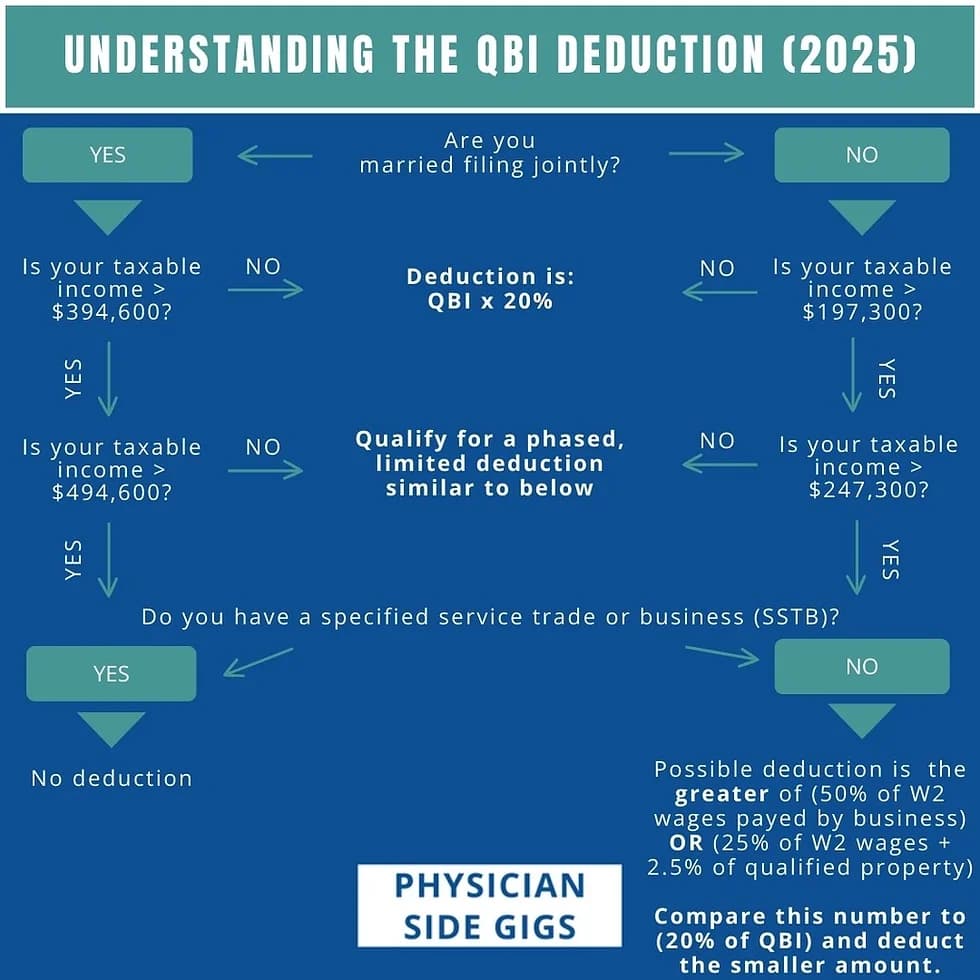
Who qualifies for the QBI deduction? Pass-through business owners and self-employed filers whose taxable income is below the IRS threshold for the year; phase-outs apply above it.
Can I contribute to an HSA if I don't have a high-deductible health plan? No. An HSA requires enrollment in an HSA-qualified (HDHP) plan.
Is a Roth IRA conversion reversible? No. Once completed, the conversion cannot be undone — only future contributions can be recharacterized under current rules.
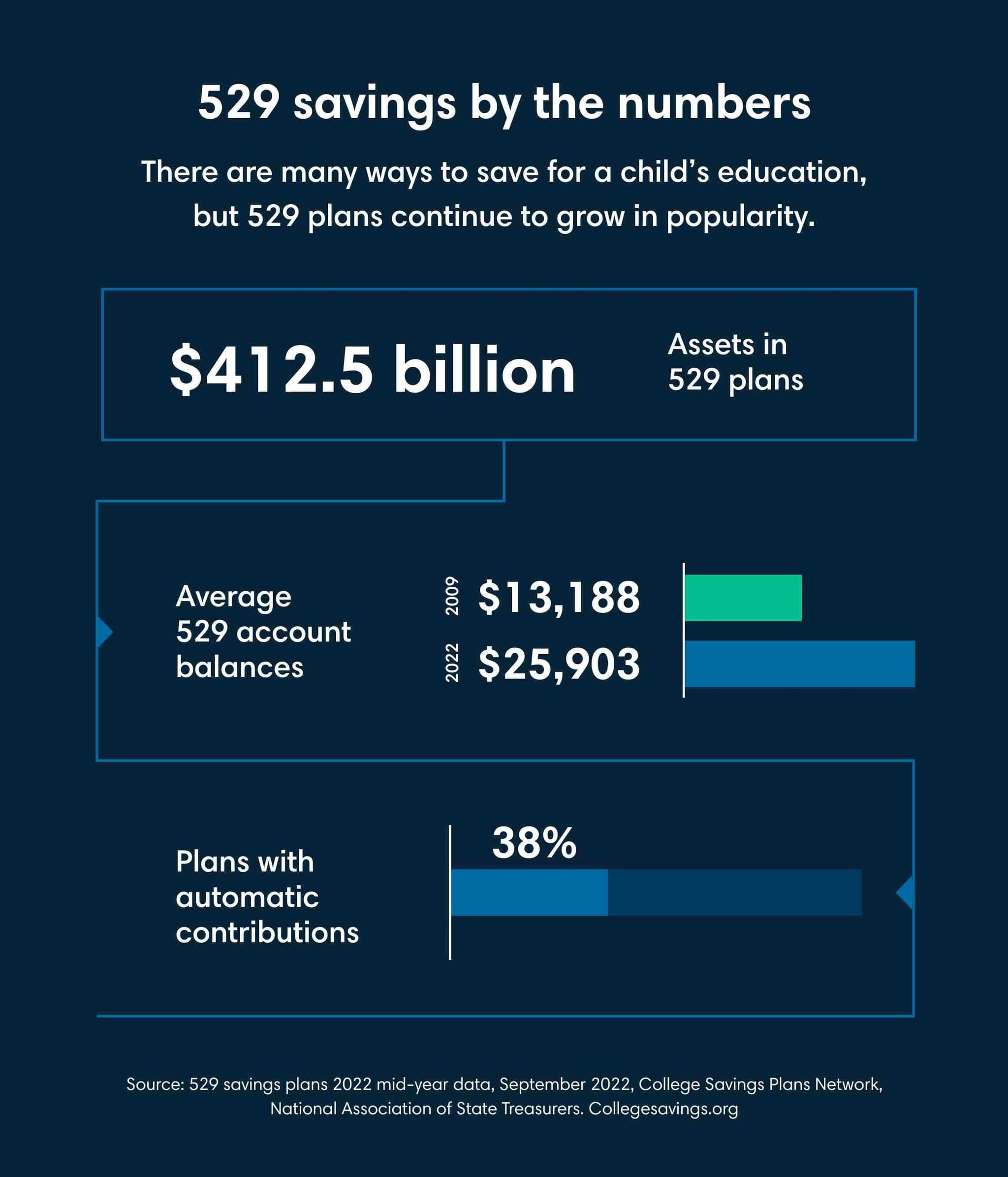
Are 529 plan savings penalized if not used for education? Earnings used for non-qualified expenses are subject to federal income tax plus a 10% penalty. Many states offer a penalty-free exception for rolled-over amounts.
The order these strategies usually make sense in
Not all ten belong in the same stage of a financial plan. A reasonable general order most planners suggest: capture any employer 401(k) match first (it's an immediate, guaranteed return), then max out an HSA if you have a high-deductible health plan, then decide between traditional and Roth contributions based on whether you expect your tax rate to be higher or lower in retirement. Business-owner-specific moves -- the Solo 401(k), QBI deduction, real estate depreciation -- only apply if your income actually comes from self-employment or a pass-through business, and shouldn't be evaluated against W-2-focused strategies as if they compete for the same dollar.
Deferral vs. permanent savings -- a distinction worth understanding
A traditional 401(k) contribution and a depreciation deduction both lower this year's tax bill, but neither one makes the tax disappear -- it comes due later, either as ordinary income in retirement or as 'recapture' when a depreciated property is sold. An HSA, a Roth conversion, and the 0% long-term capital gains bracket work differently: once you clear the rules, that specific dollar of gain is untaxed permanently. Neither category is automatically better, but conflating the two -- treating a deferral as if it were free money -- is the single most common misunderstanding people bring to a list like this.
Readers Also Ranked
More Lists Like This

Top 10 Cryptocurrencies by Market Cap — August 12, 2026
- #1Bitcoin (BTC)
- #2Ethereum (ETH)
- #3Tether (USDT)
Top 10 CoinGecko — Top Cryptocurrencies — August 26, 2026
- #1Bitcoin (BTC)
- #2Ethereum (ETH)
- #3Tether (USDT)
Top 10 CoinGecko — Top Cryptocurrencies — August 20, 2026
- #1Bitcoin (BTC)
- #2Ethereum (ETH)
- #3Tether (USDT)

Top 10 CoinGecko — Top Cryptocurrencies — August 18, 2026
- #1Bitcoin (BTC)
- #2Ethereum (ETH)
- #3Tether (USDT)
Frequently asked questions
What is the maximum contribution to a 401(k) for 2024?
For 2024, the employee contribution limit is $23,000, with an additional $7,500 catch-up allowed if you are age 50 or older.
Can I contribute to both a traditional IRA and a Roth IRA in the same year?
Yes, you can contribute to both, but your total combined contributions cannot exceed the annual limit ($7,000 for 2024, or $8,000 if age 50+), and Roth contributions have income limits.
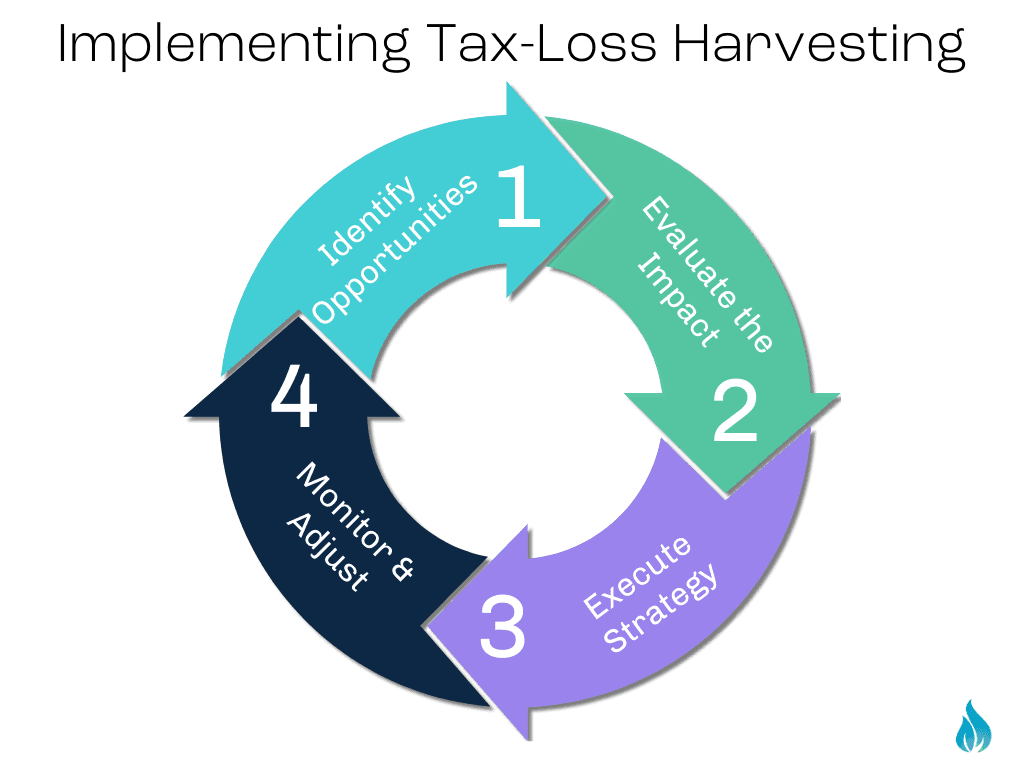
What is tax-loss harvesting and how does it save on taxes?
Tax-loss harvesting involves selling investments at a loss to offset capital gains, and up to $3,000 of net losses can be deducted against ordinary income each year.
Are Health Savings Account (HSA) contributions tax-deductible?
Yes, contributions to an HSA are tax-deductible on your federal return, and earnings grow tax-free when used for qualified medical expenses.
What is the deadline for making IRA contributions for the previous tax year?
You have until the tax filing deadline (generally April 15 of the following year) to make IRA contributions that count for the previous tax year.
Discussion
Have a take on this ranking?
Comments are how the argument actually happens here. Posting one needs a free account — it takes about a minute.
No comments yet.
The first comment sets the terms of the argument.
Would your top 10 look different?
Publish your own ranking of this topic. Your list gets its own page, and readers vote on it the same way you just voted on this one.
Build your own Top 10Related Videos
You might also want to rank…
 Top 10 Budgeting Apps That Make Your Money Work Harder
 Top 10 CoinGecko — Top Cryptocurrencies — May 9, 2026
 Top 10 Side Hustles That Actually Pay in 2026
 Top 10 CoinGecko — Top Cryptocurrencies — May 4, 2026
Explore more Finance rankings on Top10Grid
People Also Explore
Because you're viewing Finance

Top 10 Digital Banks in Hong Kong (2026 Ranked & Reviewed)
231 views · 0 votes
Top 10 US Mortgage Lenders by Origination Volume
232 views · 0 votes

Top 10 US Buy Now, Pay Later (BNPL) Companies in 2025 — Ranked & Reviewed
233 views · 0 votes

Top 10 Nordic Insurance Companies
238 views · 0 votes

Top 10 US IPOs of 2025 by First-Day Performance
240 views · 0 votes
Top 10 US Impact Investing Funds 2026
247 views · 0 votes
You might also like

FINANCESame type
Top 10 Best Investment Accounts to Build Wealth (US)
10 items

FINANCESame type
Top 10 FinTech Unicorns 2026
10 items

FINANCESame type
Top 10 US Investment Banks by Revenue 2025
10 items

FINANCESame type
Top 10 US Hedge Funds by Assets Under Management
10 items

FINANCESame type
Top 10 Money Mistakes That Keep Most People Broke — And How to Stop Making Them
10 items

FINANCESame type
Top 10 Passive Income Streams to Build Real Wealth
10 items