
Silicon Valley / Wikipedia
Top 10 Tech CEOs Who Became More Famous Than Their Companies
There was a time when nobody knew who ran IBM. Now tech CEOs are paparazzi targets, meme subjects, and cultural lightning rods with net worths that exceed most countries' GDP. These leaders aren't just running companies — they ARE the brand. When the CEO is bigger than the logo, everything changes.
Top10Grid lets the community re-rank anything — this order is our editors' pick for now; use the buttons below to vote it up or down.

Current Rankings
- –
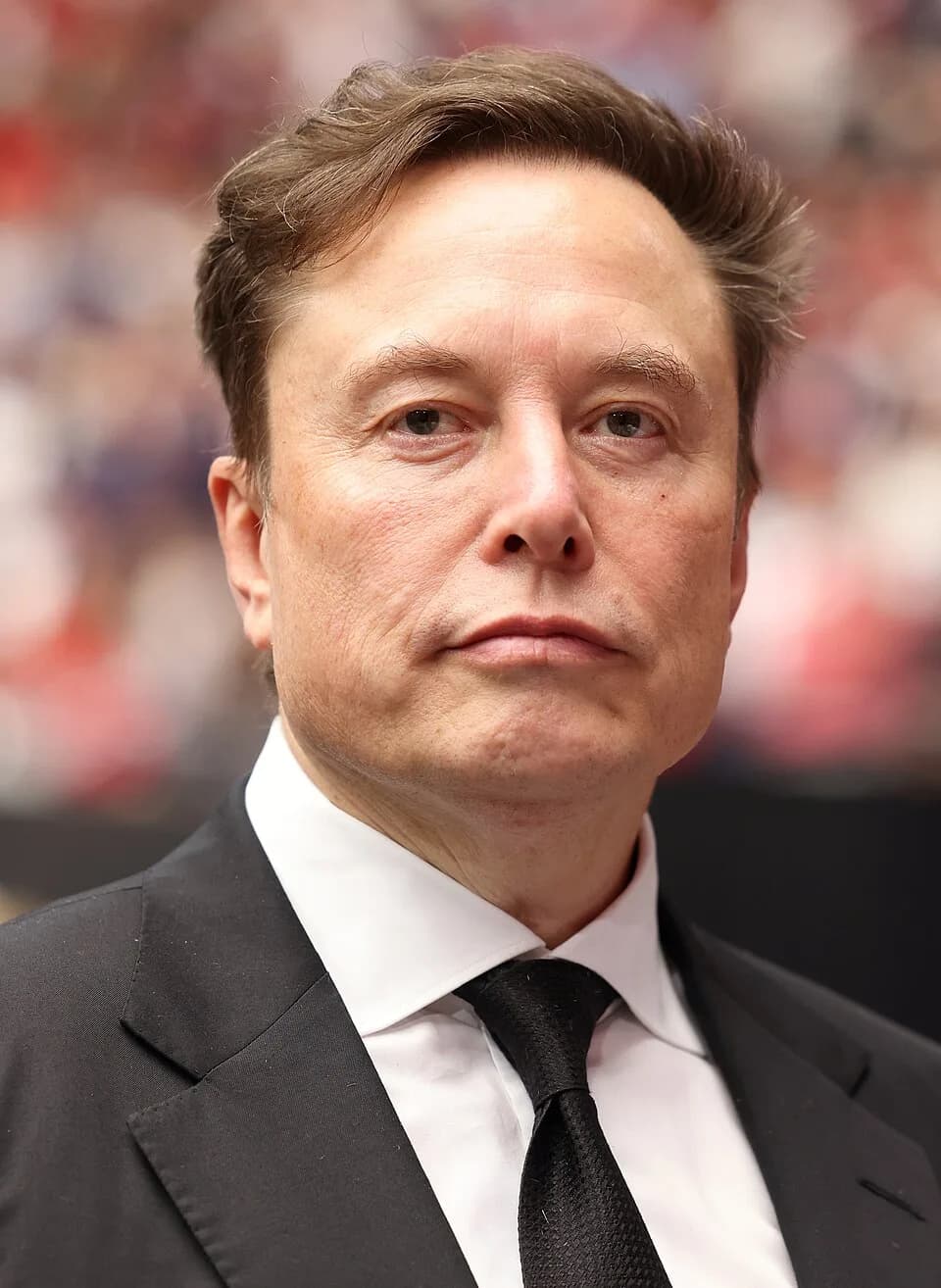
Elon Musk is the only CEO whose Twitter activity can swing Tesla's market cap by billions, making his personal brand the company’s most volatile asset. His net worth of $250 billion, coupled with leadership at Tesla ($800B market cap), SpaceX ($350B valuation), and X/Twitter, gives him unparalleled influence. He tweets memes that move markets, named his child X AE A-XII, and challenged Zuckerberg to a cage fight without showing up. Tesla’s stock price correlates more with Musk’s tweets than quarterly earnings. His fame eclipses his companies more dramatically than Steve Jobs ever overshadowed Apple, as Musk remains an active, chaotic force while Jobs’ legend relies on legacy.
- –

Steve Jobs transformed product launches into globally anticipated events, making 'one more thing' the most famous phrase in tech. His deliberate anti-fashion uniform—black turtleneck, New Balance 991s, Levi’s 501s—became the most recognizable CEO outfit in history. After being fired from Apple in 1985, he built Pixar into a $7.4 billion Disney acquisition, then returned to launch the iPhone, which generated $2.3 trillion in cumulative revenue. Jobs died in 2011, but Apple remains psychologically his company.
- –
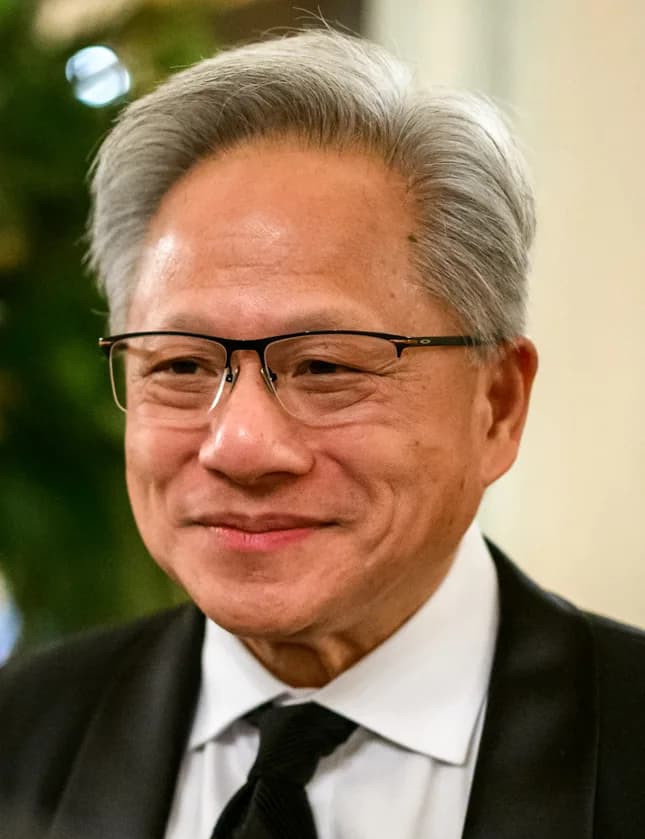
Jensen Huang went from a Denny’s booth in 1993 to running a $3.3 trillion company—the most valuable on Earth in 2024—making NVIDIA the cornerstone of the AI revolution. His signature leather jacket has become tech’s power uniform, and his GTC keynotes draw stadium-sized crowds. With a personal net worth of $120 billion, Huang is the semiconductor industry’s first celebrity CEO. At CES, he held up an AI chip like a rock star. NVIDIA’s market cap surpasses any achieved by Steve Jobs during his tenure at Apple, cementing Jensen as the leather-clad kingmaker of the AI age.
- –
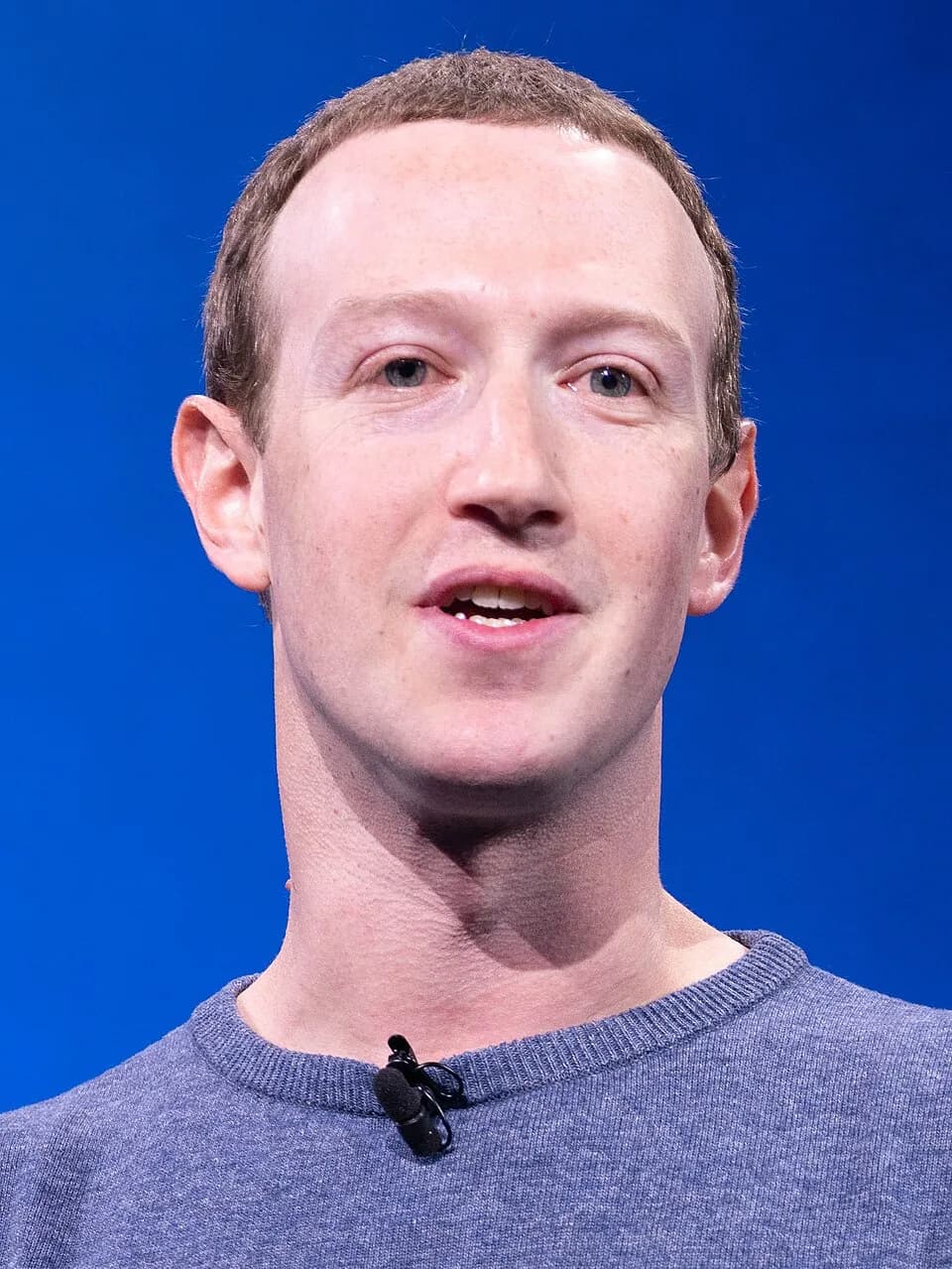
Zuckerberg spent 2018-2022 as tech's most hated man: Congressional hearings, Cambridge Analytica, $65 billion stock crash from the metaverse pivot. Then he reinvented himself: started doing MMA (competed in a jiu-jitsu tournament), grew a beard, wore gold chains, launched Threads (300 million users in year one), and pivoted Meta's AI strategy so aggressively that the stock recovered to all-time highs. Net worth: $180 billion. The man who was memed as a robot in 2018 is now memed as a surprisingly cool combat sports enthusiast. The reputation laundry cycle took exactly five years.
- –

Sam Altman catapulted to global fame faster than any CEO on this list—including Jeff Bezos—by launching ChatGPT, which hit 100 million users in just 60 days, 33% faster than TikTok's record. That blistering adoption rate triggered a boardroom crisis: his firing in November 2023, a Microsoft job offer, mass employee revolt, and reinstatement within five days—a saga more gripping than the boardroom drama of Elizabeth Holmes. OpenAI's $157 billion valuation now cements him as AI's defining figure. The 100-million-user milestone in two months remains the fastest consumer app adoption ever, outpacing Instagram and TikTok. His rollercoaster week made him more recognizable than the company itself, a case study in how a CEO's personality can eclipse a brand.
- –
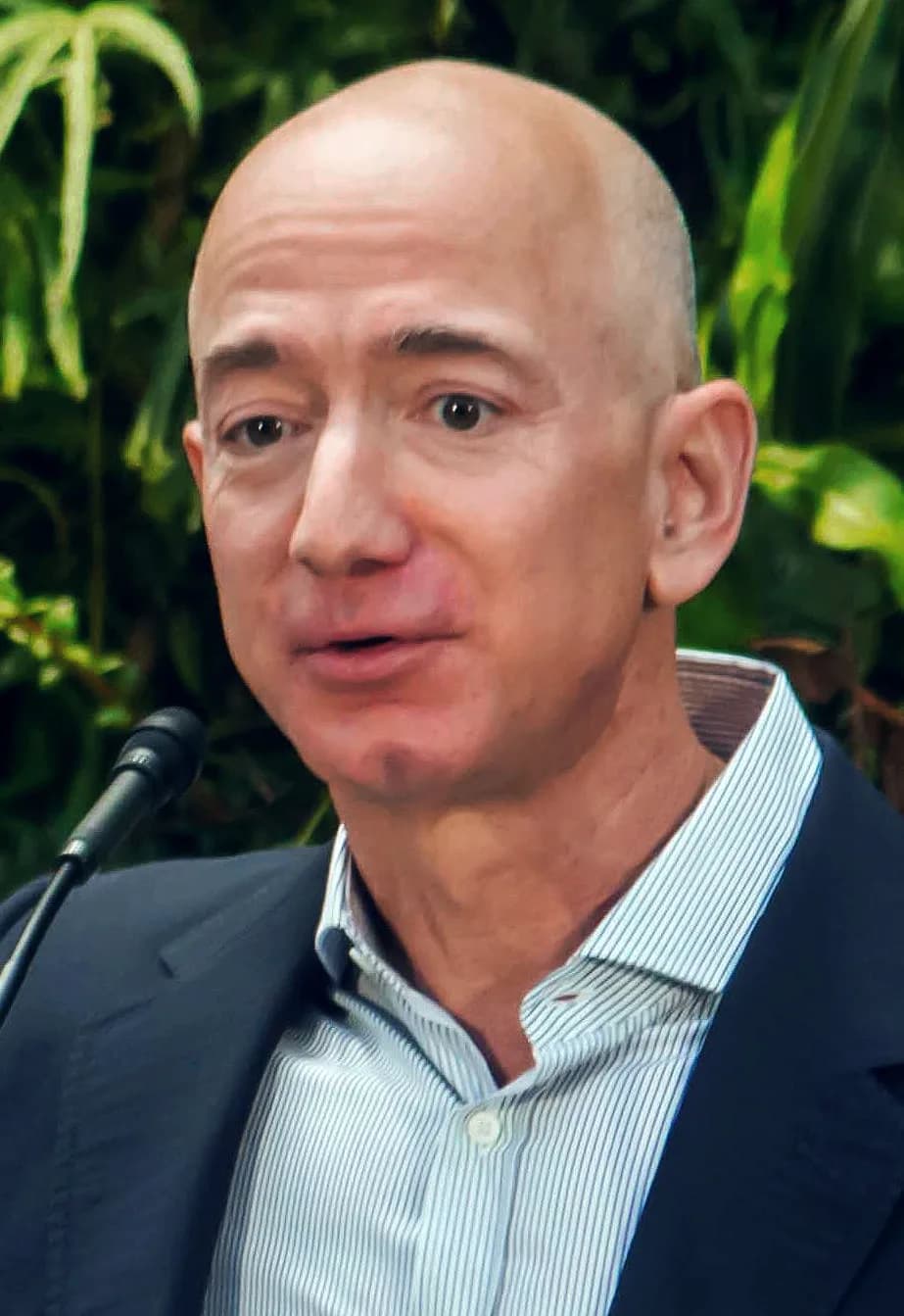
Jeff Bezos evolved from a garage book seller to a $2 trillion company patriarch, then stepped down to launch himself into space, date Lauren Sanchez, and rebrand as a bald, jacked billionaire—a personal transformation that now overshadows Amazon's reputation. His $500 million superyacht Koru forced a Rotterdam bridge to be partially dismantled (public outcry spared it), and he bought the Washington Post for $250 million. With a $200 billion net worth, his glow-up rivals Sam Altman's overnight celebrity, but Bezos built fame over decades. His Amazon legacy now competes with his own persona as a space-faring, yacht-sailing icon. That $500 million yacht alone exceeds the annual GDP of several small nations, cementing his status as a celebrity CEO.
- –
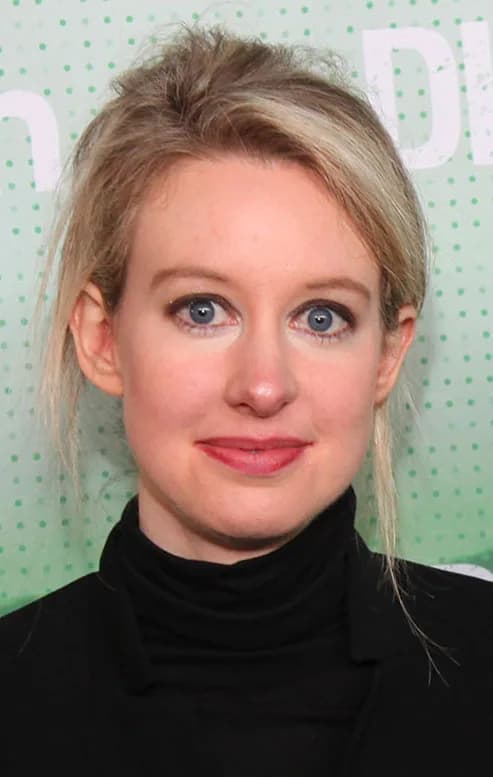
Elizabeth Holmes perpetrated a $9 billion blood-testing fraud in a turtleneck, becoming the face of Silicon Valley's biggest deception. Theranos claimed 200+ tests from one finger prick—it delivered zero reliable results—while fooling Walgreens, Henry Kissinger, and Rupert Murdoch. At peak, her $9 billion valuation overshadowed Jack Ma's Alibaba in notoriety per investment dollar. She now serves 11 years in federal prison, and her story spawned an Emmy-nominated Hulu series. Holmes proved CEO celebrity can substitute for product—until a Wall Street Journal investigation exposed the truth. Her $9 billion peak remains a cautionary tale of fame without substance.
- –
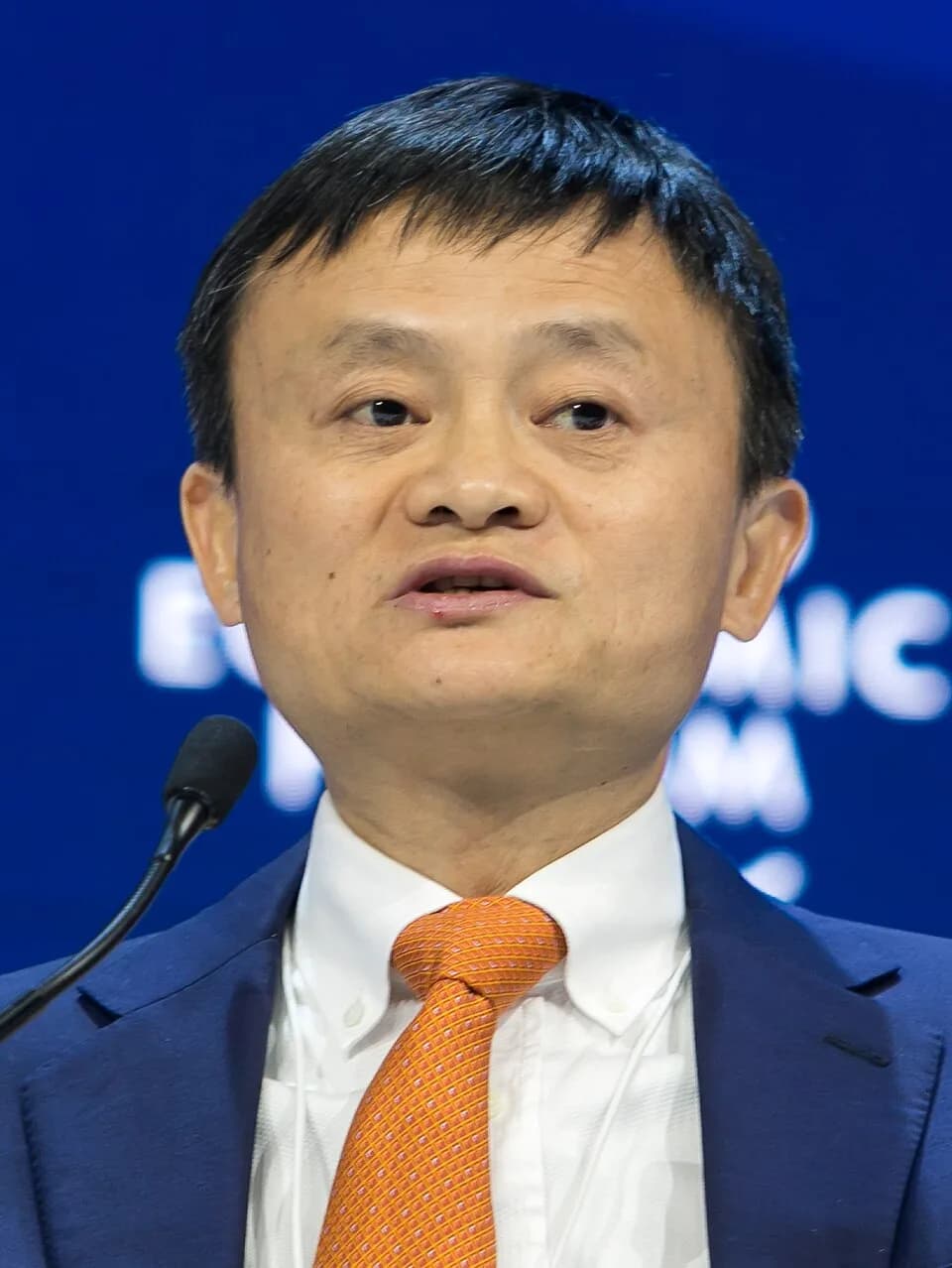
Jack Ma, a twice-failed college applicant rejected from 30 jobs, built Alibaba to a $600 billion peak and became Asia's richest person at $50 billion. But his October 2020 criticism of Chinese regulators led to Ant Group's $37 billion IPO—the world's largest—being canceled overnight. He vanished for three months, then resurfaced painting in Europe, humbled. That $37 billion IPO loss is four times the GDP of a small country like Bhutan. Ma's fame now warns every CEO: never outshine the country that made you. His journey from teacher to billionaire to silent artist exemplifies the risk of fame in a controlled economy.
- –
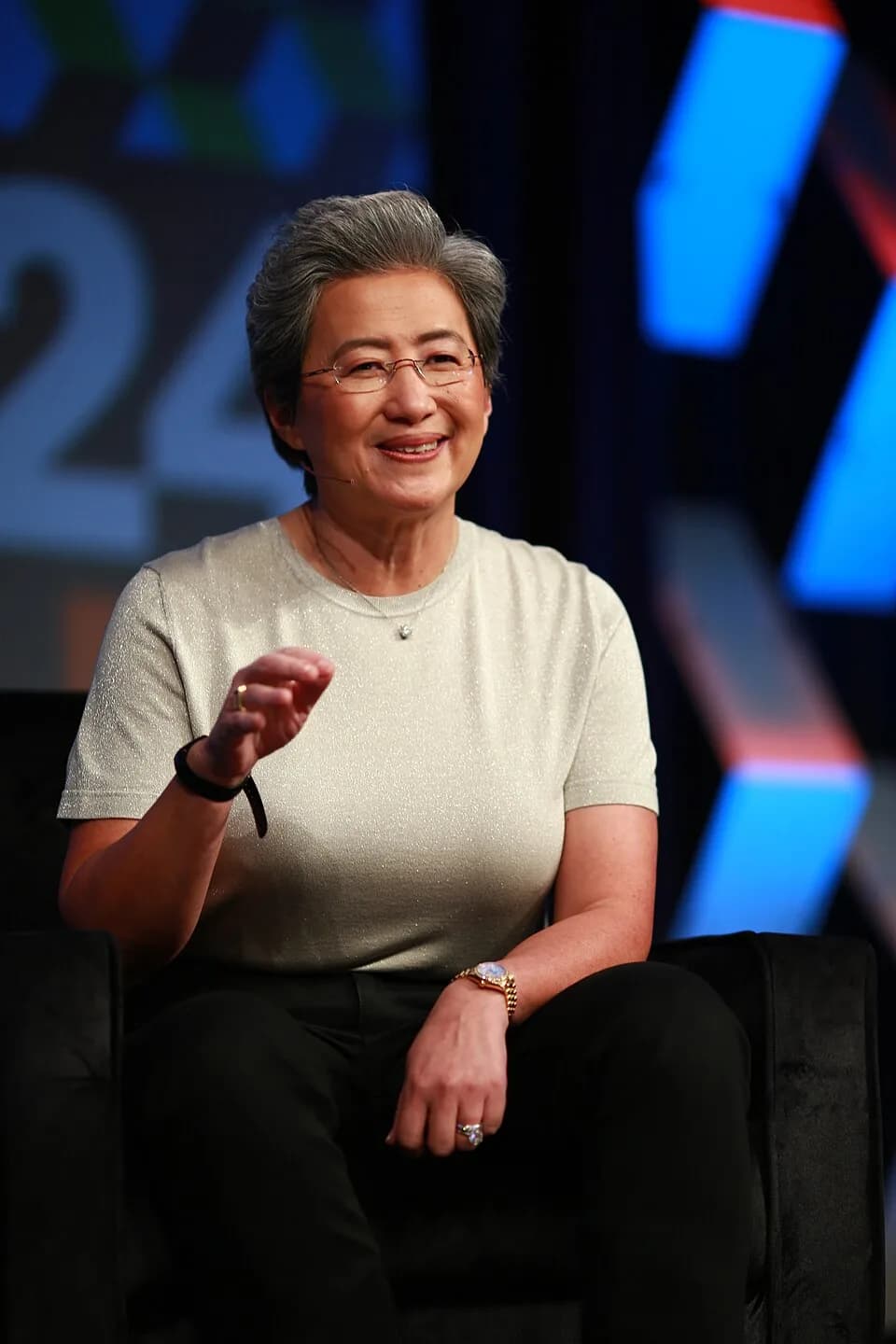
When Su became AMD CEO in 2014, the company's stock was $2. By 2024, it was $180 — a 9,000% increase. She turned a company that Wall Street left for dead into NVIDIA's primary competitor in the AI chip race, with a $250 billion market cap. She's one of the highest-paid CEOs in the S&P 500 ($30 million+/year) and the only woman running a major semiconductor company. She doesn't tweet memes or wear leather jackets. She just ships chips that work. In a list full of showmen, Su is proof that quiet competence can be its own form of celebrity — when the stock chart is the billboard.
- –
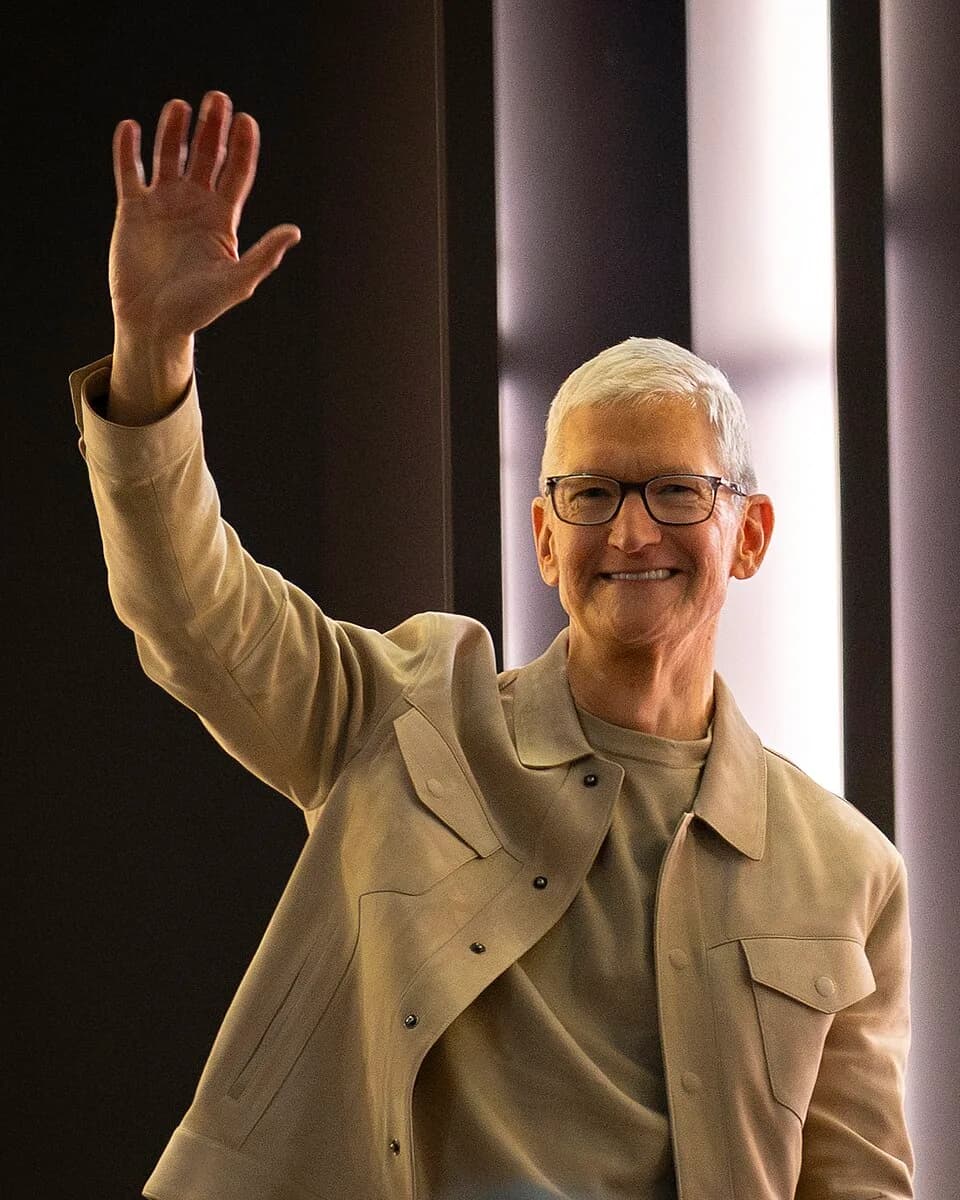
Cook inherited the most scrutinized CEO seat in history from Steve Jobs in 2011. Critics said Apple would die without Jobs. Instead, Cook grew Apple from $400 billion to $3+ trillion — the first company to ever reach that number. He turned Services (App Store, Apple Music, iCloud) into a $85 billion/year business that didn't exist under Jobs. His annual compensation exceeds $60 million. He came out as the first openly gay Fortune 500 CEO in 2014. Cook is the least flashy person on this list, and he runs the most valuable company on Earth. The anti-celebrity CEO who became a household name by sheer scale.
Image credits
- Elon Musk — The $250 Billion Chaos Agent: WIKIMEDIA_MIRRORED
- Steve Jobs — The Turtleneck That Launched a Trillion Dollars: Derek Xing / Pexels
- Jensen Huang — The Leather Jacket Kingmaker: WIKIMEDIA_MIRRORED
- Mark Zuckerberg — From Villain to MMA Fighter: WIKIMEDIA_MIRRORED
- Sam Altman — The Man Who Unleashed ChatGPT: WIKIMEDIA_MIRRORED
- Jeff Bezos — Bald, Jacked, and in Space: WIKIMEDIA_MIRRORED
- Elizabeth Holmes — The $9 Billion Fraud in a Turtleneck: WIKIMEDIA_MIRRORED
- Jack Ma — The Teacher Who Built Alibaba and Disappeared: WIKIMEDIA_MIRRORED
- Lisa Su — The Quiet Genius Who Saved AMD: WIKIMEDIA_MIRRORED
- Tim Cook — The $3 Trillion Operator: WIKIMEDIA_MIRRORED
Frequently asked questions
What does it mean for a tech CEO to become more famous than their company?
It means the CEO's personal brand, public recognition, or cultural impact surpasses that of the company they lead, often making them a household name while their company remains less known.
What are some common examples of tech CEOs who are more famous than their companies?
Examples include Elon Musk (Tesla, SpaceX but also known for X and Neuralink), Steve Jobs (Apple, though Apple is also famous), and Richard Branson (Virgin Group but his persona often overshadows individual Virgin brands).
Why do some tech CEOs become more famous than the companies they run?
It often results from a CEO's charismatic public persona, media presence, visionary ideas, controversial statements, or personal ventures that draw more public attention than the company's products or services.
Is it a positive or negative thing for a CEO to be more famous than their company?
It can be both positive—attracting talent and investment—and risky, as the company's reputation becomes tied to the CEO's personal image, which may fluctuate or distract from the business.
Rank it your way
Remix this list into your own ranking, or head to the play hub for every game mode and community breakdown — blind mode, challenges, tier lists, and more.
You Might Also Like
Top 10 US FinTech Unicorns 2026
Top 10 US FinTech Unicorns 2026
Top 10 Korean Tech Companies 2026
Top 10 Korean Tech Companies 2026
Top 10 Taiwan Tech Companies in 2026
top Taiwan tech companies in 2026

Top 10 Best AI Image and Art Generation Tools
#1 Midjourney V6.1 · #2 DALL-E 3 (OpenAI) · #3 Adobe Firefly

Top 10 European Social Impact Technology Companies
#1 Too Good To Go · #2 Ecosia · #3 Fairphone
Top 10 Most Dangerous Cyberattacks That Paralyzed the World — Real Damage, Real Victims
#1 WannaCry Ransomware 2017 — 300,000 Computers in 150 Countries · #2 NotPetya 2017 — The $10 Billion Weapon Disguised as Ransomware · #3 SolarWinds Hack 2020 — Spy Operation Inside 18,000 Organizations