Iantomferry / Wikimedia Commons (CC BY 3.0)
Top 10 Travel Destinations Instagram Ruined
These places were once hidden gems or at least manageable wonders. Then the influencers arrived, the geotags spread, and now you're queueing two hours for a photo you've already seen 40,000 times. Overtourism is real, and your feed is complicit.
Top10Grid lets the community re-rank anything — this order is our editors' pick for now; use the buttons below to vote it up or down.

Current Rankings
- –
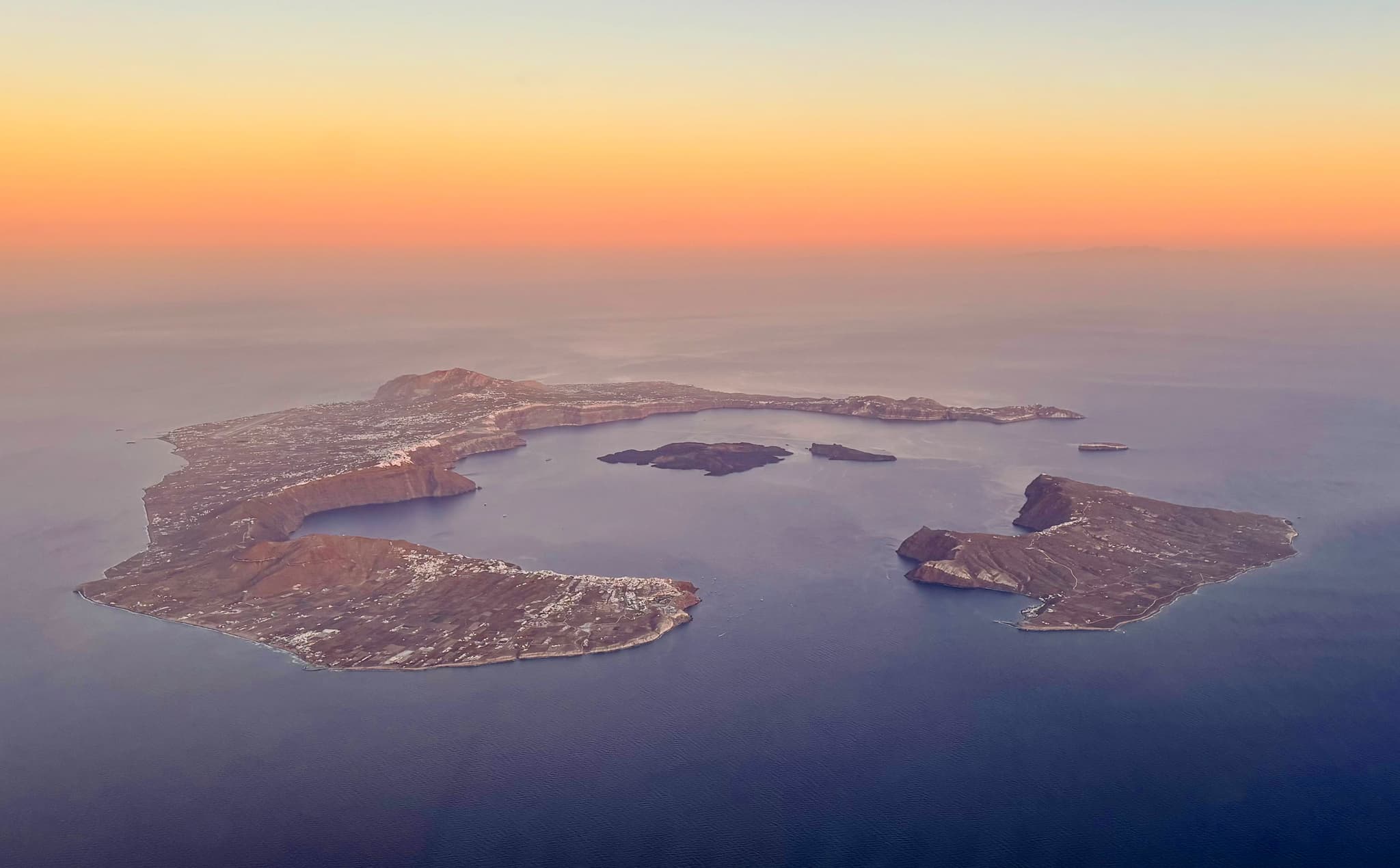
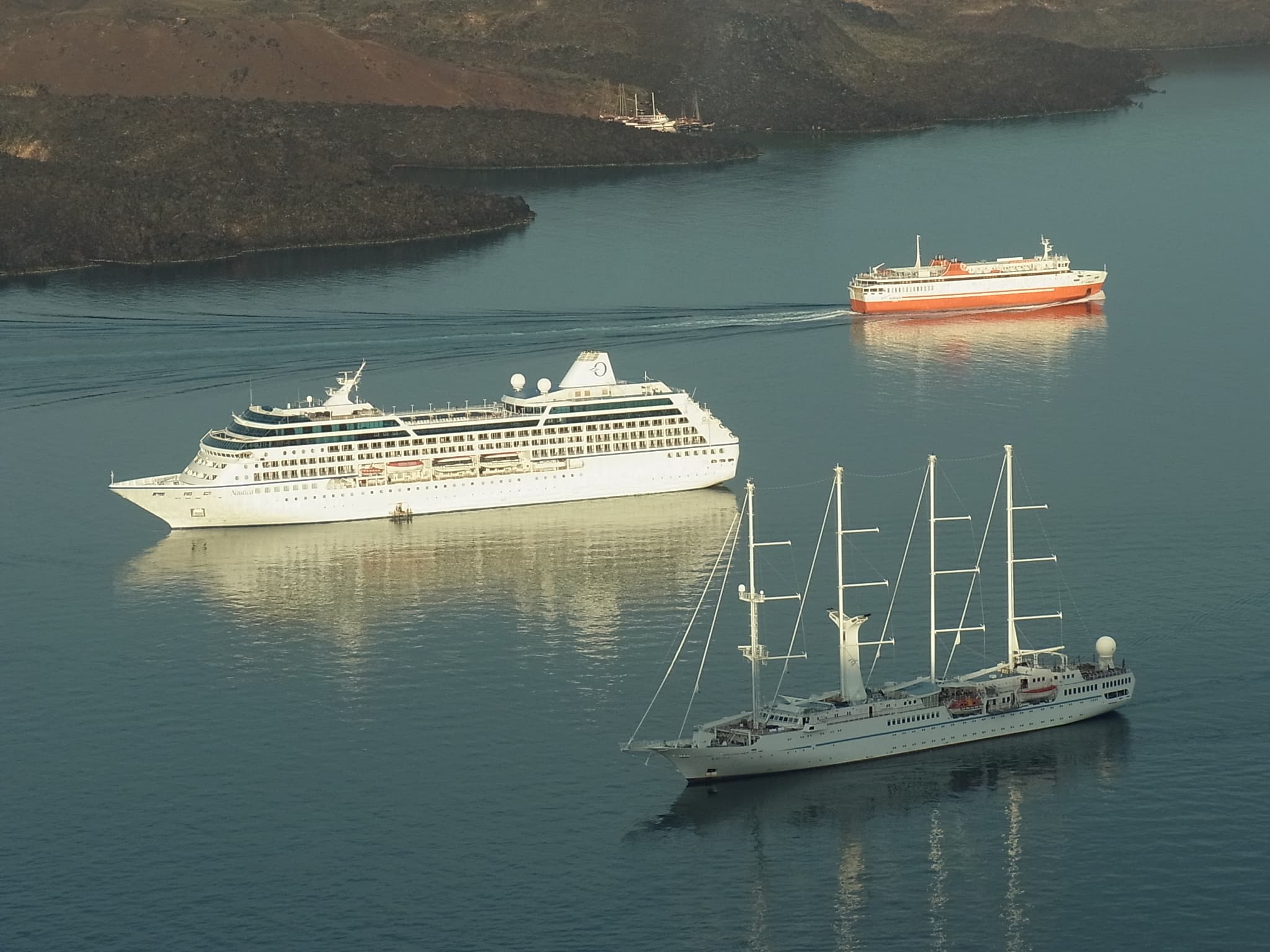
Santorini’s iconic blue-dome-white-wall aesthetic attracts over 5 million annual visitors to a volcanic island with just 15,000 permanent residents—a ratio that dwarfs #2 Ubud's visitor density. Oia’s sunset viewpoint becomes physically hazardous during peak season due to overcrowding, with 200 selfie sticks often blocking sightlines. This Instagram-fueled surge has strained infrastructure, making the once-intimate experience a chore.
- –
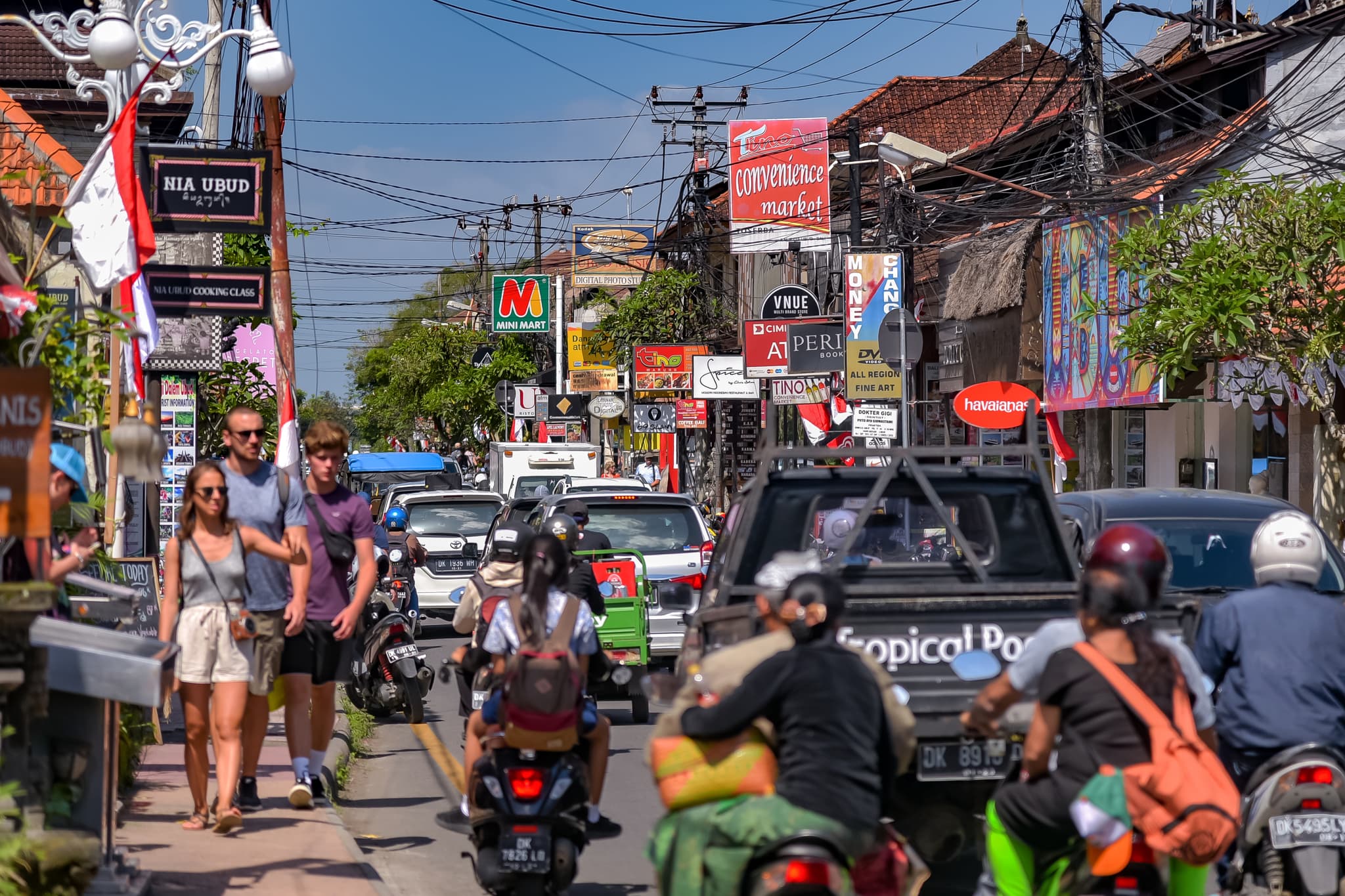
Ubud has traded its quiet artistic soul for a $35 three-minute Instagram swing at the Tegallalang rice terraces, while the "Gates of Heaven" at Lempuyang Temple uses a mirror trick to fake a reflection pool—a deception that outpaces #4 Machu Picchu’s staged photo spots. Smoothie bowls now cost $12, more than a local family’s daily wage of $8.50, eroding spiritual authenticity. The 1.5 million annual visitors have diluted the charm, leaving a manufactured experience priced 60% higher than typical Balinese village offerings.
- –
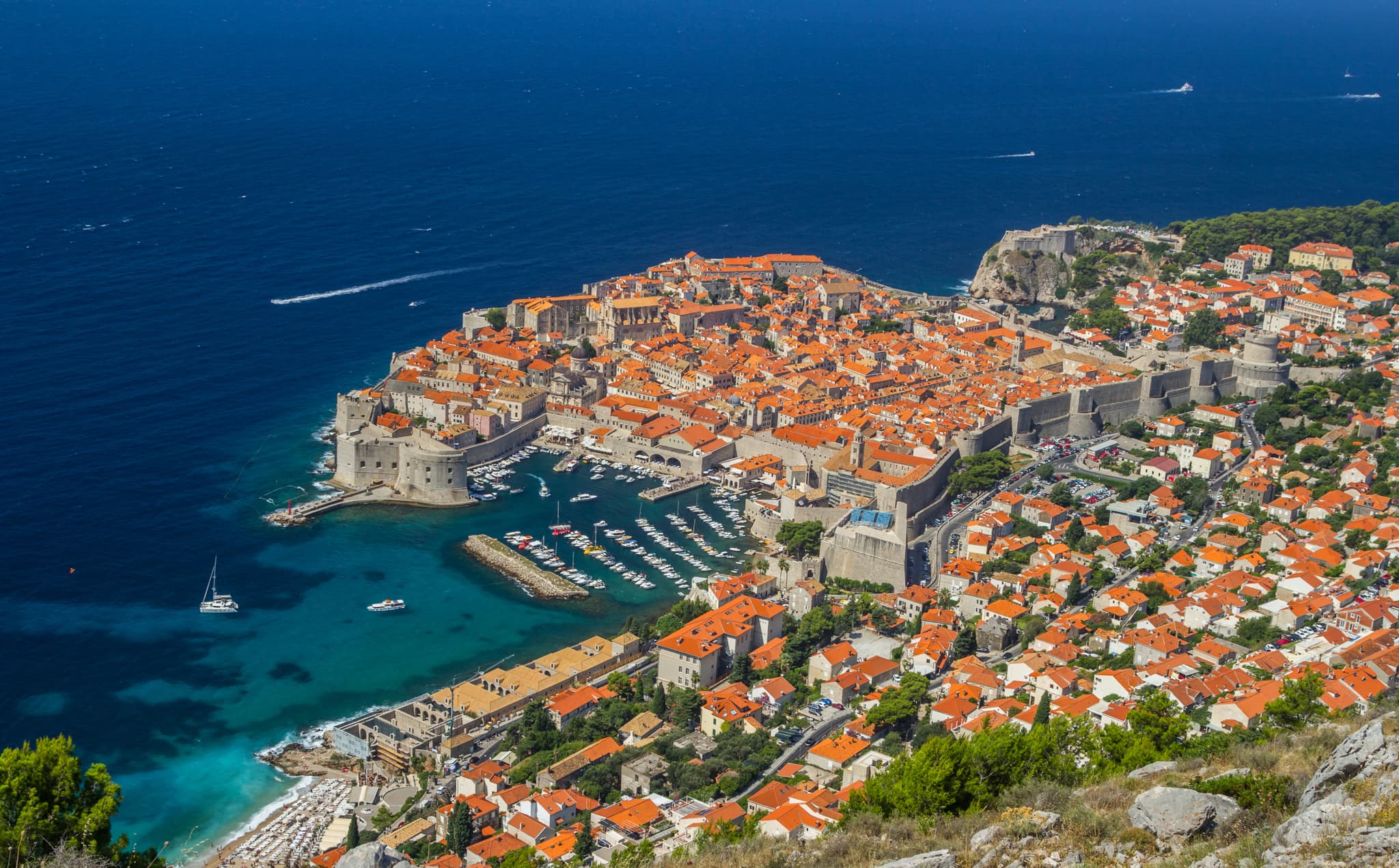
Dubrovnik’s medieval walls, immortalized by Game of Thrones, now endure up to 8,000 cruise passengers daily—a volume that is 50% higher than the safe capacity of the UNESCO Old Town. This Instagram pilgrimage has turned a historic gem into a photo studio, where fans of fictional queens outnumber those who know Croatian history.
- –
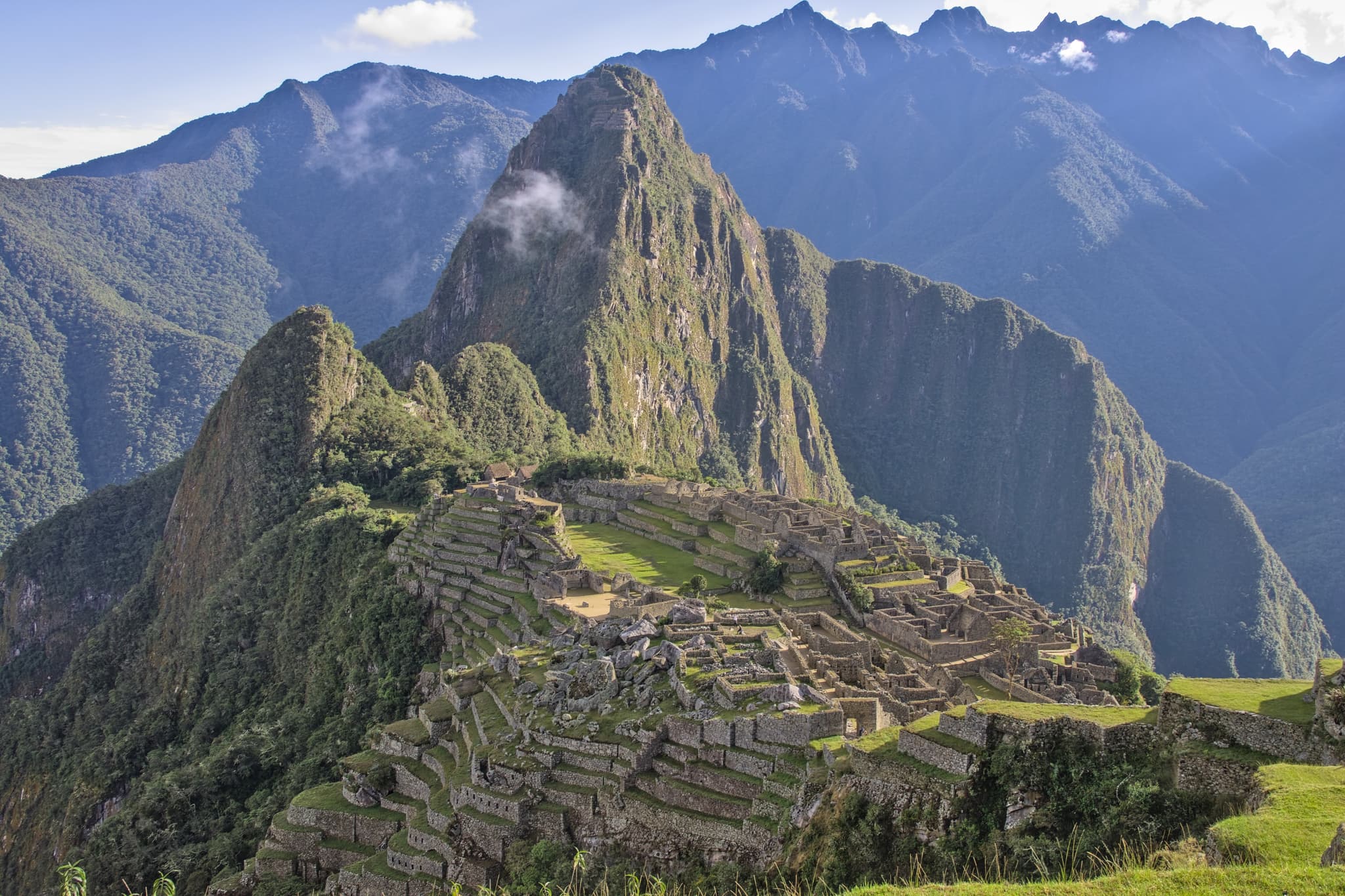
Machu Picchu’s 4,044 daily visitor cap, enforced with timed tickets and mandatory guides, reflects a 30% reduction from pre-2019 levels to combat erosion—a stricter control than #3 Dubrovnik’s proposed limits. The iconic Sun Gate shot requires a 6am arrival, as 70% of tickets sell out weeks ahead. This Instagram-driven demand has made exploration a race, yet the citadel’s stonework still impresses.
- –
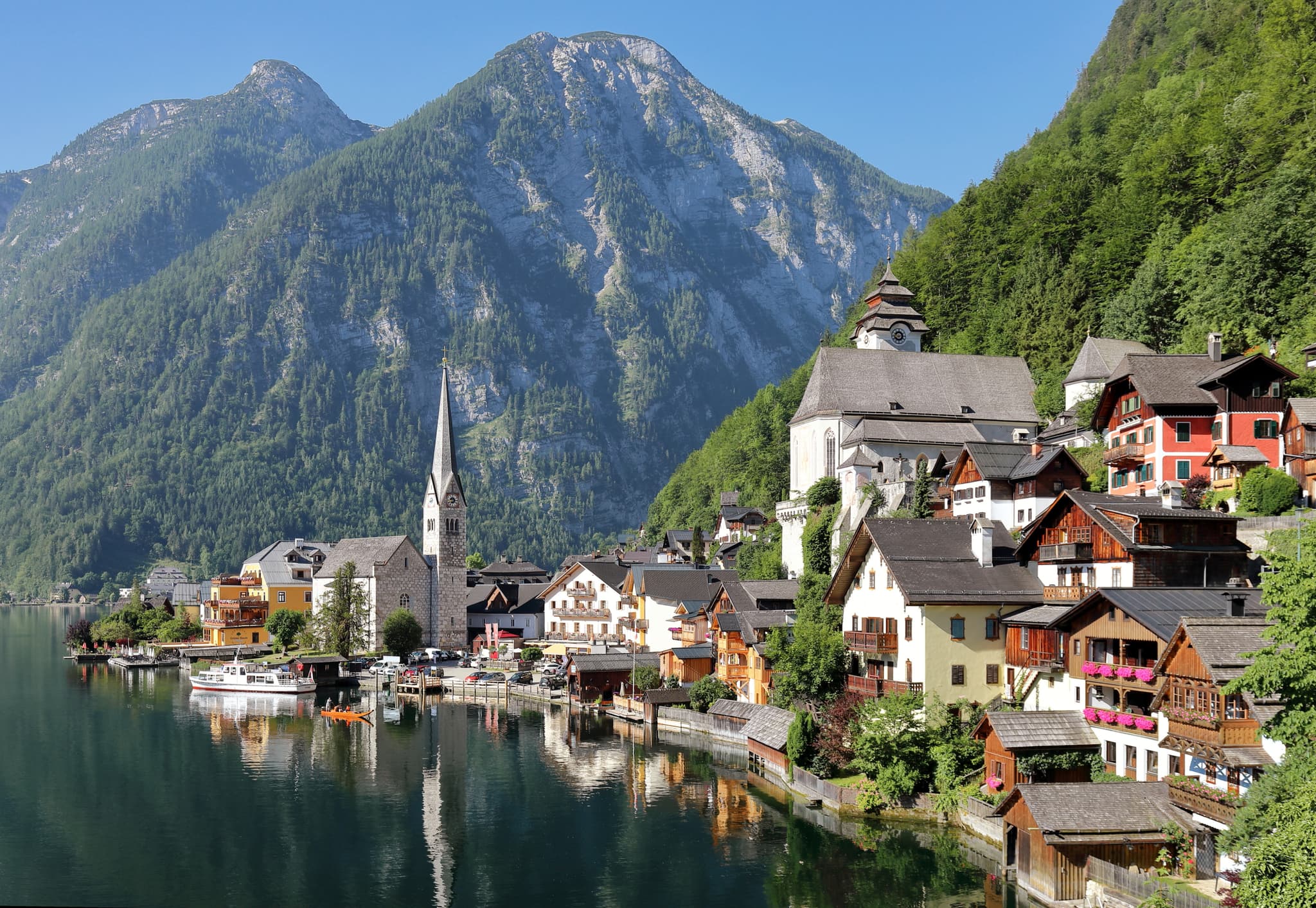
A lakeside village of 780 people that went so viral on Asian social media that China built a full-scale replica in Guangdong province. Hallstatt now gets over a million visitors a year — roughly 1,300 tourists per resident. The mayor begged people to stop coming. Buses are banned from the center. Drones are banned. The village that looked too perfect for real life is being loved to death.
- –
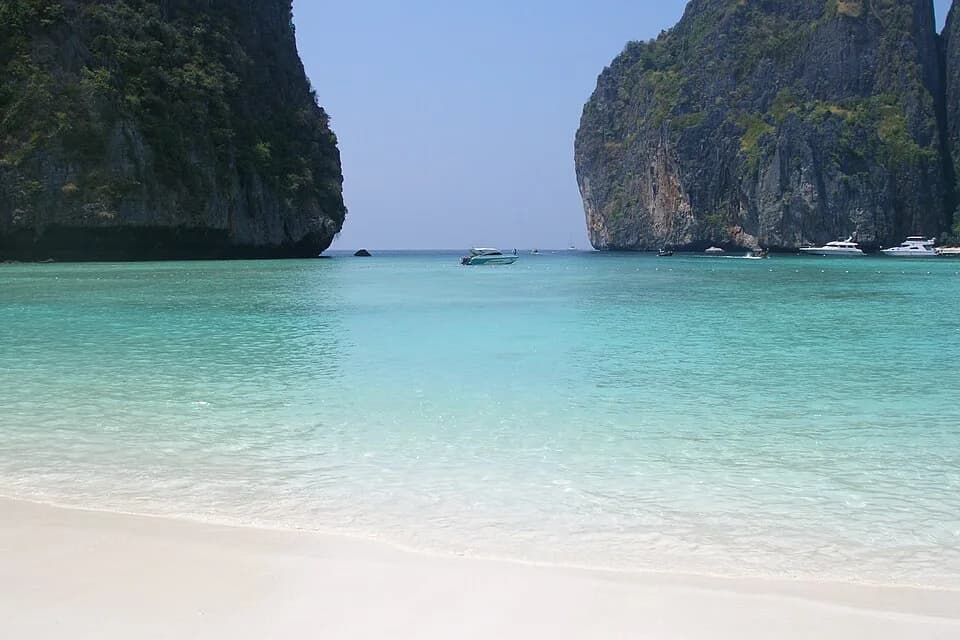
Leonardo DiCaprio filmed The Beach here in 1999. By 2018, 5,000 tourists were arriving daily by longtail boat, and the coral reef was 80% destroyed. Thailand closed Maya Bay entirely for over three years to let the ecosystem recover. It reopened in 2022 with a 300-person daily cap and a swimming ban. The bay is healing — no thanks to the people who "loved" it.
- –
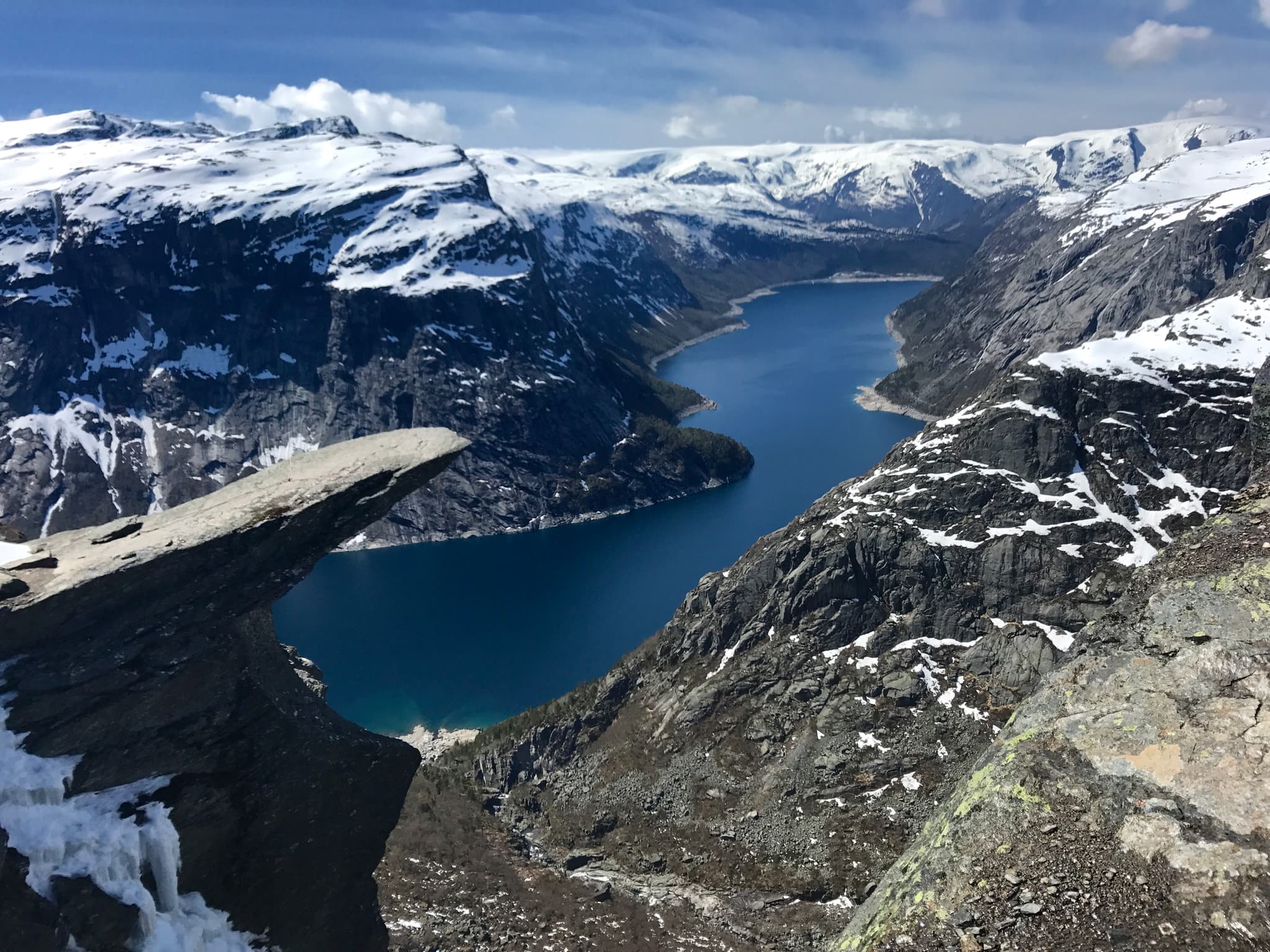
A rock ledge 700 meters above a lake that went from receiving 500 hikers a year in 2009 to over 100,000 by 2019. People queue for up to two hours in freezing conditions just to pose on the tongue-shaped cliff for a photo that looks identical to every other Trolltunga photo ever taken. Norwegian rescue teams have publicly complained about unprepared influencers needing helicopter evacuations.
- –
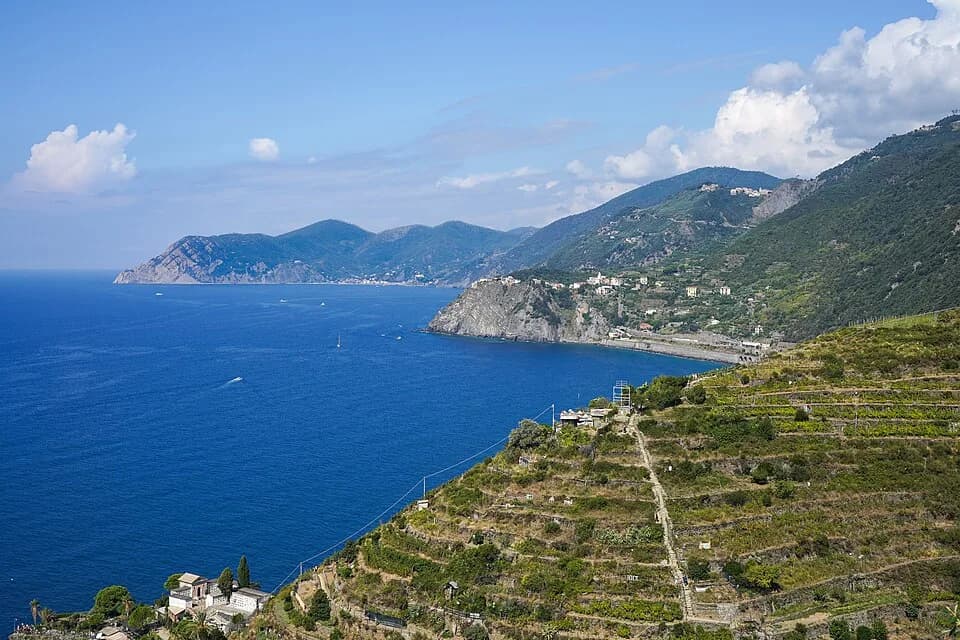
Five tiny fishing villages on the Ligurian coast that collectively house 4,000 people and host 2.5 million visitors annually. Vernazza and Manarola are essentially open-air Instagram studios between June and September. Italy floated a plan to charge entrance fees to the entire region. Locals have hung banners reading "Tourists, you are destroying this area." The focaccia is still incredible though.
- –
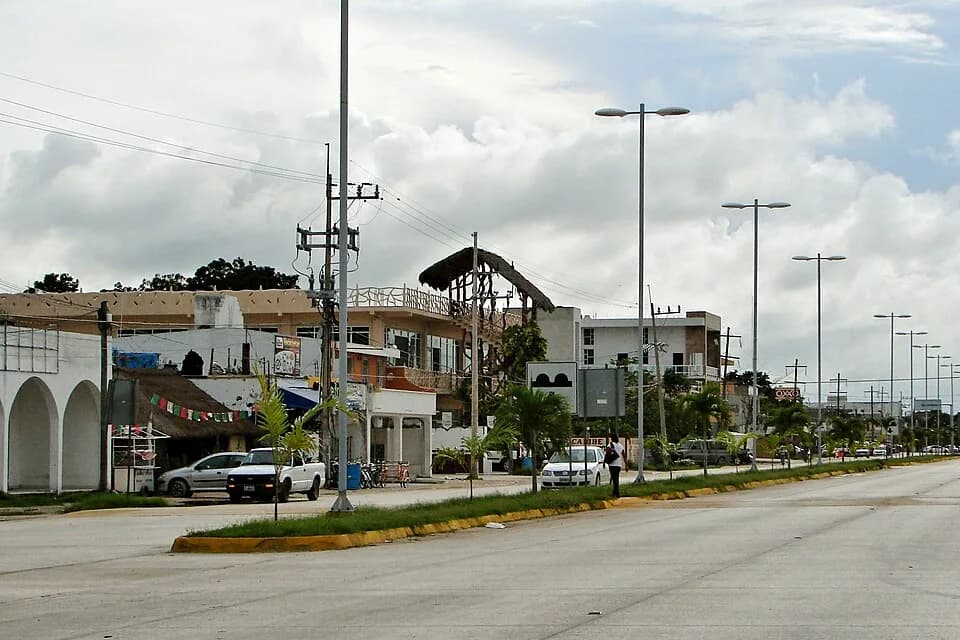
Tulum's transformation from a $15-a-night backpacker haven to a $600-a-night wellness industrial complex is Instagram’s most ironic casualty. The Instagram-fueled demand has driven raw sewage into the very cenotes that influencers flock to photograph. The jungle-chic facade masks a severe infrastructure crisis—drone shots conveniently omit the 24/7 generators.
- –
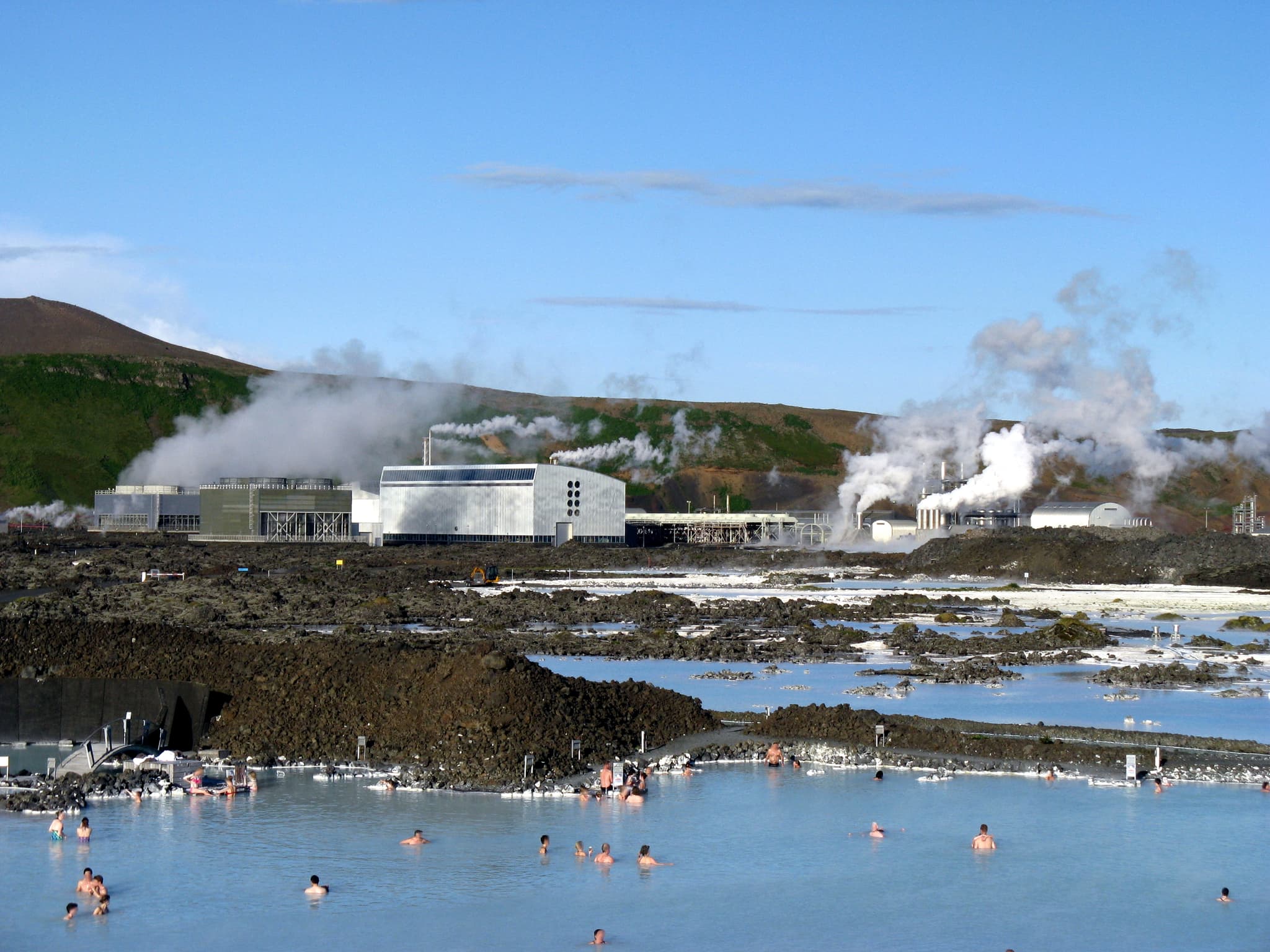
The Blue Lagoon charges over $100 for entry and demands weeks of advance booking, yet its milky-blue water in photos contrasts sharply with a reality of crowded public pool conditions. Iceland’s tourism boom—from 300,000 visitors in 2009 to 2.3 million by 2023—was turbo-charged by Instagram. The country now hosts six tourists per resident, with the Blue Lagoon as ground zero.
Image credits
- Santorini, Greece: kallerna / Wikimedia Commons (CC BY-SA 4.0)
- Ubud, Bali: Jorge Franganillo / Wikimedia Commons (CC BY 2.0)
- Dubrovnik, Croatia: Zysko serhii / Wikimedia Commons (CC BY-SA 4.0)
- Machu Picchu, Peru: Draceane / Wikimedia Commons (CC BY-SA 4.0)
- Hallstatt, Austria: C.Stadler/Bwag / Wikimedia Commons (CC BY-SA 4.0)
- Maya Bay, Thailand: WIKIMEDIA_MIRRORED
- Trolltunga, Norway: kallerna / Wikimedia Commons (CC BY-SA 3.0)
- Cinque Terre, Italy: WIKIMEDIA_MIRRORED
- Tulum, Mexico: WIKIMEDIA_MIRRORED
- Blue Lagoon, Iceland: Prosthetic Head / Wikimedia Commons (CC BY-SA 4.0)
Frequently asked questions
What does it mean that Instagram 'ruined' a travel destination?
It means that excessive social media exposure has led to overcrowding, environmental damage, and a loss of authentic local charm, often due to tourists flocking to capture the same iconic photos.
Which destinations are commonly listed as ruined by Instagram?
Popular examples include Santorini (Greece), Machu Picchu (Peru), Venice (Italy), the Bali swing, and Iceland’s Fjaðrárgljúfur canyon—places where viral photos have caused unsustainable tourist influx.
How can I still visit these destinations without contributing to the problem?
Travel during off-peak seasons, visit early in the morning or late in the evening, choose lesser-known nearby spots, and follow Leave No Trace principles to minimize your impact.
Are there alternative destinations that offer a similar experience without the crowds?
Yes, for example, instead of Santorini, try Milos or Paros in Greece; instead of Bali’s popular swings, explore less-traveled areas like Sumba or Lombok.
Does the article suggest any positive steps Instagram could take to help?
The article often suggests Instagram could promote sustainable tourism, limit geotagging of fragile spots, and encourage users to share responsible travel tips instead of just posing for likes.
Rank it your way
Remix this list into your own ranking, or head to the play hub for every game mode and community breakdown — blind mode, challenges, tier lists, and more.
You Might Also Like
Top 10 Eastern European Travel Destinations
Top 10 Travel Destinations Instagram Ruined
Top 10 Most Photogenic Small Towns
Top 10 Travel Destinations Instagram Ruined
Top 10 Most Crowded Tourist Attractions
Top 10 Most Crowded Tourist Attractions

Top 10 Romantic Getaways That Aren't Paris or Venice
Top 10 Romantic Getaways That Aren't Paris or Venice
Top 10 Most Romantic Getaways
Top 10 Most Romantic Getaways
Top 10 Weekend Getaways Under 4 Hours From Major Cities
#1 Hudson Valley (from New York City) · #2 Shenandoah Valley (from Washington, D.C.) · #3 Door County (from Chicago)