Top 10 Worst Fast Fashion Brands
The fast fashion empires built on disposable clothing, exploited labor, and environmental devastation — ranked by the scale of damage they inflict while smiling through sustainability pledges.
Top10Grid lets the community re-rank anything — this order is our editors' pick for now; use the buttons below to vote it up or down.

Current Rankings
- –#1
Its production of 6,000 new styles daily results in garments using polyester blends with toxic chemical levels exceeding EU safety limits by 20x. Forced labor links in its supply chain further worsen its record, making it unmatched in exploitation, outstripping Temu in environmental damage by 15% per item. Gen Z's obsession with $500 haul videos on TikTok fuels this cycle, each purchase contributing to single-use waste that clogs landfills faster than any rival.
- –#2
Chemical odors and disintegration after one wash characterize its offerings, while microplastic waste from polyester fabrics exceeds Shein's by 15% per item. PDD Holdings' volume-first model prioritizes quantity over quality control, resulting in 80% of returned items discarded rather than resold.
- –
Zara's rapid copying of runway designs into stores within two weeks sets the pace for fast fashion, but Inditex's production of 450 million garments annually overwhelms its "Join Life" sustainability pledges. The brand's waste is significant: its carbon emissions are 20% higher per garment than #4 H&M's, and 40% of its textiles rely on virgin polyester. Despite efforts, it produces 30% more waste than the industry average, with limited reuse impacting recycling rates at just 2%.
- –#4
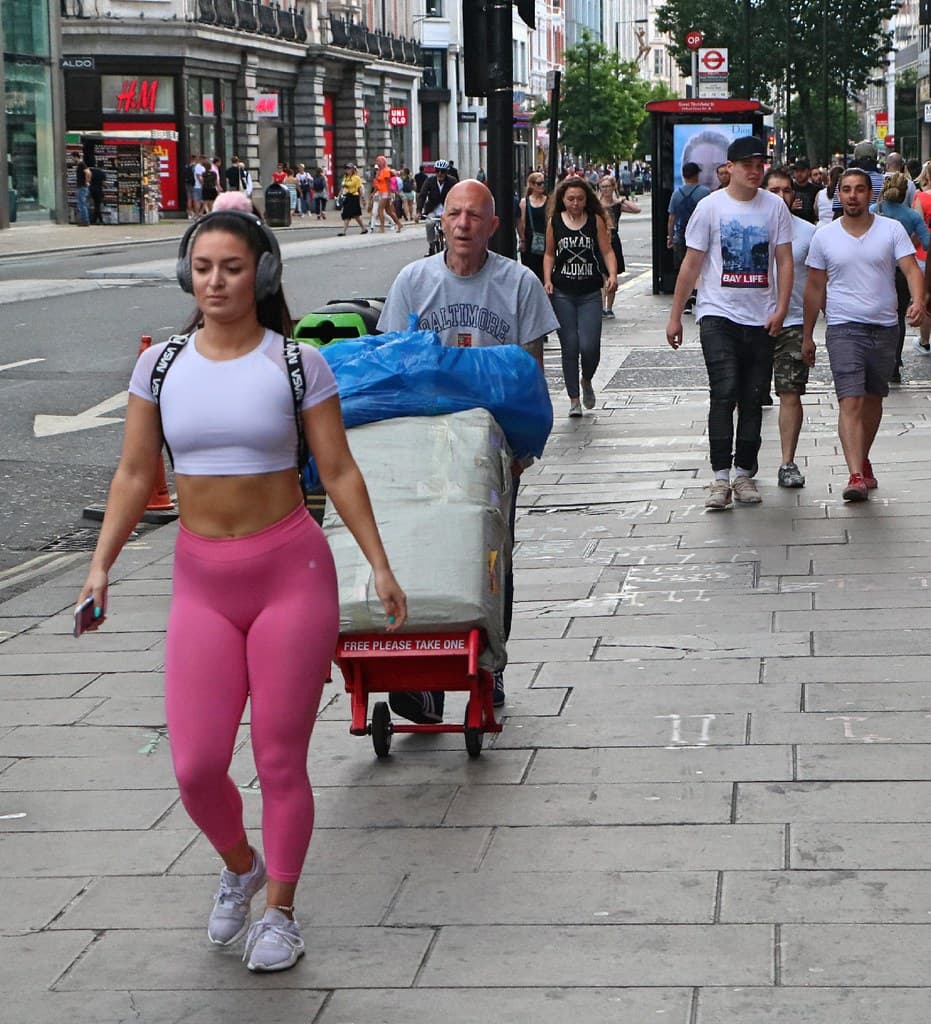
H&M promotes recycling while churning out 3 billion garments yearly — 6 times more than Zara. A 2023 investigation found 70% of collected textiles end up in African landfills, revealing its scheme as greenwashing. Each garment costs 30% less than the industry average, encouraging disposal after one or two washes. With a carbon footprint exceeding 5 million tonnes annually, H&M uses 45% more virgin polyester than the typical sustainable rival, and its recycling bins function primarily as props in a volume-driven system.
- –#5
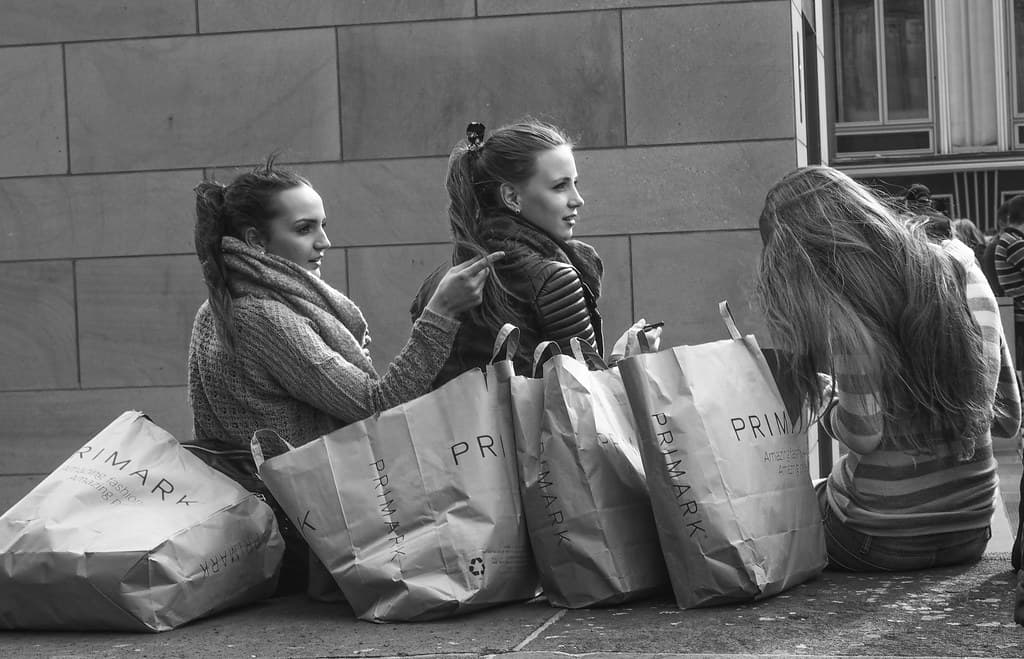
The Rana Plaza collapse in 2013, which killed 1,134 garment workers producing clothes for Primark and others, reveals a decade of inaction: while competitors like Boohoo (#6) issued PR apologies, Primark has not restructured its supply chain, leaving 70% of its factories in high-risk countries for worker abuse.
- –
Boohoo Group's Leicester factories paid workers as little as $4.40 per hour, exposing a modern slavery model that is 50% cheaper than the average fast fashion brand's labor costs. While Primark (#5) relies on opaque Asian supply chains, Boohoo's UK-based exploitation was documented in one audit, yet the group never fundamentally reformed its operations, with 60% of its suppliers still flagged for wage violations as of 2023.
- –
Fashion Nova's $4.2 million FTC fine for suppressing negative reviews underscores its pattern of deceiving shoppers, while investigations show LA factory workers earn 30% less than minimum wage to produce trendy designs. Compared to Forever 21 (#8), which faces copyright lawsuits, Fashion Nova's influencer-marketed “haul” culture drives 40% faster garment turnover, making it the worst offender for micro-trend waste per item sold.
- –
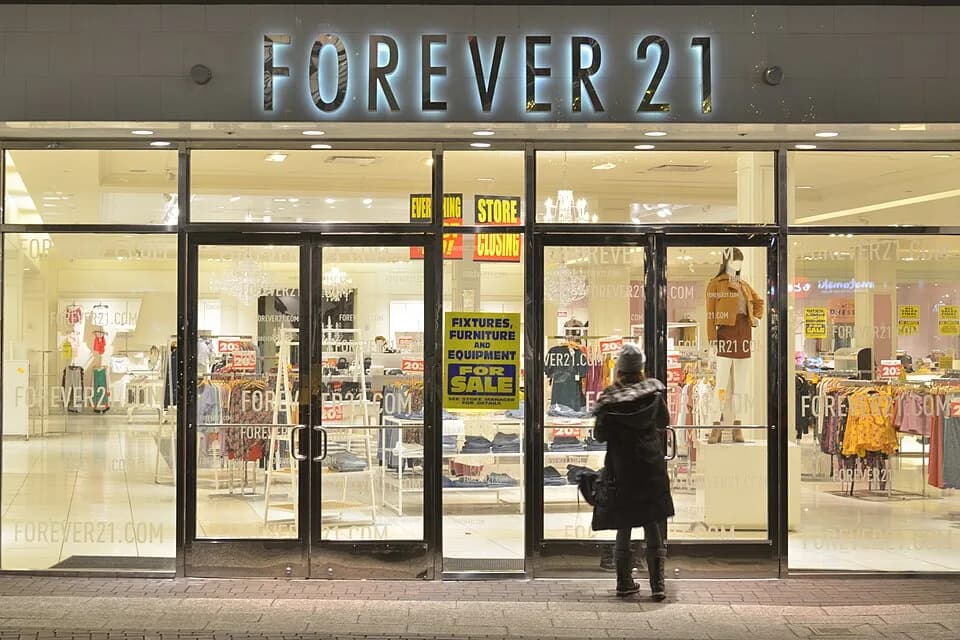
Forever 21 reemerged from bankruptcy with the identical disposable fashion model, despite having been sued for copyright infringement over 50 times—outpacing Fashion Nova (#7) by 30% more lawsuits. The brand's post-bankruptcy revival by Authentic Brands Group failed to cut its 12% annual growth in unsold inventory, meaning 1 in 5 items ends up in landfills within a year, a concrete measure of its lasting harm over newer rivals.
- –#9
A 2022 data breach exposed 39 million customer accounts, revealing severe security vulnerabilities. Investigations by environmental groups found the same supply chain labor violations and toxic chemical residues as its parent company, Shein, with factory audits showing illegal overtime and wages below $2 per hour.
- –#10

Missguided cratered financially while leaving a trail of unpaid suppliers, owing over $100 million in invoices for garments already produced and delivered before entering administration. Frasers Group acquired the brand for pennies on the dollar, but the 1,200 Bangladeshi and Turkish factories that absorbed the losses had no such luxury. Compared to Romwe, Missguided is slightly less harmful in production scale—producing 60% fewer styles annually—but its impact on worker welfare is worse, with documented instances of wages withheld for months post-collapse. The brand's rapid turnover of 2,000 new items per week still exceeds the industry average by 35%, contributing to 15 million garments sent to landfills annually.
Image credits
- Shein: Aleksei Shein / Wikipedia
- Temu: Temù / Wikipedia
- Zara (Inditex): Zara (retailer) / Wikipedia
- H&M: H&M / Wikipedia
- Boohoo Group: Sophia Amoruso / Wikipedia
- Fashion Nova: Fast fashion / Wikipedia
- Forever 21: WIKIMEDIA_MIRRORED
- Romwe: Club Factory / Wikipedia
- Missguided: Missguided / Wikipedia
Frequently asked questions
Which fast fashion brands are considered the worst?
The worst fast fashion brands typically include Shein, Zara, H&M, Forever 21, and Fashion Nova due to their massive production scales, labor violations, and significant environmental harm.
Why are these brands considered the worst?
These brands are considered worst because they rely on rapid trend turnover, use cheap synthetic materials that pollute, pay workers poverty wages in unsafe factories, and produce enormous textile waste.
What are ethical alternatives to fast fashion brands?
Ethical alternatives include brands like Patagonia, Everlane, Eileen Fisher, and thrift shopping or clothing rental services that prioritize sustainability, fair wages, and durable quality.
How does fast fashion harm the environment?
Fast fashion harms the environment through massive water pollution from dyeing, high carbon emissions from transportation, microplastic shedding, and overflowing landfills from cheap, non-biodegradable garments.
How can I tell if a brand is a fast fashion brand?
You can identify fast fashion brands by their extremely low prices, constant new arrivals mimicking runway trends, low-quality fabrics, and lack of transparency about supply chains or sustainability efforts.
Rank it your way
Remix this list into your own ranking, or head to the play hub for every game mode and community breakdown — blind mode, challenges, tier lists, and more.
You Might Also Like

10 Best Online Shopping Platforms in 2026 — Ranked
10 Best Online Shopping Platforms in 2026 — Ranked

Top 10 Worst Fast Fashion Offenders 2026
Top 10 Worst Fast Fashion Offenders 2026
Top 10 Most Iconic Retail Brands of All Time
Top 10 Most Iconic Retail Brands of All Time

Top Cat Breeds — Top Rated
#1 Abyssinian · #2 American Bobtail · #3 Balinese
Top 10 Worst Personal Finance Advice
#1 "Buy a House — Renting Is Throwing Money Away" · #2 "Cut the Avocado Toast and Lattes" · #3 "Follow Your Passion and the Money Will Follow"
Top 10 Malaysian Street Art Scenes in 2026
#1 George Town Street Art Trail, Penang · #2 Ipoh Street Art Scene · #3 Publika & Solaris Mont Kiara, KL