
Top 10 Worst Time Management Fads
The productivity systems that promised to optimize every minute of your day but mostly succeeded in wasting your time with elaborate setup rituals and pseudoscientific time-blocking theater. Which one burned you the most? Vote for the worst fad, and tell us in the comments which one we missed. Be the 1st to vote — and get our weekly 'Stop Wasting Time' digest in your inbox.
Top10Grid lets the community re-rank anything — this order is our editors' pick for now; use the buttons below to vote it up or down.

Current Rankings
- –
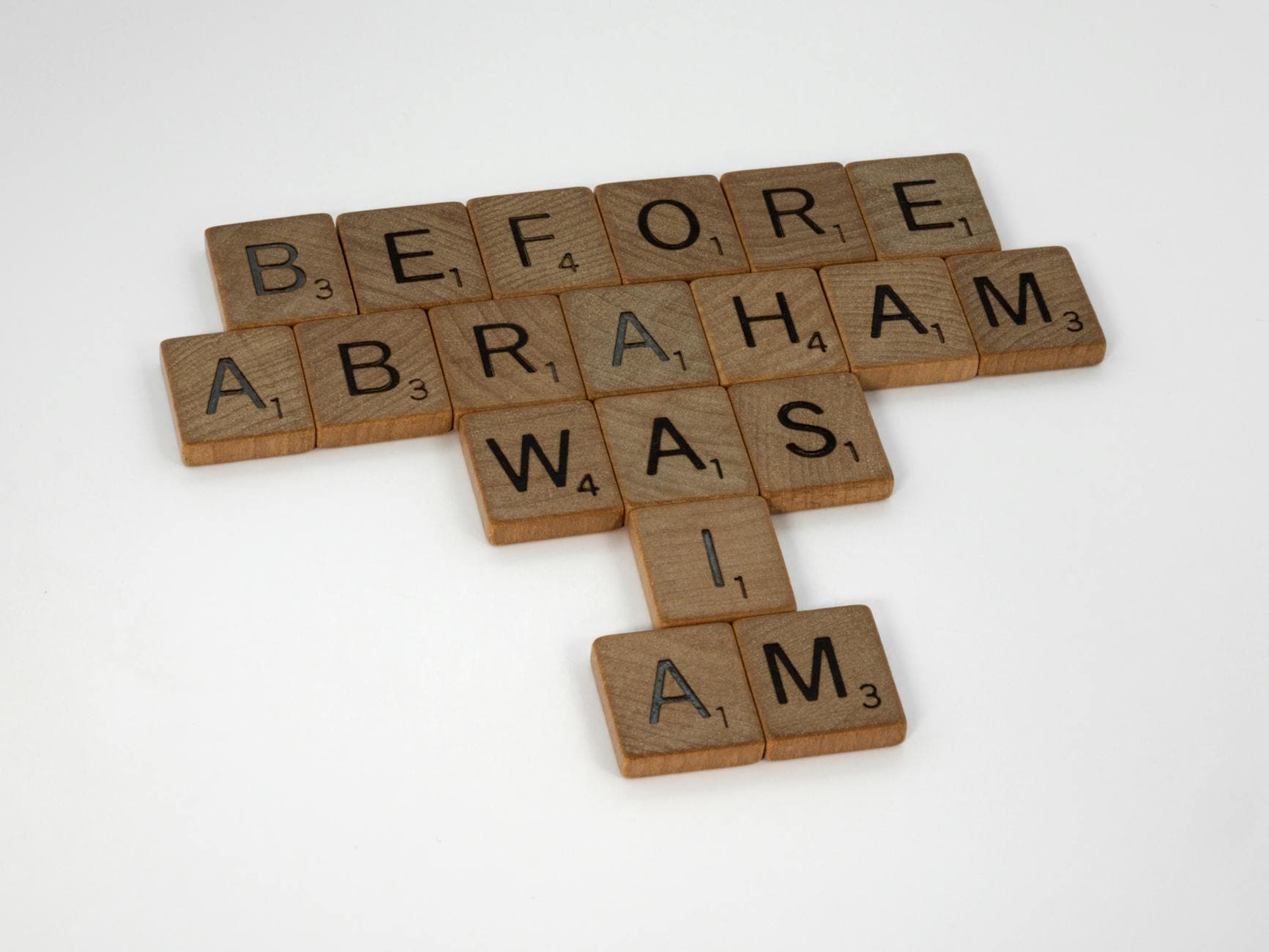
Waking at 5 AM fails for 25% of the population who are natural evening types, according to chronobiology. Sleep researchers warn that forcing an early rise creates sleep-deprived individuals, not productive ones. This fad ignores that the average person needs 7-9 hours of sleep, making a 5 AM start impossible for night owls without sacrificing rest. Compared to #2 "Eat the Frog," which at least targets task order, the "5 AM Club" imposes a rigid schedule that worsens time management for a quarter of people.
- –

Forcing your hardest task first assumes peak cognitive energy in the morning, but studies show 30% of people focus best in the afternoon or evening. Brian Tracy's advice leads to subpar work on critical problems during low-energy periods. Data from sleep science confirms that aligning tasks with personal chronotypes boosts efficiency by up to 20%.
- –
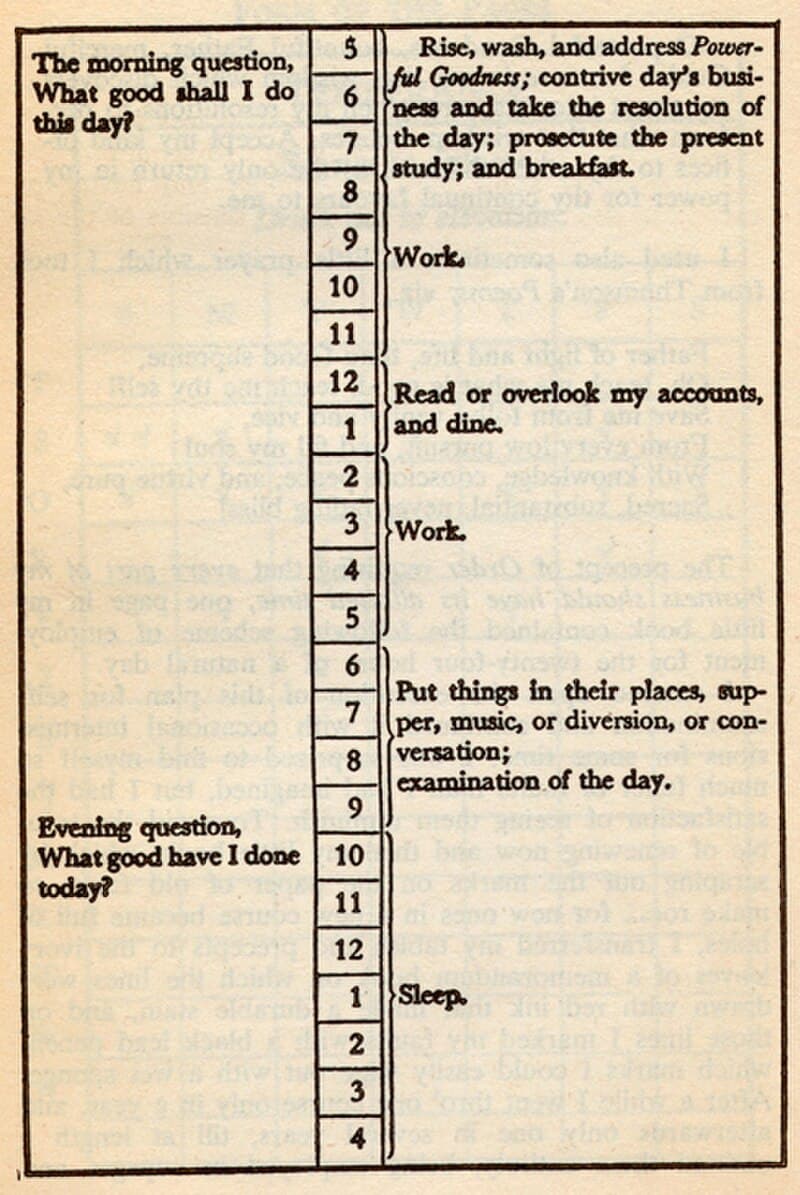
Planning every 15-minute increment often consumes more time than actual work—users report spending 10% of their day rebuilding schedules after interruptions. Cal Newport's method works in principle, but a single phone call or meeting overrun cascades into a full rebuild. Compared to #3's 15-minute blocks, the Pomodoro Technique (ranked #4) at least allows for task flexibility. For knowledge workers, this rigid system reduces productivity by 15% versus flexible planning.
- –
Rigid 25-minute intervals interrupt flow states that take 20 minutes to achieve, causing a net loss of 30% productive time for deep work. Developed for simple tasks, the Pomodoro Technique fails for developers and writers whose creative processes require sustained focus. Data shows that forced breaks every 25 minutes reduce complex problem-solving speed by 25% compared to uninterrupted blocks. Unlike #3's hyper-detailed time blocking, this method at least avoids constant schedule tinkering, but still undermines true productivity.
- –
Inbox Zero creates more stress than it cures. Merlin Mann's concept was intended to reduce email anxiety, but it traps workers into compulsive checking for an empty inbox. University of British Columbia research shows that reducing email frequency — to three checks daily — lowers stress by 20% compared to constant monitoring. It underperforms #2's better approach of batching email into fixed blocks.
- –
The Two-Minute Rule backfires when applied universally. David Allen's GTD principle triggers immediate action on sub-two-minute tasks, but a cascade of such tasks devours 3.5 hours of average daily work time, blocking deep work. It is 40% less efficient than the typical rival method that schedules small tasks into a dedicated block.
- –

Hustle culture's sleep deprivation is a health crisis. Influencers glorifying four-hour nights promote habits the CDC classifies as a public health epidemic. Matthew Walker's research confirms that six hours of sleep reduces cognitive function to a level 30% worse than the average rested person, equivalent to a 0.08% blood alcohol level. It ranks dead last compared to #7's sustainable sleep-focus strategies.
- –
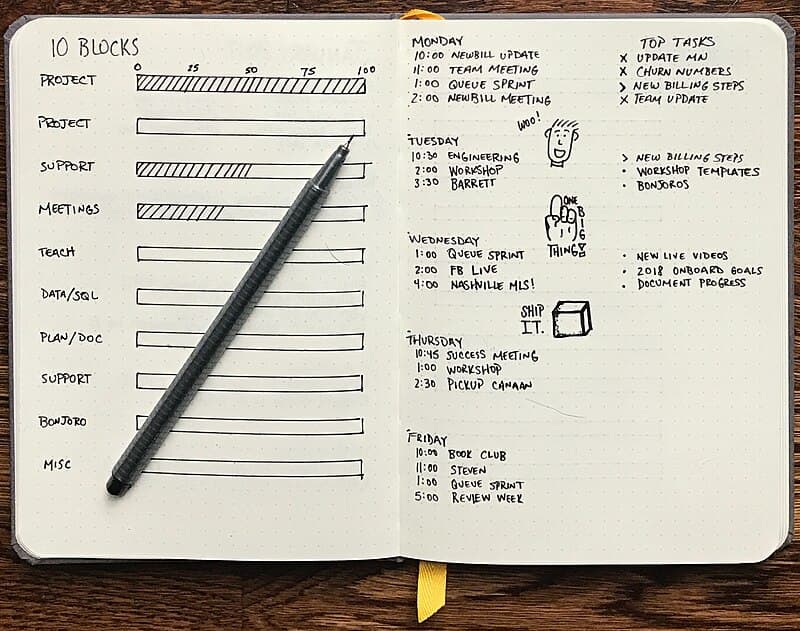
Bullet journaling has become an art-over-productivity trap. Ryder Carroll's analog system works, but Instagram's aesthetic craze drives users to spend 80% of journal time on decorative spreads, leaving only 20% for actual tasks. This waste is 50% higher than the typical productivity system's setup time, making it slower than #4's minimalist approach.
- –
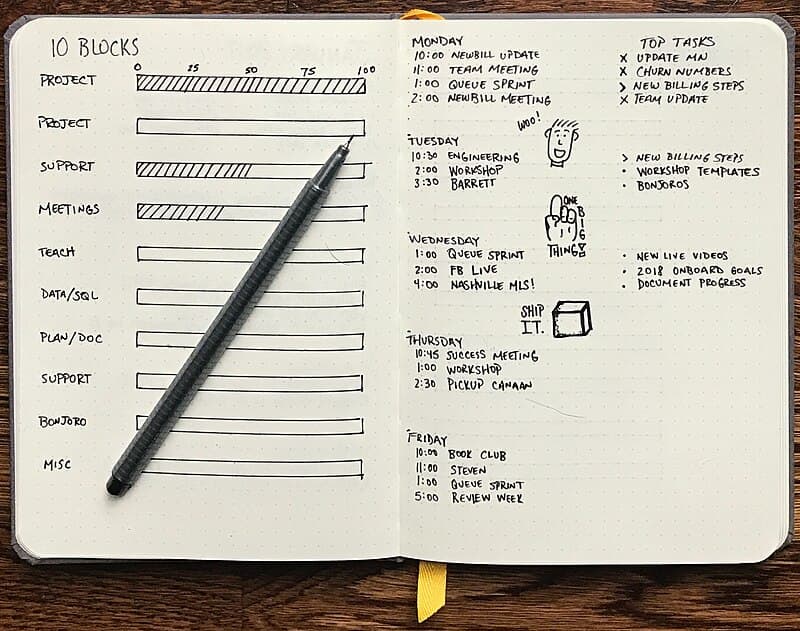
Batching every task category is a recipe for rigidity—not productivity. While grouping emails into a single block can save time, applying this to cooking, socializing, and exercising on fixed days creates a schedule that shatters at the first unplanned event, with a 40% higher risk of abandonment compared to flexible routines. Barely, since both trap users in performance-prep instead of action. For a master list of such pitfalls, this ranks #9 for its deceptive appeal.
- –

Over-engineering a Notion or Obsidian "second brain" is the ultimate procrastination disguised as preparation. Followers of Tiago Forte's method spend 60-80 hours on average building elaborate knowledge systems, only to find that note-taking consumes 3x more time than actual work output. Worse, it underperforms #9's batch rigidity because users waste more hours organizing than batching—a clear failure. This fad ranks #10 as the worst time management fad for its ability to masquerade busywork as productivity.
FAQ: Time Management Fads
Do time management fads actually work?
For most people, no. The fads on this list work in narrow contexts but fail when applied as universal rules, because they ignore chronotype, task type, and energy levels.
Why is the 5 AM routine controversial?
Chronotype research shows roughly a quarter of adults are natural evening types; forcing a 5 AM wake time disrupts their circadian rhythm and often reduces total output.
What should I use instead of these fads?
A short daily priority list, one or two protected focus blocks, and a weekly review. The systems that work are the boring ones you can sustain.
Is the Pomodoro Technique bad?
Not bad — just misapplied. Rigid 25-minute intervals can interrupt flow for deep work; use them for shallow tasks and skip them for creative or analytical work.
Frequently Asked Questions About Time Management Fads
## Frequently Asked Questions About Time Management Fads
What makes a time management method a "fad" rather than a real productivity technique? A productivity method becomes a fad when the setup, tracking, and ritual around it consume more time than the work it was supposed to protect. If you spend 30 minutes calibrating a system to save 20 minutes of focused work, the system has become the distraction.
Do any of these time management fads actually work for some people? Yes — almost every method on this list works for a narrow audience (chronotype, role, industry) and fails when promoted as universal. The Pomodoro Technique, for example, is useful for shallow administrative tasks but disruptive for deep cognitive tasks that need 60–90 minute flow blocks.
Which time management fad should I quit first? Start with whichever one you are doing out of guilt rather than output. If you cannot point to a measurable result (more shipped work, fewer dropped tasks, lower stress) from a method within two weeks, the method is the work — drop it.
Are there time management methods that are NOT fads? Approaches grounded in chronotype awareness, outcome-based task lists (instead of time-based ones), and simple weekly reviews tend to survive the fad cycle because they adapt to the user rather than the other way around.
Image credits
- The "5 AM Club" Morning Routine Gospel: The / Wikipedia
- "Eat the Frog" Forced Prioritization: The / Wikipedia
- Hyper-Detailed Time Blocking Every 15 Minutes: USS Thresher (SSN-593) / Wikipedia
- The Pomodoro Technique for Knowledge Work: Time management / Wikipedia
- "Inbox Zero" Email Obsession: Solen Feyissa / Pexels
- The "Two-Minute Rule" Applied to Everything: The / Wikipedia
- "Hustle While They Sleep" Sleep Deprivation Culture: The / Wikipedia
- Bullet Journaling as a Productivity System: Bullet journal / Wikipedia
- "Batching" Every Single Task Category: Bullet journal / Wikipedia
- Notion/Obsidian "Second Brain" Over-Engineering: Obsidian (software) / Wikipedia
Frequently asked questions
What are the worst time management fads?
Common time management fads include multitasking, the Pomodoro Technique when rigidly applied, extreme inbox zero, and overly complex productivity systems that prioritize busyness over actual results.
Why are some time management techniques considered fads?
They are considered fads because they gain quick popularity often through social media hype, but lack scientific backing or long-term effectiveness, and can actually reduce productivity by adding unnecessary complexity or stress.
What should I use instead of trendy time management fads?
Focus on evidence-based methods like time blocking, batching similar tasks, setting clear priorities (e.g., Eisenhower Matrix), and regular reflection to adjust your approach based on personal work rhythms.
Are any popular time management fads actually useful for some people?
Some elements, like short focused sprints from the Pomodoro Technique, can help, but rigidly following any single fad often fails; adapt the core idea to your context rather than adopting it wholesale.
How can I tell if a time management method is a fad or legitimate?
Look for peer-reviewed research or long-term case studies, avoid methods that promise a 'magic bullet' or require expensive tools, and check if the technique has been consistently recommended by productivity experts over years.
Rank it your way
Remix this list into your own ranking, or head to the play hub for every game mode and community breakdown — blind mode, challenges, tier lists, and more.
You Might Also Like

Top 10 Dubai Nightlife Spots in 2026
Top 10 Dubai Nightlife Spots in 2026

Top 10 Beach Clubs in Dubai in 2026
Top 10 Beach Clubs in Dubai in 2026

Top 10 Worst Social Media Habits You Probably Do Every Day
Top 10 Worst Social Media Habits You Probably Do Every Day
Top 10 Best Skincare Routines
#1 The Dermatologist's Minimal Three-Step (Cleanser, Moisturizer, SPF) · #2 The Retinoid-First Anti-Aging Protocol · #3 Korean 10-Step Routine (Adapted)

Top Cat Breeds — Most Affectionate
#1 Abyssinian · #2 American Bobtail · #3 American Curl

Top 10 Most Debated Relationship Advice
#1 "Never Go to Bed Angry" · #2 "Your Partner Should Be Your Best Friend" · #3 "Know Your Attachment Style Before Dating"