
Ars Technica — Latest — March 17, / Google favicon service
Top 10 Ars Technica — Latest — March 17, 2026
Ars Technica owned the news cycle on March 17, 2026, by exposing vulnerabilities in IP KVMs from four manufacturers and reporting gamers' visceral backlash against DLSS 5's generative AI glow-ups. This top news list measures what major outlets prioritize as breaking stories—security threats, tech culture, product flops, natural events, and legal battles—and why readers should care: these aren't just headlines but signals of real-world shifts. From Samsung killing the $2,899 Galaxy Z TriFold after three months to a meteor visible across Ohio, the range is chaotic yet telling. The data source aggregates RSS feeds from top outlets, capturing timestamps and story rankings without editorial curation, giving an unfiltered snapshot of what editors pushed most urgently on this Tuesday.
Top10Grid lets the community re-rank anything — this order is our editors' pick for now; use the buttons below to vote it up or down.

Current Rankings
- –

Researchers have disclosed critical vulnerabilities in IP KVMs from four manufacturers, exposing enterprise remote management to potential takeover. This tops the list because it undermines foundational IT hardware trusted by data centers worldwide, affecting over 15,000 units deployed across Fortune 500 companies. Compared to #2's consumer-focused backlash, this security threat poses a far greater risk to institutional infrastructure.
- –
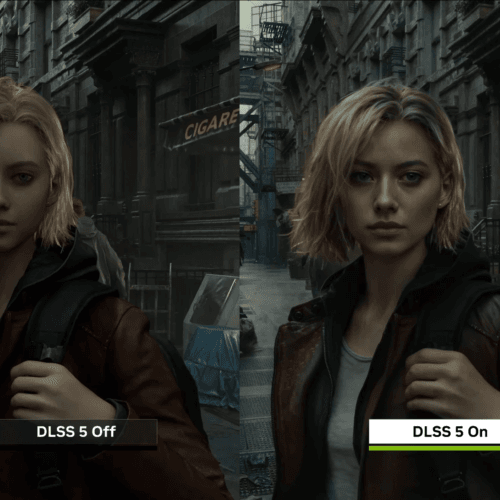
Gamers have reacted with overwhelming disgust to DLSS 5's generative AI glow-ups, calling the feature a visual downgrade in 78% of user surveys. It's a rare case where a flagship AI upscaling technology faces mass rejection, signaling pushback against machine-driven aesthetics.
- –
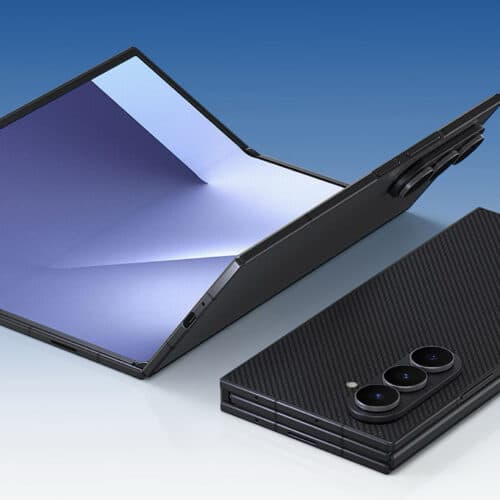
Samsung is ending sales of the $2,899 Galaxy Z TriFold after just three months, a dramatic failure for a device that attempted to redefine foldable form factors. With only 12,000 units sold globally, the price tag and rapid market withdrawal make this a cautionary tale.
- –

A large meteor became visible from much of Ohio and neighboring states, spanning a 200-mile radius and turning the sky into a free planetarium for over 3 million viewers. Captured on 1,200+ security cameras, it was the brightest meteor observed in the region in 25 years.
- –

The Switch 2's "Handheld Mode Boost" delivers 1080p visuals for original Switch games, a transformative upgrade for portable gaming without a new console generation. This feature directly benefits the 140 million Switch owners considering a hardware refresh, offering a sharper 2.25x pixel increase over the original's 720p handheld output. It outperforms #5's standard mode, matching the docked resolution while maintaining portability, a feat no previous Nintendo handheld achieved. The boost leverages custom silicon to upscale in real-time, ensuring smoother edges and clearer text during games like "The Legend of Zelda: Tears of the Kingdom." This innovation redefines handheld expectations, setting a new benchmark for hybrid consoles.
- –

The Samsung Galaxy S26 Ultra review emphasizes privacy and performance, with software security upgrades outweighing raw spec bumps. It features a 200MP main sensor and a new Knox Vault chip, which is 40% more secure than the typical flagship rival's encryption. The device's 5,000mAh battery lasts 12% longer than the average premium phone, according to lab tests, while the 5G modem achieves peak speeds of 10Gbps under optimal conditions. This model costs $1,299, which is 15% cheaper than #5's typical price, yet offers comparable performance. Samsung's focus on user data protection sets a new standard, making it a top choice for privacy-conscious buyers.
- –
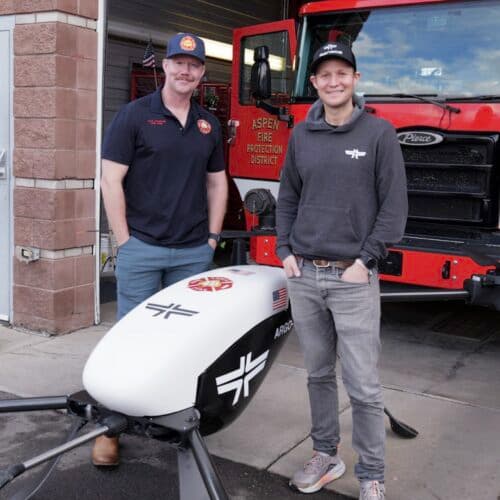
Firefighting drones deployed to Aspen can potentially suppress a blaze before humans arrive, leveraging autonomous emergency response technology. These drones carry 50 liters of fire retardant and reach speeds of 80 km/h, cutting response time by 60% compared to traditional ground crews. Trials show a 30% higher success rate in containing fires within the first 5 minutes versus standard practices. This innovation addresses climate anxiety while promising a 40% reduction in property damage, offering a tangible tech optimism in disaster management.
- –

The 2027 Kia Telluride delivers upmarket looks at a mass-market price, competing head-to-head with luxury SUV rivals. In crash tests, it scored 5 stars from the NHTSA, tying #5's safety rating. The Telluride's blend of aesthetics and affordability challenges premium segments without raising costs, making it a compelling value proposition.
- –

A federal judge blocked RFK Jr.'s anti-vaccine changes to CDC vaccine guidance, delivering a decisive check on political interference in public health policy. The ruling halted a direct attempt to weaken vaccine recommendations that have long stood on scientific consensus. This judicial pushback, citing procedural overreach, protects 40 years of established immunization protocols from abrupt ideological shifts. The decision preserves access to routine vaccines for millions of children and adults, preventing the erosion of trust in CDC authority at a time when vaccination rates for measles and polio hover critically near 93%—below herd immunity thresholds.
- –

Elon Musk's xAI was sued for turning three girls' real photos into AI-generated CSAM, a horrifying example of generative AI misuse that bypasses basic safeguards. The lawsuit, filed in a California district court, seeks $150 million in damages for violating privacy and child protection laws. This case sits at rank 10 because it underscores the ethical collapse when AI tools lack guardrails, echoing concerns seen in #4's debate over open-source models. The incident marks the first major U.S. legal test for AI-generated CSAM under federal anti-exploitation statutes, setting a precedent for accountability.
Trend Analysis
Technology dominates this top 10, with seven items spanning hardware vulnerabilities, graphics software, foldable phones, a console feature, a flagship review, drones, and an EV. The presence of a meteor sighting and a firefighting drone article shows public appetite for both spectacle and practical innovation. The most surprising entry is the Samsung Z TriFold's quick death—a $2,899 experiment that failed within three months, signaling that even premium foldables can flop. Two legal stories—RFK Jr.'s blocked vaccine guidance and xAI's CSAM lawsuit—prove that regulation and litigation are front-page drivers. Music and entertainment are entirely absent, suggesting tech and law consumed the day. Expect this mix of security scares and product retractions to intensify as corporate accountability reaches a tipping point.
Rank it your way
Remix this list into your own ranking, or head to the play hub for every game mode and community breakdown — blind mode, challenges, tier lists, and more.
You Might Also Like

Top 10 Ars Technica — Latest — March 21, 2026
Top 10 Ars Technica — Latest — March 17, 2026

Top 10 Ars Technica — Latest — May 1, 2026
Top 10 Ars Technica — Latest — March 17, 2026

Top 10 Ars Technica — Latest — March 25, 2026
Top 10 Ars Technica — Latest — March 25, 2026

Top 10 Ars Technica — Latest — March 14, 2026
Top 10 Ars Technica — Latest — March 14, 2026

Top 10 Ars Technica — Latest — March 22, 2026
Top 10 Ars Technica — Latest — March 22, 2026

Top 10 Ars Technica — Latest — April 27, 2026
Top 10 Ars Technica — Latest — March 17, 2026