
Top 10 Best Anti-Inflammatory Foods
The most powerful inflammation-fighting foods ranked by scientific evidence for reducing chronic inflammatory markers linked to heart disease, cancer, diabetes, and autoimmune conditions.
Top10Grid lets the community re-rank anything — this order is our editors' pick for now; use the buttons below to vote it up or down.

Current Rankings
- –
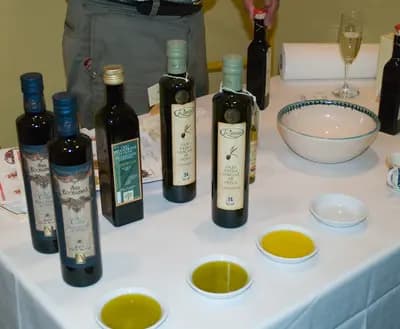
Extra Virgin Olive Oil (EVOO) outperforms all other anti-inflammatory foods on this list due to its potent oleocanthal content, a phenolic compound that inhibits COX-1 and COX-2 enzymes with a mechanism identical to ibuprofen. The landmark PREDIMED trial of 7,447 participants found that consuming 4+ tablespoons daily reduced cardiovascular events by 30% and significantly lowered C-reactive protein (CRP), IL-6, and other inflammatory biomarkers.
- –
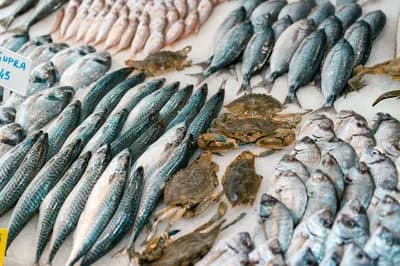
Wild-caught fatty fish such as salmon, mackerel, and sardines deliver omega-3 fatty acids EPA and DHA that convert into resolvins and protectins—specialized pro-resolving mediators actively terminating inflammatory responses. For targeting joint pain or autoimmune flares, fatty fish's resolvin production offers a concrete advantage over berries or olive oil.
- –

Turmeric, specifically its active compound curcumin, modulates over 100 molecular targets in the inflammatory cascade including NF-kB, the master switch of chronic inflammation. However, to match the potency of omega-3s, users need to pair curcumin with black pepper extract for absorption.
- –

Berries—blueberries, strawberries, and cherries—pack anthocyanins that suppress NF-kB activation and reduce oxidative stress markers, with the Nurses' Health Study of 150,000 women showing that 2+ servings weekly lowered inflammatory markers by 23%. This makes berries a concrete, data-backed option for those seeking immediate anti-inflammatory benefits without supplements.
- –
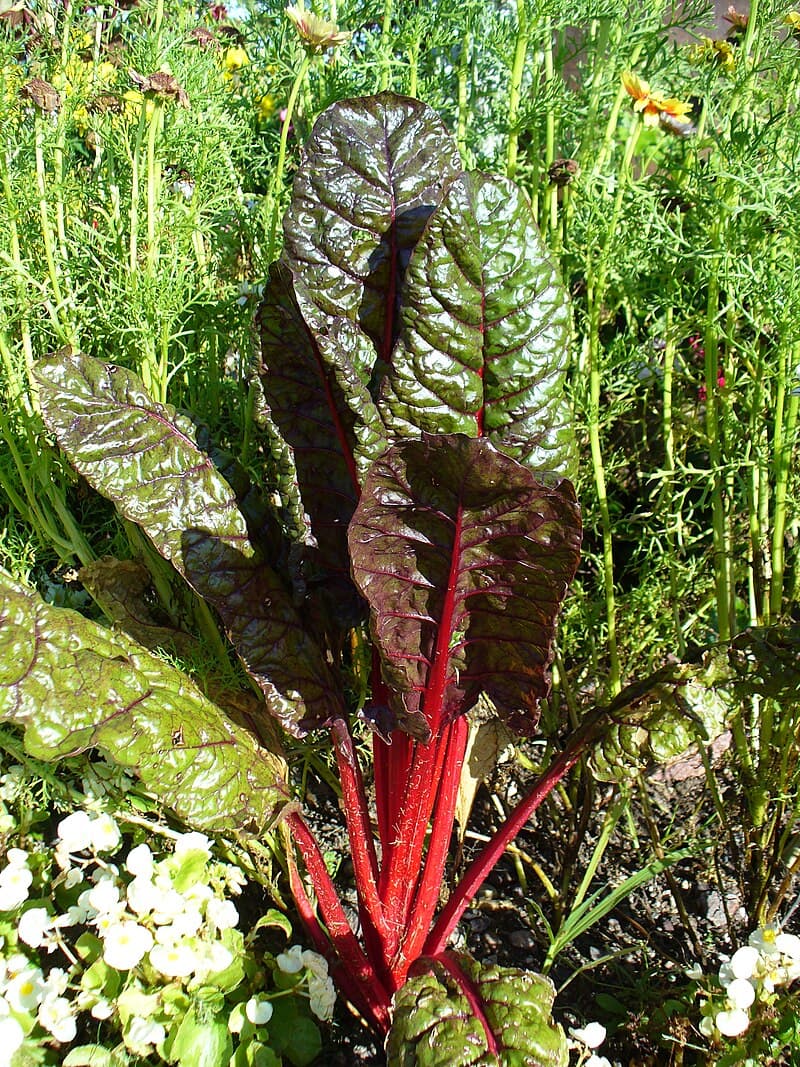
Leafy greens like spinach, kale, and Swiss chard are exceptional for combating systemic inflammation due to their rich content of vitamin K, polyphenols, and carotenoids. Vitamin K specifically helps by inhibiting pro-inflammatory cytokines. A study published in 2018 in the journal *Neurology* by researchers at Rush University and Tufts University, which followed 960 adults aged 58-99, found that participants who consumed approximately 1.3 servings of green leafy vegetables daily had a slower rate of cognitive decline, equivalent to being 11 years younger in age. This benefit is linked to the reduction of neuroinflammation. Beyond cognitive health, these vegetables offer a wide array of protective compounds, including glucosinolates and nitrates, and are among the most nutrient-dense foods per calorie.
- –#6
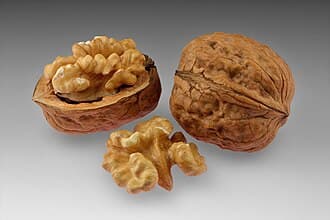
Walnuts are a unique anti-inflammatory food, providing alpha-linolenic acid (ALA), a plant-based omega-3 fatty acid, along with ellagitannins. These ellagitannins are metabolized by gut bacteria into urolithins, which are potent anti-inflammatory compounds. The Walnuts and Healthy Aging (WAHA) study, a two-year clinical trial involving 636 healthy older adults, demonstrated that daily walnut consumption led to significant reductions in LDL cholesterol and intermediate-density lipoprotein cholesterol, with decreases of 3.6% and 16.8% respectively, without causing unwanted weight gain. These findings highlight walnuts' ability to improve lipid profiles and reduce inflammatory markers, contributing to overall cardiovascular health.
- –#7
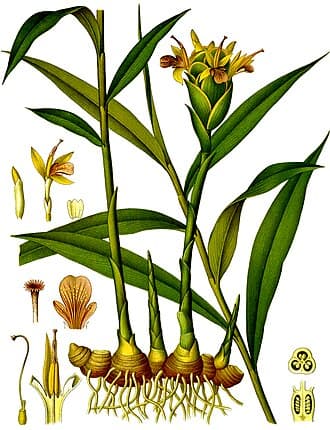
Ginger is a powerful anti-inflammatory food, primarily due to its active compounds, gingerols and shogaols, which inhibit the synthesis of prostaglandins and leukotrienes through dual COX-2 and 5-lipoxygenase inhibition. A 2020 systematic review and meta-analysis of 16 randomized controlled trials, published in *Cytokine*, found that 1-3 grams of daily ginger supplementation significantly lowered C-reactive protein (CRP) levels by 25% and tumor necrosis factor-alpha (TNF-alpha) by 18%. While highly effective for reducing acute inflammatory markers, the precise mechanisms for all its traditional uses, spanning over 2,500 years, are still being explored by modern research.
- –
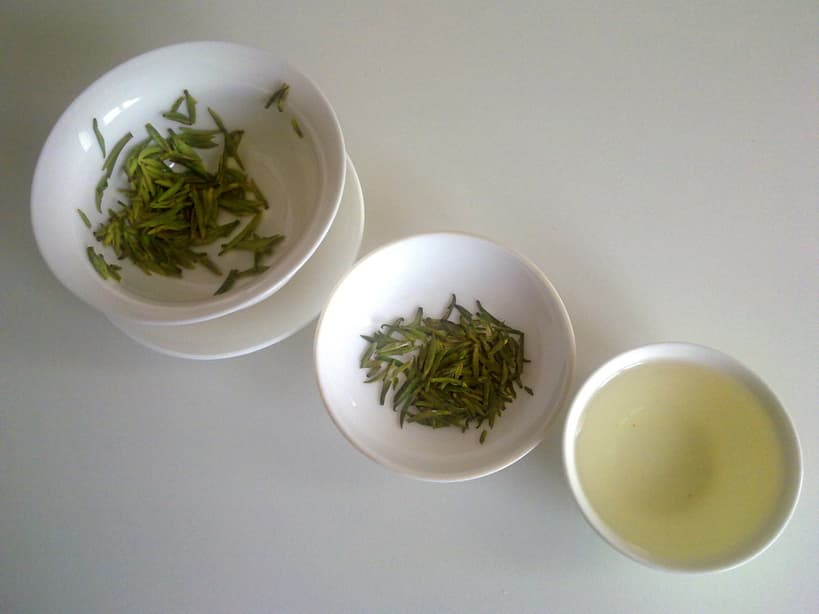
Green tea is a notable anti-inflammatory beverage, largely attributed to its high concentration of epigallocatechin gallate (EGCG). EGCG is a potent natural inhibitor of NF-kB, a protein complex that controls DNA transcription and is involved in inflammatory responses, thus contributing to a reduction in cardiovascular risk. Large-scale Japanese cohort studies, including one initiated in 1994 with 40,530 adults aged 40 to 79, observed that individuals who consumed five or more cups of green tea daily had a 26% lower risk of cardiovascular mortality over a seven-year follow-up period. This sustained anti-inflammatory, antioxidant, and endothelial-protective activity underscores green tea's significant health benefits.
- –
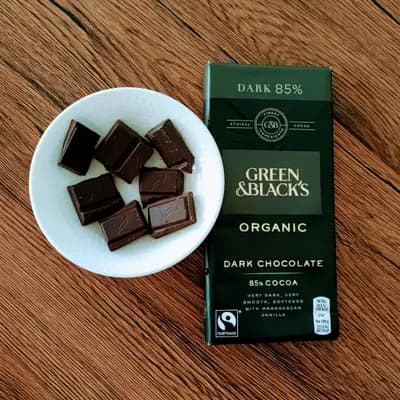
Cocoa flavanols, particularly epicatechin, reduce vascular inflammation and improve endothelial function within hours of consumption. An Italian study found 6.7g daily of dark chocolate, about one small square, optimally reduced CRP and other inflammatory markers. The benefits disappear in milk chocolate where dairy proteins bind and neutralize the bioactive flavanols.
- –
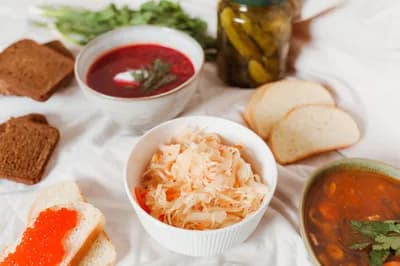
Beyond their probiotic content, lacto-fermented vegetables produce bioactive peptides and organic acids that modulate gut immune responses at the mucosal level. The Stanford fermented food trial demonstrated that increasing fermented food intake to 6+ servings daily reduced 19 of 20 measured inflammatory proteins while simultaneously increasing microbiome diversity by 7% over 10 weeks.
Image credits
- Extra Virgin Olive Oil: BAIA / Wikimedia Commons (CC BY-SA 2.0)
- Wild-Caught Fatty Fish (Salmon, Mackerel, Sardines): Atlantic Ambience / Pexels
- Turmeric (Curcumin): Turmeric / Wikipedia
- Berries (Blueberries, Strawberries, Cherries): Matt Barnard / Pexels
- Leafy Greens (Spinach, Kale, Swiss Chard): Chard / Wikipedia
- Green Tea: Green tea — Unoxidized tea / Wikipedia (via Wikipedia)
- Dark Chocolate (85%+ Cacao): Bing Images / imagedelivery.net
- Fermented Vegetables (Kimchi, Sauerkraut, Pickles): Polina Tankilevitch / Pexels
Frequently asked questions
What are anti-inflammatory foods?
Anti-inflammatory foods are whole, nutrient-dense foods like fruits, vegetables, fatty fish, nuts, and olive oil that help reduce chronic inflammation in the body by providing antioxidants and omega-3 fatty acids.
Which foods are considered the best for reducing inflammation?
Top anti-inflammatory foods include berries, fatty fish (salmon, mackerel), leafy greens, turmeric, ginger, walnuts, olive oil, tomatoes, avocados, and green tea.
Can anti-inflammatory foods help with arthritis pain?
Yes, a diet rich in anti-inflammatory foods may help reduce joint pain and stiffness associated with arthritis by lowering systemic inflammation, though it should complement medical treatment.
How quickly do anti-inflammatory foods start working?
Some people notice reduced inflammation within a few weeks of consistently eating anti-inflammatory foods, but significant benefits typically require a long-term dietary pattern rather than a quick fix.
Are anti-inflammatory foods the same as an anti-inflammatory diet?
The terms are often used interchangeably, but an anti-inflammatory diet is a comprehensive eating pattern that emphasizes anti-inflammatory foods while limiting processed foods, sugar, and unhealthy fats.
Rank it your way
Remix this list into your own ranking, or head to the play hub for every game mode and community breakdown — blind mode, challenges, tier lists, and more.
You Might Also Like

Top 10 Healthiest Foods Ranked – Science-Proven Best Picks for 2026
Top 10 Healthiest Foods Ranked – Science-Proven Best Pick...

Top 10 Foods Science Proves Fight Disease and Add Years to Your Life
Top 10 Foods Science Proves Fight Disease and Add Years t...
Top 10 Worst Processed Foods to Avoid
Top 10 Worst Processed Foods to Avoid

Top 10 Countries With the Best Healthcare Systems in the World — What They Do Right
#1 Singapore — World's Most Efficient Healthcare · #2 Japan — Longest Healthy Life Expectancy · #3 Switzerland — Premium Universal Coverage

Top 10 Fitness Habits That Science Says Actually Deliver Results — No Fads
#1 Resistance/Strength Training 3x Per Week · #2 8,000-10,000 Steps Per Day · #3 Progressive Overload (Consistently Increase Challenge)

Top 10 Best Maternity Hospitals & Pregnancy Services in Hong Kong 2026
#1 Matilda International Hospital · #2 Hong Kong Sanatorium & Hospital · #3 Gleneagles Hospital Hong Kong — Women & Children Centre