









List of Internet phenomena / Wikipedia
Top 10 Fitness Habits That Science Says Actually Deliver Results — No Fads
The fitness industry is worth $100 billion a year — much of it built on selling complicated fixes to simple problems. The 10 habits below are the ones with the strongest scientific track record for improving health, body composition, and longevity. Most need no gym, no equipment, and less time than you spend on social media today. Vote for the one you'll actually start with, and share this with a friend who keeps asking where to begin.
2026116 views
Top10Grid rankings are decided by votes, not algorithms — use the buttons below to move this list.
Current Rankings
Vote items up or down — rankings update instantly
Get the weekly health rundown
Only lists published since the last email. Join the early readers.
- Only Top 10s published in the last 7 days
- One email a week — and none at all in a week with nothing new
- Unsubscribe in one click
No spam. One email per week. Unsubscribe anytime.
Frequently Asked Questions
### Do I need a gym to follow these habits? No. The list is designed around equipment-free, time-efficient habits — resistance training can be done with bodyweight, and Zone 2 cardio can be brisk walking.
### How many of these should I start with at once? Pick one habit from items 1–10 and stack the next only after that one is consistent for 2–3 weeks. Item 8 (consistency over intensity) is the meta-rule that ties them together.
### Is the 10,000-step goal a myth? It is a reasonable round-number target validated by subsequent research covered in item 2. Lower baselines (e.g., 8,000) still show meaningful benefit — the goal is daily movement, not a single threshold.
### How fast will I see results? Body-composition changes typically take 8–12 weeks of consistent adherence; sleep and energy improvements (item 6) often show within 1–2 weeks.
Frequently Asked Questions About Evidence-Based Fitness Habits
How many steps per day do I really need? Most large cohort studies show meaningful mortality and cardiovascular benefit starting around 7,000–8,000 steps per day, with diminishing returns above ~10,000 for general health.
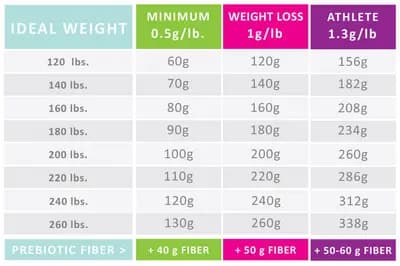
How much protein do I need to build muscle? Research summarized across resistance-training populations points to roughly 0.7–1 gram of protein per pound of body weight per day as the range that maximizes muscle protein synthesis for most people.
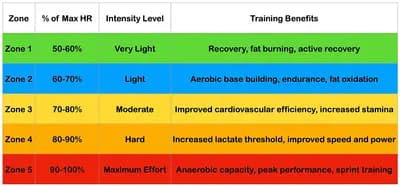
Is Zone 2 cardio enough on its own? Zone 2 builds aerobic base and mitochondrial capacity efficiently, but combining it with one or two short HIIT sessions per week covers both aerobic and anaerobic adaptations.
What matters more: consistency or intensity? Long-term adherence studies consistently rank consistency as the strongest predictor of outcomes — 'never miss twice' is a more reliable rule than any single hard workout.
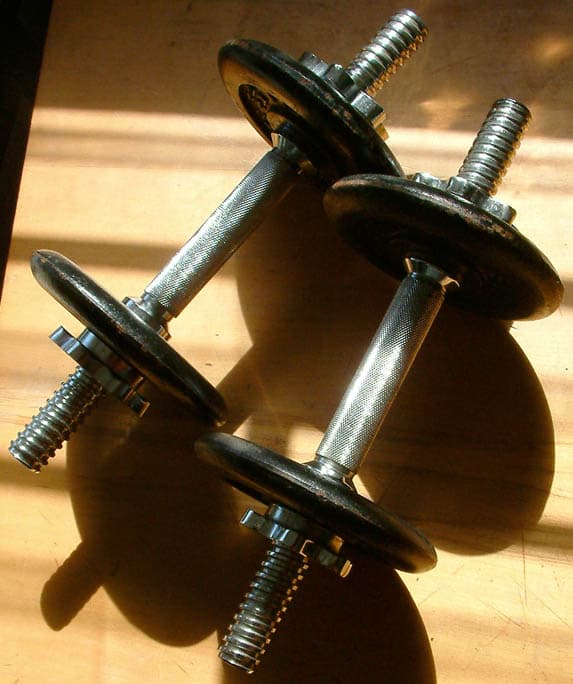
Do I need a gym to follow these habits? No. Steps, sleep, protein targets, mobility work, and an accountability partner require zero equipment. Resistance training can be done at home with bodyweight or a single pair of adjustable dumbbells.
Frequently Asked Questions About Evidence-Based Fitness Habits
## Frequently Asked Questions About Evidence-Based Fitness Habits
Do I need a gym to follow this list? No. Items such as walking, sleep, protein intake, mobility work, and social accountability require no equipment. Strength training can be done at home with bodyweight or inexpensive bands.
How long until I see results? Body-composition changes typically show within 8–12 weeks when the habits above are applied consistently. Strength and endurance gains often appear within 4–6 weeks.
What if I can only stick to one habit? Start with whichever is easiest to maintain daily — for most readers, that is the 8,000–10,000 step target or the 7–9 hour sleep target.
Are these habits safe for beginners? Yes. Begin at the lower end of every range (e.g., 0.7 g protein per pound, 45 minutes of Zone 2, 1 weekly HIIT session) and progress gradually.
Readers Also Ranked
More Lists Like This
Top 10 Best AI Fitness Apps for Personalized Workouts in 2026
- #1Fitbod
- #2Freeletics
- #3Caliber
Top 10 Evidence-Based Ways to Reduce Chronic Inflammation
- #1Mediterranean Diet Pattern
- #2Regular Aerobic Exercise 150 Minutes Per Week
- #3Sleep Optimization 7 to 9 Hours
Top 10 Sports Sunscreens SPF 50+ for Summer 2026
- #1Neutrogena Beach Defense SPF 70
- #2Banana Boat Sport Ultra SPF 50
- #3La Roche-Posay Anthelios Sport

Top 10 Nervous System Regulation Techniques Dominating Wellness in 2026
- #1Physiological Sigh (Double Inhale Breathwork)
- #2Cold Plunge / Cold Water Immersion
- #3NSDR (Non-Sleep Deep Rest) / Yoga Nidra
Frequently asked questions
What are the key science-backed fitness habits that deliver results without fads?
The habits include consistent strength training, high-intensity interval training (HIIT), prioritizing sleep, managing stress, staying hydrated, eating protein-rich meals, tracking progress, warming up properly, varying routines, and setting realistic goals — all supported by peer-reviewed studies.
How often should I perform these evidence-based fitness habits to see results?
Most studies recommend 3–5 sessions of strength or HIIT per week, combined with daily habits like proper hydration, 7–9 hours of sleep, and stress management, for noticeable improvements within 4–8 weeks.
Are these science-based habits effective for weight loss?
Yes — habits like eating adequate protein, doing HIIT, and ensuring quality sleep directly boost metabolism and fat loss, while strength training preserves lean muscle mass, making weight loss more sustainable than fad diets.
Can beginners safely adopt these scientifically proven fitness habits?
Absolutely — beginners should start with lower intensity (e.g., bodyweight strength training or short HIIT intervals), focus on proper form, and gradually increase volume as their fitness improves, following the same evidence-based principles.
Discussion
Have a take on this ranking?
Comments are how the argument actually happens here. Posting one needs a free account — it takes about a minute.
No comments yet.
The first comment sets the terms of the argument.
Would your top 10 look different?
Publish your own ranking of this topic. Your list gets its own page, and readers vote on it the same way you just voted on this one.
Build your own Top 10Related Videos
You might also want to rank…
 Top 10 Best Mental Health Apps of 2025
 Top 10 Best Running Shoes for Health 2026
 Top 10 Pregnancy Must-Haves That Make the Third Trimester Bearable
 Top 10 Pregnancy-Safe Skincare Products Moms Trust
Explore more Health rankings on Top10Grid
People Also Explore
Because you're viewing Health
Top 10 Best Exercises for Weight Loss
96 views · 0 votes
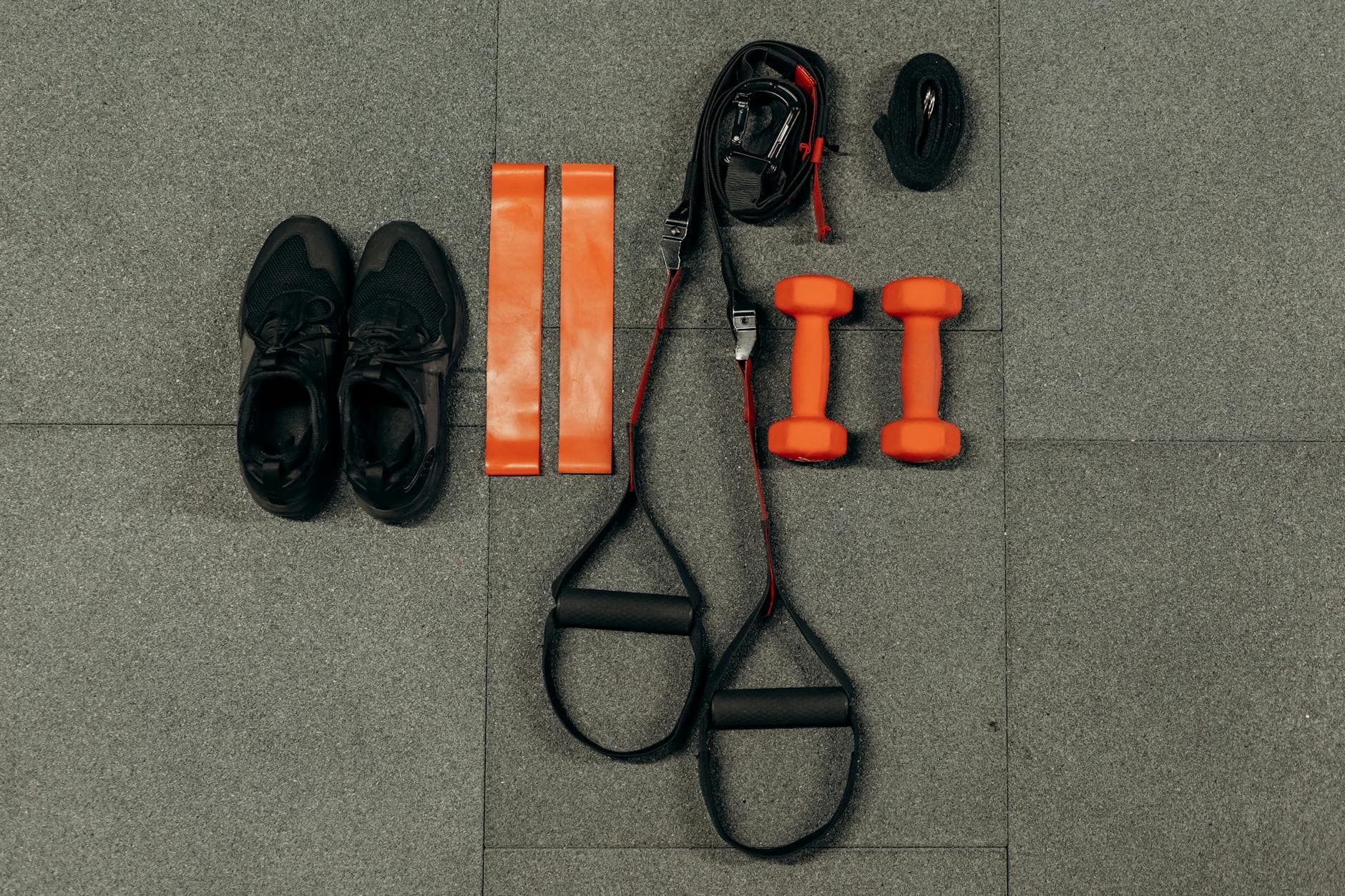
Top 10 Best Home Workout Programs to Try in 2026 (No Gym Required)
96 views · 0 votes

Top 10 Fermented Foods for Gut Health and Longevity
97 views · 0 votes
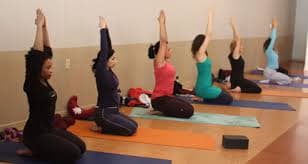
Top 10 Best Yoga Practices for Beginners
99 views · 0 votes
Top 10 Best Vitamins for Daily Use
100 views · 0 votes
Top 10 Daily Habits of the World’s Longest-Living People (Blue Zones Secrets)
101 views · 0 votes
You might also like

HEALTHSame type
Top 10 Biggest Wellness Trends of 2025
10 items
HEALTHSame type
Top 10 Daily Habits of the World’s Longest-Living People (Blue Zones Secrets)
10 items

HEALTHSame type
Top 10 Healthiest Countries in the World
10 items
HEALTHSame type
Top 10 Evidence-Based Ways to Reduce Chronic Inflammation
10 items
HEALTHSame type
Top 10 Best Running Shoes for Health 2026
10 items
HEALTHSame type
Top 10 Wellness & Spa Retreats in Thailand in 2026
10 items