







Top 10 Best Vitamins for Daily Use
The most evidence-backed vitamins and essential nutrients that address common deficiencies, ranked by scientific support for daily supplementation.
202699 views
Top10Grid rankings are decided by votes, not algorithms — use the buttons below to move this list.
Current Rankings
Vote items up or down — rankings update instantly
Get the weekly health rundown
Only lists published since the last email. Join the early readers.
- Only Top 10s published in the last 7 days
- One email a week — and none at all in a week with nothing new
- Unsubscribe in one click
No spam. One email per week. Unsubscribe anytime.
Readers Also Ranked
More Lists Like This
Top 10 GLP‑1 Medications for Weight Loss & Metabolic Health (2026)
- #1Tirzepatide (Zepbound)
- #2Semaglutide 2.4mg (Wegovy)
- #3Semaglutide 7.2mg (Wegovy HD)
Top 10 Most Transformative Self-Help Books of All Time
- #1Atomic Habits — James Clear (2018)
- #2How to Win Friends and Influence People — Carnegie (1936)
- #3Man's Search for Meaning — Viktor Frankl (1946)
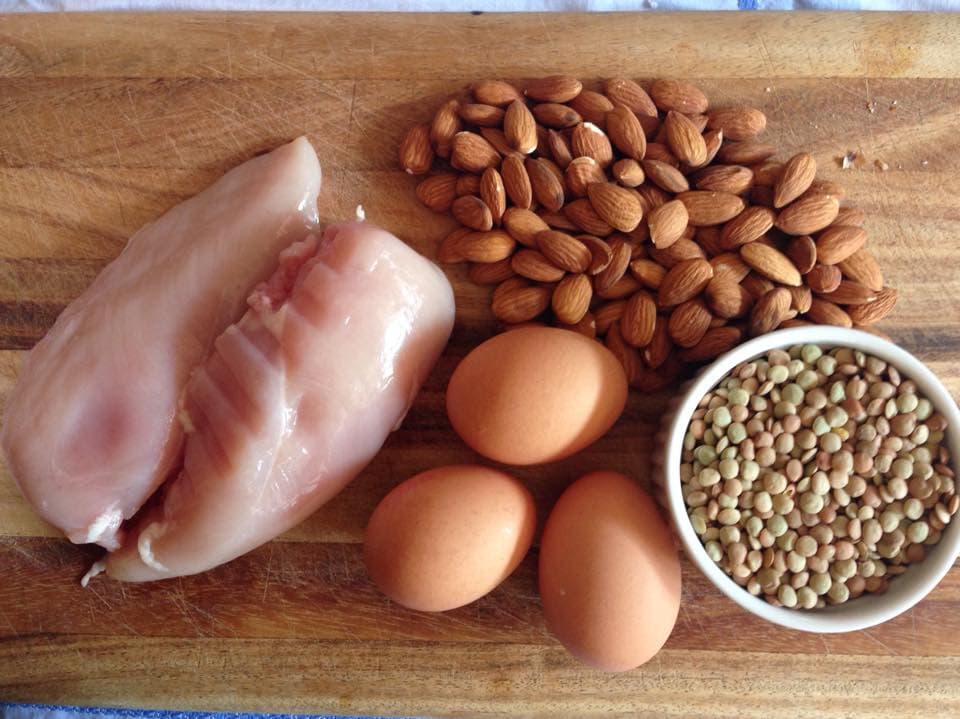
Top 10 Best Protein Sources Ranked
- #1Eggs (Whole)
- #2Wild-Caught Salmon
- #3Chicken Breast

10 Skincare Products Dermatologists Use Themselves (2026)
- #1CeraVe Moisturizing Cream
- #2La Roche-Posay Anthelios SPF 50
- #3Tretinoin (Prescription Retinoid)
Frequently asked questions
Which vitamins are considered essential for daily use?
The most commonly recommended daily vitamins include Vitamin D, B-complex (especially B12), Vitamin C, and a multivitamin, but individual needs vary based on diet, age, and health conditions.
Can I take all my daily vitamins together?
Yes, most daily vitamins can be taken together, but avoid taking high doses of fat-soluble vitamins (A, D, E, K) with other fat-soluble ones without medical advice, and separate calcium and iron supplements for better absorption.
What is the best time of day to take daily vitamins?
Water-soluble vitamins (like B and C) are best taken with a meal in the morning for energy, while fat-soluble vitamins (A, D, E, K) are better absorbed with a meal containing fat, but consistency matters more than timing.
Are whole food sources better than vitamin supplements?
Whole foods provide vitamins along with fiber and other nutrients that enhance absorption, but supplements can fill gaps when diet is insufficient—choose a balanced approach based on your specific nutritional needs.
Can daily vitamin use cause side effects?
Yes, taking vitamins in excess, especially fat-soluble ones, can lead to toxicity or side effects like nausea; always follow recommended doses and consult a healthcare provider before starting any new regimen.
Discussion
Have a take on this ranking?
Comments are how the argument actually happens here. Posting one needs a free account — it takes about a minute.
No comments yet.
The first comment sets the terms of the argument.
Would your top 10 look different?
Publish your own ranking of this topic. Your list gets its own page, and readers vote on it the same way you just voted on this one.
Build your own Top 10You might also want to rank…
 Top 10 Biggest Wellness Trends of 2025
 Top 10 Ways AI Is Revolutionizing Healthcare in 2026
 Top 10 Postpartum Recovery Products Nobody Tells You About
 Top 10 Pregnancy Apps Every Expecting Mom Needs
Explore more Health rankings on Top10Grid
People Also Explore
Because you're viewing Health

The 10 Healthiest Foods of 2026, Ranked by the Science
196 views · 0 votes
Top 10 GLP-1 Friendly Foods for Easier Digestion in 2026
210 views · 0 votes
Top 10 Best Nootropics and Brain Supplements in 2026
233 views · 0 votes
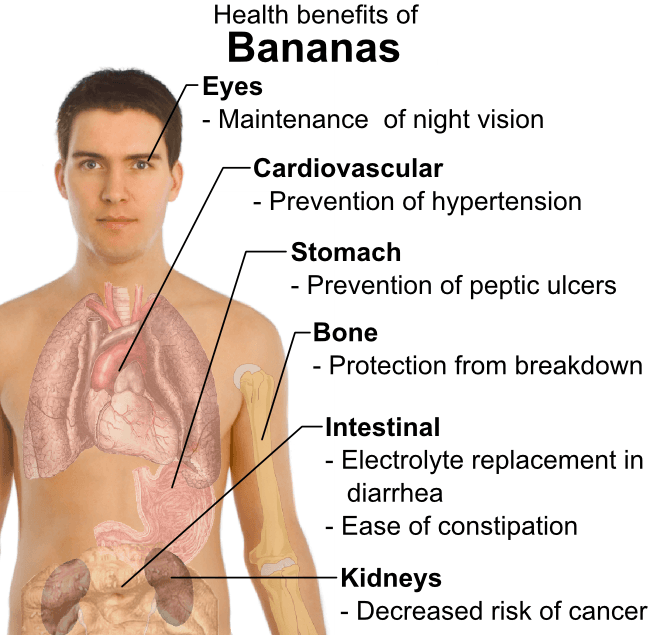
Top 10 Healthiest Foods in the World
239 views · 0 votes

Top 10 Worst Health Insurance Companies of 2026 (Ranked by Denials & Complaints)
239 views · 0 votes
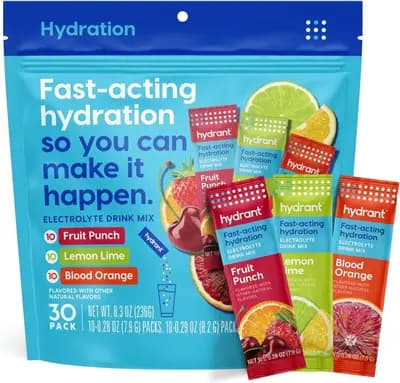
Top 10 Best Electrolyte Powders for Summer Hydration in 2026
244 views · 0 votes
You might also like

HEALTHSame type
Top 10 Yoga Retreats in India 2026
10 items
HEALTHSame type
Top 10 Worst Detox Products
10 items

HEALTHSame type
Top 10 Worst Sugar Alternatives
10 items
HEALTHSame type
Top 10 Most Overrated Health Supplements
10 items

HEALTHSame type
Top 10 Chinese Traditional Medicine and Wellness Practices Worth Trying
10 items
HEALTHSame type
Top 10 Most Polarizing: Organic vs Conventional
10 items