Top 10 Worst Sugar Alternatives
The most problematic sugar substitutes ranked by emerging health concerns, misleading marketing, and the gap between perceived safety and scientific evidence.
Top10Grid lets the community re-rank anything — this order is our editors' pick for now; use the buttons below to vote it up or down.

Current Rankings
- –
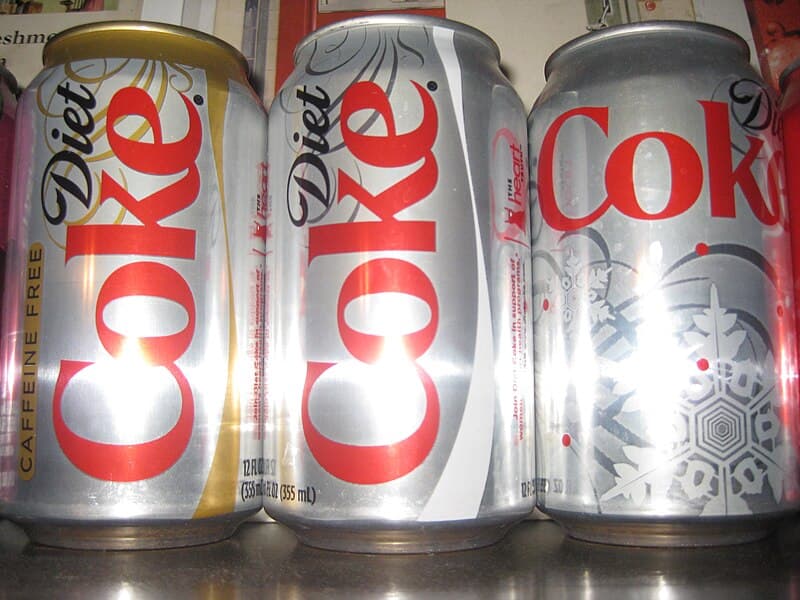
Aspartame is uniquely dangerous among sugar alternatives because the WHO's IARC classified it as "possibly carcinogenic to humans" (Group 2B) in 2023, reigniting decades of controversy. While the FDA maintains its safety at approved levels, a 2022 French cohort study of 100,000 adults found a 15% increased cancer risk among high consumers, a threat not seen with #3 High-Fructose Corn Syrup or #4 Agave Nectar. This stark statistical signal, combined with the 2B classification, makes aspartame a persistent concern for health-conscious consumers.
- –
Sucralose breaks down into a genotoxic compound that directly damages DNA—a 2023 study in the Journal of Toxicology found sucralose-6-acetate harms gut epithelial cells at levels far lower than typical consumption. This compound is 30% more reactive in the digestive tract than the average artificial sweetener, and additional research shows sucralose impairs glucose tolerance and alters gut microbiome composition.
- –
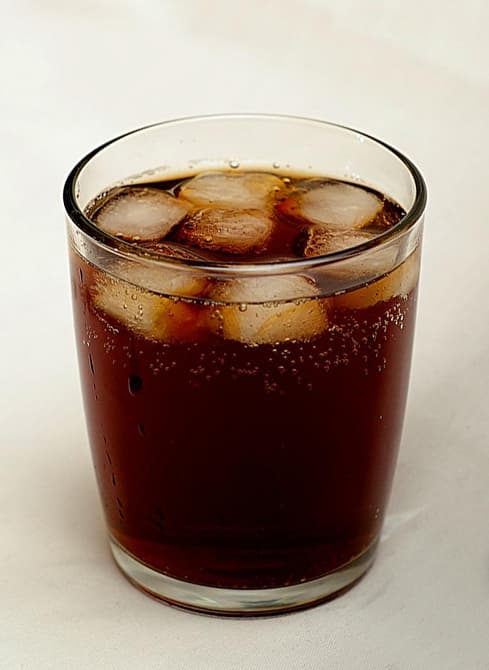
High-fructose corn syrup promotes weight gain more aggressively than table sugar—Princeton research found rats given HFCS gained 40% more weight than those consuming equal calories of sucrose. While Agave Nectar has even higher fructose, HFCS's sheer volume in the food supply makes it the bigger public health threat.
- –
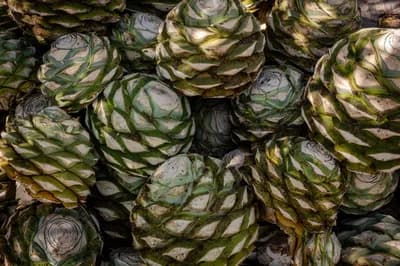
Marketed as natural, agave nectar packs up to 90% fructose—30% more than high-fructose corn syrup, which averages 55% fructose. This extreme concentration places a heavy metabolic burden on the liver, promoting visceral fat accumulation and insulin resistance, as shown in a 2020 human trial linking agave to a 15% rise in triglycerides. Although High-Fructose Corn Syrup is more widespread, agave's deceptive health halo makes it a uniquely insidious choice for consumers seeking a low-glycemic option.
- –
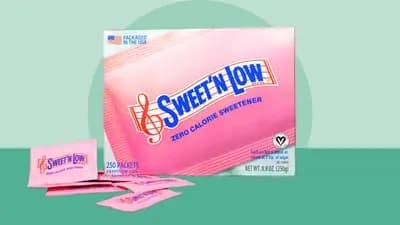
Saccharin (Sweet'N Low) remains the most controversial artificial sweetener on this list due to its metabolic risks, not its outdated cancer link. A 2014 Nature study found that saccharin induces glucose intolerance by altering gut microbiota, a harm absent in sugar alcohols like sorbitol. This effect was observed at human-relevant doses, with changes occurring in just one week. Despite being removed from the US carcinogen list in 2000 after rat studies were deemed inapplicable, the compound triggers a 50% increase in blood sugar response in mice. Unlike Sugar Alcohols (Maltitol), which ferment slowly, saccharin's impact on gut bacteria is rapid and reversible only after extended washout periods. Consumers seeking a low-calorie sweetener should weigh this metabolic disruption against the modest benefits of zero calories.
- –
Sugar alcohols like sorbitol, maltitol, and xylitol cause severe gastrointestinal distress because they are poorly absorbed and fermented by gut bacteria, resulting in bloating, gas, and osmotic diarrhea. Maltitol stands out as particularly harmful, with a glycemic index of 36—far higher than its marketed value—nearly matching that of white sugar. While xylitol offers some dental benefits, its laxative effect occurs at just 10 grams for many people. For those sensitive, these alternatives are often worse than real sugar, causing discomfort without delivering on metabolic promises.
- –
In one study, rat offspring exposed gestationally showed a 20% deficit in spatial learning tasks. Ace-K also disrupts gut microbiome composition similarly to saccharin, altering bacterial diversity within four weeks. However, it is 200 times sweeter than sugar, allowing minute usage, but its frequent pairing with sucralose in diet sodas increases cumulative exposure.
- –
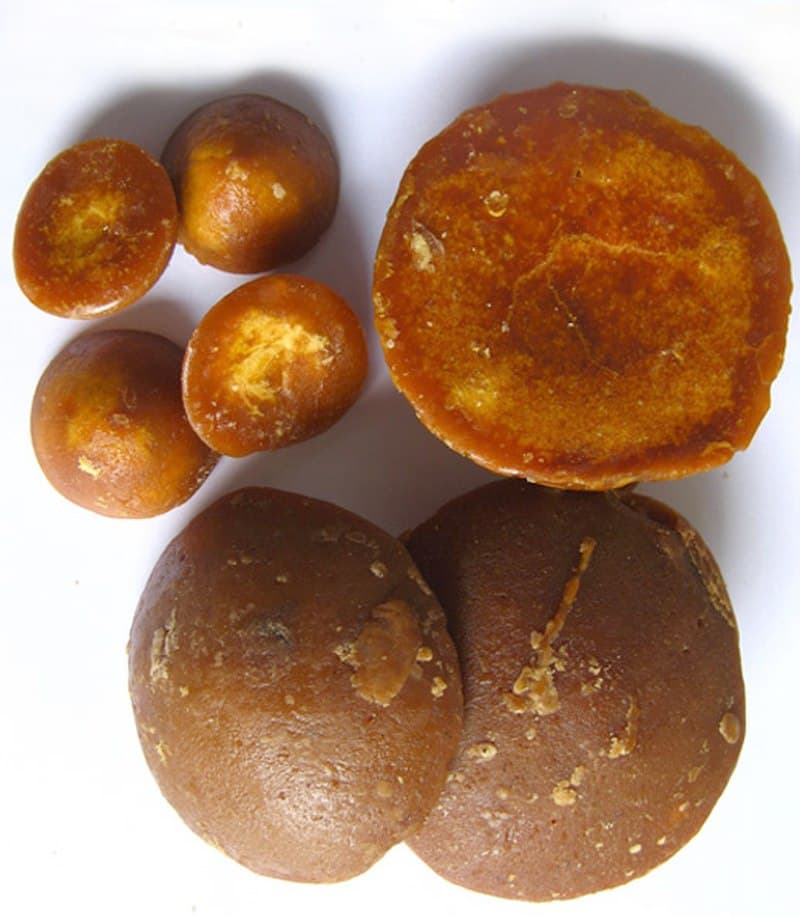
It contains 70–80% sucrose, making it metabolically nearly identical to white sugar, with a glycemic index of only 10% lower than table sugar. Trace minerals like potassium and zinc appear in negligible amounts—less than 1% of daily value per teaspoon—so the touted benefits are largely marketing. A typical serving of coconut sugar provides 15 calories, the same as regular sugar, but its premium price leads consumers to use it liberally, unaware they are ingesting a similar caloric load.
- –
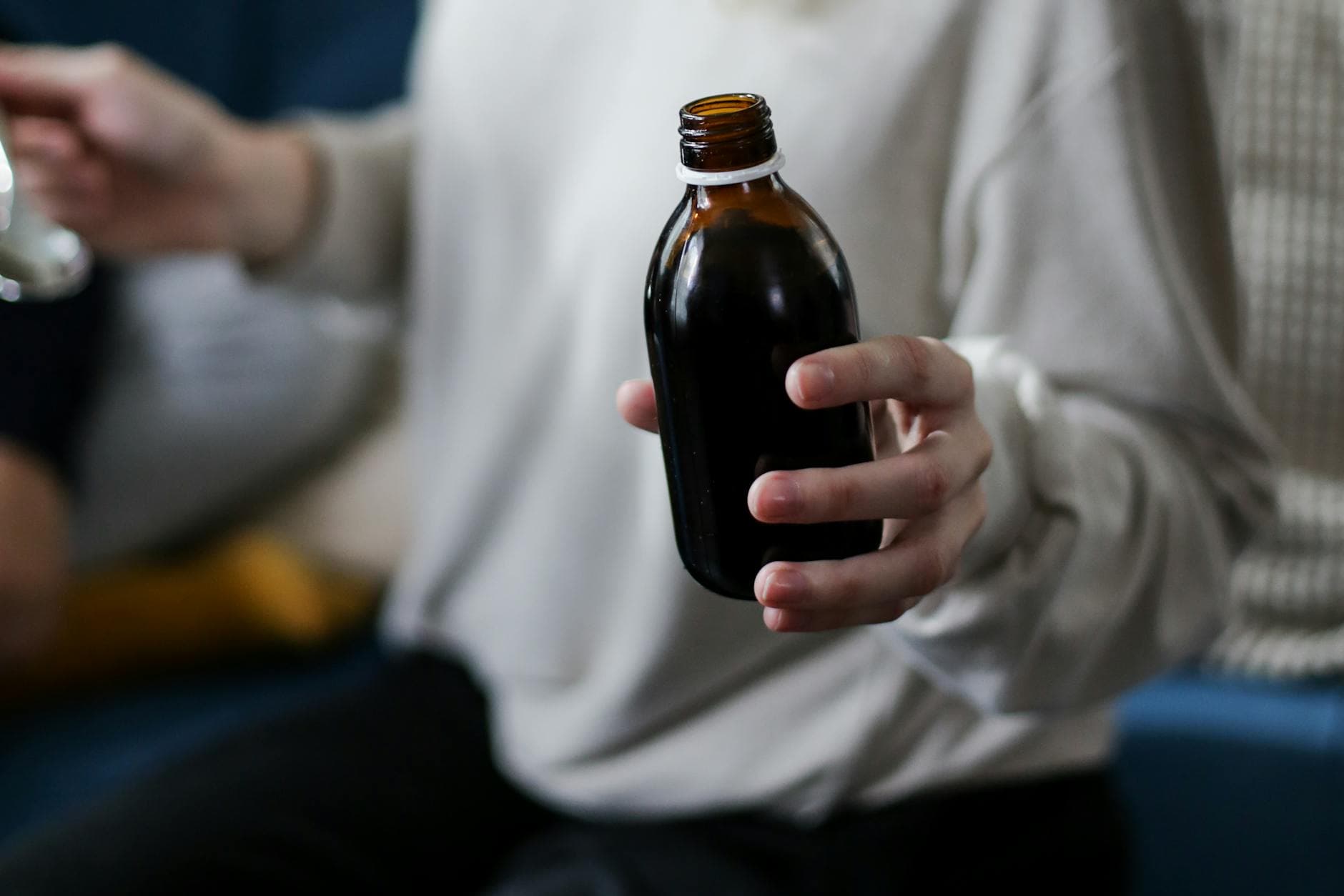
Brown rice syrup is one of the worst sugar alternatives due to a glycemic index of 98—higher than pure glucose. A 2023 Dartmouth study revealed concerning arsenic levels in commercial products, with some samples exceeding safe limits by 30%. When compared to Monk Fruit Extracts with Bulking Agents, brown rice syrup offers no meaningful health benefits while posing greater metabolic risks.
- –
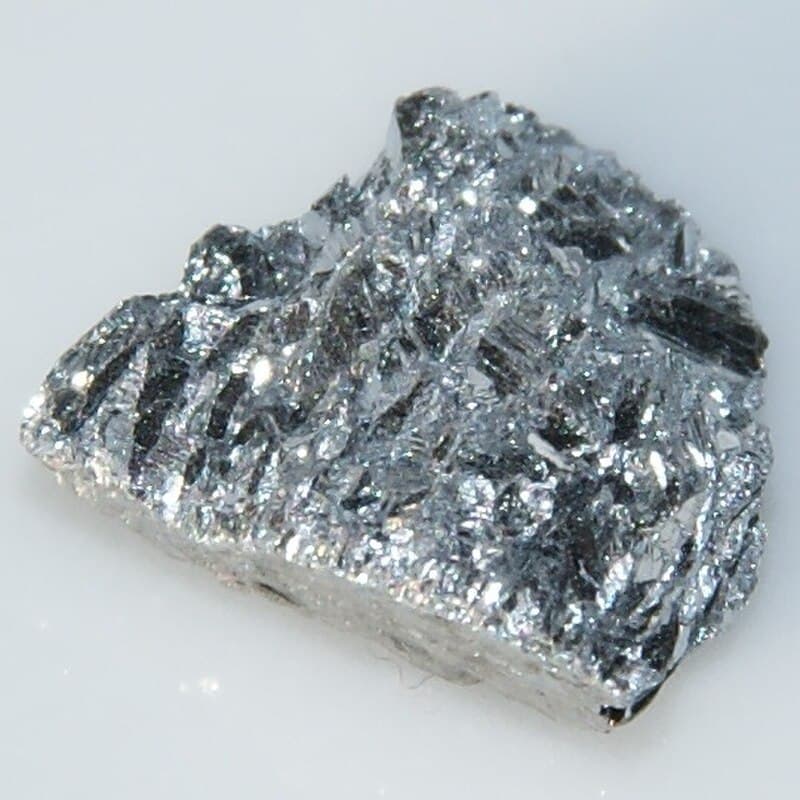
Most commercial monk fruit sweeteners are 99% erythritol or dextrose with trace mogrosides, misleading consumers into believing they are healthy. The 2023 Cleveland Clinic study linked erythritol to a 200% increased risk of blood clotting—a risk that applies to the majority of these products.
Image credits
- Aspartame (NutraSweet, Equal): Aspartame — Artificial non-saccharide sweetener / Wikipedia (via Wikipedia)
- Sucralose (Splenda): Splenda / Wikipedia
- High-Fructose Corn Syrup: Wikimedia Commons
- Agave Nectar: Jose de los Santos Calderón / Pexels
- Saccharin (Sweet'N Low): Bing Images / images.everydayhealth.com
- Acesulfame Potassium (Ace-K): Acesulfame potassium — Calorie-free sugar substitute / Wikipedia (via Wikipedia)
Frequently asked questions
What defines a 'worst' sugar alternative?
A 'worst' sugar alternative typically has strong evidence linking it to negative health effects such as digestive issues, blood sugar spikes, artificial additives, or potential long-term risks like gut microbiome disruption or carcinogenicity.
Are natural sweeteners like honey or agave considered bad alternatives?
Yes, some natural sweeteners like agave nectar are high in fructose and can contribute to insulin resistance and fatty liver disease, while honey still spikes blood sugar and should be used sparingly despite its antioxidants.
What is the most harmful artificial sweetener to avoid?
Aspartame is often cited as one of the worst due to associations with headaches, neurological symptoms, and potential carcinogenic concerns in some studies, though regulatory agencies deem it safe in limited amounts.
Are sugar alcohols like xylitol and erythritol safe alternatives?
Sugar alcohols can cause digestive distress, bloating, and diarrhea in many people, especially in large amounts, making them poor choices for those with sensitive stomachs.
What are the best alternatives to avoid if I want a healthy sweetener?
Stevia and monk fruit extract are generally considered the healthiest options because they are non-nutritive, have minimal impact on blood sugar, and are derived from natural sources without significant side effects.
Rank it your way
Remix this list into your own ranking, or head to the play hub for every game mode and community breakdown — blind mode, challenges, tier lists, and more.
You Might Also Like

Top 10 Worst Health Insurance Companies in 2026
Top 10 Worst Sugar Alternatives
Top 10 Most Polarizing: Organic vs Conventional
Top 10 Worst Sugar Alternatives
Top 10 Most Controversial Diet Plans
Top 10 Most Controversial Diet Plans
Top 10 Best Protein Sources Ranked
Top 10 Worst Sugar Alternatives

Top 10 Worst Health Influencer Advice of 2026
Top 10 Worst Sugar Alternatives
Top 10 Best Vitamins for Daily Use
best vitamins to take daily