








Top 10 Best Stretching Routines for 2026
Updated for 2026: these are the most effective stretching protocols for flexibility, injury prevention, and recovery — ranked by peer-reviewed research and certified practitioner endorsement. Scroll through, find the method that fits your goals, and vote for your favorite below!
Location: JP2026112 views
Top10Grid rankings are decided by votes, not algorithms — use the buttons below to move this list.
Current Rankings
Vote items up or down — rankings update instantly
Get the weekly health rundown
Only lists published since the last email. Join the early readers.
- Only Top 10s published in the last 7 days
- One email a week — and none at all in a week with nothing new
- Unsubscribe in one click
No spam. One email per week. Unsubscribe anytime.
Frequently Asked Questions About Stretching Routines
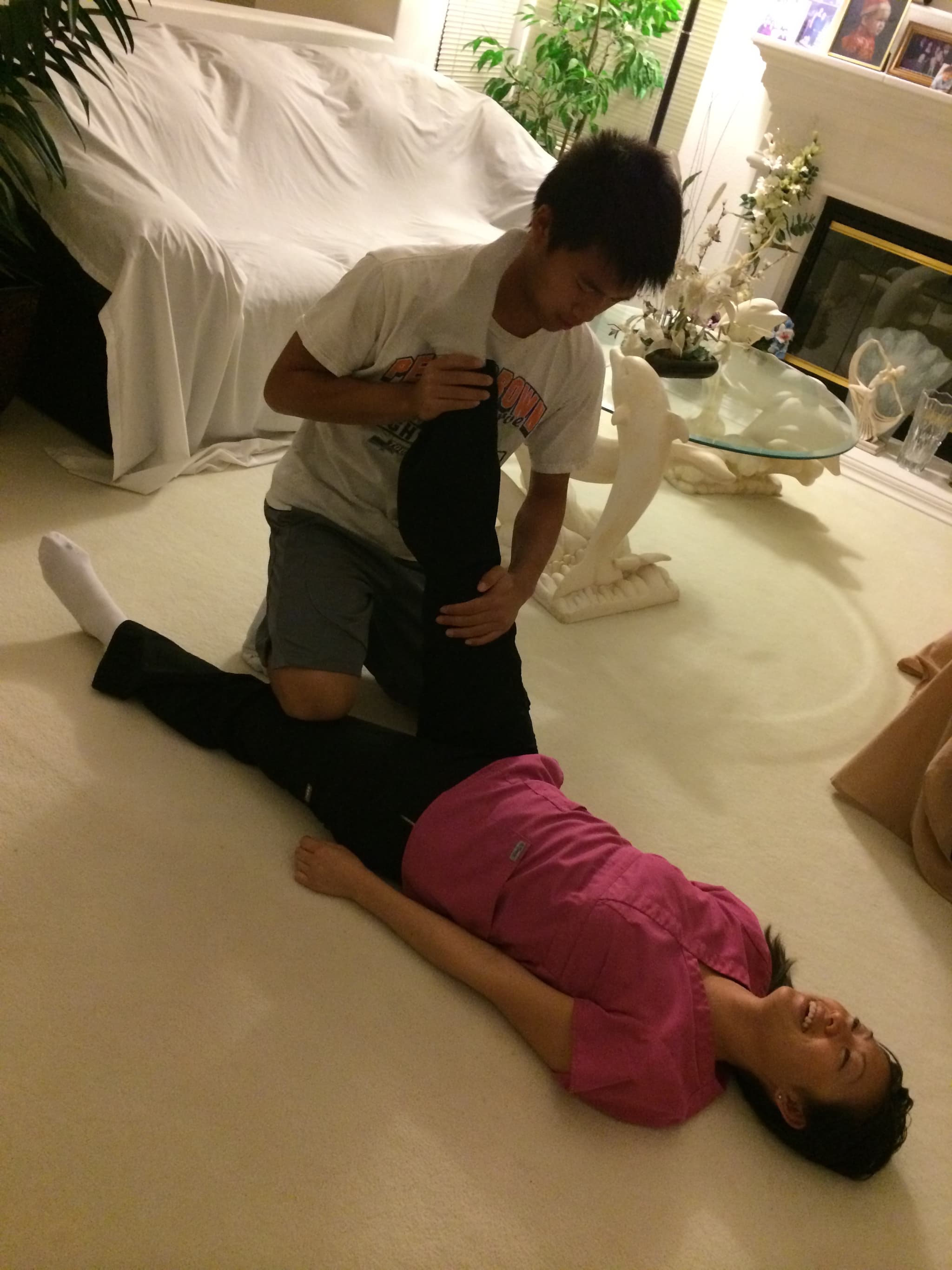
Which stretching method produces the fastest flexibility gains? PNF Stretching (#1) consistently shows the largest range-of-motion improvements in controlled trials. PNF stands for Proprioceptive Neuromuscular Facilitation — a technique where you contract and then relax a muscle to stretch it further than passive stretching allows.
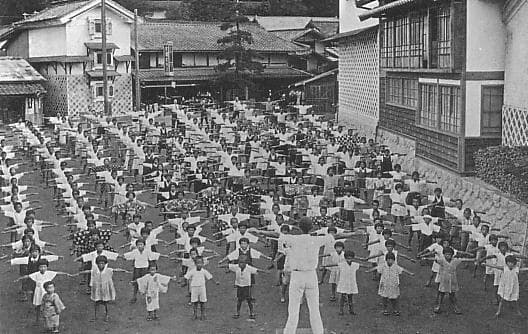
Is it safe to stretch every day? Yes — gentle routines like Morning Mobility Flow (#10) and Japanese Radio Taiso (#7) are designed for daily use. Higher-intensity methods such as Loaded Progressive Stretching (#8) benefit from 48 hours of recovery between sessions.
What does 'CARs' mean? CARs stands for Controlled Articular Rotations — slow, deliberate joint circles performed at your end range of motion to build joint health and mobility (see item #10).
What is AIS? Active Isolated Stretching (AIS) uses short 2-second holds repeated 8–10 times per muscle, allowing fresh oxygenated blood into the tissue between each rep.
Where can I learn more? See the [American College of Sports Medicine flexibility guidelines](https://www.acsm.org) and the [National Academy of Sports Medicine stretching resources](https://www.nasm.org) for evidence-based protocols.
Readers Also Ranked
More Lists Like This
Top 10 Healthiest Foods in the World
- #1Blueberries
- #2Salmon
- #3Kale

Top 10 Worst Health Insurance Companies of 2026 (Ranked by Denials & Complaints)
- #1UnitedHealthcare
- #2Anthem (Elevance Health)
- #3Cigna

Top 10 Best Electrolyte Powders for Summer Hydration in 2026
- #1LMNT Recharge
- #2Redmond Re-Lyte Hydration
- #3BODYARMOR Flash I.V.

Top 10 Functional Mushrooms for Brain Health and Energy in 2026
- #1Lion's Mane (Hericium erinaceus)
- #2Cordyceps militaris
- #3Reishi (Ganoderma lucidum)
Frequently asked questions
What is the difference between static and dynamic stretching?
Dynamic stretching involves moving parts of your body through a full range of motion, making it ideal for warm-ups, while static stretching requires holding a stretch for 15–60 seconds and is best for cool-downs and improving flexibility.
How often should I stretch to improve flexibility?
Stretching each major muscle group 2–3 times per week can maintain flexibility, but daily stretching for 10–30 minutes provides the best results for increasing flexibility.
Is it better to stretch before or after exercise?
Dynamic stretching is recommended before exercise to prepare muscles and joints, while static stretching is most effective after exercise to reduce muscle tension and aid recovery.
Can stretching alone prevent injuries?
No, stretching is not a standalone injury prevention method; it should be combined with a proper warm-up, strength training, and appropriate exercise technique to reduce injury risk.
What are common mistakes to avoid when stretching?
Avoid bouncing during stretches (ballistic stretching) as it can cause muscle strains, and never stretch to the point of sharp pain—stretching should feel like mild tension, not discomfort.
Discussion
Have a take on this ranking?
Comments are how the argument actually happens here. Posting one needs a free account — it takes about a minute.
No comments yet.
The first comment sets the terms of the argument.
Would your top 10 look different?
Publish your own ranking of this topic. Your list gets its own page, and readers vote on it the same way you just voted on this one.
Build your own Top 10You might also want to rank…
 Top 10 GLP‑1 Medications for Weight Loss & Metabolic Health (2026)
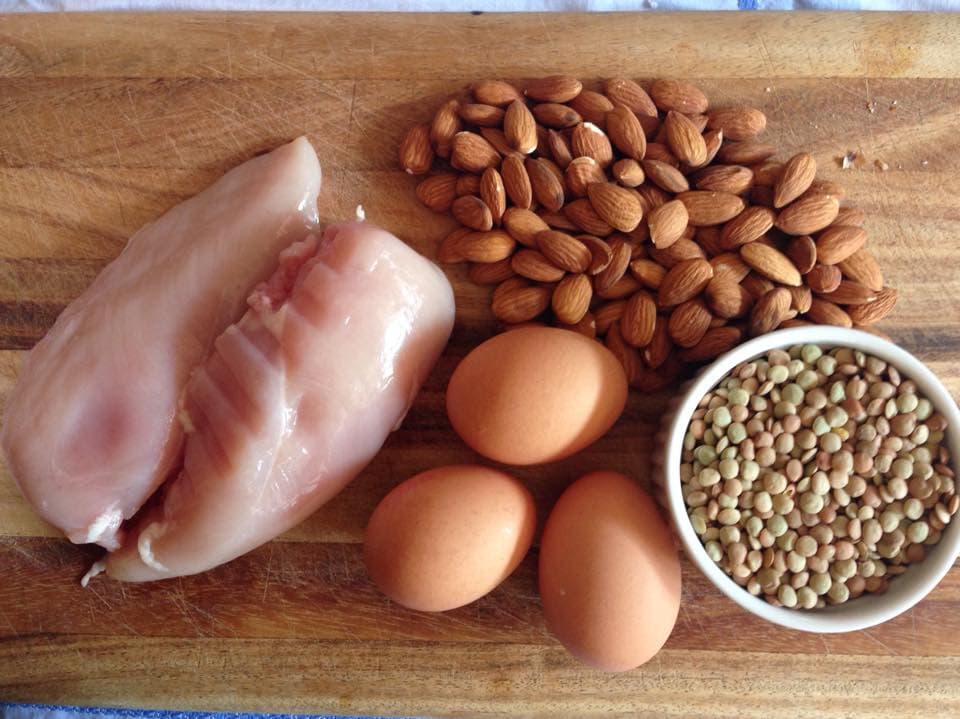 Top 10 Best Protein Sources Ranked
 Top 10 Most Transformative Self-Help Books of All Time
 10 Skincare Products Dermatologists Use Themselves (2026)
Explore more Health rankings on Top10Grid
People Also Explore
Because you're viewing Health

Top 10 Most Debated: Cardio vs Weights
88 views · 0 votes

Top 10 Most Overrated Wellness Retreats of 2026 (And What the Evidence Actually Shows)
90 views · 0 votes

Top 10 Best HIIT Workouts
91 views · 0 votes
Top 10 Best Gut Health Foods
93 views · 0 votes

Top 10 Worst Health Influencer Advice of 2026
93 views · 0 votes
Top 10 Best Home Workout Programs to Try in 2026 (No Gym Required)
95 views · 0 votes
You might also like
HEALTHSame type
Top 10 Best Home Workout Programs to Try in 2026 (No Gym Required)
10 items
HEALTHSame type
Top 10 Most Debated: Cardio vs Weights
10 items
HEALTHSame type
Top 10 Best HIIT Workouts
10 items

HEALTHSame type
Top 10 Best Running Shoes for Health 2026
10 items

HEALTHSame type
Top 10 Worst Fitness Industry Scams
10 items
HEALTHSame type
Top 10 Best Exercises for Weight Loss
10 items