










Top 10 Worst Fitness Industry Scams
From waist trainers to MLM supplement stacks, the fitness industry sells billions of dollars every year on products that simply do not work — and some that can actually hurt you. Below we break down the 10 worst offenders still circulating in 2026, what the marketing claim is, and why the science says to skip it. Be the 1st to vote on which scam deserves the top spot, and share this list with anyone considering one of these purchases.
Location: US2026104 views
Top10Grid rankings are decided by votes, not algorithms — use the buttons below to move this list.
Current Rankings
Vote items up or down — rankings update instantly
Get the weekly health rundown
Only lists published since the last email. Join the early readers.
- Only Top 10s published in the last 7 days
- One email a week — and none at all in a week with nothing new
- Unsubscribe in one click
No spam. One email per week. Unsubscribe anytime.
Frequently Asked Questions About Fitness Scams
## Frequently Asked Questions About Fitness Scams
What is the most common fitness scam? Spot-reduction products such as ab belts and thigh creams remain among the most common, because the promise of targeting one body area is appealing but has been debunked for decades.
Do waist trainers actually burn fat? No. Waist trainers compress the torso temporarily and can reduce fluid, but they do not burn fat and can restrict breathing.
Are sauna suits safe for weight loss? Sauna suits cause water loss through sweat, not fat loss, and pose risks of dehydration and heatstroke.
How can I spot a fitness scam before I buy? Look for 'miracle,' 'effortless,' or 'before-and-after' language, hidden proprietary-blend dosages, and celebrity endorsements without cited studies.
Where can I report a fitness scam? In the U.S., complaints can be filed with the FTC and the BBB; elsewhere, equivalent consumer-protection agencies exist.
Frequently Asked Questions About Fitness Industry Scams
## Frequently Asked Questions About Fitness Industry Scams
What counts as a fitness industry scam? A product, program, or service marketed with claims that contradict established exercise science or that misrepresent expected results — such as effortless fat loss, spot reduction, or guaranteed transformations.
How can I tell if a fitness product is a scam? Watch for promises of results with no effort, dramatic before-and-after photos, pressure to buy through limited-time offers, and missing ingredient lists. If it sounds too good to be true, it usually is.
Are any of the items on this list legitimate for other purposes? Some products (like sauna suits or waist trainers) have niche uses outside of fat loss, but they are not effective weight-management tools and should not be marketed as such.
Where can I report a suspected fitness scam? The U.S. FTC accepts consumer complaints at reportfraud.ftc.gov, and equivalent consumer protection agencies exist in most countries.
Be the 1st to vote on which scam belongs at #1, and share this list to help others avoid the same traps.
Readers Also Ranked
More Lists Like This

Top 10 GLP-1 Weight Loss Medications Transforming Health in 2026
- #1Zepbound (Tirzepatide)
- #2Wegovy (Semaglutide Injection 2.4 mg)
- #3Retatrutide (Triple Agonist, Investigational)

Top 10 Healthiest Countries in the World
- #1Japan
- #2Switzerland
- #3Singapore

Top 10 Low-Impact Exercises Transforming Fitness in 2026
- #1Japanese Interval Walking (IWT)
- #2Pilates (Mat & Reformer)
- #3Rucking

Top 10 Italian Wellness & Spa Destinations in 2026
- #1Terme di Saturnia, Tuscany
- #2Ischia Thermal Parks
- #3Terme di Merano, South Tyrol
Frequently asked questions
What are the most common fitness industry scams?
Common scams include fake weight loss supplements, bogus 'miracle' equipment, deceptive personal training certifications, and fraudulent online coaching programs that promise unrealistic results.
How can I avoid falling for a fitness scam?
Research companies thoroughly, check for third-party reviews, avoid any product or program that guarantees rapid results without effort, and consult a certified professional before purchasing.
Are fitness influencers and online coaches often involved in scams?
Some can be legitimate, but many promote unproven supplements or paid programs without proper credentials, so verify their qualifications and look for evidence-based claims.
What should I do if I've been scammed by a fitness company?
Contact your credit card company or payment provider to dispute the charge, report the scam to the FTC, and leave honest reviews to warn others.
Do detox teas and waist trainers actually work?
No, they are widely considered scams; detox teas can cause dehydration and waist trainers provide only temporary appearance changes with no lasting fat loss.
Discussion
Have a take on this ranking?
Comments are how the argument actually happens here. Posting one needs a free account — it takes about a minute.
No comments yet.
The first comment sets the terms of the argument.
Would your top 10 look different?
Publish your own ranking of this topic. Your list gets its own page, and readers vote on it the same way you just voted on this one.
Build your own Top 10You might also want to rank…
 Top 10 Most Controversial Health Studies
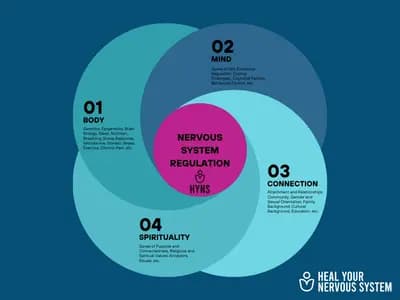 Top 10 Neurowellness Techniques for Nervous System Regulation in 2026
 Top 10 Countries With the Best Healthcare Systems in the World — What They Do Right
 Top 10 Wellness Trends Actually Backed by Science in 2026
Explore more Health rankings on Top10Grid
People Also Explore
Because you're viewing Health

Top 10 YouTube Channels to Watch for Fitness & Health in 2026
722 views · 1 votes

10 Best Sleep Optimization Tools & Gadgets for 2026
791 views · 0 votes

Top 10 Chinese Traditional Medicine and Wellness Practices Worth Trying
74 views · 0 votes

Top 10 Spa Towns in Germany 2026
79 views · 0 votes
Top 10 Most Debated Vaccine Topics in 2026
80 views · 0 votes
10 Most Popular Diet Trends of 2025: Mediterranean, Keto, Ozempic & More (Ranked)
80 views · 0 votes
You might also like
HEALTHSame type
Top 10 Most Overrated Fitness Trends of 2026
10 items
HEALTHSame type
Top 10 Best Home Workout Programs to Try in 2026 (No Gym Required)
10 items
HEALTHSame type
Top 10 Worst Detox Products
10 items
HEALTHSame type
Top 10 Most Debated: Cardio vs Weights
10 items
HEALTHSame type
Top 10 Best HIIT Workouts
10 items
HEALTHSame type
Top 10 Worst Sugar Alternatives
10 items