




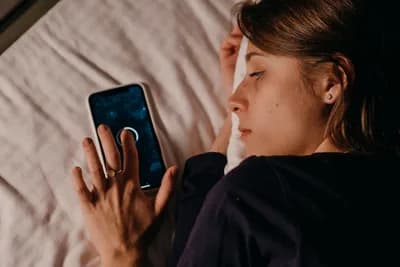
Polina ⠀ / Pexels
Compare
10 Best Sleep Optimization Tools & Gadgets for 2026
Better sleep in 2026 comes down to two questions: how well are you actually sleeping, and what can you change about it? This guide breaks down the ten tools that answer each side — from ring, watch and mattress-based trackers that score every night, to masks, lamps and glasses that shift light, temperature and routine so the score climbs. Use it to pick one measurement device and one intervention that fit your budget and bedtime habits.
791 views
Top10Grid rankings are decided by votes, not algorithms — use the buttons below to move this list.
Compare by Dimension
How accurately the device classifies sleep stages, detects sleep vs. wakefulness, and measures biometric health metrics against clinical or independent benchmarks
| Rank | Item | Score | Notes |
|---|---|---|---|
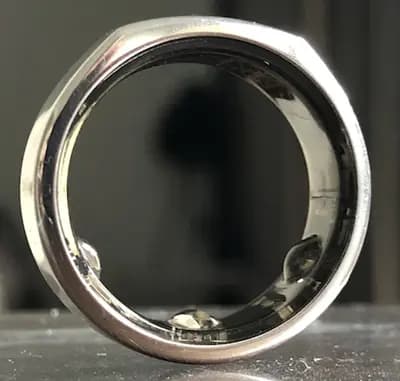
| #1 | Oura Ring 4 | 9.5 | Oura Ring 4 leads consumer wearables with ~95% sleep-wake accuracy and top-tier sleep stage classification across independent benchmarks. |
| #2 | Eight Sleep Pod 5 | 8.5 | Eight Sleep Pod 5 delivers strong biometric tracking via mattress sensors without a wearable, with high real-world reliability. |
| #3 | Whoop 5.0 | 8.5 | Whoop 5.0 achieves lab-level accuracy for all 4 sleep stages validated in clinical comparisons, particularly strong for athlete populations. |
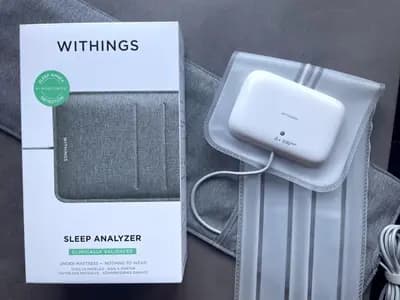
| #4 | Withings Sleep Analyzer | 8.5 | Withings Sleep Analyzer scores 87% sleep-wake accuracy and 88% sleep apnea sensitivity in published clinical validation. |
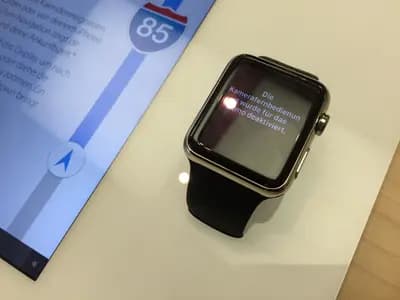
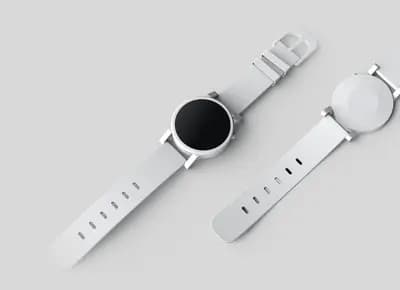
| #5 | Apple Watch Series 11 | 7.5 | Apple Watch Series 11 achieves ~95% sleep-wake accuracy but only ~70% sleep-stage classification, limiting tracking depth. |
| #6 | Fitbit Air | 6.5 | Fitbit Air provides sleep stage tracking but independent accuracy benchmarks place it below Oura Ring and Whoop in stage classification precision. |
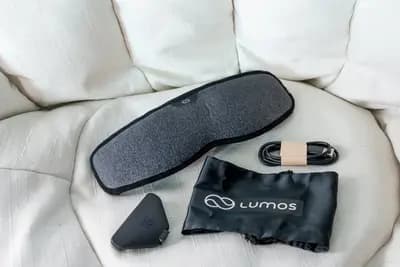
| #7 | Lumos Smart Sleep Mask | 5.0 | Lumos does not track biometric sleep data; accuracy applies only to timing of light pulses relative to sleep cycle phases, which is indirect. |
| #8 | Aura Smart Sleep Mask | 3.5 | Aura Smart Sleep Mask uses movement sensors for basic sleep cycle estimation only; no biometric health tracking capability. |
| #9 | Hatch Restore 3 | 2.0 | Hatch Restore 3 collects no sleep data whatsoever; tracking accuracy is not applicable as it is a purely behavioral intervention device. |
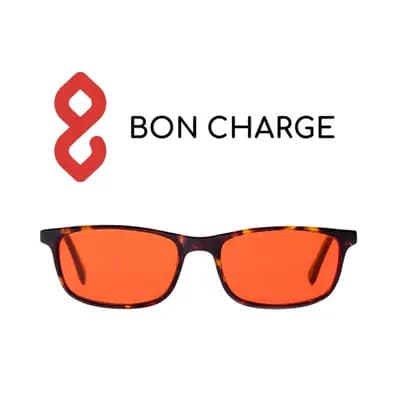
| #10 | Bon Charge Blue Light Blocking Glasses | 1.0 | Bon Charge glasses collect no sleep data; tracking accuracy is entirely inapplicable — the device is a passive biochemical intervention, not a sensor. |
Current Rankings
Get the weekly health rundown
Only lists published since the last email. Join the early readers.
- Only Top 10s published in the last 7 days
- One email a week — and none at all in a week with nothing new
- Unsubscribe in one click
No spam. One email per week. Unsubscribe anytime.
Common Sleep Tool Questions
Q: Do I need both a tracker and a sleep mask? Most people improve faster by picking one tracker (like the Oura Ring or Fitbit Air) and mastering it before layering on light-intervention tools like masks or apps.
Q: Are these gadgets worth the cost? Only if you actually use them. Set a 30-day rule—if it doesn’t change your bedtime routine, return it.
Q: What if I can’t afford premium gadgets? Start with behavioral tools: the Hatch Restore 3 and Bon Charge glasses work without daily wearables. Upgrade only after you see consistent improvement.
Trackers vs. interventions
Every device on this list falls into one of two categories. A tracker (Oura, Whoop, Apple Watch, Withings) tells you how you slept — sleep stages, heart rate, how consistent your schedule is — but doesn't change anything on its own. An intervention device (Eight Sleep, Lumos, Hatch, blue-light glasses) changes your environment or your light exposure directly. If you don't yet know what's actually wrong with your sleep, a tracker is the more useful first purchase; if you already know it's your room temperature or your evening screen time, you can skip straight to the tool built for that specific problem.
The two fundamentals every gadget here is built around
Regardless of which device you buy, two things move sleep quality more than any gadget: a consistent sleep and wake time, and reducing bright light exposure in the hour or two before bed. Almost every device on this list is built around helping with one of those two things — either by measuring how consistent you're actually being, or by directly managing your evening light or bedroom temperature. A gadget that doesn't reinforce one of those two fundamentals is unlikely to move the needle on its own.
Readers Also Ranked
More Lists Like This
Top 10 Worst Sugar Alternatives
- #1Aspartame (NutraSweet, Equal)
- #2Sucralose (Splenda)
- #3High-Fructose Corn Syrup

Top 10 Fitness Habits That Science Says Actually Deliver Results — No Fads
- #1Resistance/Strength Training 3x Per Week
- #28,000-10,000 Steps Per Day
- #3Progressive Overload (Consistently Increase Challenge)

Top 10 Home Gym Equipment Worth the Investment
- #1Rogue Echo Bike
- #2Bowflex SelectTech 552 Dumbbells
- #3TRX Suspension Trainer
Top 10 Best Maternity Hospitals & Pregnancy Services in Hong Kong 2026
- #1Matilda International Hospital
- #2Hong Kong Sanatorium & Hospital
- #3Gleneagles Hospital Hong Kong — Women & Children Centre
Frequently asked questions
What are the most effective sleep optimization gadgets in 2026?
The most effective sleep gadgets in 2026 include smart sleep trackers, white noise machines, temperature-regulating mattress pads, and light therapy devices, all of which target key factors like sleep stages, noise, and circadian rhythm regulation.
Do sleep tracking devices actually improve sleep quality?
Yes, sleep tracking devices can improve sleep quality by providing actionable data on sleep stages, heart rate, and disturbances, allowing users to make informed adjustments to their sleep habits and environment.
How much should I budget for a quality sleep optimization setup?
A quality sleep optimization setup can range from $50 for entry-level trackers or white noise machines to over $500 for premium smart mattress pads or advanced wearables, depending on the features and level of personalization you need.
Are sleep gadgets safe to use every night long-term?
Most sleep gadgets such as trackers, sound machines, and light therapy lamps are safe for nightly long-term use; however, devices emitting EMFs or using electrical heating should be used according to manufacturer guidelines to minimize any potential risk.
What is the difference between a sleep tracker and a smart alarm?
A sleep tracker monitors sleep stages, duration, and quality throughout the night, while a smart alarm uses that data to wake you during your lightest sleep phase, reducing grogginess and making mornings easier.
Discussion
Have a take on this ranking?
Comments are how the argument actually happens here. Posting one needs a free account — it takes about a minute.
No comments yet.
The first comment sets the terms of the argument.
Would your top 10 look different?
Publish your own ranking of this topic. Your list gets its own page, and readers vote on it the same way you just voted on this one.
Build your own Top 10You might also want to rank…
 Top 10 Daily Habits of the World’s Longest-Living People (Blue Zones Secrets)
 Top 10 Most Popular Skincare Ingredients of 2025
 Top 10 Worst Health Myths People Still Believe
 Top 10 Best Anti-Inflammatory Foods
Explore more Health rankings on Top10Grid
People Also Explore
Because you're viewing Health

Top 10 Best Protein Sources Ranked
131 views · 0 votes

10 Skincare Products Dermatologists Use Themselves (2026)
131 views · 0 votes

Top 10 Fitness Trends Taking Over Gyms in 2026
134 views · 0 votes

Top 10 Best Mental Health Apps of 2025
136 views · 0 votes

Top 10 Best Running Shoes for Health 2026
136 views · 0 votes

Top 10 Pregnancy Must-Haves That Make the Third Trimester Bearable
136 views · 0 votes
You might also like
HEALTHSame category
Top 10 Most Overrated Fitness Trends of 2026
10 items
HEALTHSame category
Top 10 Most Controversial Diet Plans
10 items

HEALTHSame category
Top 10 Biggest Wellness Trends of 2025
10 items

HEALTHSame category
Top 10 GLP-1 Weight Loss Medications Transforming Health in 2026
10 items

HEALTHSame category
Top 10 Functional Mushrooms for Brain Health and Energy in 2026
10 items
HEALTHSame category
Top 10 Best Mental Health Apps of 2025
10 items