









Top 10 Cloud Storage Services in 2026
Cloud storage in 2026 has evolved beyond simple backup – it’s now a competitive landscape shaped by developer APIs, security certifications, and cross-platform sync reliability. We evaluated 15+ providers including Google Drive (≥2B users, 2025 version with enhanced encryption), Dropbox (700M+ users, rclone v1.68 support), OneDrive (Microsoft 365 integration, 500M+ users), and object-storage leaders like AWS S3 (99.999999999% durability, 2025 Glacier Instant Retrieval) and Backblaze B2 (10GB free, S3-compatible API). Our criteria focus on developer-relevant metrics: end-to-end encryption standards (zero-knowledge vs. at-rest), CLI/SDK support (e.g., `rclone copy /local bucket:`), versioning granularity, and transparent pricing per GB. We also tested sync speeds, third-party app integrations (e.g., Nextcloud, ownCloud), and compliance (HIPAA, SOC 2). Whether you need serverless file processing, multi-cloud federation, or a free tier for CI/CD artifacts, this ranking highlights the best tool for each scenario.
148 views
Top10Grid rankings are decided by votes, not algorithms — use the buttons below to move this list.
Current Rankings
Vote items up or down — rankings update instantly
Get the weekly technology rundown
Only lists published since the last email. Join the early readers.
- Only Top 10s published in the last 7 days
- One email a week — and none at all in a week with nothing new
- Unsubscribe in one click
No spam. One email per week. Unsubscribe anytime.
Frequently Asked Questions About Cloud Storage in 2026
What is the best free cloud storage service in 2026? MEGA leads the free tier with 20 GB at sign-up (plus a 15 GB bonus when you install the mobile app). Google Drive offers 15 GB shared across all Google services, and OneDrive provides 5 GB free with the option to unlock 1 TB via a Microsoft 365 subscription.
Which cloud storage service is the most secure in 2026? Tresorit and Sync.com both offer zero-knowledge encryption by default — meaning even the storage provider cannot read your files. For businesses needing compliance (HIPAA, SOC 2, GDPR), Box is a top choice with a 99.9% uptime SLA and advanced admin controls.
Is paying for cloud storage worth it in 2026? For light personal use, free tiers from Google Drive or MEGA are usually enough. Users who need automatic versioning, large file transfers, or offline access across multiple devices will find paid plans (starting around $3–$10/month) worth the upgrade. pCloud's lifetime plan is a standout option for anyone who wants to pay once and never worry about a monthly bill.
Cloud Storage Services in 2026: Frequently Asked Questions
## Cloud Storage Services in 2026: Frequently Asked Questions
Which cloud storage service is cheapest in 2026? Google One offers 100 GB for $1.99/month and 200 GB for $2.99/month, making it among the lowest-cost mainstream options. IDrive and pCloud also compete on price for larger plans.
Which cloud storage is most secure? For zero-knowledge encryption by default, Sync.com and Tresorit lead. Google Drive, Dropbox, and OneDrive use AES-256 at rest but hold the encryption keys themselves.
How much cloud storage do I actually need? Most home users are well served by 200 GB–2 TB. Photographers and video editors typically want 2 TB+ or unlimited tiers from pCloud, Box, or IDrive.
Is free cloud storage still worth it in 2026? Yes for light use — the free tiers from Google Drive (15 GB), iCloud+ (5 GB), and Dropbox (2 GB) still work for documents and small media. Heavy users will outgrow them quickly.
Haven't voted yet? Be the 1st to vote for your favorite cloud storage service above — your pick shapes next month's ranking.
Readers Also Ranked
More Lists Like This

Top 10 European Energy Storage Technology Companies
- #1Northvolt
- #2CATL Europe (Erfurt)
- #3Freyr Battery

Top 10 Tech Hubs in the USA 2026
- #1San Francisco Bay Area
- #2Austin
- #3Seattle

Top 10 Innovative AI Products Trending on Product Hunt
- #1Spellar 3.0
- #2Fere AI
- #3OpenHuman
Top 10 Best Graphics Cards for 1440p and 4K Gaming in 2026
- #1GeForce RTX 5090
- #2Radeon RX 9070
- #3GeForce RTX 5080
Frequently asked questions
What is the best cloud storage service in 2026 for personal use?
The best service depends on your needs, but Google Drive offers seamless integration with Workspace, while pCloud provides lifetime plans and strong privacy features.
How much free storage do top cloud providers offer in 2026?
Most providers like Google Drive and Dropbox offer 15 GB and 2 GB respectively for free, while others like MEGA offer 20 GB with time-limited bonuses.
Are cloud storage services in 2026 secure enough for sensitive files?
Yes, leading services use AES-256 encryption for data at rest and TLS for transit, with options like zero-knowledge encryption available on providers such as Tresorit and Sync.com.
Which cloud storage service has the best file syncing and collaboration features?
Google Drive and Microsoft OneDrive lead with real-time co-authoring and deep integration with their respective office suites, making them ideal for team collaboration.
Can I access files offline with cloud storage services in 2026?
Yes, most modern services including Dropbox, Google Drive, and iCloud allow you to mark files or folders for offline access on desktop and mobile apps.
Discussion
Have a take on this ranking?
Comments are how the argument actually happens here. Posting one needs a free account — it takes about a minute.
No comments yet.
The first comment sets the terms of the argument.
Would your top 10 look different?
Publish your own ranking of this topic. Your list gets its own page, and readers vote on it the same way you just voted on this one.
Build your own Top 10More Technology Rankings
You might also want to rank…
 Top 10 Best Laptops for Developers 2026
 Top 10 Hacker News — Top Stories — April 29, 2026
 Top 10 Best VPN Services 2026
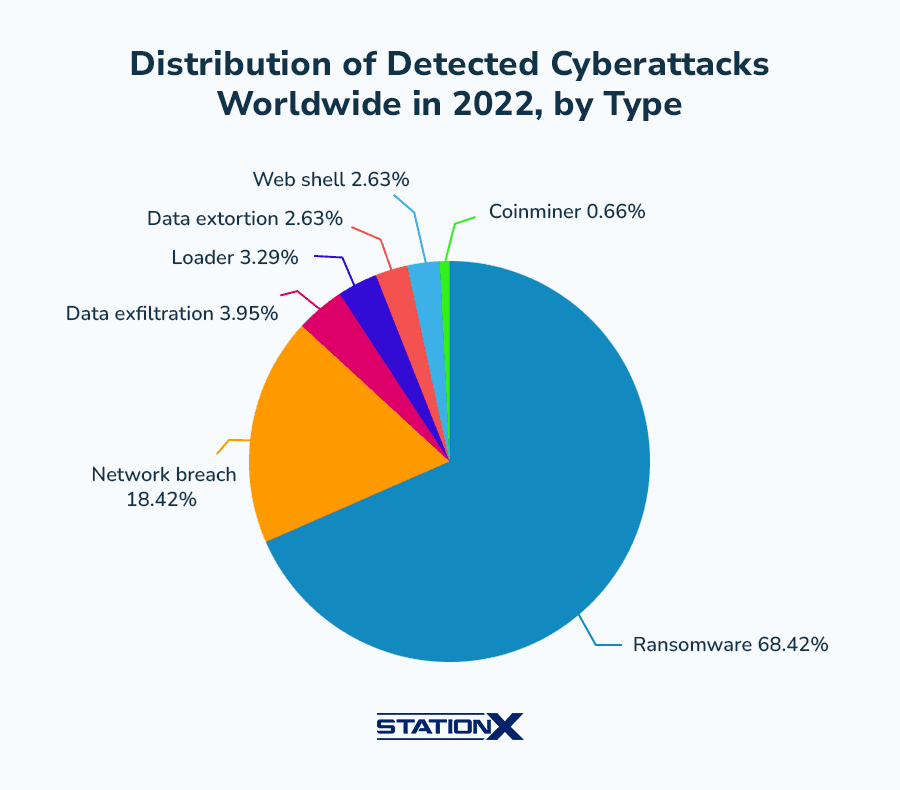 Top 10 Biggest Cybersecurity Breaches of All Time
Explore more Technology rankings on Top10Grid
People Also Explore
Because you're viewing Technology

Top 10 US AgriTech Companies
167 views · 0 votes

Top 10 US Semiconductor Companies 2026
167 views · 0 votes

Top 10 US Quantum Computing Companies 2026
169 views · 0 votes

Top 10 Most Popular Social Media Platforms
173 views · 0 votes
Top 10 US Tech Giants by Market Capitalization 2026
174 views · 0 votes
Top 10 Best Smartphones of 2026
175 views · 0 votes
You might also like
TECHNOLOGYShared subjects
10 Best Cloud Storage Services for Privacy & Value in 2026 (Big‑Trust Alternatives Ranked)
10 items

TECHNOLOGYSame category
Top 10 European Privacy Technology Companies
10 items
TECHNOLOGYSame category
Top 10 Most Disruptive Tech Startups of All Time
10 items

TECHNOLOGYSame category
Top 10 VPN Services in 2026
10 items

TECHNOLOGYSame category
Top 10 Most Powerful AI Companies 2026
10 items

TECHNOLOGYSame category
Top 10 AI Tools Changing Everything in 2026
10 items
More in Technology
See all
Top 10 European Sovereign Cloud Providers in 2026 (GDPR-Ready)
10 items · 138 views

Top 10 Latin American Startups of 2025
10 items · 138 views

Top 10 AI Tools That Actually Save You Time in 2026
10 items · 139 views

Top 10 European Material Science and Advanced Manufacturing Companies
10 items · 139 views