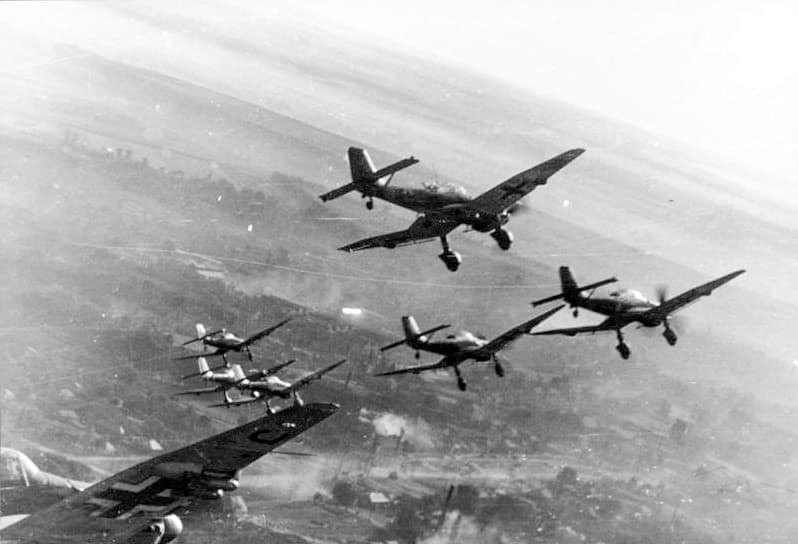
Wikipedia / Bundesarchiv - WWII Junkers Ju 87 Stukas in formation
Top 10 Deadliest Wars in Human History — the Conflicts That Defined Civilizations
War has been humanity's most destructive activity — reshaping borders, ending civilizations, and killing over 200 million people across these 10 conflicts alone. Ranking note: this list weighs historical and civilizational impact alongside raw death toll. The Mongol Conquests (40M dead, #3) rank below WWI (20M dead, #2) because WWI's consequences — the collapse of four empires, the Russian Revolution, and the direct conditions for WWII — reshaped the 20th century more profoundly than any other single conflict. Understanding these wars explains why the UN, NATO, and every major international institution was built.
Top10Grid lets the community re-rank anything — this order is our editors' pick for now; use the buttons below to vote it up or down.

Current Rankings
- –#1
World War II (1939-1945) — 70-85 Million Dead
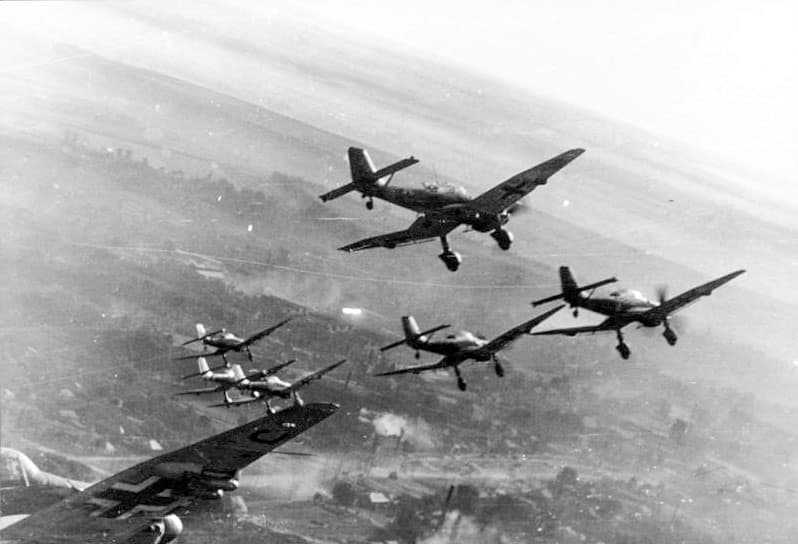
WWII killed between 70-85 million people — 3% of the world's 1940 population — making it the deadliest conflict in human history. The war was unique in its scale of deliberate civilian targeting: the Holocaust killed 6 million Jews; Soviet civilian deaths reached 14 million; Chinese civilian deaths in the Second Sino-Japanese War exceeded 8 million. The war's end created the architecture of the modern world: the UN, NATO, the IMF, and the nuclear deterrence that has (so far) prevented a third world war.
- –#2
World War I (1914-1918) — 20 Million Dead
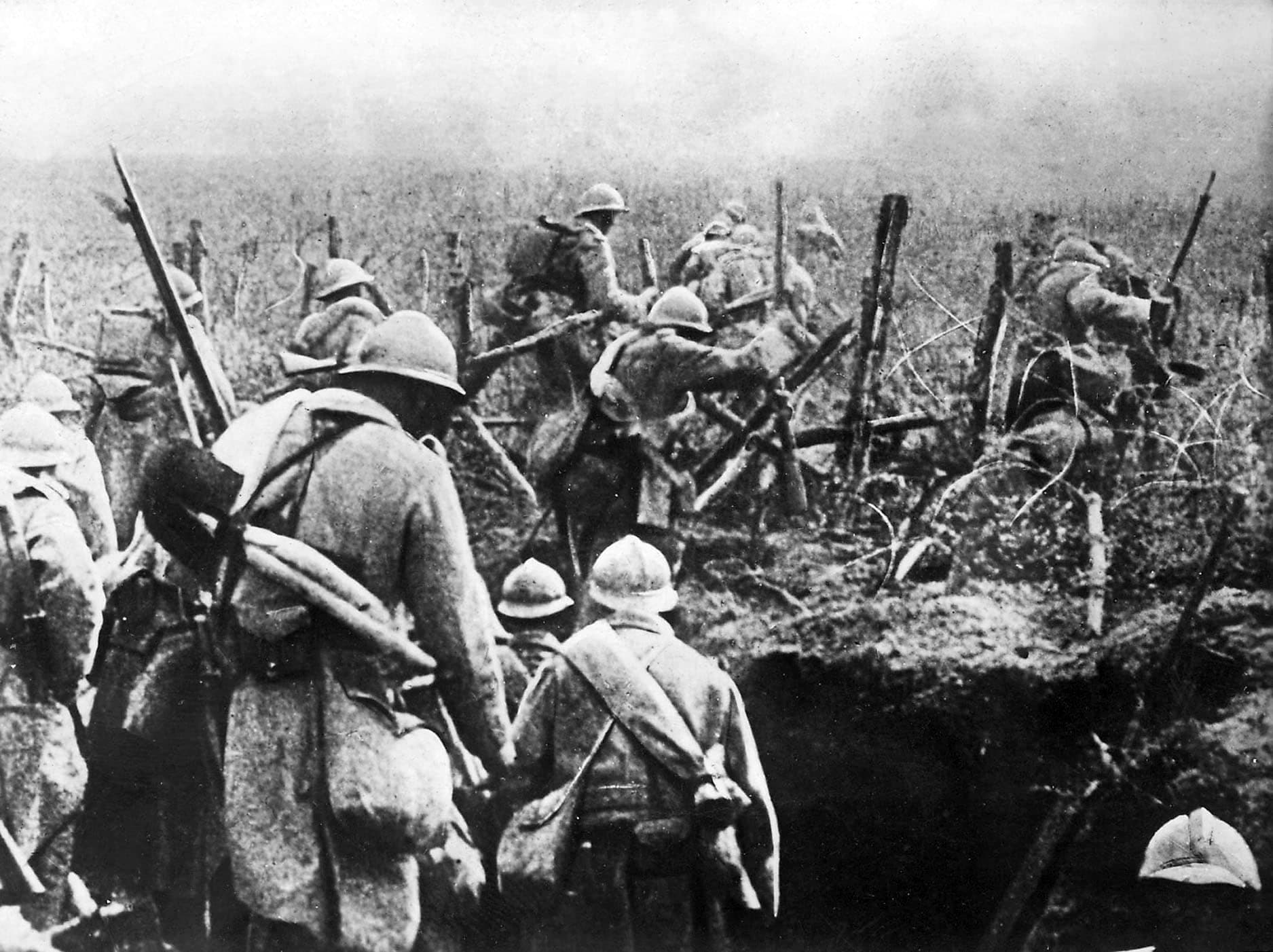
WWI killed 20 million people through a combination of military casualties and the 1918 Spanish flu pandemic it helped spread. The war is defined by its futility — four years of trench warfare across a 450-mile front that moved less than 10 miles in either direction — and its consequences: the collapse of four empires (Ottoman, Austro-Hungarian, Russian, German), the Russian Revolution, and the conditions that directly caused WWII twenty years later.
- –#3
The Mongol Conquests (1206-1368) — 40 Million Dead

The Mongol conquests may be history's most lethal proportionally — killing an estimated 40 million people, approximately 10% of the world's population at the time. Genghis Khan's campaigns across Central Asia, China, Russia, and Eastern Europe were characterized by total war — entire cities were massacred as deterrence to resistance. The Mongol conquest of China reduced its population from 120 million to 60 million within a century.
- –#4
The Second Sino-Japanese War (1937-1945) — 20 Million Dead
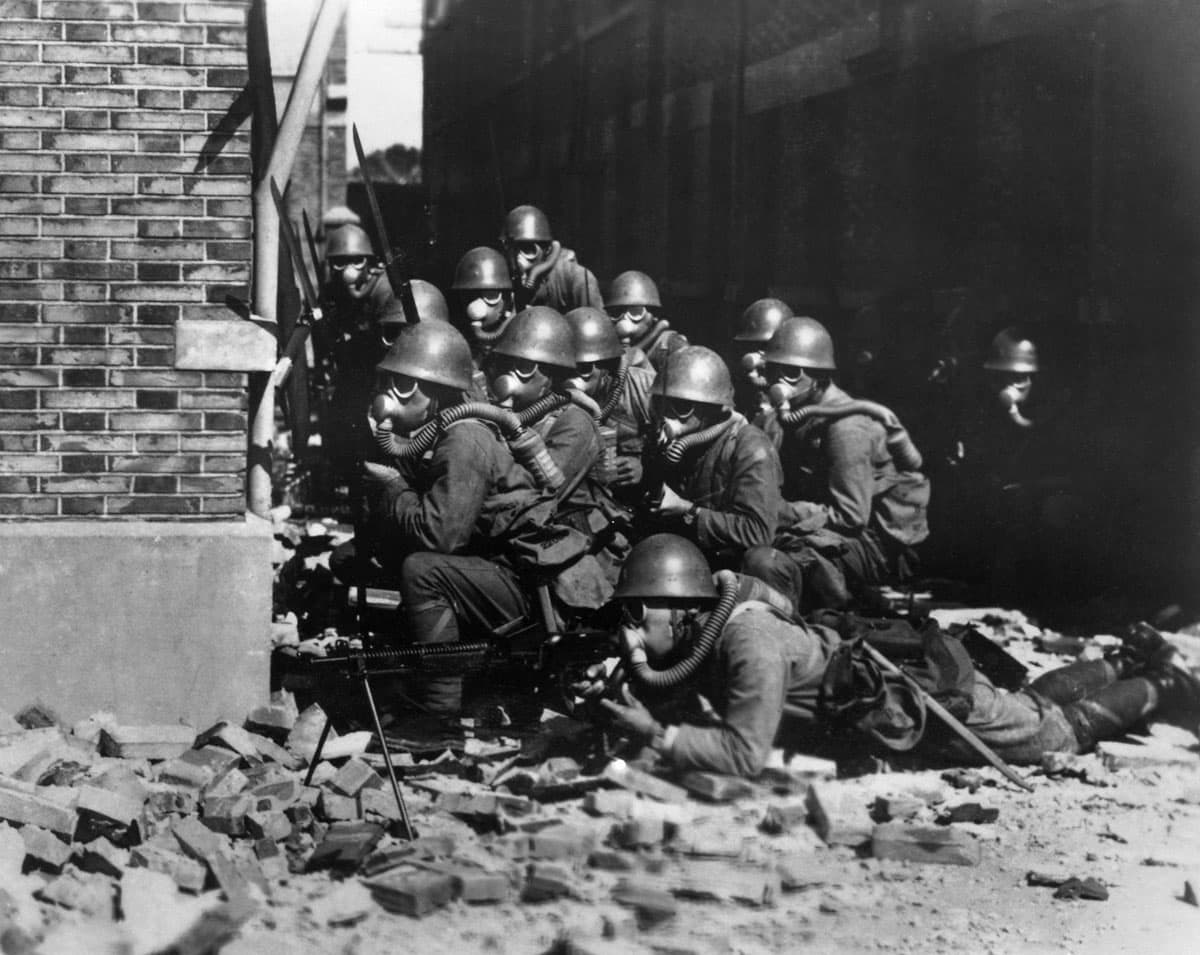
Japan's invasion of China from 1937-1945 killed an estimated 20 million people — absorbed into WWII statistics but constituting its own enormous conflict. The Nanjing Massacre alone killed 200,000-300,000 civilians in six weeks. The war created the conditions for the Chinese Communist Party's victory in the subsequent civil war, directly leading to the People's Republic of China and 75 years of subsequent geopolitics.
- –#5
The Taiping Rebellion (1850-1864) — 30 Million Dead
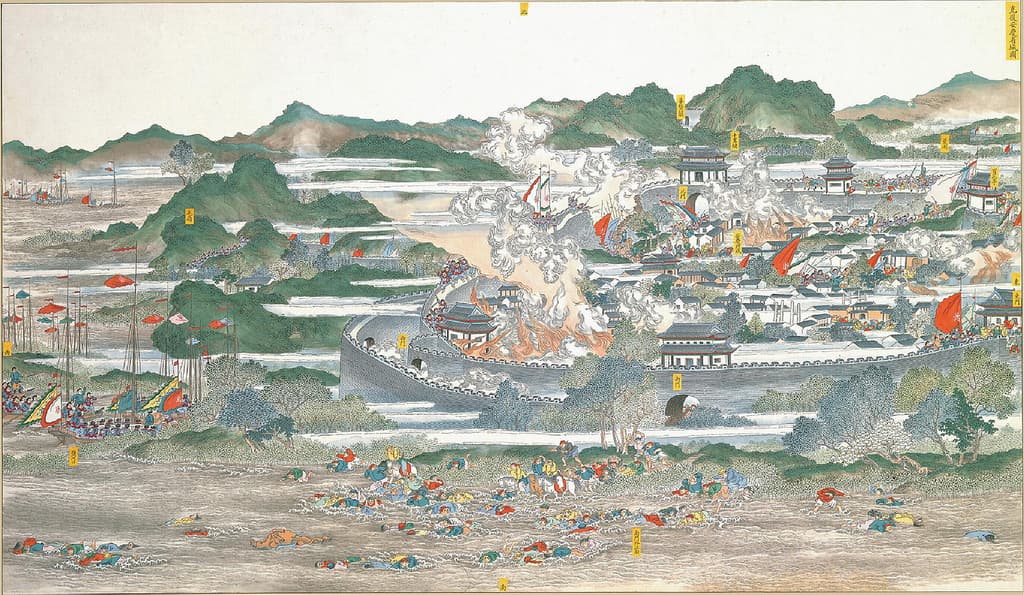
The Taiping Rebellion is one of history's least-known catastrophes: a Chinese civil war between the Qing Dynasty and the Christian millenarian "Taiping Heavenly Kingdom" that killed 20-30 million people — more than WWI. The rebellion's scale reflected the Qing Dynasty's structural weakness that would eventually lead to its 1912 collapse, and the level of violence in the concluding decade-long suppression campaign exceeded the American Civil War by an order of magnitude.
- –#6
The An Lushan Rebellion (755-763 AD) — 36 Million Dead
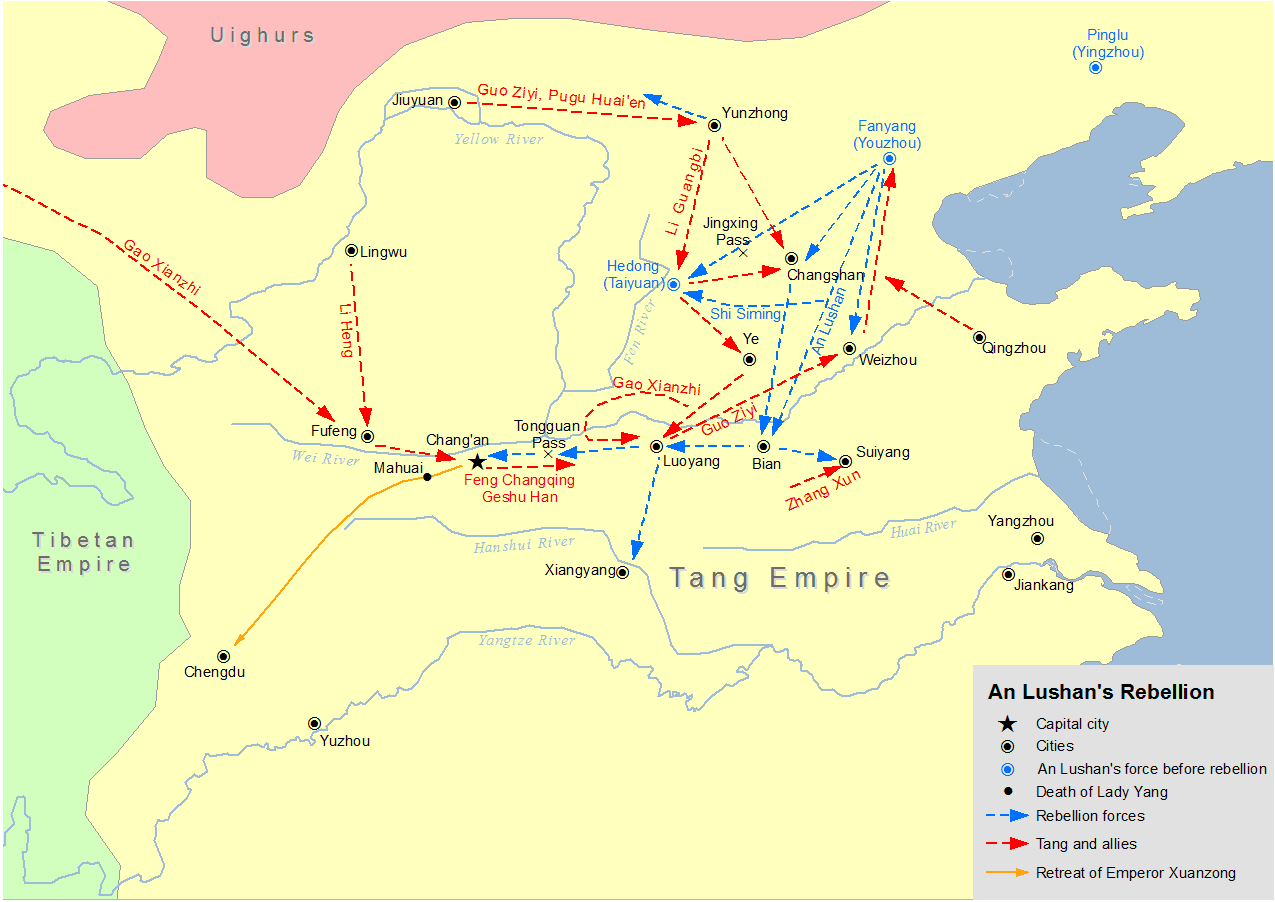
Almost unknown in the West, the An Lushan Rebellion against China's Tang Dynasty killed an estimated 36 million people — one-sixth of the world's population at the time, making it proportionally one of history's deadliest conflicts. The rebellion destroyed Tang China's golden age, triggering demographic collapse documented by census records showing the Tang population falling from 52 million to 17 million in eight years.
- –#7
The Russian Civil War (1917-1922) — 7-12 Million Dead
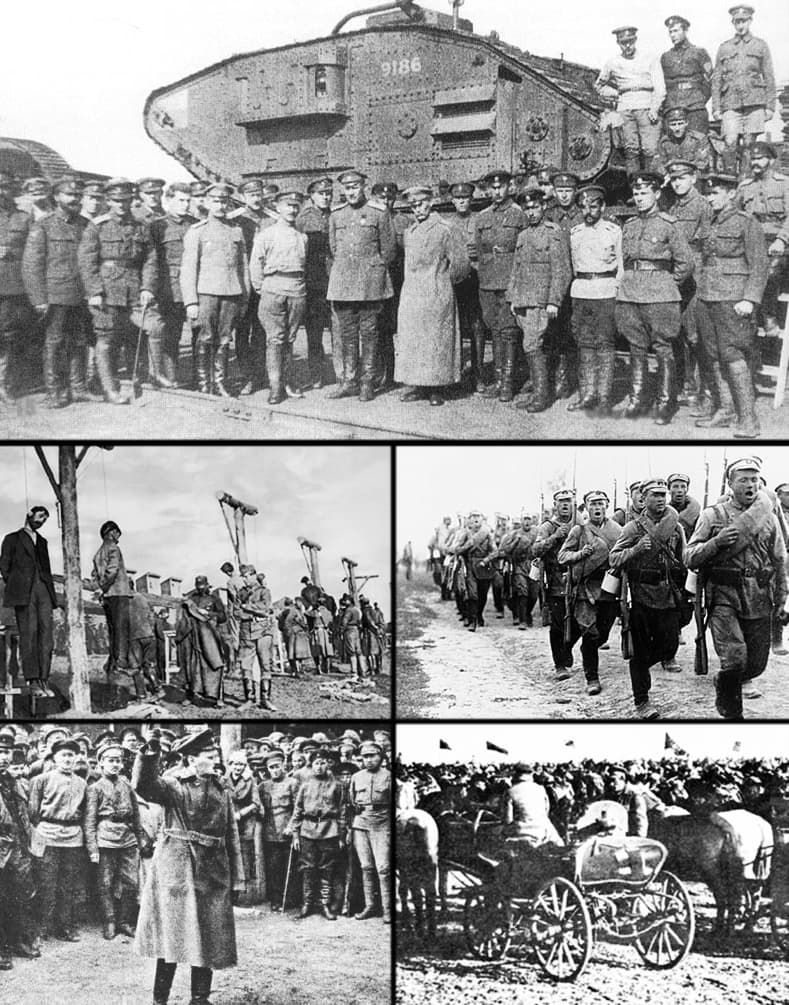
The Russian Civil War following the 1917 Bolshevik Revolution killed 7-12 million people through combat, famine, and the Bolshevik "Red Terror" campaign of mass executions. The war established the Soviet Union's political character — the use of mass violence as a governance tool — that would persist through Stalin's purges and gulags, which killed an estimated 6-20 million additional people in the following three decades.
- –#8
The Thirty Years' War (1618-1648) — 8 Million Dead
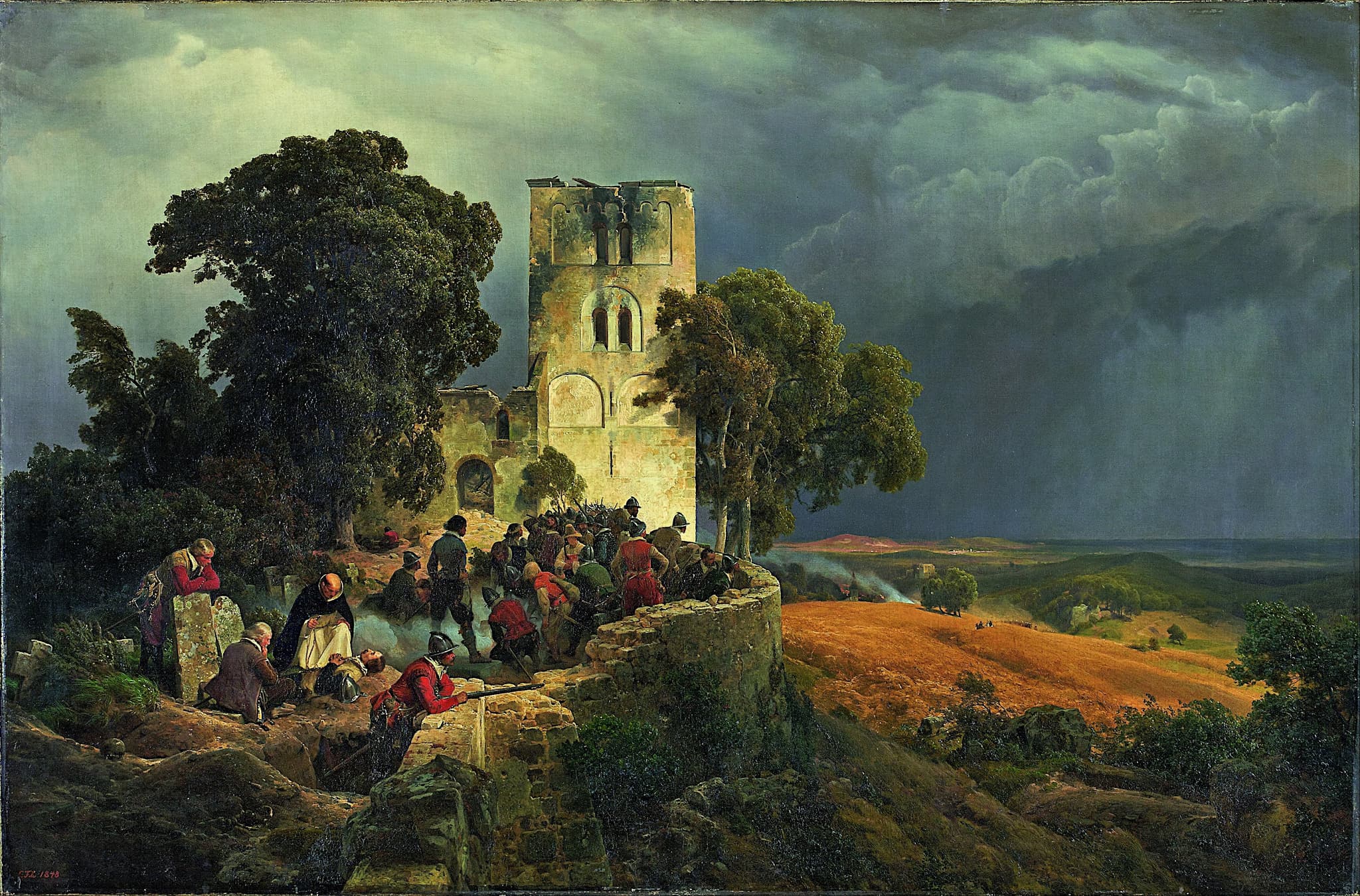
Europe's Thirty Years' War — initially a conflict over Protestant vs. Catholic governance of the Holy Roman Empire — killed 8 million people and depopulated Central Europe by 15-40% in the affected regions. The Peace of Westphalia (1648) that ended it is considered the founding document of the modern state system — establishing the principle of national sovereignty that still governs international relations, making this the most consequential war for the current world order.
- –#9
The Korean War (1950-1953) — 3-5 Million Dead
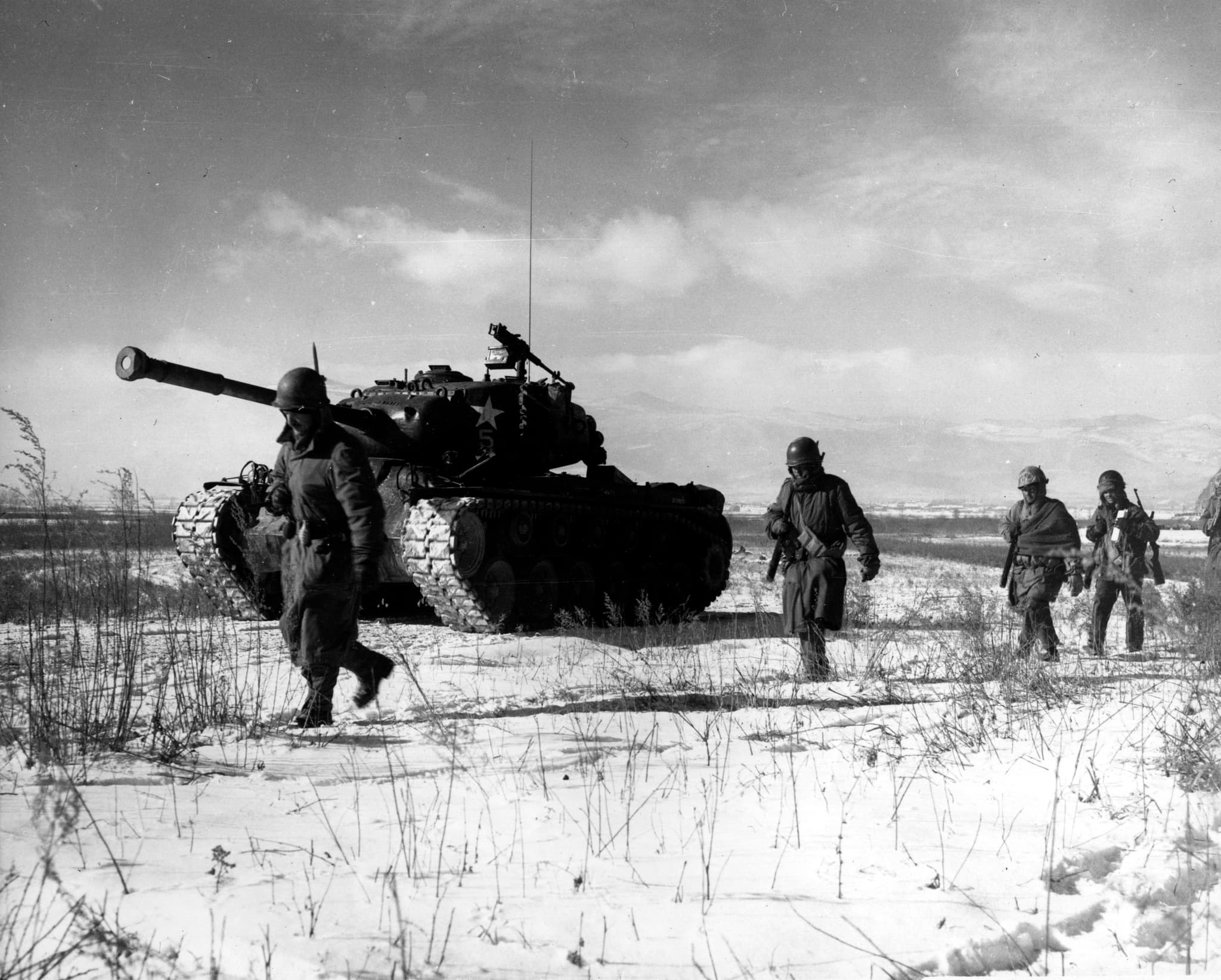
The Korean War's death toll of 3-5 million is often underestimated because the war officially never ended — a ceasefire was signed in 1953, but no peace treaty. The war established the geopolitical division of the Korean Peninsula that persists today, with North Korea's nuclear program being its most consequential long-term consequence. American casualties (36,000 dead) plus the Chinese intervention that saved North Korea made it the most consequential proxy conflict of the Cold War's first decade.
- –#10
The Vietnam War (1955-1975) — 3.5 Million Dead
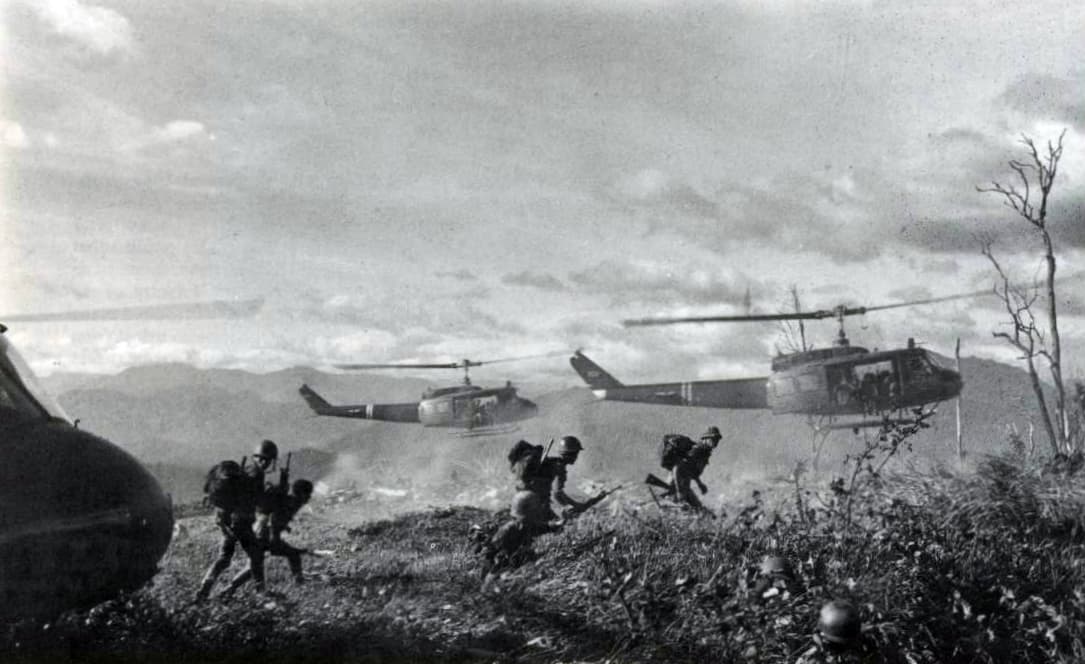
The Vietnam War killed an estimated 3.5 million people across North Vietnam, South Vietnam, Laos, and Cambodia. The US lost 58,000 soldiers; the conflict's domestic opposition transformed American politics, ended the Cold War consensus, and produced the "Vietnam Syndrome" of military reluctance that shaped every US foreign policy decision for 30 years. The fall of Saigon on April 30, 1975 remains the defining image of superpower limitation.
Image credits
- World War II (1939-1945) — 70-85 Million Dead: Wikipedia / Bundesarchiv - Junkers Ju 87 Stukas, WWII
- World War I (1914-1918) — 20 Million Dead: Wikipedia - Battle of Verdun 1916, WWI
- The Mongol Conquests (1206-1368) — 40 Million Dead: List of wars by death toll / Wikipedia
- The Second Sino-Japanese War (1937-1945) — 20 Million Dead: Wikipedia - Japanese Special Naval Landing Forces at Battle of Shanghai, 1937
- The Taiping Rebellion (1850-1864) — 30 Million Dead: Wikipedia - Taiping Rebellion, Regaining the Provincial City of Anqing
- The An Lushan Rebellion (755-763 AD) — 36 Million Dead: Wikipedia Commons - An Lushan Rebellion map showing Tang dynasty territorial impact
- The Russian Civil War (1917-1922) — 7-12 Million Dead: Wikipedia - Russian Civil War
- The Thirty Years' War (1618-1648) — 8 Million Dead: Wikipedia / Google Art Project - Carl Friedrich Lessing, The Siege (Thirty Years War)
- The Korean War (1950-1953) — 3-5 Million Dead: Wikipedia - Battle of Chosin Reservoir, Korean War
- The Vietnam War (1955-1975) — 3.5 Million Dead: Wikipedia - US Army UH-1H Hueys inserting ARVN troops, Vietnam War 1970
Related Videos
Frequently asked questions
What is the deadliest war in human history?
World War II is the deadliest war in human history, with an estimated 70–85 million fatalities, including military and civilian deaths.
How many people died in World War II?
World War II caused approximately 70–85 million deaths, which was about 3–4% of the global population at the time.
What were the death tolls of the Mongol conquests?
The Mongol conquests, led by Genghis Khan and his successors, resulted in an estimated 30–60 million deaths, reducing the world population by roughly 10%.
How do historians estimate casualties for ancient wars?
Historians rely on archaeological evidence, contemporary records, and cross-referencing multiple sources, though estimates for ancient wars often have wide ranges due to incomplete data.
Which war caused the highest percentage of the global population to die?
The Mongol conquests are estimated to have killed about 10% of the world population, while the Taiping Rebellion in China caused roughly 20–30 million deaths, around 10% of the global population at the time.
Rank it your way
Remix this list into your own ranking, or head to the play hub for every game mode and community breakdown — blind mode, challenges, tier lists, and more.
You Might Also Like
Top 10 Deadliest Pandemics in Human History — The Diseases That Reshaped Civilization
Top 10 Deadliest Pandemics in Human History — The Disease...

Top 10 Inventions That Changed Human Civilization More Than Anything Else in History
Top 10 Inventions That Changed Human Civilization More Th...
Top 10 Single Decisions That Permanently Changed the Course of History
Top 10 Single Decisions That Permanently Changed the Cour...

10 Biotech Breakthroughs Reaching Patients by 2030 (CRISPR, mRNA, Organoids & More)
#1 mRNA Therapeutics Beyond Vaccines · #2 CRISPR Base Editing and Prime Editing · #3 CAR-T Cell Therapy for Solid Tumors
Top 10 Science Podcasts That Make You Smarter in 30 Minutes
#1 Radiolab · #2 Ologies · #3 StarTalk

10 Greatest Empires That Collapsed: Lessons from History
#1 The Roman Empire — 500 Years to Fall · #2 The Soviet Union — 70-Year Experiment Ends · #3 The Mongol Empire — World's Largest Land Empire