

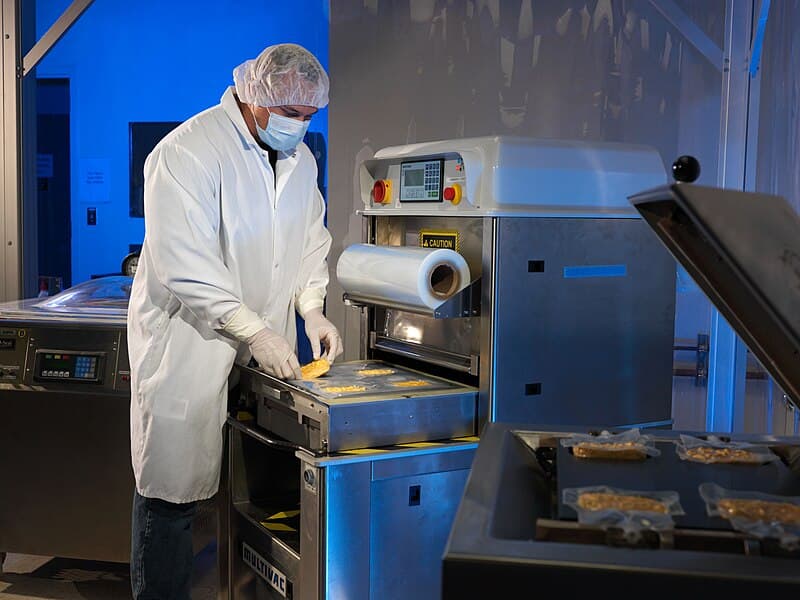
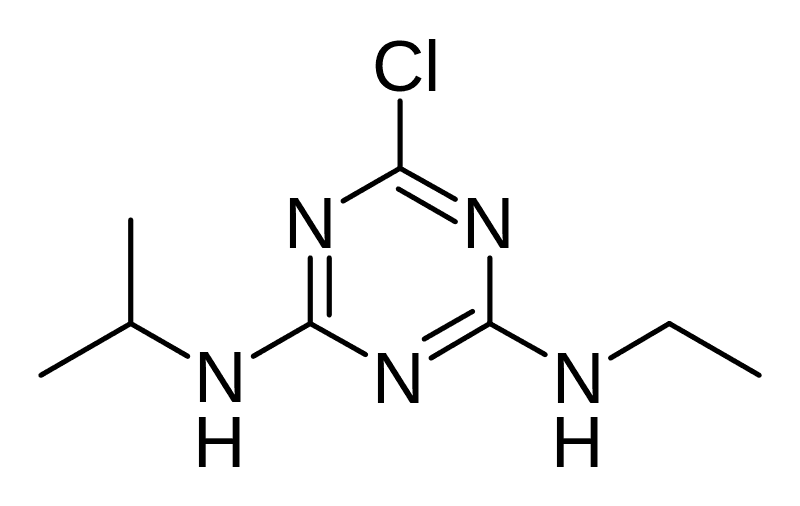
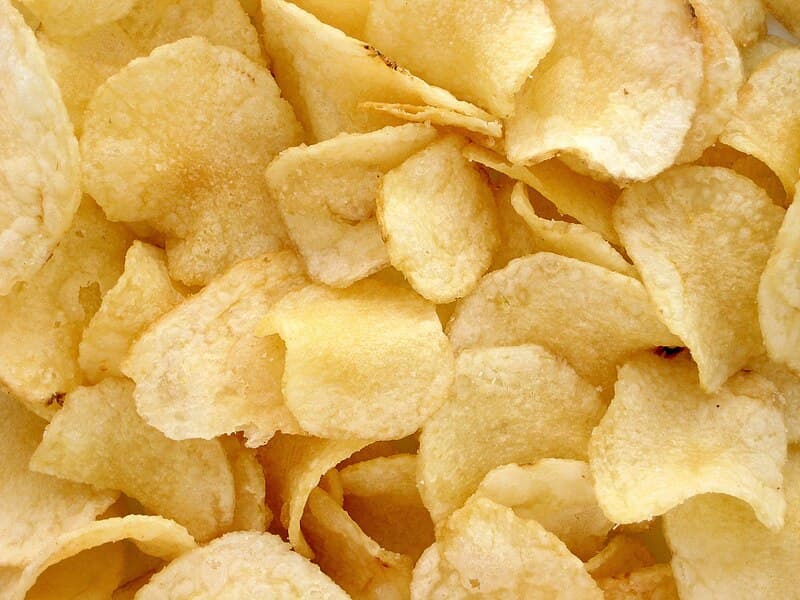
U.S. FDA / Wikimedia Commons (Public Domain)
Dish
Top 10 Foods Banned in Other Countries but Legal in the US
The FDA and the European Food Safety Authority examine the same scientific data yet routinely reach opposite conclusions—a regulatory divide that directly affects what's on your plate. Americans routinely consume artificial additives, banned pesticides, growth hormones, and synthetic dyes that are prohibited in the EU, Japan, Australia, Canada, and the UK. This gap stems from a fundamental difference in approach: the US presumes additives are safe until proven otherwise, while most developed nations require proof of safety before approval. The result is a striking list of everyday ingredients—from artificial dyes to banned sweeteners to growth-promoting hormones—that regulatory bodies worldwide have rejected as unacceptable. Whether this reflects American confidence in industry self-regulation or represents global overcaution, the banned-but-legal foods many of us eat daily span surprising categories that likely extend well beyond what most people realize.
2026187 views
Top10Grid rankings are decided by votes, not algorithms — use the buttons below to move this list.
Current Rankings
Vote items up or down — rankings update instantly
Get the weekly food & drink rundown
Only lists published since the last email. Join the early readers.
- Only Top 10s published in the last 7 days
- One email a week — and none at all in a week with nothing new
- Unsubscribe in one click
No spam. One email per week. Unsubscribe anytime.
Readers Also Ranked
More Lists Like This
Top 10 Kitchen Gadgets Under $30 That Changed Home Cooking
- #1Instant Pot Mini (3 Qt)
- #2Immersion Blender
- #3Digital Food Scale

Top 10 BBQ Sauces Worth Driving Across State Lines For
- #1Gates BBQ Sauce (Kansas City)
- #2Stubb's Original (Austin)
- #3Sweet Baby Ray's
Top 10 Italian Cheeses in 2026
- #1Parmigiano-Reggiano
- #2Mozzarella di Bufala Campana
- #3Gorgonzola
Top 10 Malaysian Desserts & Kuih in 2026
- #1Cendol
- #2Ais Kacang (ABC)
- #3Kuih Lapis
Frequently asked questions
Why are artificial food dyes like Red 40 and Yellow 5 banned in some countries but legal in the US?
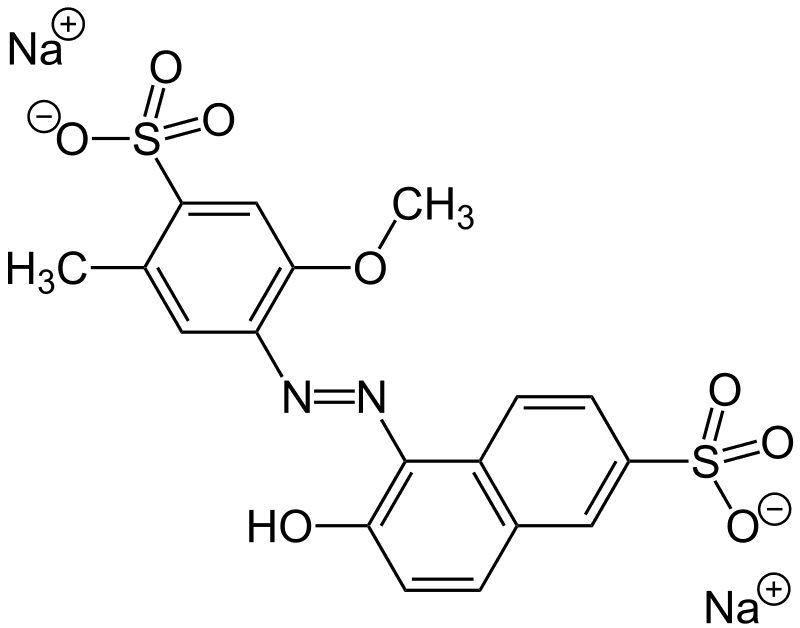
The European Union requires warning labels on foods containing certain synthetic dyes due to links to hyperactivity in children, while the US FDA considers them safe within regulated limits.
What is potassium bromate and why is it banned in the EU but allowed in US bread?
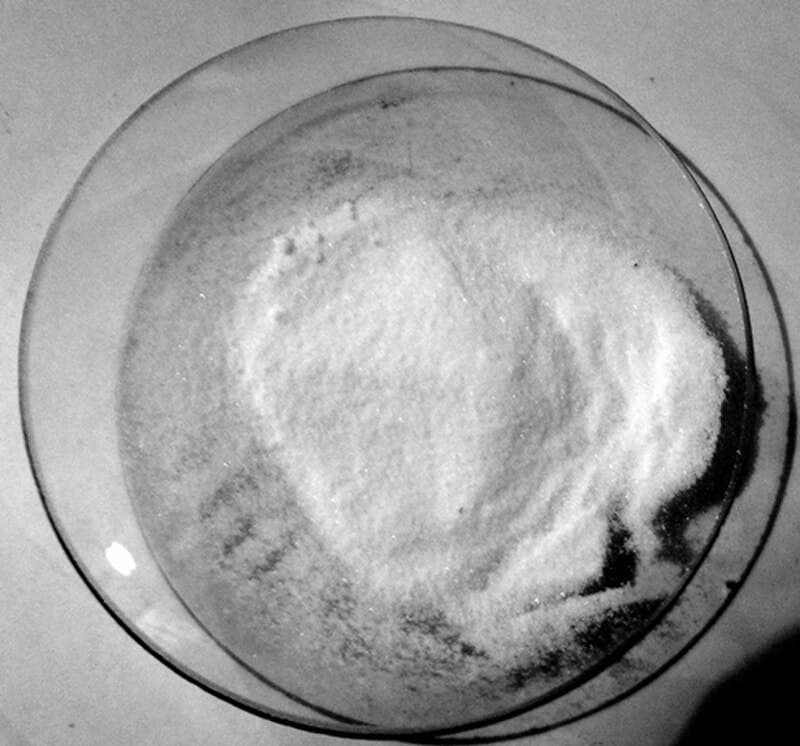
Potassium bromate is a flour additive that strengthens dough; it is banned in the EU, Canada, and many other countries because it is a possible human carcinogen, but the FDA permits it as long as levels are below 0.0001% residue in the final product.
Why is rBGH (recombinant bovine growth hormone) banned in several countries but used in US dairy?
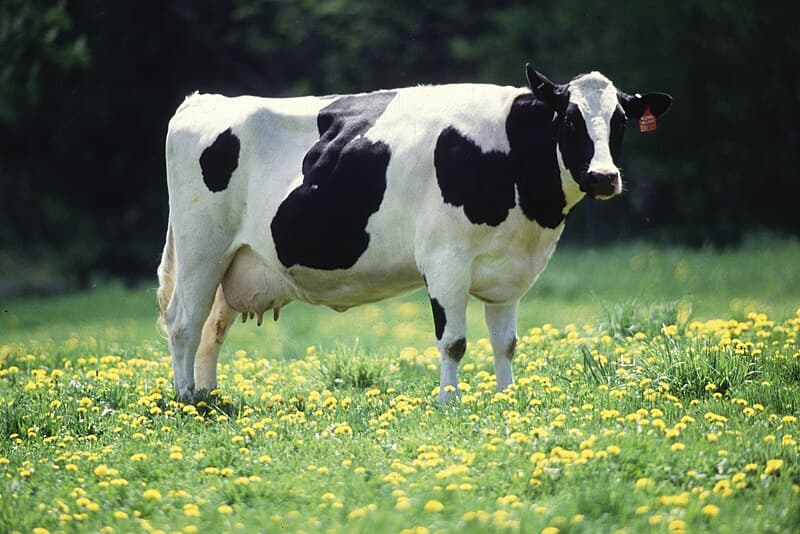
rBGH is banned in the EU, Canada, and other regions due to concerns about animal welfare and potential increased health risks like cancer from elevated IGF-1 levels, while the FDA has deemed milk from treated cows safe for human consumption.
Which food additives commonly found in US products are prohibited in other developed nations?
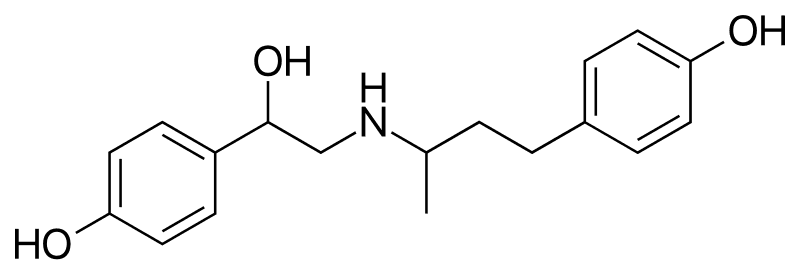
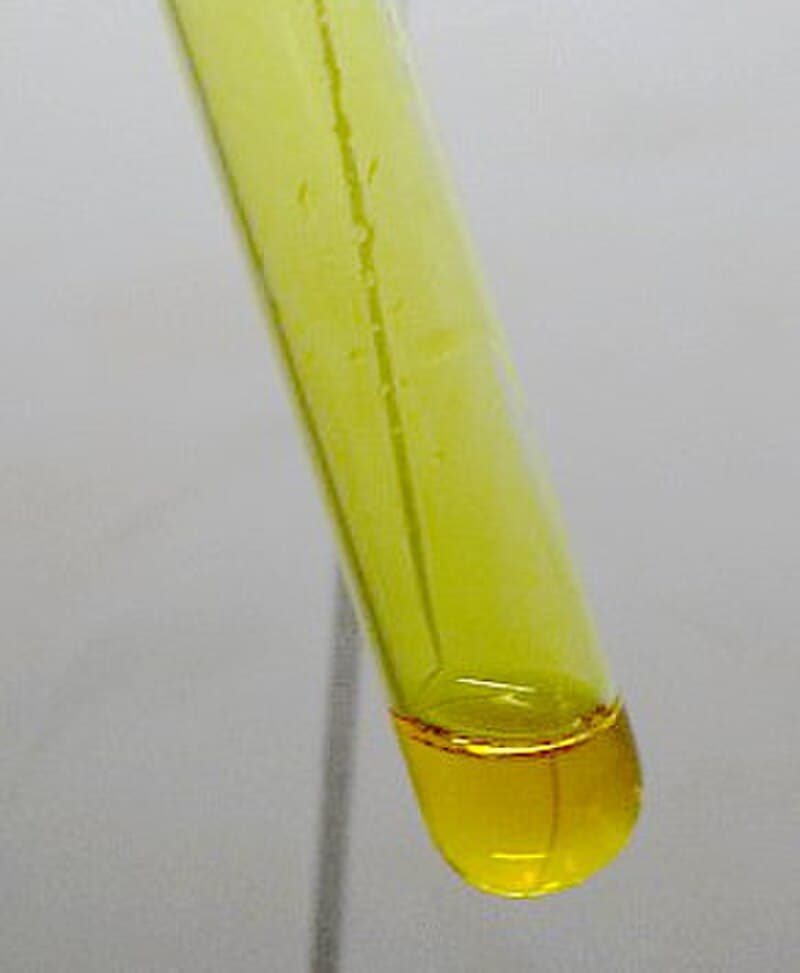
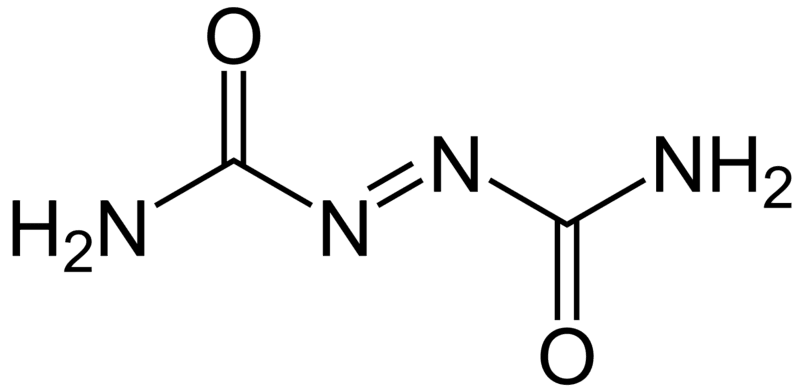
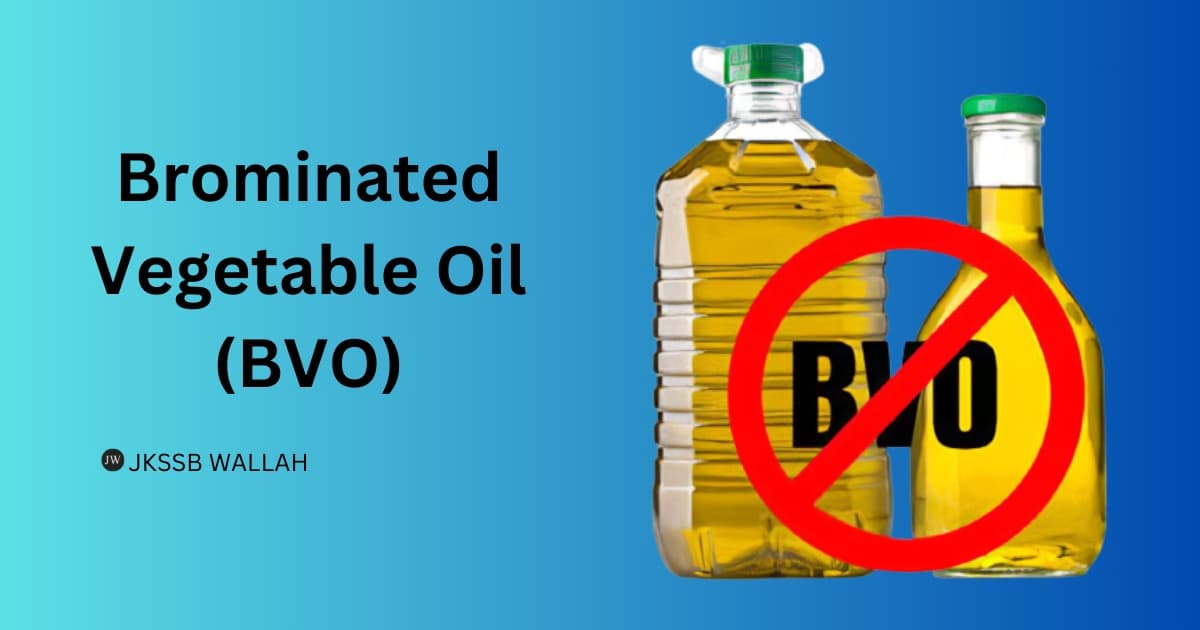
Examples include azodicarbonamide (used in bread as a whitening agent), BHA/BHT preservatives, olestra (fat substitute), ractopamine (growth promoter in meat), brominated vegetable oil (in citrus drinks), and propylparaben (in baked goods).
Why are these food additives allowed in the US when they are banned elsewhere?
Regulatory differences exist because the FDA uses a 'generally recognized as safe' (GRAS) system and often relies on industry-sponsored studies, while other countries apply the precautionary principle, requiring stronger proof of safety before approval.
Discussion
Have a take on this ranking?
Comments are how the argument actually happens here. Posting one needs a free account — it takes about a minute.
No comments yet.
The first comment sets the terms of the argument.
Would your top 10 look different?
Publish your own ranking of this topic. Your list gets its own page, and readers vote on it the same way you just voted on this one.
Build your own Top 10More Food Rankings
More Dishes Rankings
6
Top 10 Best Fast Food Chains
123 views · @admin
Top 10 Best French Cheeses of All Time
124 views · @admin
Top 15 Best Brunch Spots & Cafes in Hong Kong 2026
126 views · @admin
Top 15 Japan Food Experiences for Families (2026 Guide)
126 views · @admin
Top 15 Best Restaurants in Tokyo for Families 2026
126 views · @admin
Top 10 Best Street Food Dishes in Japan
129 views · @admin
You might also want to rank…
Top Craft Breweries — California — September 2026Top Craft Breweries — Colorado — September 2026Top Craft Breweries — Denver — September 2026Top Craft Breweries — Oregon — September 2026
Explore more Food rankings on Top10Grid
People Also Explore
Because you're viewing Food
You might also like
FOODSame type
Top 10 Meal Prep Containers and Systems That Actually Work (2026)
10 items
FOODSame type
Top 10 Worst Fast Food Menu Items
10 items

FOODSame type
Top 10 Most Polarizing Foods People Love or Hate
10 items
FOODSame type
Top 10 Street Food Cities That Destroy Michelin Stars
10 items
FOODSame type
Top 10 Best Fast Food Chains
10 items
FOODSame type
Top 10 Most Overhyped Food Cities
10 items