




Souradeep Roy 1998 / Wikimedia Commons (CC BY-SA 4.0)
TrendingDish
Top 10 Most Polarizing Foods People Love or Hate
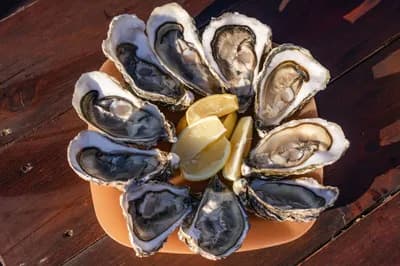
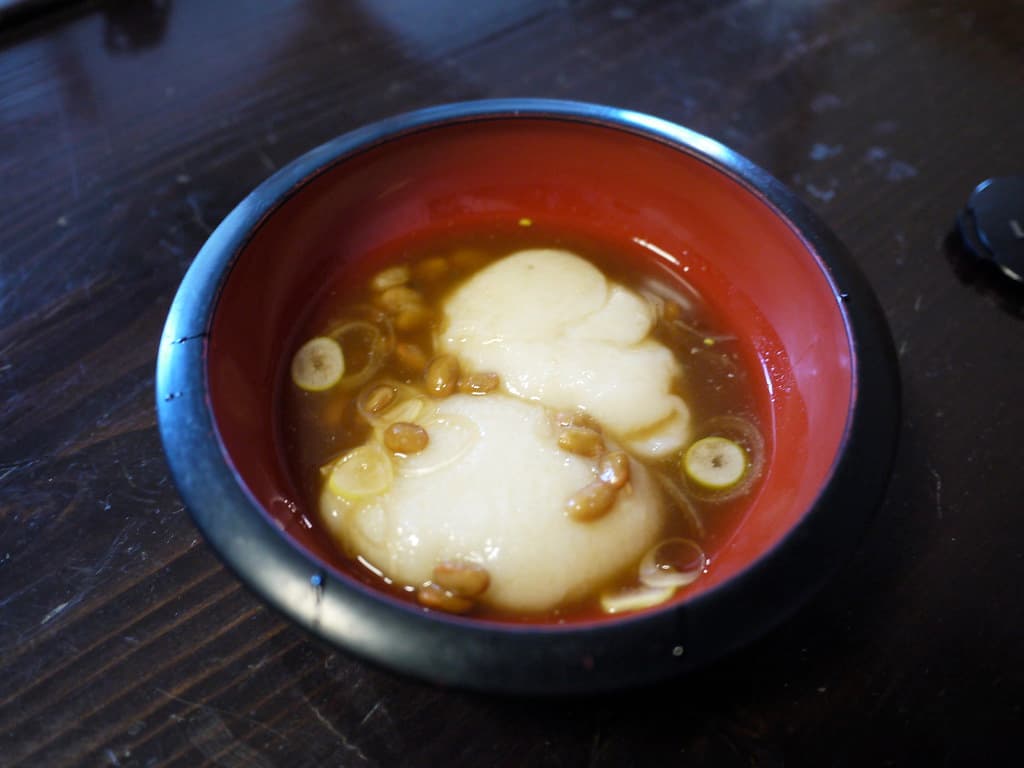
Some foods spark intense devotion or outright disgust—and the reasons range from overwhelming flavors to cultural tradition to acquired tastes. From pungent durian to soapy cilantro, polarizing foods reveal how personal preference, biology, and background shape what we find delicious or revolting. Here are the 10 most controversial foods people either love passionately or refuse to eat, ranked by the intensity of their divide and the passionate arguments they inspire.
2026228 views
Top10Grid rankings are decided by votes, not algorithms — use the buttons below to move this list.
Current Rankings
Vote items up or down — rankings update instantly
Get the weekly food & drink rundown
Only lists published since the last email. Join the early readers.
- Only Top 10s published in the last 7 days
- One email a week — and none at all in a week with nothing new
- Unsubscribe in one click
No spam. One email per week. Unsubscribe anytime.
Readers Also Ranked
More Lists Like This

The Art of the Stirred Cocktail: Timeless Spirit-Forward Drinks
- #1Negroni
- #2Manhattan
- #3Old Fashioned
Top 15 Japan Food Experiences for Families (2026 Guide)
- #1Sushi Making Class, Tokyo
- #2Ramen Making at Shin-Yokohama Raumen Museum
- #3Matcha Tea Ceremony Experience, Kyoto

Top 15 Best Restaurants in Tokyo for Families 2026
- #1Conveyor Belt Sushi (Kura Sushi, Sushiro, Hamazushi)
- #2Ichiran Ramen
- #3Ramen Street, Tokyo Station (B1)

Top 10 Afternoon Tea Spots in London 2026
- #1The Ritz London
- #2Claridge's
- #3The Savoy
Frequently asked questions
What makes a food polarizing?
A polarizing food elicits strong positive or negative reactions, often due to factors like taste sensitivity (e.g., cilantro's soapy flavor for some), texture, cultural background, or personal experiences.
Why do some people hate cilantro while others love it?
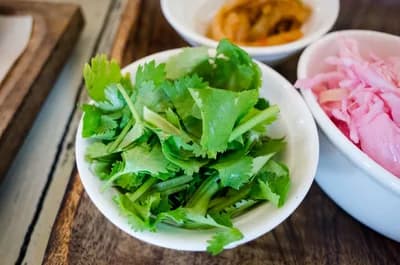
Cilantro aversion is linked to a genetic variation in olfactory receptors that makes the herb taste like soap or dirt to roughly 4-14% of the population.
Why is pineapple on pizza considered polarizing?
The debate stems from a clash of sweet and savory flavors: proponents enjoy the contrast, while critics argue fruit has no place on a traditional pizza, often citing texture and sweetness as deal-breakers.
Can strongly disliked foods like liver or blue cheese become enjoyable over time?
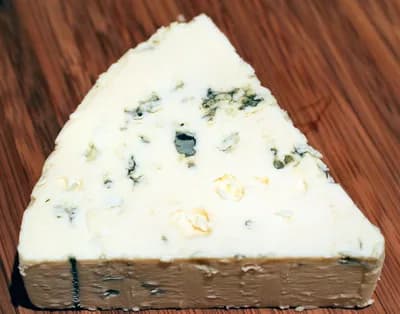
Yes, acquired taste can develop through repeated exposure and pairing with familiar flavors, as taste buds and brain associations gradually adapt.
Are there health reasons behind hating certain polarizing foods?
Sometimes, but dislike is usually sensory-based; however, conditions like supertasting (increased sensitivity to bitterness) can make foods like Brussels sprouts or coffee unpalatable, which is partly genetic.
Discussion
Have a take on this ranking?
Comments are how the argument actually happens here. Posting one needs a free account — it takes about a minute.
No comments yet.
The first comment sets the terms of the argument.
Would your top 10 look different?
Publish your own ranking of this topic. Your list gets its own page, and readers vote on it the same way you just voted on this one.
Build your own Top 10More Food Rankings
More Dishes Rankings
6
Top 10 Best Rooftop Cocktail Bars in Hong Kong 2026
133 views · @admin

Top 10 Worst Event Food Experiences
133 views · @admin
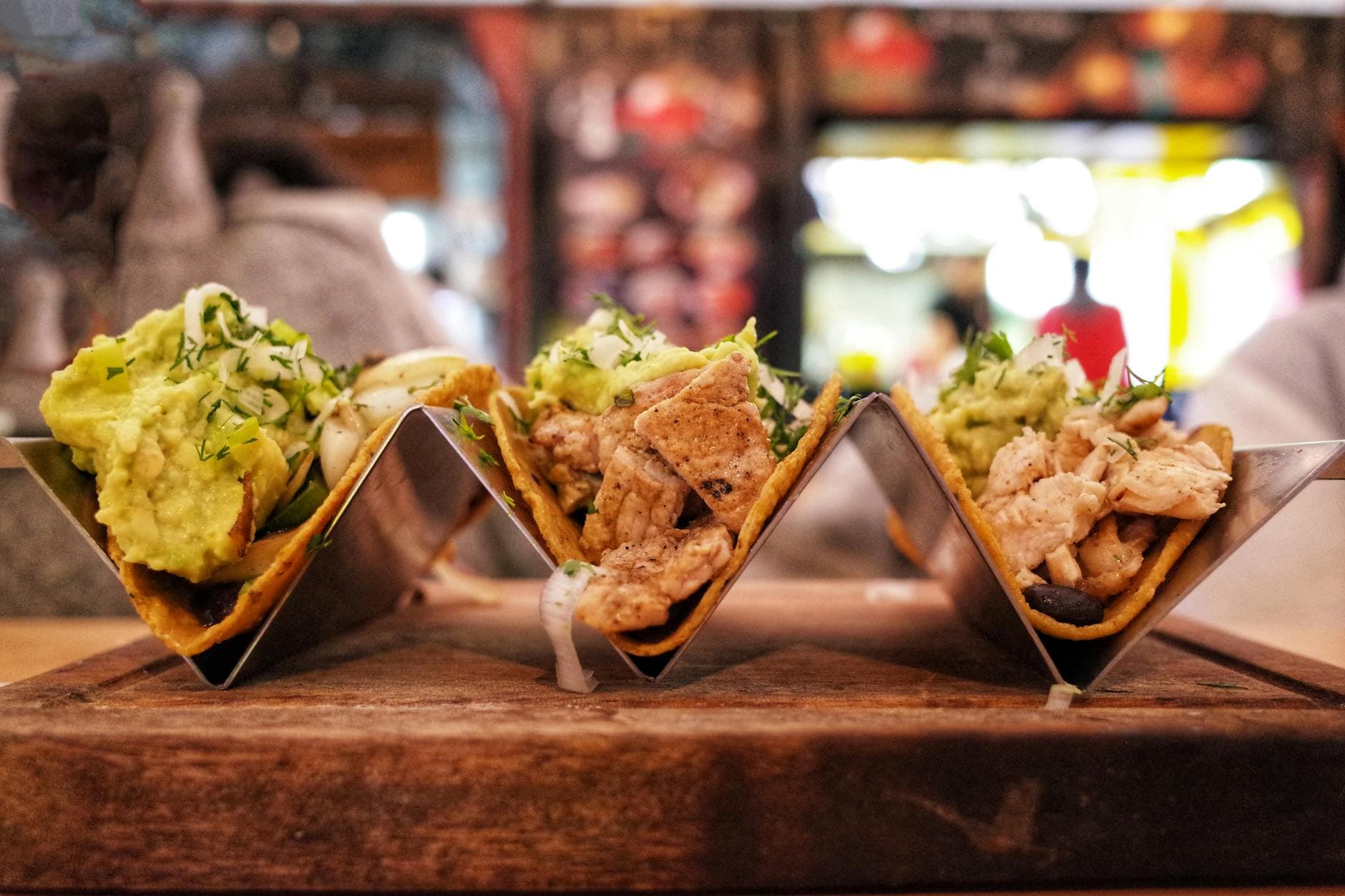
Top 10 Most Controversial Food Trends
134 views · @admin
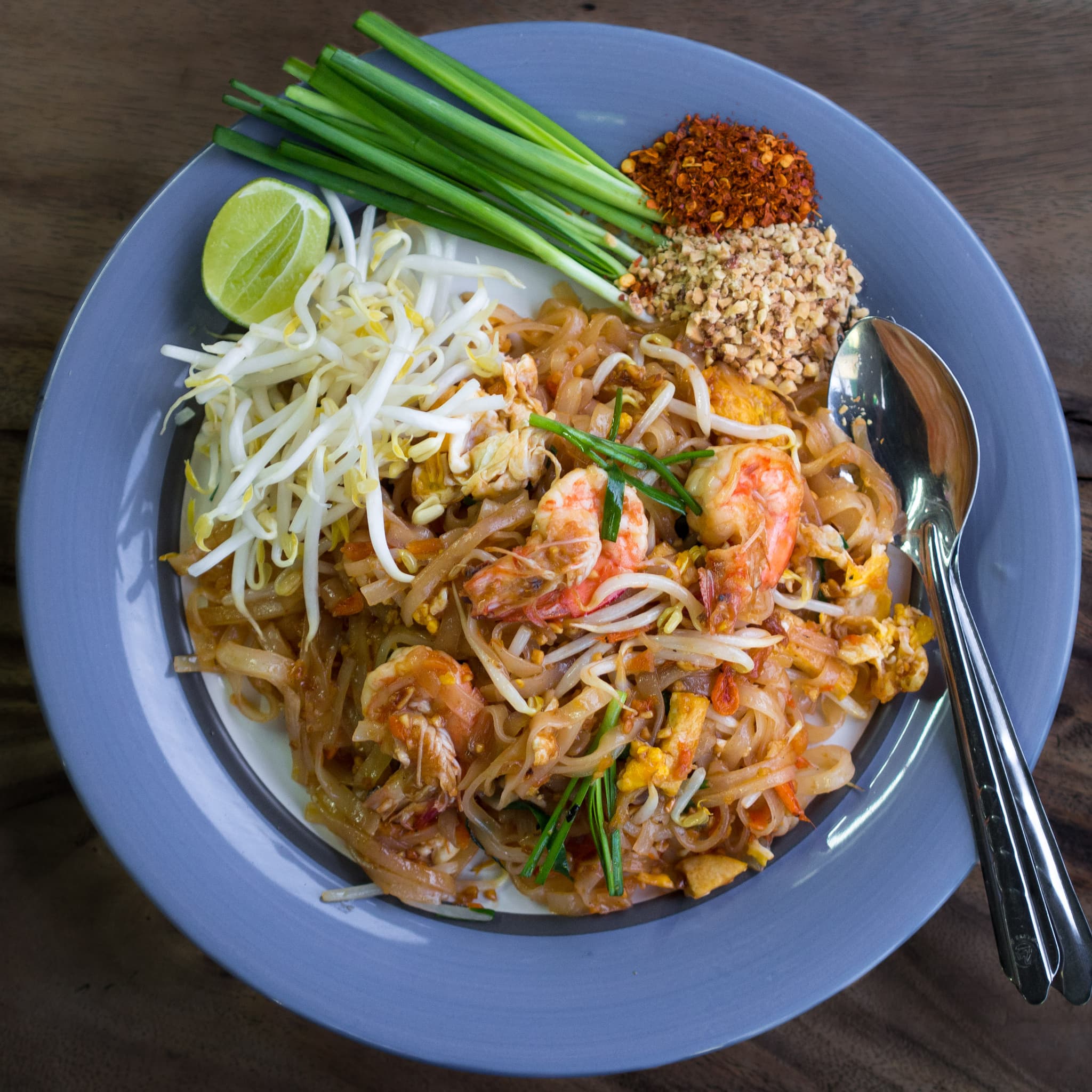
Top 10 Thai Dishes You Must Try in 2026
136 views · @admin

Top 10 Worst Food Delivery Apps Ranked by Hidden Fees, Failed Orders & User Complaints
137 views · @admin
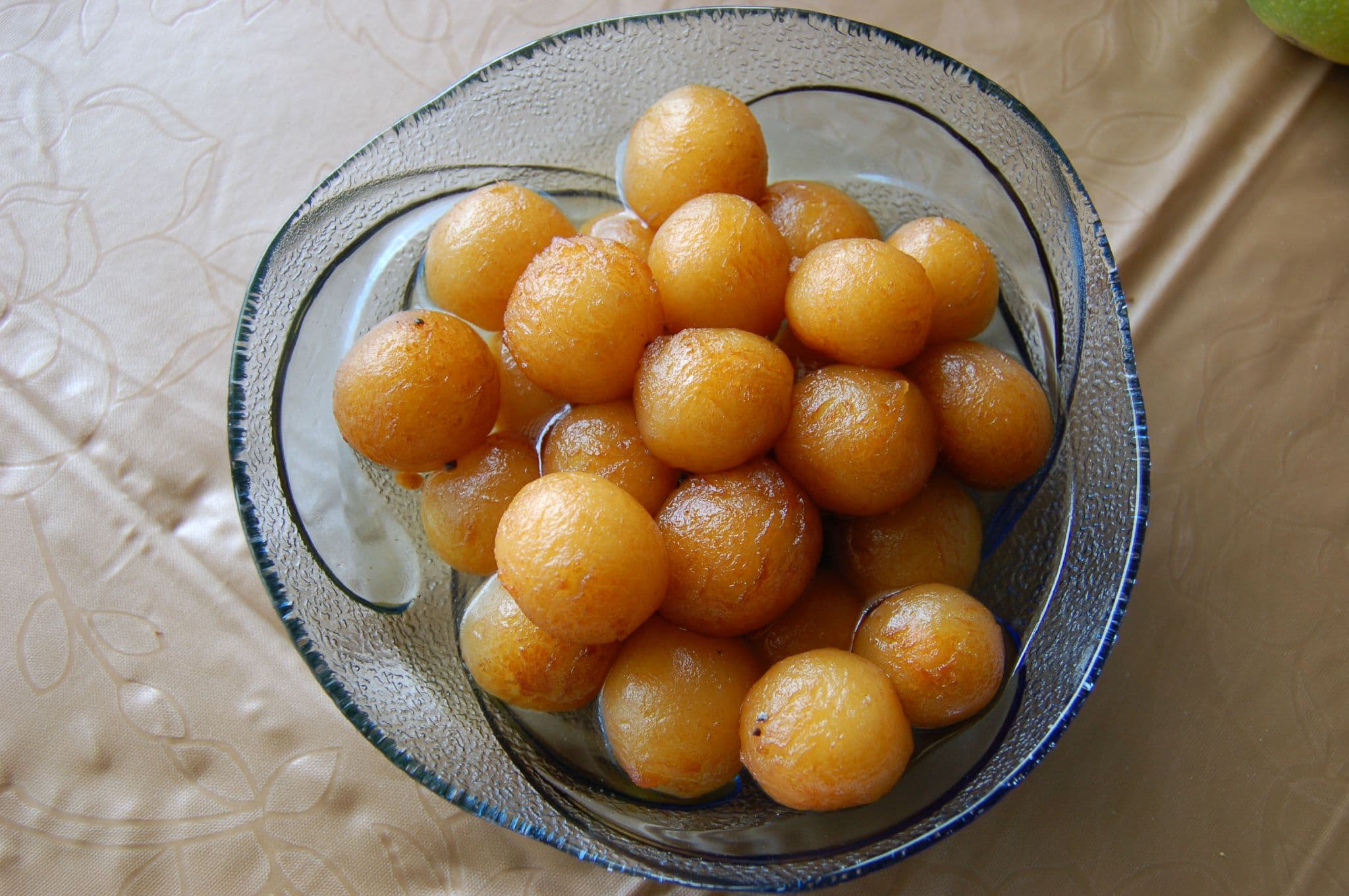
Top 10 Traditional Indian Desserts You Need to Try
140 views · @admin
You might also want to rank…
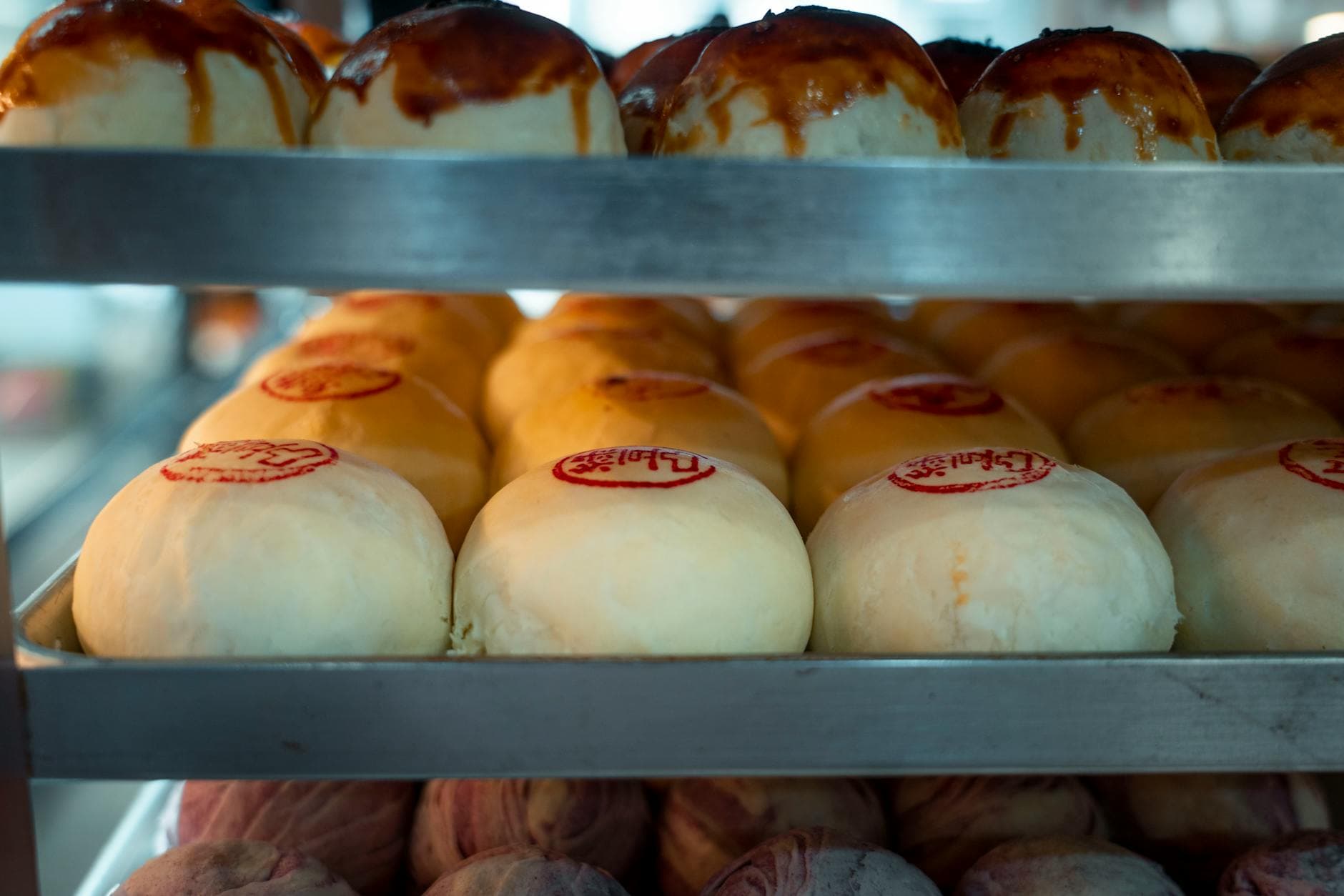 Top 10 Taiwanese Desserts in 2026
 Top 10 West African Foods
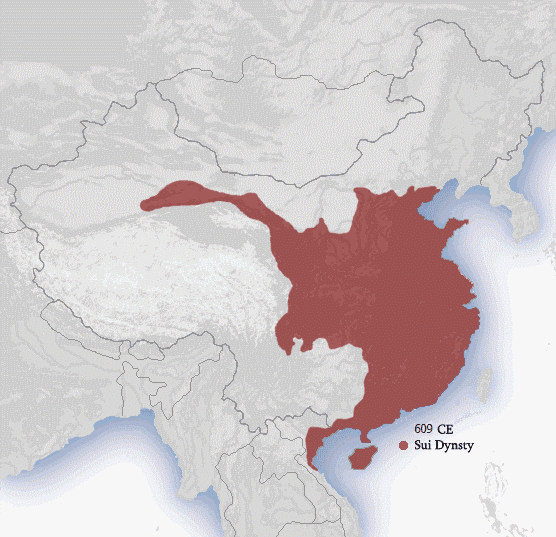 Top 10 Must-Try Hong Kong Foods: Dim Sum, Roast Goose, Egg Tarts & More
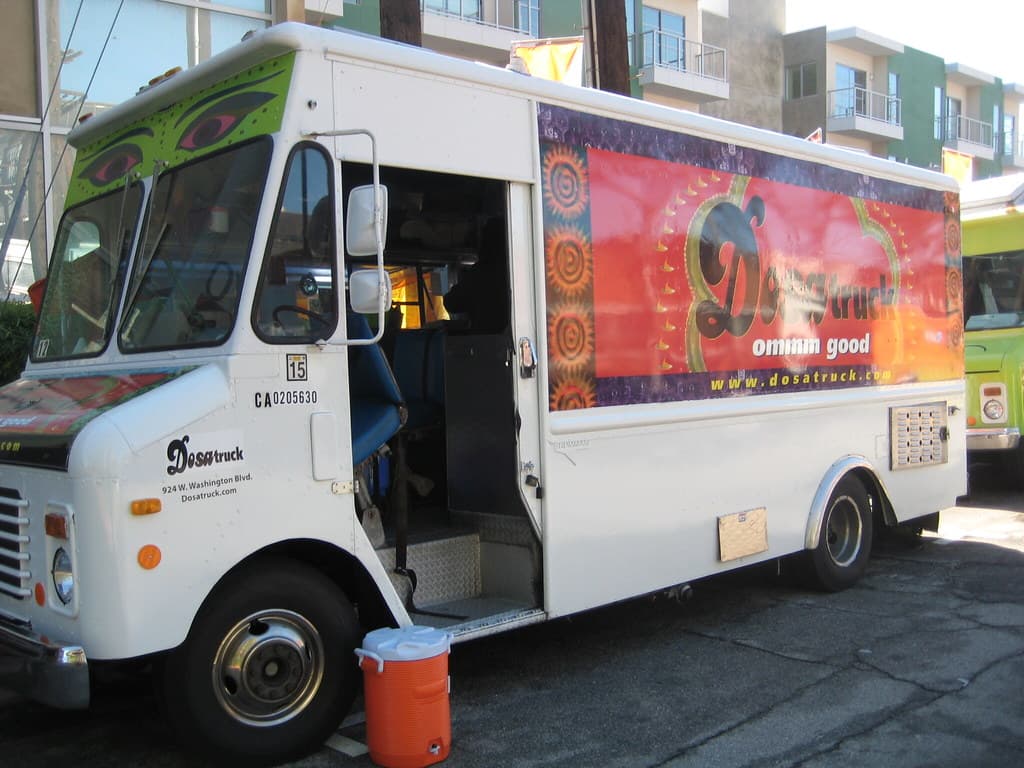 Top 10 Food Trucks in Los Angeles 2026
Explore more Food rankings on Top10Grid
People Also Explore
Because you're viewing Food
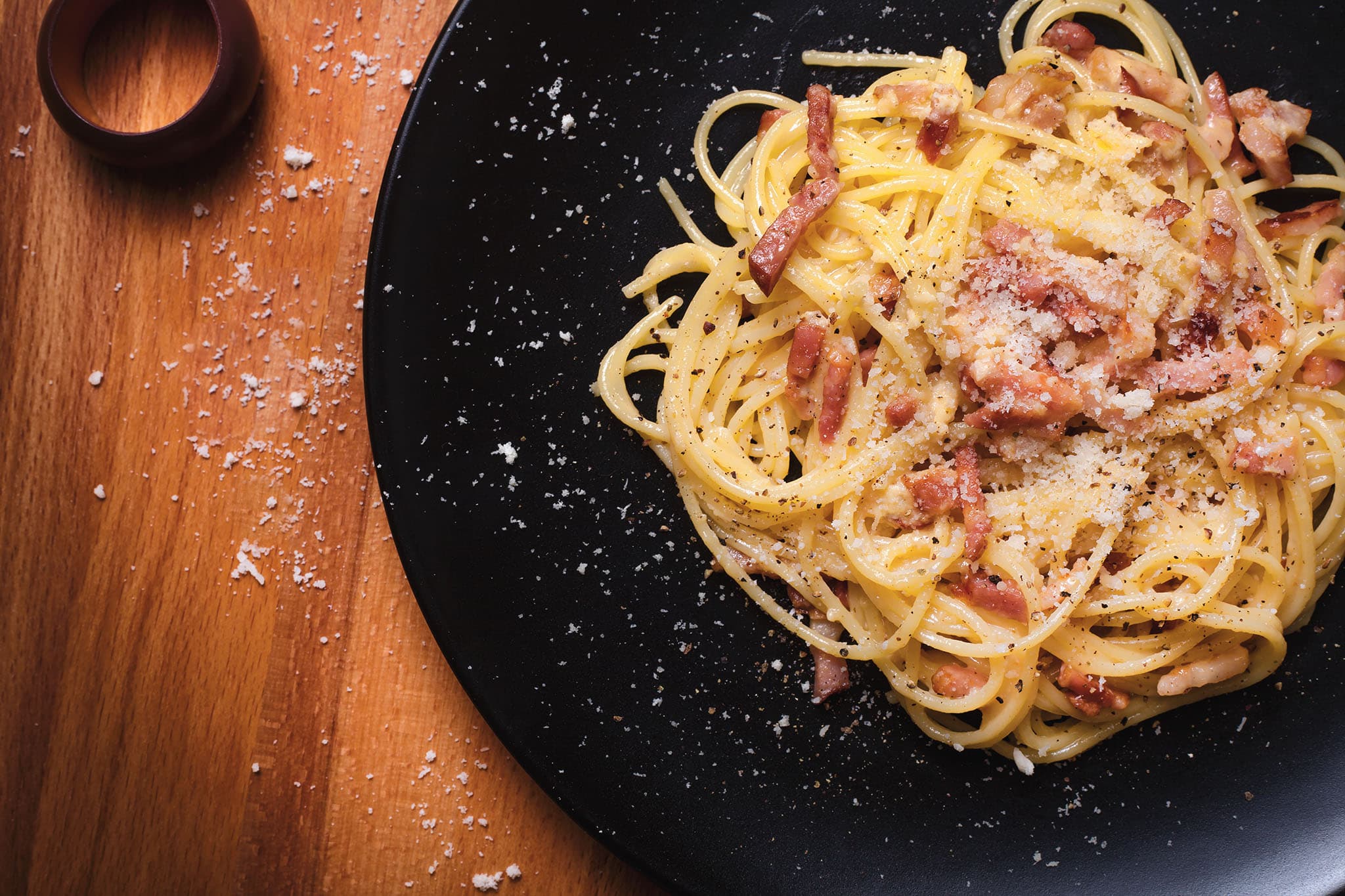
Top 10 Greatest Italian Pasta Dishes
228 views · 0 votes

Top 10 Street Food Destinations in Southeast Asia
232 views · 0 votes
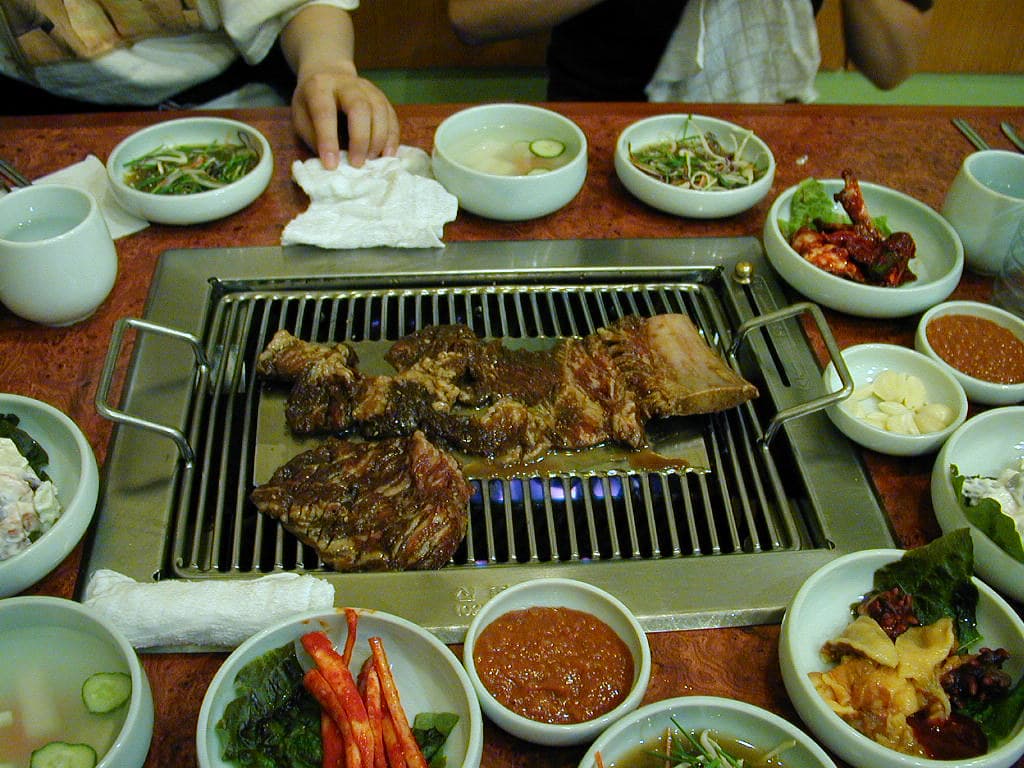
Top 10 Korean BBQ Restaurants in Seoul 2026
307 views · 0 votes

Top 10 Best Store-Bought BBQ Sauces for Summer 2026 Grilling
326 views · 0 votes
Top 10 Izakaya in Shinjuku 2026
327 views · 0 votes
You might also like
FOODSame type
Top 10 Street Food Cities That Destroy Michelin Stars
10 items
FOODSame type
Top 10 Easter Foods From Around the World in 2026
10 items
FOODSame type
Top 10 Budget Meals That Feed a Family of Four for Under $10
10 items
FOODSame type
Top 10 Meal Prep Containers and Systems That Actually Work (2026)
10 items
FOODSame type
Top 10 Fast Food Menu Items That Became Cultural Phenomena
10 items
FOODSame type
10 Best Cooking YouTube Channels in 2026 for Home Cooks
10 items