




Wikimedia Commons
Brand / Company
Top 10 Geopolitical Forces Reshaping Energy Markets in 2026
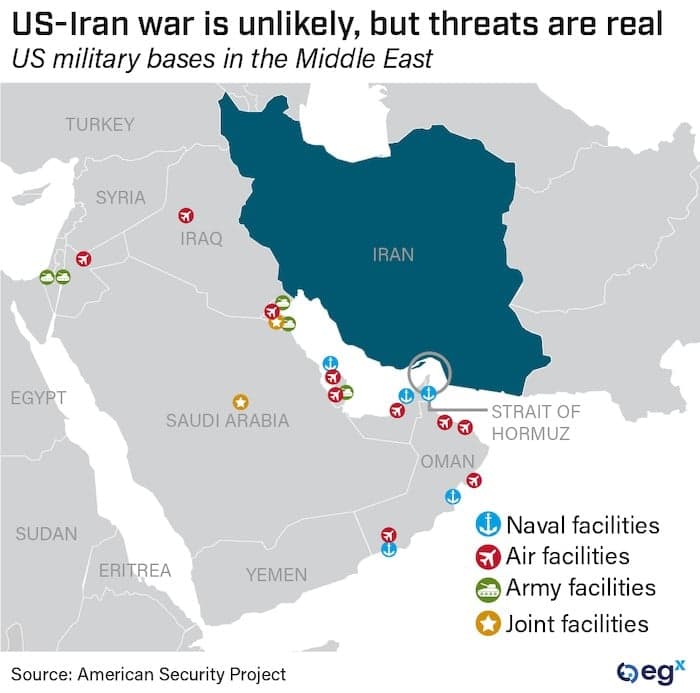
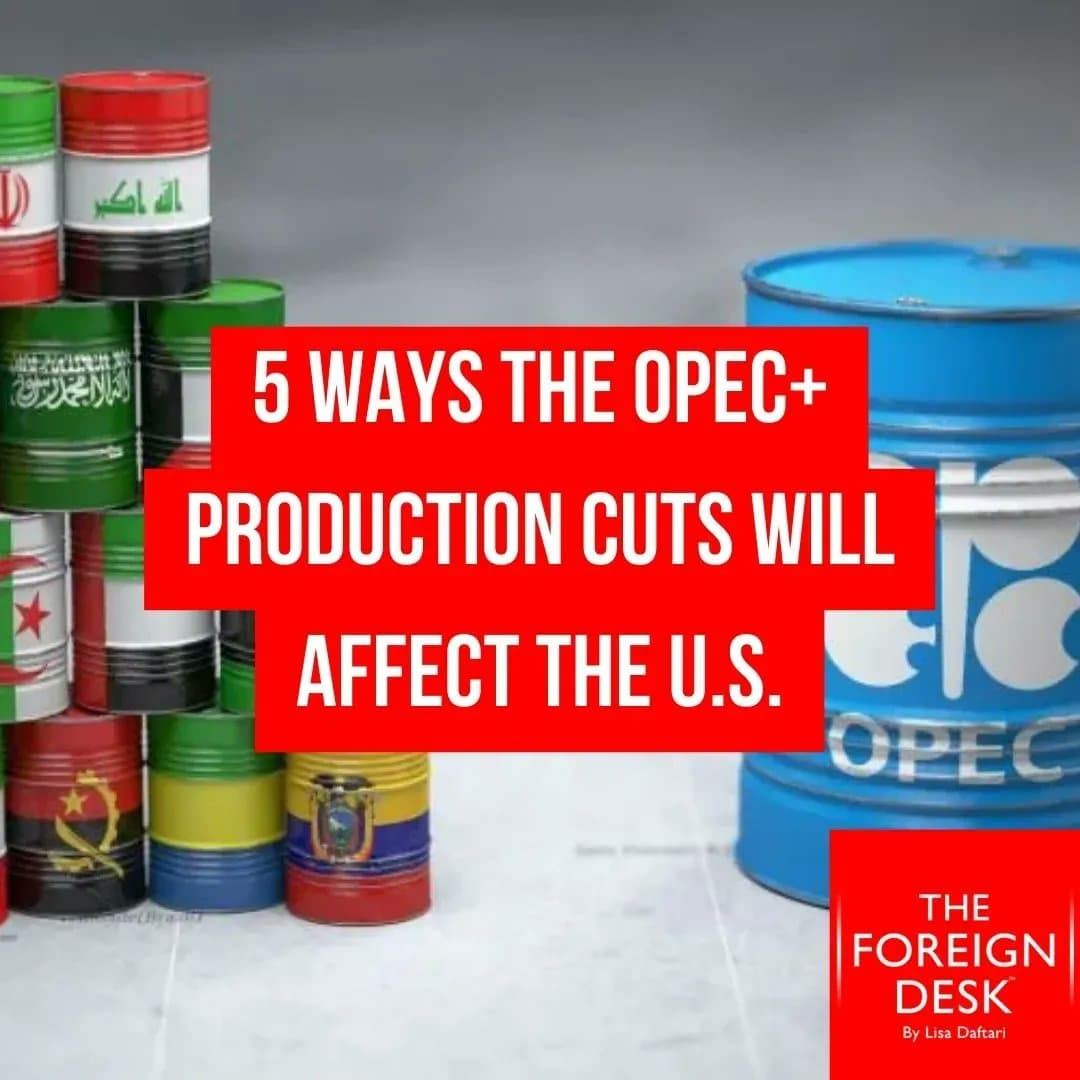
Oil hit $100/barrel again in March 2026, and the reasons read like a geopolitical thriller: Iran tensions, Russia sanction reversals, OPEC+ power plays, and a clean energy transition that is simultaneously too fast and too slow. Energy markets are where economics, war, and climate collide in real-time. These are the 10 forces that determine whether you pay $3 or $6 at the pump — and whether the planet survives the century.
2026117 views
Top10Grid rankings are decided by votes, not algorithms — use the buttons below to move this list.
Current Rankings
Vote items up or down — rankings update instantly
Get the weekly finance rundown
Only lists published since the last email. Join the early readers.
- Only Top 10s published in the last 7 days
- One email a week — and none at all in a week with nothing new
- Unsubscribe in one click
No spam. One email per week. Unsubscribe anytime.
Readers Also Ranked
More Lists Like This

Top 10 European Reinsurers by Net Premium Written
- #1Munich Re
- #2Swiss Re
- #3Hannover Re

Top 10 US Venture Capital Firms by Portfolio Value
- #1Sequoia Capital
- #2General Atlantic
- #3Insight Partners

Top 10 CoinGecko — Top Cryptocurrencies — August 10, 2026
- #1Bitcoin (BTC)
- #2Ethereum (ETH)
- #3Tether (USDT)

Top 10 Best Health Insurance Plans in Hong Kong
- #1BUPA Gold Health Plan
- #2AIA Premier Health
- #3Allianz Prestige Health
Frequently asked questions
What are the main geopolitical forces reshaping energy markets in 2026?
Key forces include the Russia-Ukraine conflict's lingering supply disruptions, U.S.-China trade and technology rivalry over clean energy, OPEC+ production strategies, the European Union's accelerated green transition, and the rise of energy alliances like the Global South's resource nationalism.
How do geopolitical tensions affect energy prices and supply security in 2026?
Tensions can trigger price spikes by disrupting key transit routes (e.g., Strait of Hormuz, Red Sea) and causing sanctions on major producers, while importing nations diversify suppliers and build strategic reserves to mitigate supply risks.
Which countries are most influential in shaping energy market geopolitics in 2026?
The United States, China, Russia, Saudi Arabia, and the European Union (collectively) hold the most influence through their roles as top producers, consumers, or policy setters in renewable energy, oil, and gas markets.
How should investors adjust their strategies to geopolitical shifts in energy markets?
Investors should diversify across fossil fuels and renewables, monitor sanctions and trade policies, and favor companies with resilient supply chains and operations in politically stable regions.
Will the 2026 geopolitical forces accelerate or slow down the renewable energy transition?
They will accelerate it in most regions, as energy security concerns and economic incentives push governments to reduce dependence on imported fossil fuels and invest heavily in domestic renewables like solar and wind.
Discussion
Have a take on this ranking?
Comments are how the argument actually happens here. Posting one needs a free account — it takes about a minute.
No comments yet.
The first comment sets the terms of the argument.
Would your top 10 look different?
Publish your own ranking of this topic. Your list gets its own page, and readers vote on it the same way you just voted on this one.
Build your own Top 10More Brands Rankings
6
Top 10 African Fashion Designers
137 views · @admin
Essential Christian Marriage and Family Resources (2026 Guide)
137 views · @admin

Top 10 European Sovereign Cloud Providers in 2026 (GDPR-Ready)
138 views · @admin

Top 10 European Sovereign Wealth Funds
138 views · @admin

Top 10 Most Iconic Luxury Fashion Brands of All Time
138 views · @admin
Top 10 European Material Science and Advanced Manufacturing Companies
139 views · @admin
You might also want to rank…
 Top 10 Most Expensive Cities in the World 2025 (Cost of Living Rankings)
 Top 10 Highest Interest Savings Accounts in Hong Kong May 2026
 Top 10 European Private Equity Firms Dominating 2026 (Ranked by AUM)
 Top 10 Best USD Time Deposit Rates in Hong Kong (2026)
Explore more Finance rankings on Top10Grid
People Also Explore
Because you're viewing Finance

Top 10 Best Budgeting Apps of 2026
110 views · 0 votes

Top 10 Best Credit Cards for Low Annual Fees in Hong Kong
110 views · 0 votes

Top 10 Best Robo-Advisors 2026
110 views · 0 votes

Top 10 Money Mistakes That Keep Most People Broke — And How to Stop Making Them
110 views · 0 votes

Top 10 CoinGecko — Top Cryptocurrencies — May 15, 2026
111 views · 0 votes

Top 10 CoinGecko — Top Cryptocurrencies — May 16, 2026
111 views · 0 votes
You might also like
FINANCESame type
Top 10 Best Dividend Stocks
10 items

FINANCESame type
Top 10 Best Investment Strategies for 2026
10 items

FINANCESame type
Top 10 Best Savings Accounts of 2026
10 items

FINANCESame type
Top 10 Most Valuable Companies in the World 2026
10 items

FINANCESame type
Top 10 Side Hustles That Actually Pay in 2026
10 items
FINANCESame type
Top 10 Best Credit Cards of 2026
10 items