





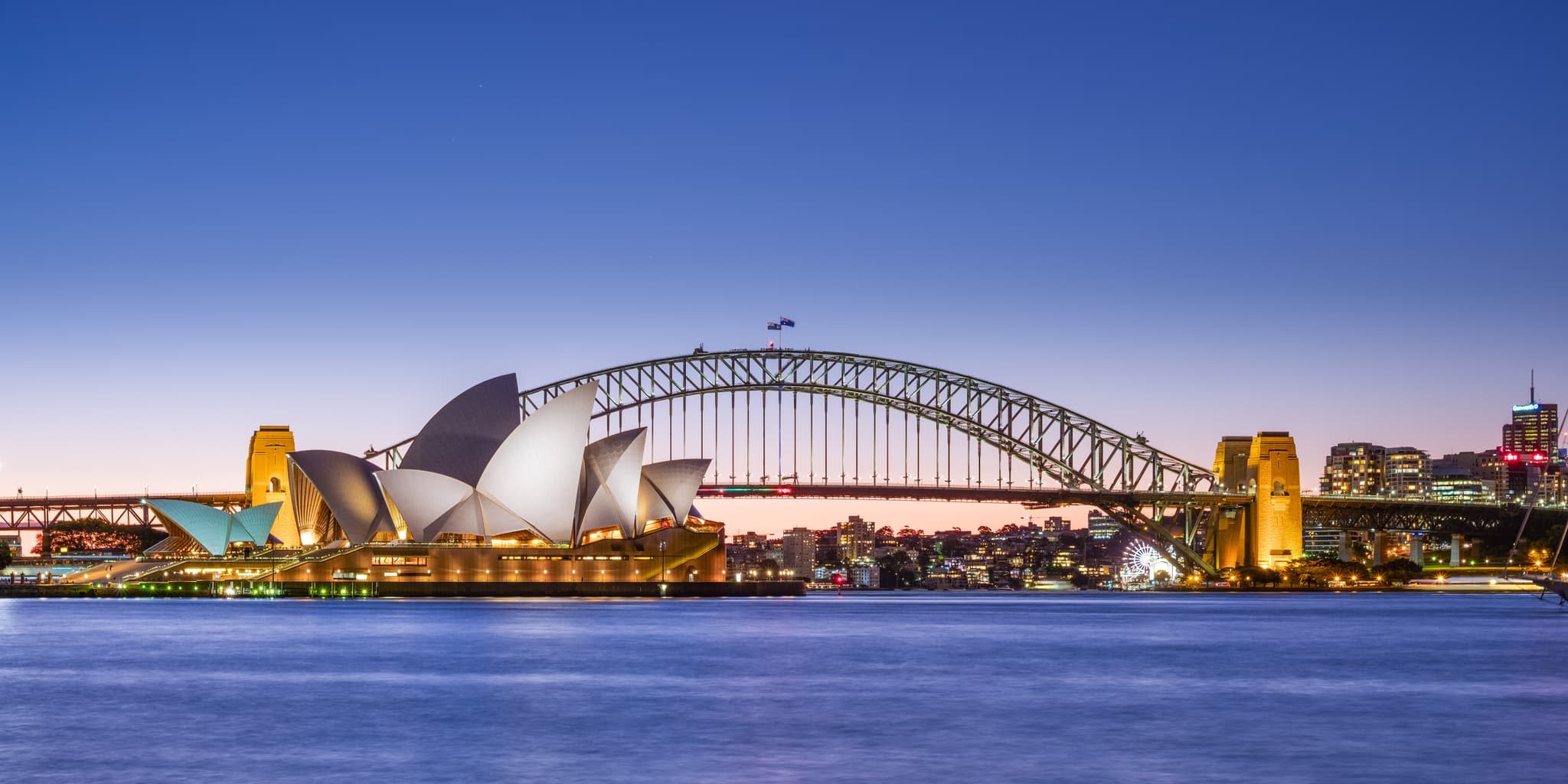


Me in ME / flickr (BY)
City
Top 10 Most Expensive Cities in the World 2025 (Cost of Living Rankings)
The EIU (Economist Intelligence Unit) and Mercer Cost of Living Survey annually rank global cities by the cost of a standardized basket of goods, services, and housing. In 2025, persistent inflation, currency dynamics, and post-pandemic urban demand kept living costs elevated across global financial hubs. Singapore and Zurich tied or alternated at #1 across both surveys, while New York and London remain the priciest English-speaking hubs. The following ranking blends the EIU Worldwide Cost of Living 2025 and Mercer's 2024 survey to show where expats and locals face the steepest expenses.
2026381 views
Top10Grid rankings are decided by votes, not algorithms — use the buttons below to move this list.
Place
Top 10 lists about this destination
Current Rankings
Vote items up or down — rankings update instantly
Get the weekly finance rundown
Only lists published since the last email. Join the early readers.
- Only Top 10s published in the last 7 days
- One email a week — and none at all in a week with nothing new
- Unsubscribe in one click
No spam. One email per week. Unsubscribe anytime.
Key Insights from 2025 Rankings
#### Why Are These Cities So Expensive?
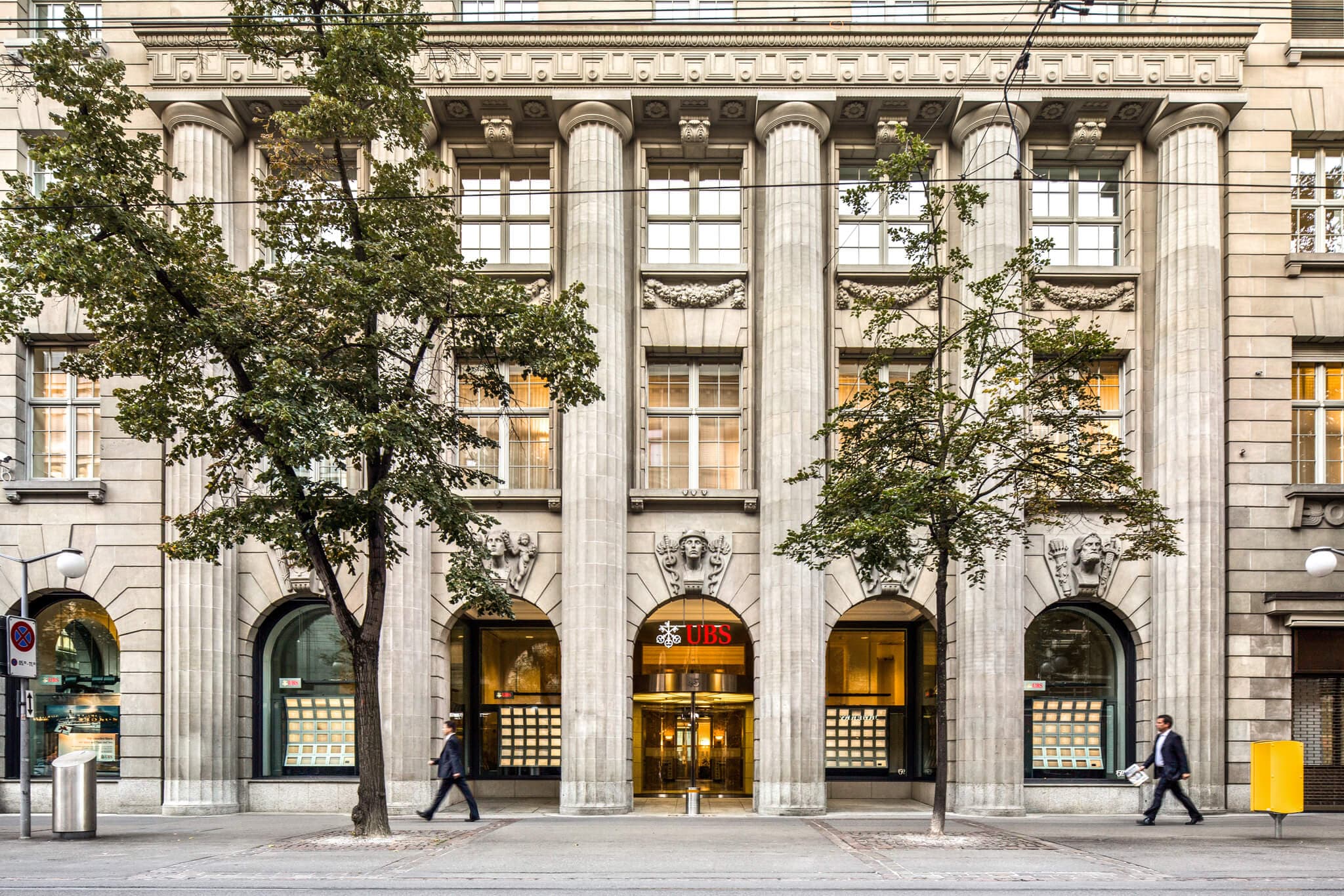
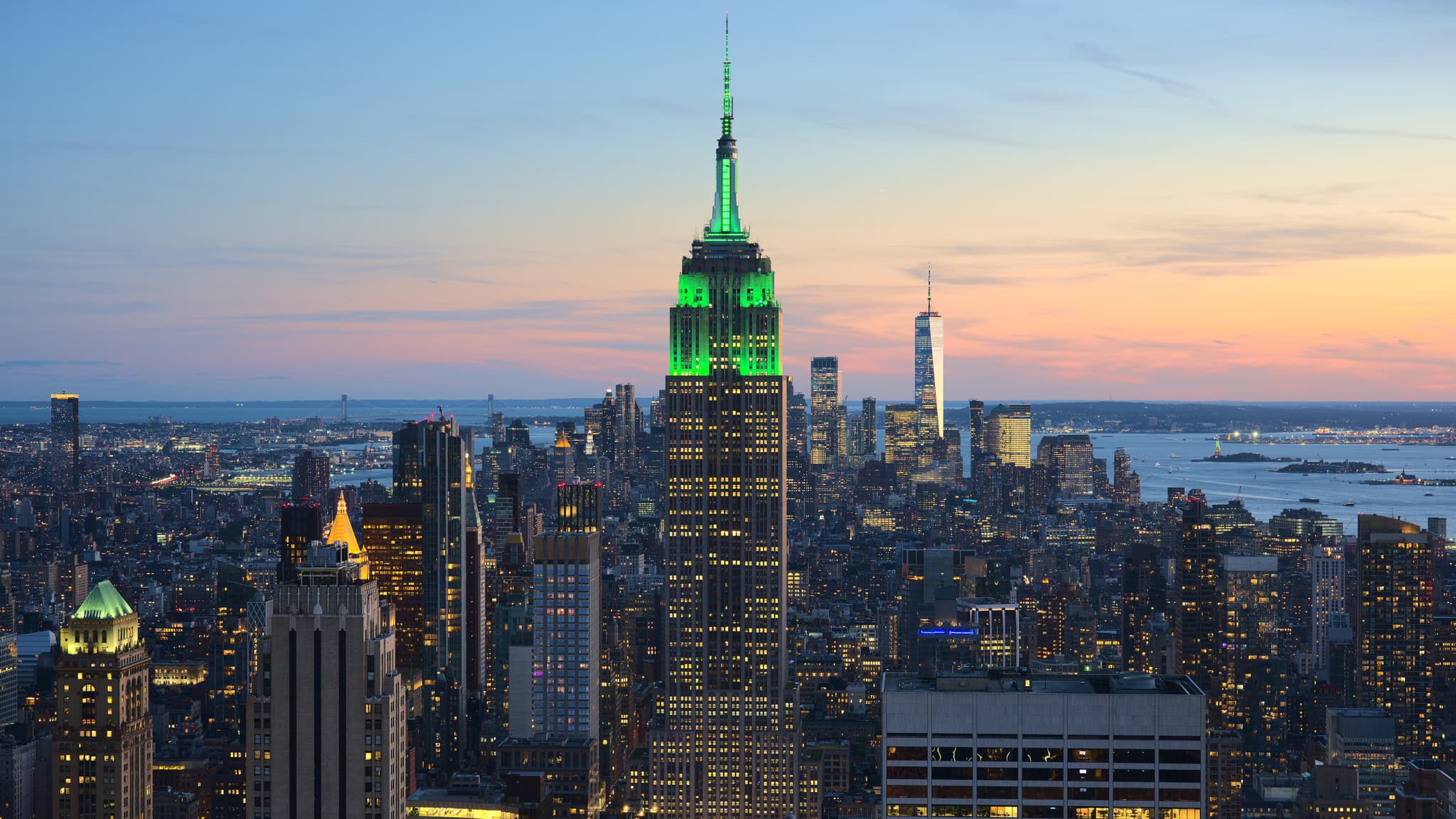
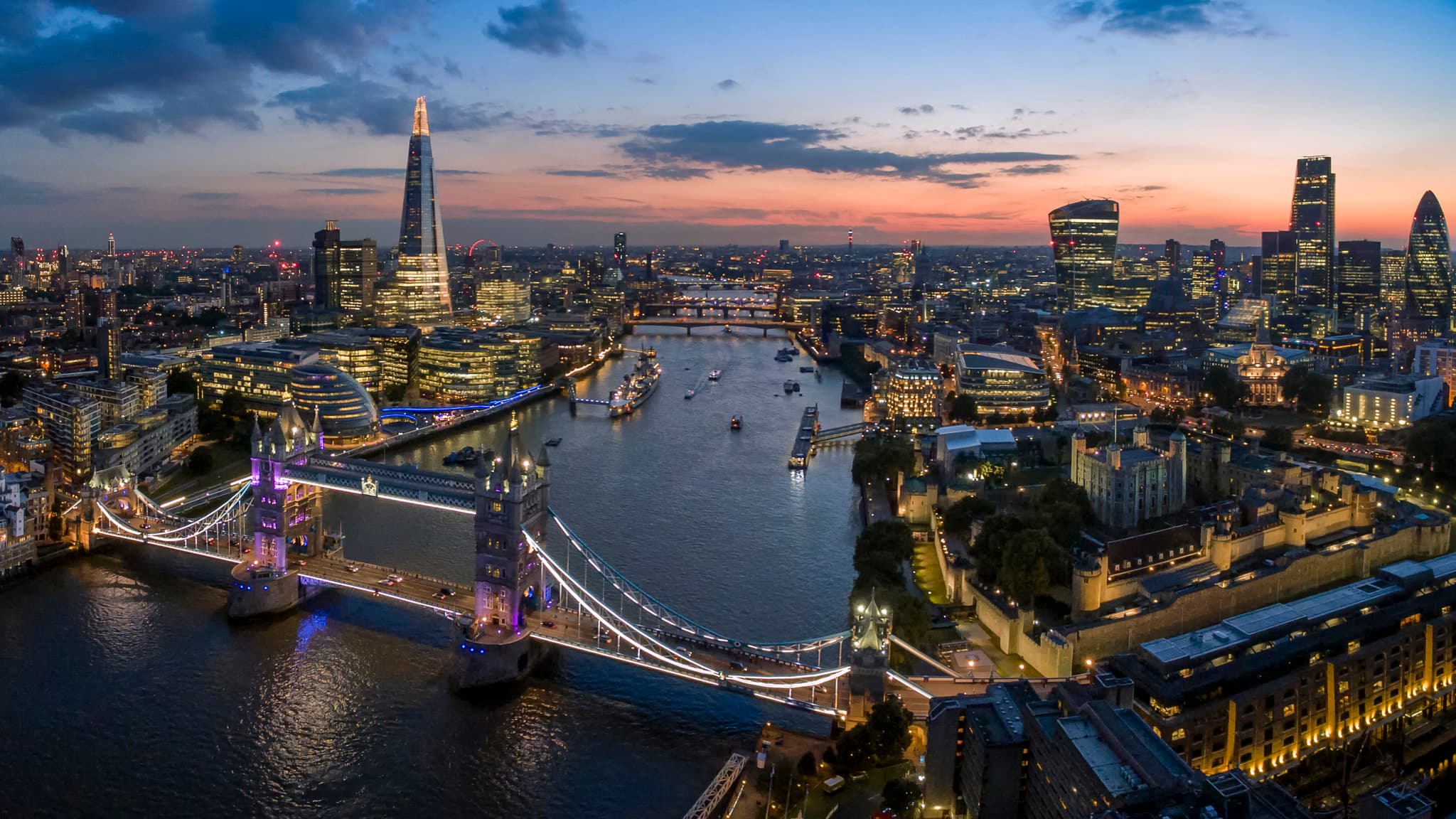
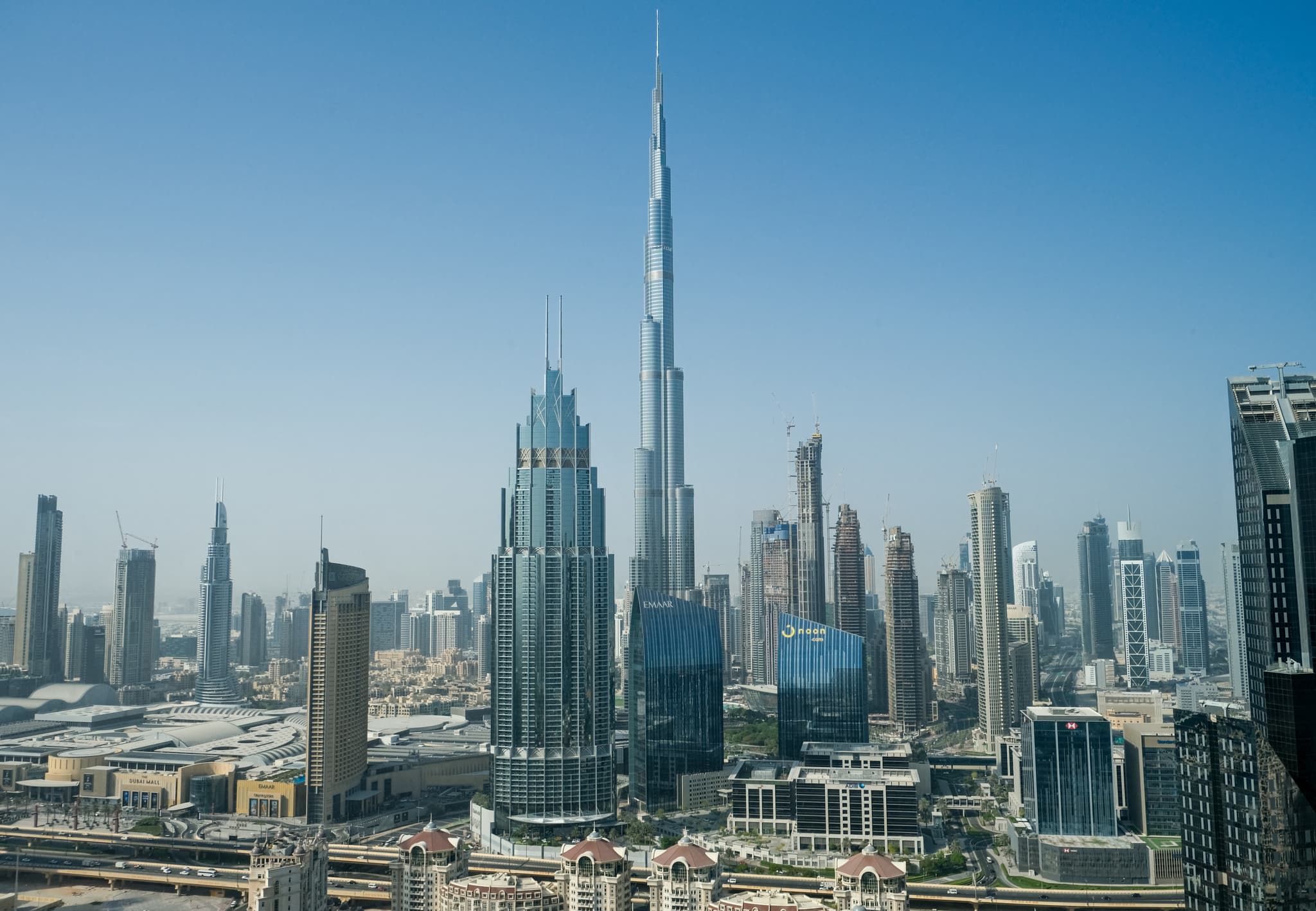
Singapore & Zurich#1 positioning reflects infrastructure quality, international business hubs, and safe harbor status for global workers. Hong Kong maintains high costs despite emigration trends due to financial sector density. New York & London continue premium pricing driven by media/finance concentration. Dubai's tax advantages attract wealthy expats while Sydney's lifestyle premium sustains costs despite remote work flexibility.
*Data sourced from EIU Worldwide Cities Ranking and Mercer Cost of Living Survey 2025.*
How surveys like this one are actually built
Cost-of-living indexes such as the Mercer and EIU surveys referenced in this list's description work by pricing a standardized basket of goods and services — housing, groceries, transport, utilities, entertainment — in each city and comparing the total. They are built primarily around the experience of relocating expatriates and international assignees, which is why premium, internationally-branded goods and centrally located rental housing are weighted heavily. A resident who has lived in a city for years, shops at local markets, and lives outside the most expensive districts often experiences meaningfully lower costs than the survey basket implies.
Why 'most expensive' and 'least affordable' can mean very different things
Several cities on this list combine extreme prices with correspondingly high local salaries — Zurich and Singapore both pair steep costs with strong average incomes that offset a meaningful share of the burden for local professionals. Others carry high costs without that same wage cushion for a large share of residents, which is a very different lived experience even at a similar survey ranking. Treating this list as a pure expense ranking, separate from local income levels, gives a more accurate read on what it actually costs to live comfortably in each place.
What separates a financial-hub cost structure from a lifestyle-city one
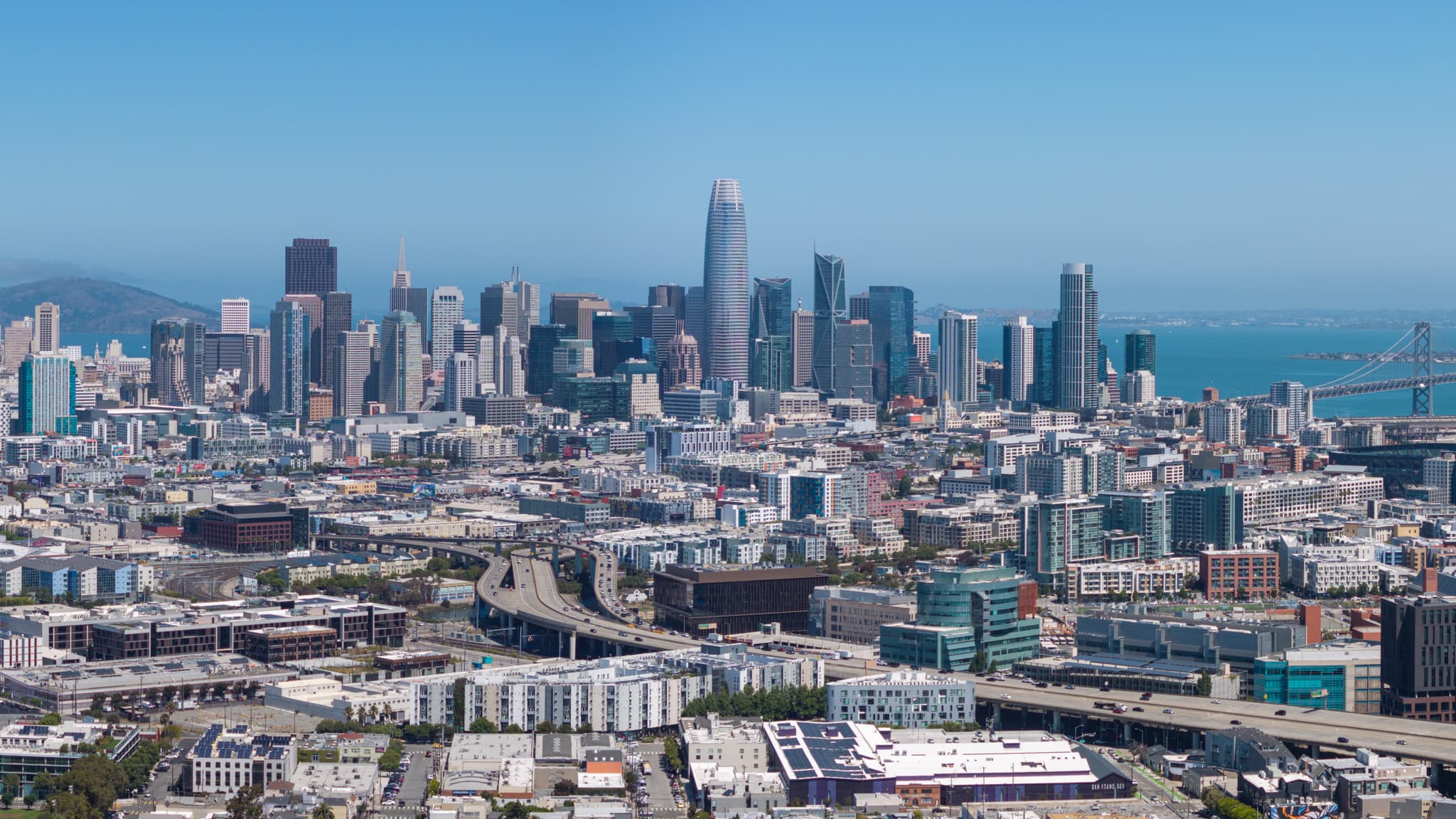
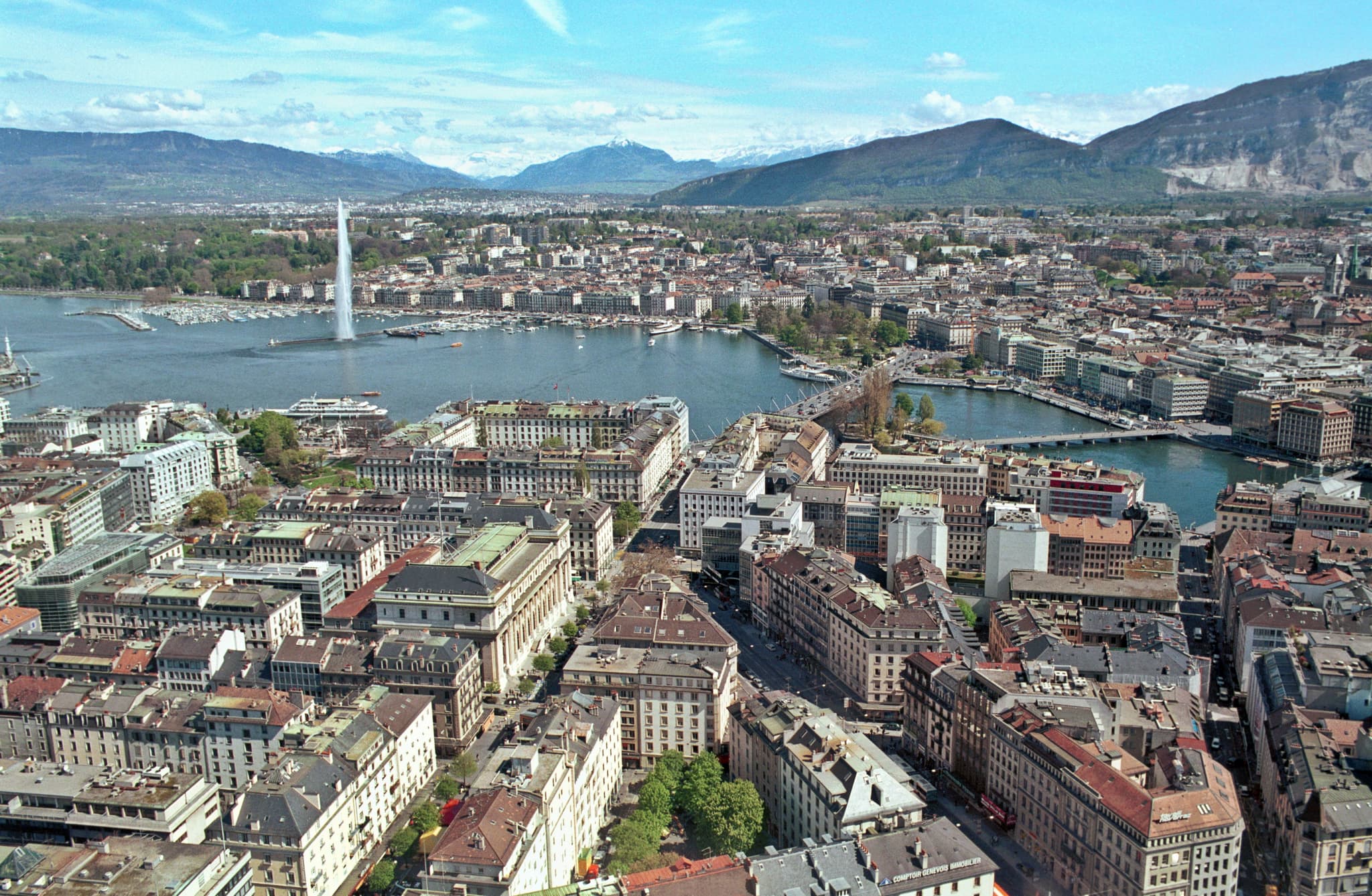
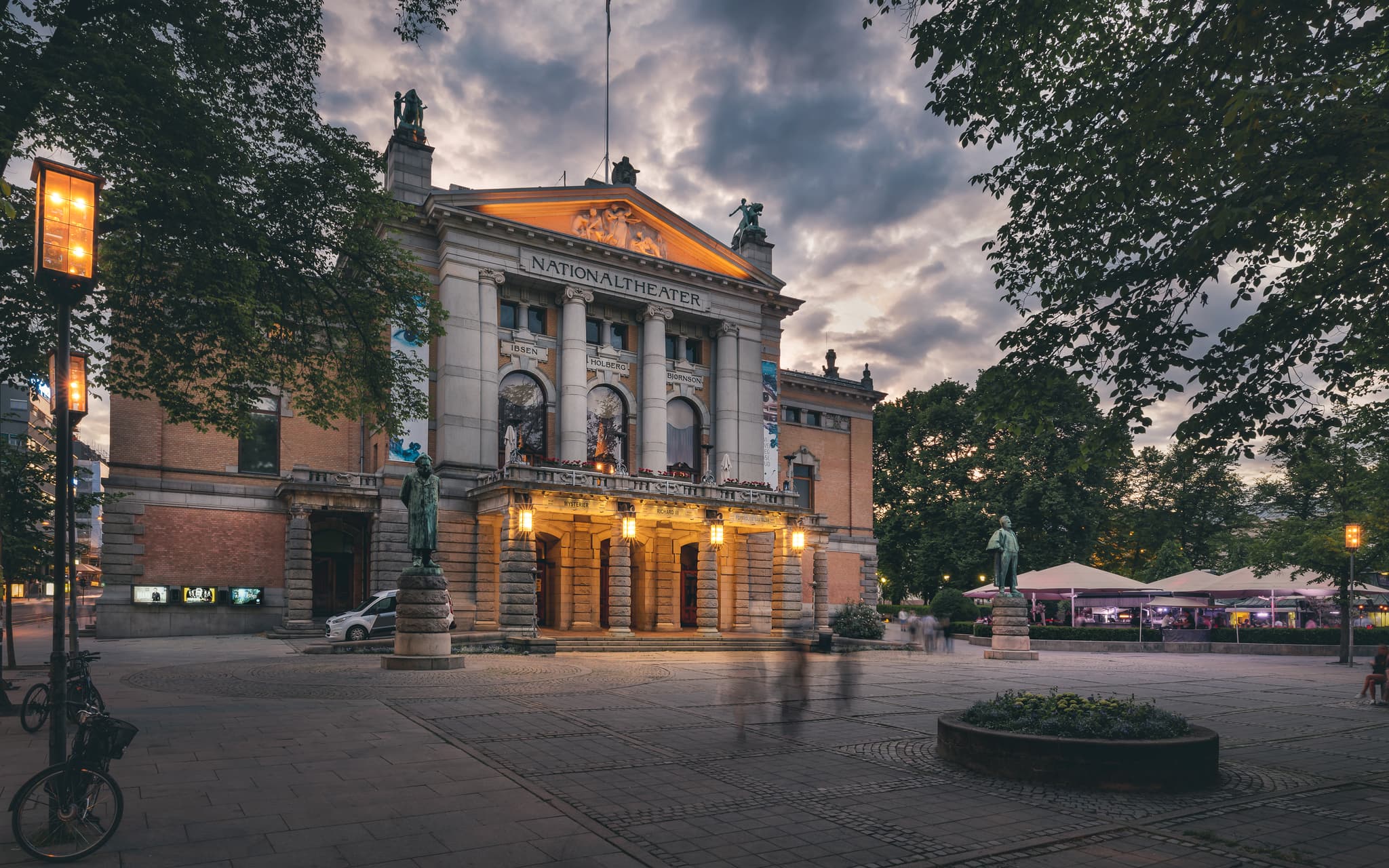
The cities here cluster into a few distinct cost drivers. Singapore, Hong Kong, and Zurich are priced primarily by their role as financial centers with severely constrained housing supply. Geneva's costs are driven heavily by its concentration of international organizations and an unusually wealthy expatriate population. San Francisco and New York are shaped by tech- and finance-sector income concentration colliding with housing scarcity. Sydney and Oslo lean more on lifestyle and resource-wealth premiums than on financial-sector density. Knowing which driver is pushing a given city's costs up says more about whether that city will stay expensive than the ranking position alone.
Readers Also Ranked
More Lists Like This

Top 10 CoinGecko — Top Cryptocurrencies — August 30, 2026
- #1Bitcoin (BTC)
- #2Ethereum (ETH)
- #3Tether (USDT)
Top 10 CoinGecko — Top Cryptocurrencies — August 27, 2026
- #1Bitcoin (BTC)
- #2Ethereum (ETH)
- #3Tether (USDT)
Top 10 CoinGecko — Top Cryptocurrencies — August 25, 2026
- #1Bitcoin (BTC)
- #2Ethereum (ETH)
- #3Tether (USDT)
Top 10 CoinGecko — Top Cryptocurrencies — August 29, 2026
- #1Bitcoin (BTC)
- #2Ethereum (ETH)
- #3Tether (USDT)
Frequently asked questions
Which cities are typically included in the top 10 most expensive cities to live in for 2025?
Commonly cited cities include Hong Kong, Singapore, Zurich, Geneva, New York City, Los Angeles, London, Tokyo, Shanghai, and Seoul, though rankings vary by survey.
What factors determine a city's cost of living ranking?
Rankings are based on a basket of goods and services, including housing, transportation, food, utilities, and healthcare, often weighted toward expatriate spending patterns.
How does housing cost influence the overall ranking in 2025?
Housing typically carries the highest weight in cost-of-living indexes, so cities with soaring rents and property prices tend to rank among the most expensive.
Are these rankings based on local residents or expatriates?
Most major indexes, such as Mercer and EIU, focus on expatriate cost of living, but the data reflects general price levels that affect both locals and international workers.
How do 2025 rankings differ from previous years?
Currency fluctuations, inflation, and post-pandemic demand shifts have moved cities like Singapore and Zurich higher, while some North American and European cities have gained ground due to rising rents and strong currencies.
Discussion
Have a take on this ranking?
Comments are how the argument actually happens here. Posting one needs a free account — it takes about a minute.
No comments yet.
The first comment sets the terms of the argument.
Would your top 10 look different?
Publish your own ranking of this topic. Your list gets its own page, and readers vote on it the same way you just voted on this one.
Build your own Top 10More Cities Rankings
6
Top 10 Mexican Colonial Cities
131 views · @admin
Top 10 Most Expensive Cities for Shopping in the World (Surprising #1!)
131 views · @admin

Top 10 Netherlands Cities to Visit in 2026
139 views · @admin
Top 10 Eastern European Cities for Digital Nomads
140 views · @admin
Top 10 Hidden Gem Cities to Visit in Europe
140 views · @admin

Top 10 Most Visited Cities in the World
153 views · @admin
You might also want to rank…
 Top 10 Best High-Yield Savings Accounts in Hong Kong
 Top 10 Cryptocurrencies by Market Cap — March 22, 2026
 Top 10 Cryptocurrencies by Market Cap from CoinGecko - April 7, 2026
 Top 10 European Impact Investing Companies
Explore more Finance rankings on Top10Grid
People Also Explore
Because you're viewing Finance

Top 10 US Mobile Banking Apps 2026
223 views · 0 votes

Top 10 CoinGecko — Top Cryptocurrencies — May 17, 2026
224 views · 0 votes

Top 10 CoinGecko — Top Cryptocurrencies — March 14, 2026
224 views · 0 votes

Top 10 US Payment Processors Ranked by Transaction Volume (2024)
225 views · 0 votes

Top 10 US Disability Insurance Providers in 2024 (Group & Individual DI)
229 views · 0 votes

Top 10 CoinGecko — Top Cryptocurrencies — March 17, 2026
230 views · 0 votes
You might also like
FINANCESame category
Top 10 Countries Where Your Money Goes 3x Further in 2026 — The Ultimate Cost-of-Living Rankings
10 items
FINANCESame category
Top 10 Fastest-Growing Economies in 2026 (IMF Projections)
10 items

FINANCESame category
Top 10 Most Controversial Crypto Projects
10 items

FINANCESame category
Crypto vs Traditional Investment: The 10 Most Debated Topics in Finance
10 items
FINANCESame category
Top 10 US Mortgage Lenders by Origination Volume
10 items
FINANCESame category
Top 10 US Title Insurance Companies
10 items