













Top 10 European Microinsurance Programs
Microinsurance — low-premium, low-limit coverage designed for low-income populations and the underserved — has expanded dramatically in Europe's development finance orbit, with EU-backed programmes reaching 100M+ beneficiaries globally and new domestic schemes targeting refugee communities, gig workers, and rural smallholders. The European Commission's 2025 Financial Inclusion Strategy explicitly mandates that microinsurance access be incorporated into the EU's development cooperation agenda, unlocking €500M in blended finance for market-building initiatives. Mobile distribution, embedded bancassurance, and parametric triggers have proven the most effective microinsurance delivery mechanisms, dramatically reducing distribution costs and making unit economics viable. This list ranks the leading European-linked microinsurance innovators by policyholder reach, innovation, and impact.
2026161 views
Top10Grid rankings are decided by votes, not algorithms — use the buttons below to move this list.
Current Rankings
Vote items up or down — rankings update instantly
Get the weekly finance rundown
Only lists published since the last email. Join the early readers.
- Only Top 10s published in the last 7 days
- One email a week — and none at all in a week with nothing new
- Unsubscribe in one click
No spam. One email per week. Unsubscribe anytime.
Frequently Asked Questions About Microinsurance in Europe
What is microinsurance? Microinsurance is low-cost insurance designed for people with low or irregular incomes — such as gig workers, smallholder farmers, and refugees — who are typically excluded from mainstream insurance. Small premiums keep it accessible.
Are any of these programmes available to me in Europe? Yes. MutualAid eXchange (MAX) and BIMA both serve European markets directly. Others operate globally using European funding or technology. Check each programme's linked website for availability in your country.
How were these 10 programmes chosen? They were selected by reach (policyholders served), innovation (delivery model), and connection to European capital or regulation — covering the widest range of approaches from mobile platforms to parametric crop insurance.
Which programme do you think has the most impact? Cast your vote above — one click, no sign-up needed. You'll help the Top10Grid community surface the most trusted microinsurance options worldwide.
Frequently Asked Questions
What is microinsurance? Microinsurance is insurance with small premiums and small payouts, designed for people with low or irregular incomes who are usually skipped by regular insurance companies.
Why are European firms on a list that includes African and Asian providers? Because several of these companies are founded or funded in Europe. LeapFrog is based in London, MicroEnsure in the UK, BIMA in Stockholm, and Blue Marble was set up by European insurers such as AXA, Zurich and Munich Re — even when the policyholders live in Africa or Asia.
How is a 'program' different from a 'company'? In this list a program means a specific product, partnership or scheme run by a larger company — for example ACRE Africa's TAKAFUL crop-and-loan bundle, or the Lemonade Foundation's subsidized premiums.
Is this list ranked from best to worst? No. The order reflects the editorial mix of European-backed microinsurance activity and is not a scoreboard.
Readers Also Ranked
More Lists Like This

Top 10 Best Side Hustles for Introverts in 2026 — Earn More Without People-Draining Work
- #1Freelance Writing and Content Creation
- #2Programming and Software Development
- #3Data Analysis and Visualization

Top 10 German Banking Giants
- #1Deutsche Bank
- #2Commerzbank
- #3DZ Bank

Top 10 Most Successful CEOs of 2025
- #1Jensen Huang
- #2Tim Cook
- #3Satya Nadella
Top 10 UK FinTech Companies 2026
- #1Revolut
- #2Wise
- #3Monzo
Frequently asked questions
What is microinsurance and how does it differ from traditional insurance in Europe?
Microinsurance provides affordable, low-premium coverage tailored to low-income individuals and small businesses, often with simplified claims processes, whereas traditional insurance typically targets higher-income segments with broader coverage and higher costs.
Who can apply for microinsurance programs in Europe?
Most European microinsurance programs are designed for underserved populations, including low-wage workers, freelancers, migrants, and small-scale farmers or entrepreneurs who may not qualify for standard insurance.
What types of risks do European microinsurance programs commonly cover?
Typical coverage includes health emergencies, accidental death or disability, crop or livestock loss, property damage from natural disasters, and sometimes life insurance, all with low premiums and basic benefits.
Are European microinsurance programs regulated uniformly across the EU?
No, regulation varies by country; some nations treat microinsurance under standard insurance laws with simplified compliance, while others have specific microinsurance frameworks, but all must adhere to basic EU consumer protection directives.
Discussion
Have a take on this ranking?
Comments are how the argument actually happens here. Posting one needs a free account — it takes about a minute.
No comments yet.
The first comment sets the terms of the argument.
Would your top 10 look different?
Publish your own ranking of this topic. Your list gets its own page, and readers vote on it the same way you just voted on this one.
Build your own Top 10You might also want to rank…
 Top 10 Best Real Estate Markets 2026
 Top 10 Cryptocurrencies by Market Cap — CoinGecko Rankings — May 11, 2026
 Top 10 Most Debated: Rent vs Buy
 Top 10 Most Overrated Tax Strategies
Explore more Finance rankings on Top10Grid
People Also Explore
Because you're viewing Finance

Top 10 Cryptocurrencies by Market Cap (CoinGecko Rankings, March 16, 2026)
139 views · 0 votes
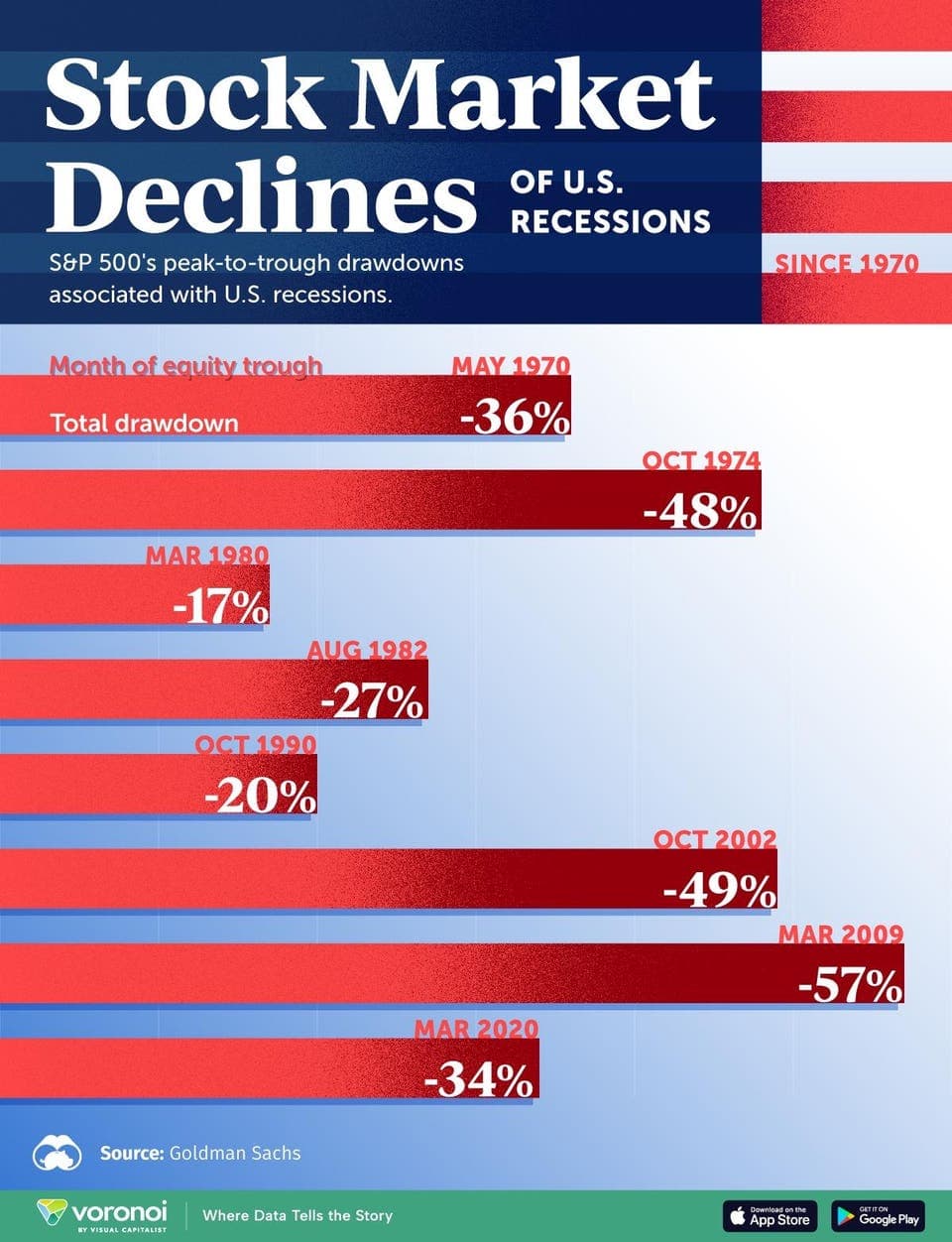
Top 10 US Stock Market Crashes and Recoveries in History
139 views · 0 votes

Top 10 CoinGecko — Top Cryptocurrencies — April 4, 2026
140 views · 0 votes

Top 10 ECB Policy Milestones That Shaped the Euro
140 views · 0 votes
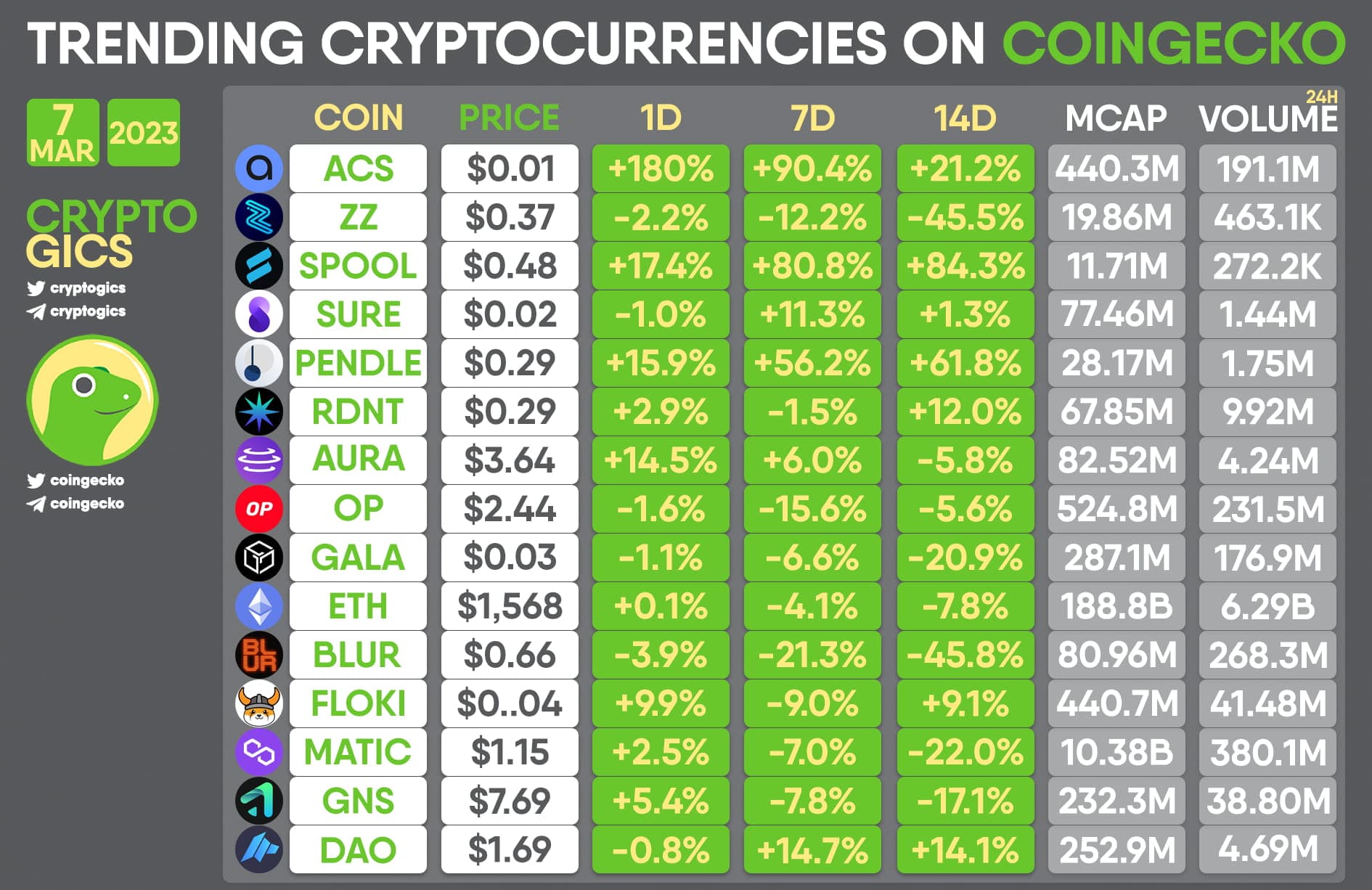
Top 10 Cryptocurrencies by Market Cap — March 24, 2026
141 views · 0 votes

Top 10 European Blockchain Finance Companies
142 views · 0 votes
You might also like
FINANCESame type
Top 10 European Pension Insurance Products
10 items

FINANCESame type
Top 10 European Health Insurance Providers
10 items
FINANCESame type
Top 10 European Insurance Regulations That Reshaped the Industry (2011–2025)
10 items

FINANCESame type
Top 10 European Reinsurers by Net Premium Written
10 items

FINANCESame type
Top 10 European Parametric Insurance Products
10 items

FINANCESame type
Top 10 European Specialty Insurance Markets
10 items