








Top 10 US FinTech M&A Deals Reshaping Finance
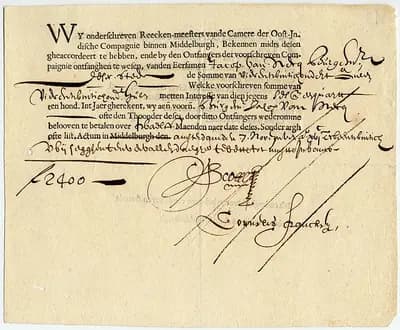
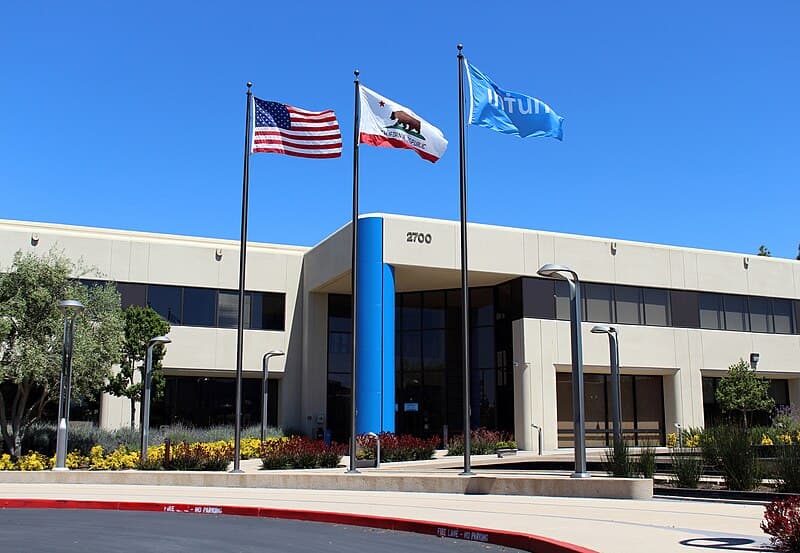
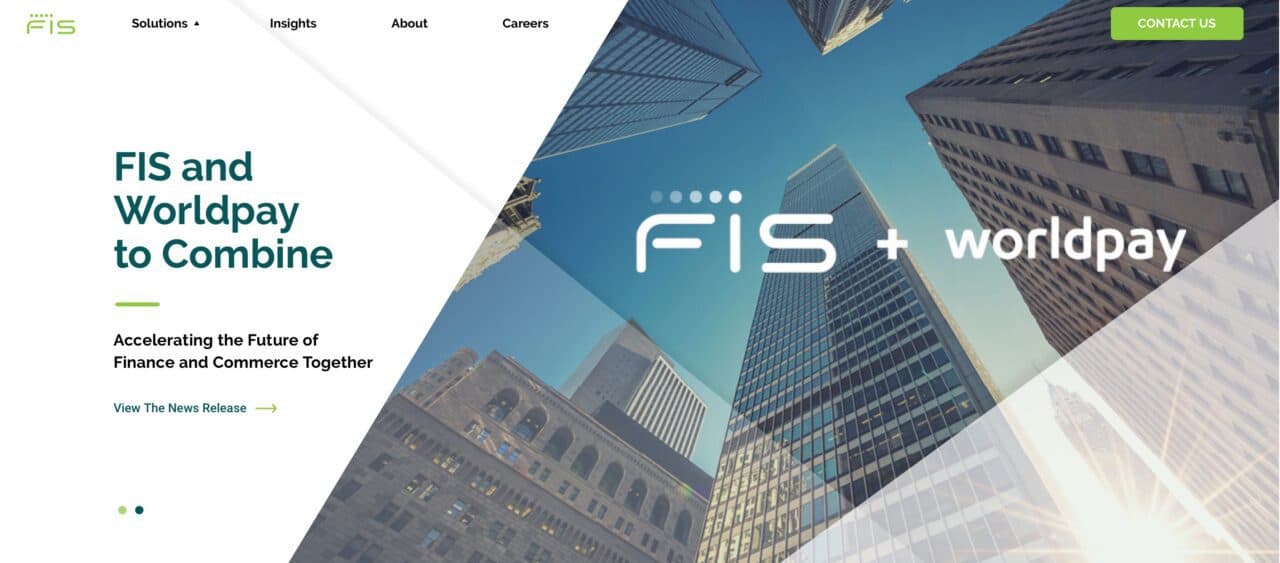
The US FinTech M&A landscape has produced some of the most transformative deals in financial history, rewriting the competitive map for payments, lending, and wealth management. From Stripe's $65 billion private valuation to Block's $29 billion Afterpay acquisition, these transactions illustrate the relentless consolidation as traditional incumbents and FinTech disruptors race to own critical financial infrastructure. The 2025-2026 cycle has been defined by AI-driven fraud detection acquisitions, embedded finance roll-ups, and cautionary reversals like FIS/Worldpay. Each deal reshaped how hundreds of millions of Americans borrow, pay, and invest.
Location: US2026161 views
Top10Grid rankings are decided by votes, not algorithms — use the buttons below to move this list.
Current Rankings
Vote items up or down — rankings update instantly
Get the weekly finance rundown
Only lists published since the last email. Join the early readers.
- Only Top 10s published in the last 7 days
- One email a week — and none at all in a week with nothing new
- Unsubscribe in one click
No spam. One email per week. Unsubscribe anytime.
Frequently Asked Questions About US FinTech M&A Deals
What does M&A mean? M&A stands for mergers and acquisitions. A merger is when two companies combine into one; an acquisition is when one company buys another. In financial technology, companies often do this to quickly gain new customers or technology instead of building them from scratch.
Which deal on this list was the largest? S&P Global's $44 billion merger with IHS Markit was the largest completed transaction on this list, closely followed by FIS acquiring Worldpay for $43 billion — though FIS later sold a majority stake in Worldpay, making it one of the most notable deal reversals in FinTech history.
Why do big banks and payment companies buy FinTech startups? Financial services process trillions of dollars each year, so even a small technology edge is worth billions. Acquiring a proven startup is often faster and cheaper than building the same capability in-house, especially in fast-moving areas like fraud detection, buy-now-pay-later, and open banking.
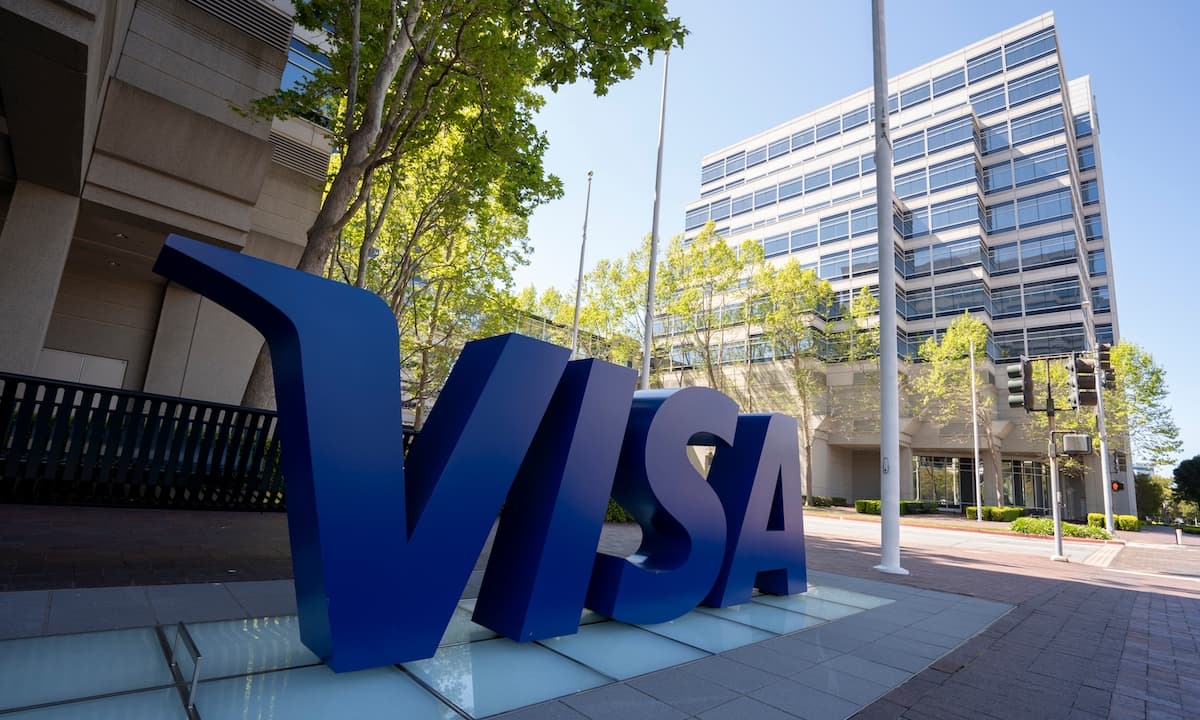
Can regulators block these deals? Yes. The US Department of Justice and other regulators can block acquisitions they believe will reduce competition. Visa's planned $5.3 billion purchase of Plaid is a prominent example on this list — regulators intervened to protect access to open banking data.
Readers Also Ranked
More Lists Like This

Top 10 Best Side Hustles for Introverts in 2026 — Earn More Without People-Draining Work
- #1Freelance Writing and Content Creation
- #2Programming and Software Development
- #3Data Analysis and Visualization

Top 10 German Banking Giants
- #1Deutsche Bank
- #2Commerzbank
- #3DZ Bank

Top 10 Most Successful CEOs of 2025
- #1Jensen Huang
- #2Tim Cook
- #3Satya Nadella

Top 10 UK FinTech Companies 2026
- #1Revolut
- #2Wise
- #3Monzo
Frequently asked questions
What are the top 10 US FinTech M&A deals reshaping finance?
The top 10 deals include major acquisitions like PayPal acquiring Venmo (Braintree), Visa acquiring Plaid (though blocked), Fiserv buying First Data, and Fidelity National Financial acquiring Worldpay, which collectively consolidate payment processing, banking software, and digital lending capabilities.
How are these M&A deals reshaping the finance industry?
These deals are accelerating consolidation of financial infrastructure, enabling traditional banks and incumbents to adopt modern FinTech capabilities, and fostering integrated ecosystems that combine payments, lending, and data analytics into single platforms.
What key trends do the top FinTech M&A deals in the US highlight?
Key trends include a focus on payment processing and merchant services, the convergence of banking and technology, increased investment in data analytics and AI, and a move toward embedded finance where FinTech services are integrated into non-financial platforms.
Who are the major acquirers in these FinTech M&A deals?
Major acquirers include large financial services firms like Fiserv, Fidelity National Financial, Global Payments, and traditional banks such as JPMorgan Chase, as well as tech giants like Google and Apple, who are expanding into financial services through strategic acquisitions.
What is the significance of these top 10 FinTech M&A deals for consumers?
Consumers benefit from more seamless, integrated financial services, lower fees through economies of scale, and access to innovative features like instant payments, credit scoring improvements, and personalized financial management tools.
Discussion
Have a take on this ranking?
Comments are how the argument actually happens here. Posting one needs a free account — it takes about a minute.
No comments yet.
The first comment sets the terms of the argument.
Would your top 10 look different?
Publish your own ranking of this topic. Your list gets its own page, and readers vote on it the same way you just voted on this one.
Build your own Top 10You might also want to rank…
 Top 10 Best Real Estate Markets 2026
 Top 10 Cryptocurrencies by Market Cap — CoinGecko Rankings — May 11, 2026
 Top 10 Most Debated: Rent vs Buy
 Top 10 Most Overrated Tax Strategies
Explore more Finance rankings on Top10Grid
People Also Explore
Because you're viewing Finance

Top 10 Cryptocurrencies by Market Cap (CoinGecko Rankings, March 16, 2026)
139 views · 0 votes
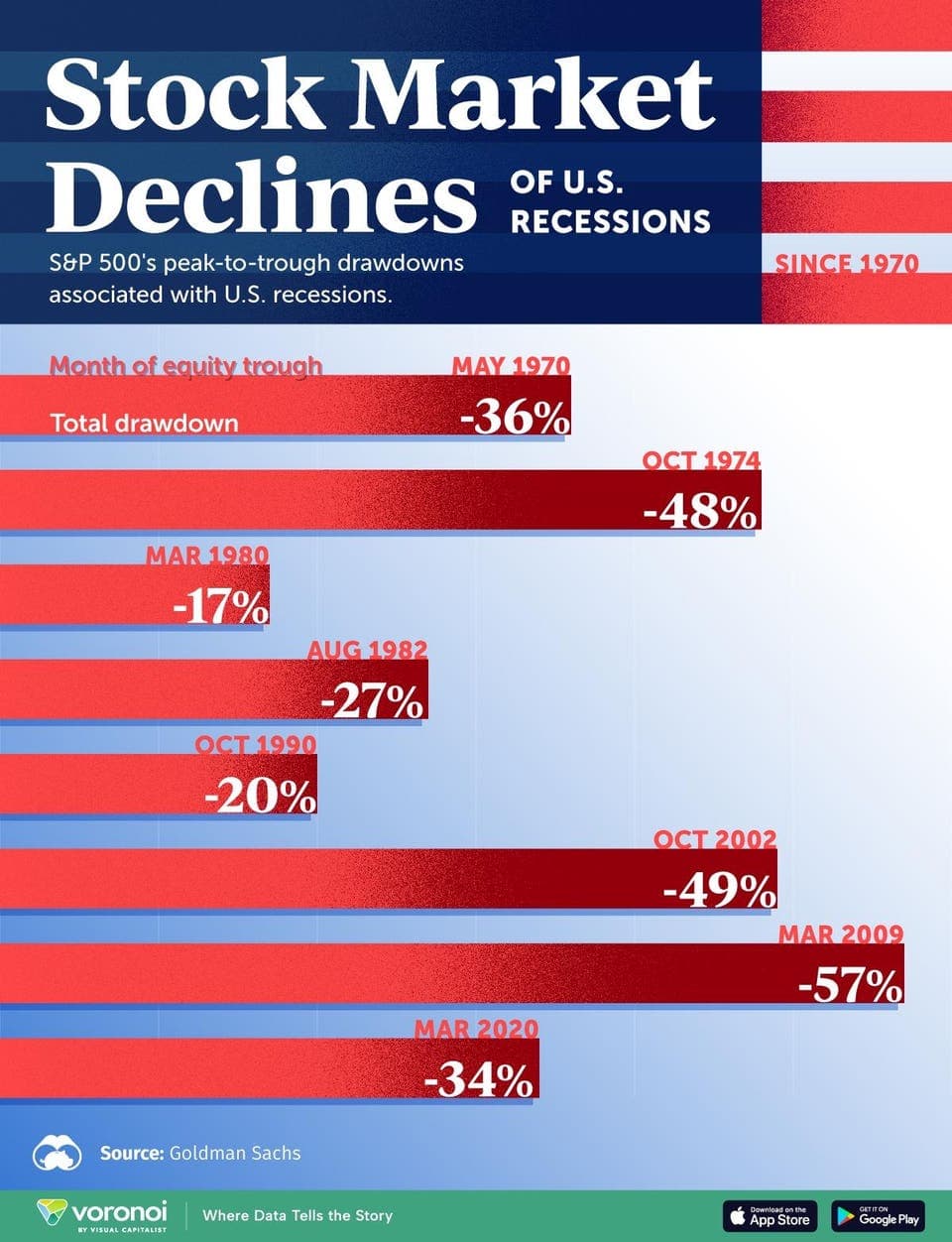
Top 10 US Stock Market Crashes and Recoveries in History
139 views · 0 votes
Top 10 ECB Policy Milestones That Shaped the Euro
140 views · 0 votes
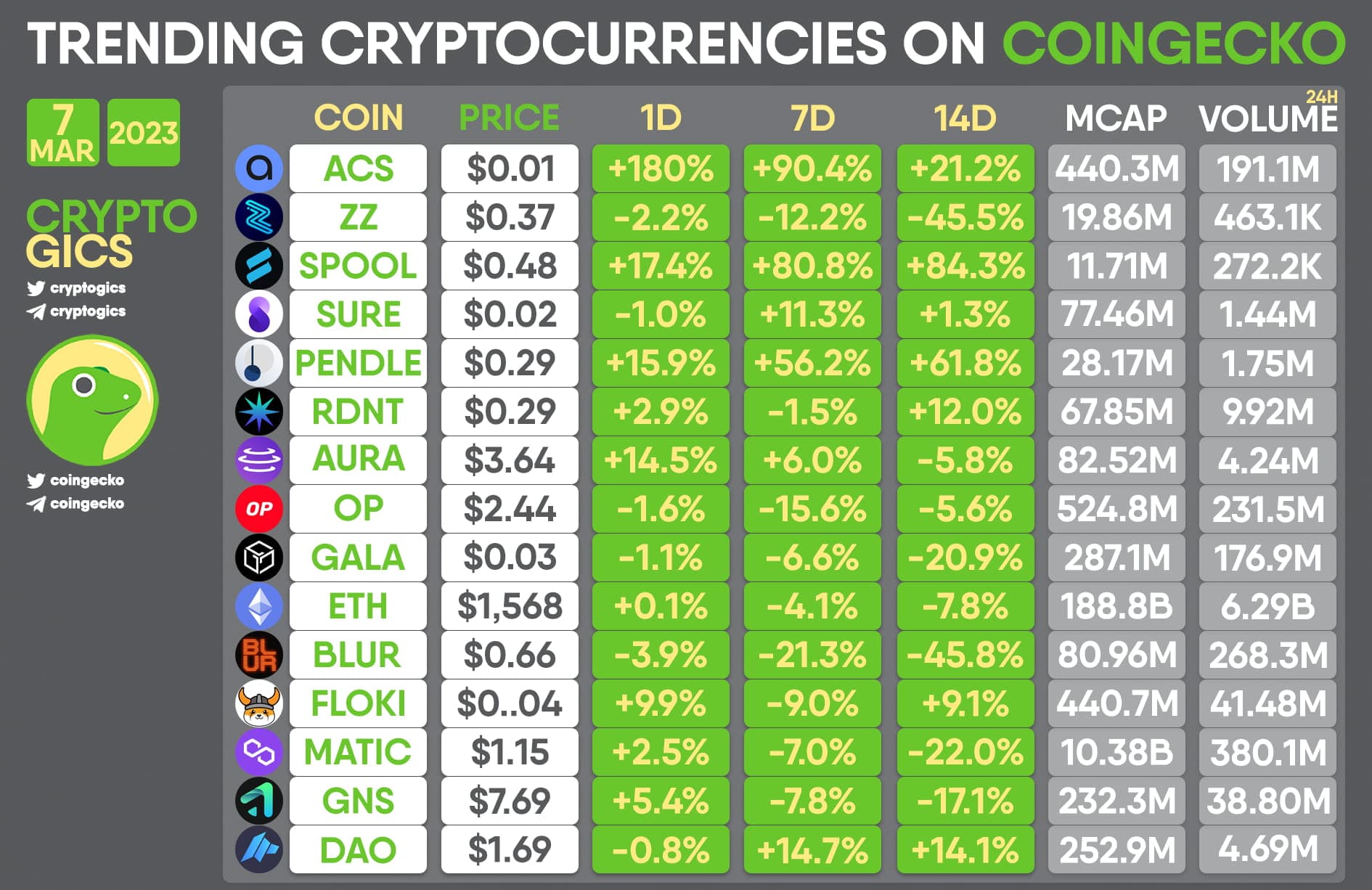
Top 10 Cryptocurrencies by Market Cap — March 24, 2026
141 views · 0 votes

Top 10 CoinGecko — Top Cryptocurrencies — April 4, 2026
141 views · 0 votes

Top 10 European Blockchain Finance Companies
142 views · 0 votes
You might also like

FINANCESame type
Top 10 US Payment Processors Ranked by Transaction Volume (2024)
10 items
FINANCESame type
Top 10 Biggest US Credit Unions by Assets (2025)
10 items

FINANCESame type
Top 10 US Crowdfunding Platforms for Startups
10 items
FINANCESame type
Top 10 US Mortgage Lenders by Origination Volume
10 items

FINANCESame type
Top 10 US Family Offices of Billionaire Wealth
10 items
FINANCESame type
Top 10 European Open Banking Platforms
10 items
More in Finance
See all
Top 10 CoinGecko — Top Cryptocurrencies — April 10, 2026
10 items · 118 views

Top 10 CoinGecko — Top Cryptocurrencies — May 6, 2026
10 items · 118 views

Top 10 Best Money-Saving Hacks
10 items · 118 views

10 Best Personal Accident Insurance Plans in Hong Kong (2026) — Coverage & Premium Compared
10 items · 118 views