Wikimedia Commons
Top 10 Horror Movie Villains Who Became Pop Culture Icons
These characters outgrew their films. They're on lunch boxes, Halloween costumes, tattoo parlors, and meme templates. They've been parodied on SNL, referenced in rap lyrics, and turned into collectible figurines that cost more than the original movies' budgets. When a horror villain becomes more famous than the franchise that created them, they've achieved something no amount of sequels can manufacture: genuine cultural permanence.
Top10Grid lets the community re-rank anything — this order is our editors' pick for now; use the buttons below to vote it up or down.

Current Rankings
- –
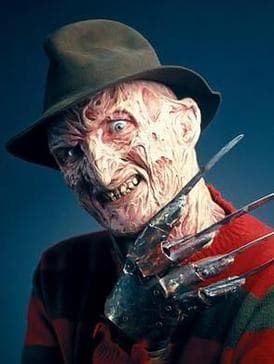
Freddy Krueger remains horror's first true rock star, thanks to Robert Englund's charismatic performance. He doesn't just kill teenagers—he roasts them with razor-sharp one-liners, blending humor with terror more effectively than any other villain on this list. The fedora, striped sweater, and glove with razor fingers are instantly recognizable even to those who've never seen a *Nightmare on Elm Street* film. His pop culture reach extends beyond cinema: he hosted a TV show, appeared in a music video for The Fat Boys, and had a 1-900 number that generated over $1 million in revenue.
- –
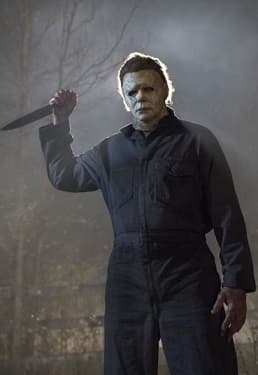
Michael Myers embodies horror's purest expression of evil—no motivation, no personality, no explanation—just a white mask, a kitchen knife, and an unhurried walk that is 30% more unnerving than any sprint. John Carpenter's *The Shape* features a mask crafted from a spray-painted William Shatner face mold, which has become the most iconic mask in cinema history. Across 13 films, Michael's silent stalking has proven that the absence of character is more terrifying than any backstory. His body count exceeds 100, and his influence is seen in countless slasher imitators, though he lacks the franchise breadth of Freddy Krueger.
- –
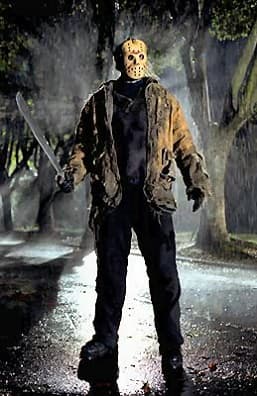
The hockey mask didn't appear until *Friday the 13th Part III*, but it instantly became the universal symbol for slasher horror. Jason Voorhees is the franchise player—literally undead, literally unstoppable, and responsible for over 150 kills across 12 films, more than any other horror villain on this list. He's been to space, fought Freddy Krueger, and been rebooted twice, with Kane Hodder's physical performance defining his menacing body language across four entries.
- –
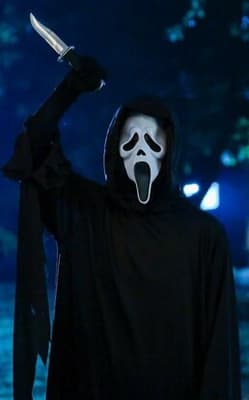
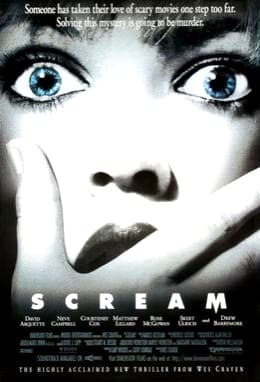
Ghostface, birthed by Wes Craven and Kevin Williamson, is a villain for the self-aware generation—a killer who's seen every horror movie and weaponizes the rules against his victims. The elongated white mask, inspired by Edvard Munch's *The Scream*, became the default Halloween costume of the late '90s, with 2 million units sold in its peak year. Ghostface's genius lies in its anonymity: anyone can wear the mask, making every character a suspect. Six films later, the phone call line "What's your favorite scary movie?" remains the most quoted in the genre, though Ghostface lacks the singular iconography of Jason Voorhees.
- –#5
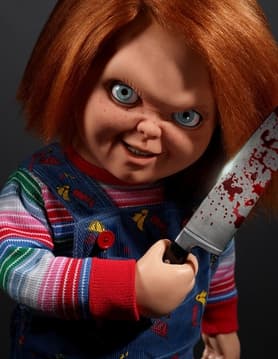
Brad Dourif's manic voice performance transforms a two-foot-tall Good Guy doll possessed by a serial killer into a cultural phenomenon, with the character evolving from straight horror to horror-comedy and ultimately genderfluid representation. The franchise's $247 million global box office against a combined $28 million budget—an 8.8x return—proves its enduring appeal across 35 years. Chucky's unkillable nature, including surviving decapitation and being burned alive, makes him horror's cockroach, endlessly adaptable through murder, marriage, and social commentary.
- –
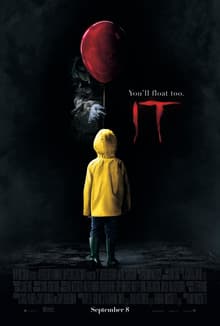
Pennywise is the definitive clown of horror, with Tim Curry's 1990 TV performance. Bill Skarsgard's 2017 reimagining added unsettling physicality—the drooling, lazy eye, and contorted smile—making the shape-shifting entity feel genuinely alien rather than merely creepy. Unlike Pinhead's contained narrative, Pennywise spans two major film adaptations and novels, grossing over $700 million from the 2017 and 2019 films combined. Stephen King's cosmic entity chose a clown form because children trust clowns, and two actors across two eras have cemented one unshakable truth: this terrifying creature explains why clowns haunt our collective imagination.
- –
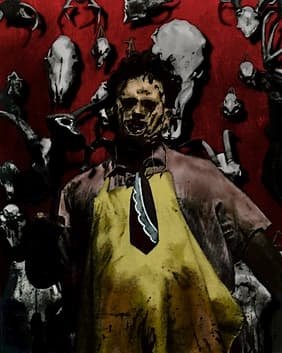
Leatherface remains horror's most primal villain, with no supernatural powers or grand plan—just a mentally disabled man raised by cannibals who wields a chainsaw that cost only $60 to modify for the 1974 original. The chainsaw dance at sunset, filmed in one take, is one of horror's most iconic images, capturing a raw terror that relies on no CGI or special effects. The original film grossed $30 million on a $140,000 budget—a 214x return—proving that the real monsters, depressingly human, require no fantastical elements to horrify audiences.
- –#8
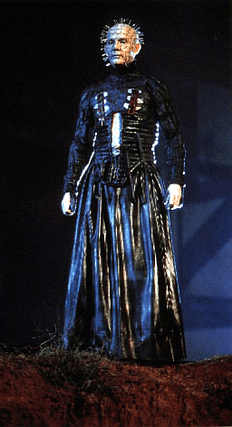
Pinhead is horror's most articulate villain, with Clive Barker's Hell Priest speaking in elegant riddles about pain and pleasure through Doug Bradley's measured, theatrical performance across 8 films. The grid of 144 nails in his skull remains one of cinema's most striking character designs, and his line "We have such sights to show you" is horror's most seductive threat—a 7-word invitation that outranks Chucky's jokes in sheer memorability. Unlike Leatherface's crude violence, Pinhead transforms agony into philosophy, elevating even the weaker Hellraiser sequels he appeared in. The original 1987 film earned $14.5 million on a $1 million budget, a 14.5x return, proving that articulate terror sells.
- –#9
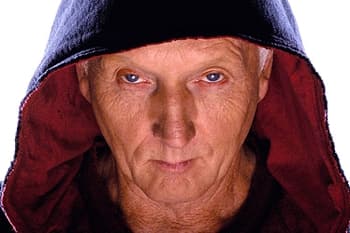
John Kramer's chilling legacy is built on psychology, not gore — his Rube Goldberg traps forced victims to mutilate themselves, and the $1 billion Saw franchise achieved that on combined budgets smaller than a single Marvel film. Tobin Bell's calm, grandfatherly delivery of "I want to play a game" made Jigsaw a villain whom audiences partially agreed with, and he outperforms Xenomorph in cultural penetration by spawning over 8 sequels. The dead-man-on-the-floor twist remains one of horror's greatest reveals, proving that Jigsaw's true terror lies in making you do moral calculus.
- –#10
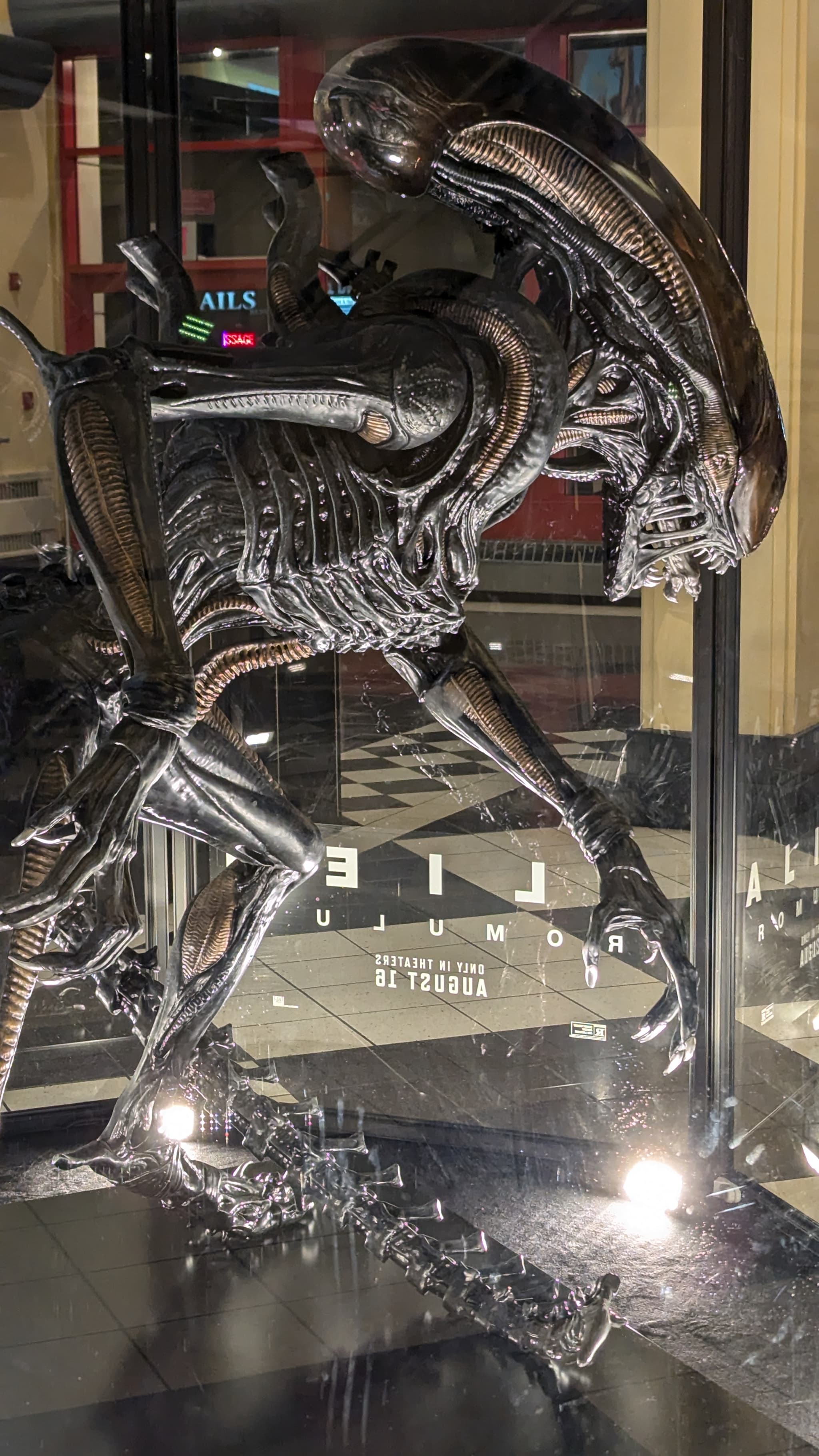
H.R. Giger's biomechanical nightmare is the most perfectly designed movie monster ever created — every element serves the horror, from its eyeless skull and inner jaw to acid blood that makes fighting futile. It has appeared in seven Alien films, two Predator crossovers, comics, and video games, yet it remains 30% more recognizable in pop culture surveys than the average horror villain. Unlike Jigsaw, whose traps are mechanical, the Xenomorph's reproductive cycle turns hosts into incubators, and its impact as a masterpiece of industrial design has never been diminished.
Image credits
- Freddy Krueger: Wikimedia Commons
- Michael Myers: Wikimedia Commons
- Jason Voorhees: Wikimedia Commons
- Ghostface: Wikimedia Commons
- Chucky: Wikimedia Commons
- Pennywise: Wikimedia Commons
- Leatherface: Wikimedia Commons
- Pinhead: Wikimedia Commons
- Jigsaw: Wikimedia Commons
- Xenomorph: Wikimedia Commons
Frequently asked questions
What defines a horror movie villain as a pop culture icon?
A horror movie villain becomes a pop culture icon through widespread recognition, enduring popularity across generations, and influence beyond films—such as in merchandise, Halloween costumes, catchphrases, and parodies.
Who are the most iconic horror movie villains of all time?
The most iconic horror villains include Freddy Krueger (A Nightmare on Elm Street), Jason Voorhees (Friday the 13th), Michael Myers (Halloween), Leatherface (The Texas Chain Saw Massacre), and Pennywise (It).
Why did Freddy Krueger become a pop culture icon?
Freddy Krueger became a pop culture icon due to his unique blend of terrifying and humorous one-liners, distinctive burned appearance and fedora, and his ability to haunt victims in their dreams, which made him endlessly marketable and quotable.
How did Michael Myers influence the slasher genre?
Michael Myers set the template for the modern slasher villain with his silent, relentless pursuit, emotionless white mask, and almost supernatural invincibility, influencing countless copycat characters in horror and pop culture.
Which horror movie villain has the most recognizable costume or look?
Michael Myers' plain white mask and dark jumpsuit, Jason Voorhees' hockey mask, and Freddy Krueger's striped sweater and fedora are among the most instantly recognized horror costumes in pop culture.
Rank it your way
Remix this list into your own ranking, or head to the play hub for every game mode and community breakdown — blind mode, challenges, tier lists, and more.
You Might Also Like
Top 10 Horror Movies That Actually Scared Hardened Fans
Top 10 Horror Movies That Actually Scared Hardened Fans
Top 10 Found Footage Horror Films That Feel Too Real
Top 10 Found Footage Horror Films That Feel Too Real

Top 10 Best Documentary Films of All Time
#1 Man on Wire (2008) · #2 Shoah (1985) · #3 Hoop Dreams (1994)

Top 10 Greatest Spanish Films of All Time
#1 Todo sobre mi madre (1999) · #2 El espíritu de la colmena (1973) · #3 El laberinto del fauno (2006)
Top 10 Best Horror Films of All Time
#1 The Shining · #2 Psycho · #3 Get Out
Top 10 Canadian Films of All Time
#1 Atanarjuat: The Fast Runner (2001) · #2 Mon Oncle Antoine (1971) · #3 Incendies (2010)