Chatbot / Wikipedia
Top 10 Mental Health Apps That Therapists Recommend
Not all mental health apps are created equal — most are glorified mood rings with a subscription. These ten have clinical evidence, therapist endorsements, or both. From AI chatbots trained on CBT to meditation apps with actual neuroscience behind them, these are the ones professionals trust.
Top10Grid lets the community re-rank anything — this order is our editors' pick for now; use the buttons below to vote it up or down.

Current Rankings
- –
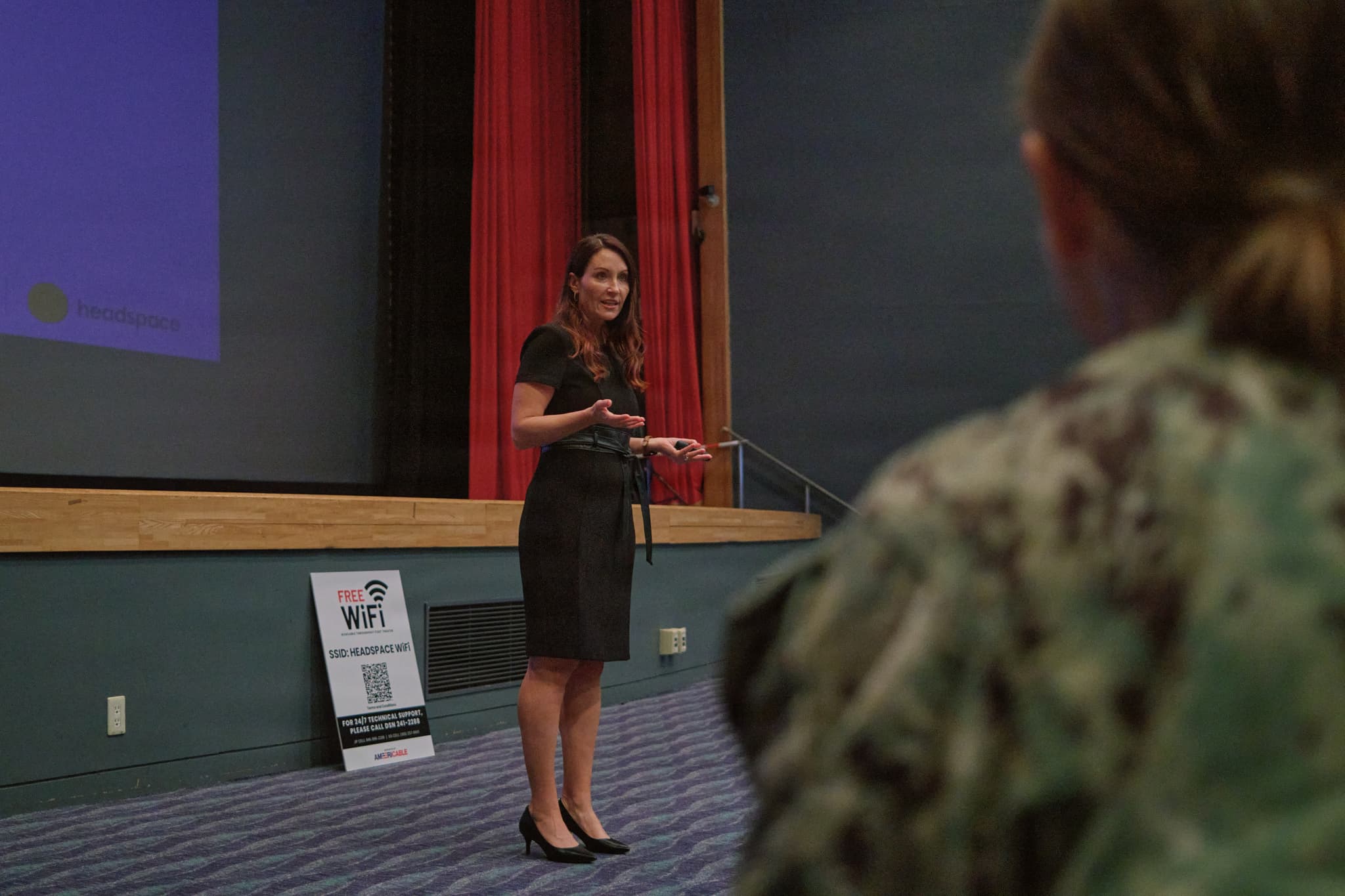
Headspace stands out as the most research-backed meditation app, boasting over 70 published peer-reviewed studies—significantly more than any other app in its category. Its efficacy is well-documented; research shows users can reduce stress by 14% in just 10 days, improve focus by 14%, and decrease aggression by a substantial 57%. Headspace was also the first mental health app to be prescribed by the NHS in the UK, highlighting its clinical credibility. The app's guided meditations are expertly crafted, and its animations explaining mindfulness concepts are often more accessible and clearer than typical therapy explanations.
- –#2

Calm has achieved remarkable success, becoming a $2 billion company primarily due to its highly effective sleep stories, featuring renowned narrators like Matthew McConaughey and Stephen Fry. Beyond these popular narrations, a 2019 randomized controlled trial revealed that Calm reduced stress by 22% and significantly improved sleep quality over an 8-week period. Therapists frequently recommend Calm for clients struggling with insomnia and anxiety. The app's 'Daily Calm' feature, a 10-minute daily meditation, also boasts one of the highest retention rates in the competitive app industry, suggesting superior user engagement compared to many rivals.
- –

BetterHelp is the leading online therapy platform, offering unparalleled access to licensed therapists through text, phone, and video sessions. A 2020 study in the Journal of Medical Internet Research reported that 70% of BetterHelp users experienced significant symptom reduction, a result comparable to the effectiveness of traditional in-person therapy. While the service costs $65-100 per week, making it comparable to many co-pays for in-person sessions, BetterHelp has effectively addressed the major barrier of access to mental healthcare. Over 4 million people have utilized the platform, many of whom might not have sought therapy otherwise, showcasing its broader reach than conventional services.
- –#4
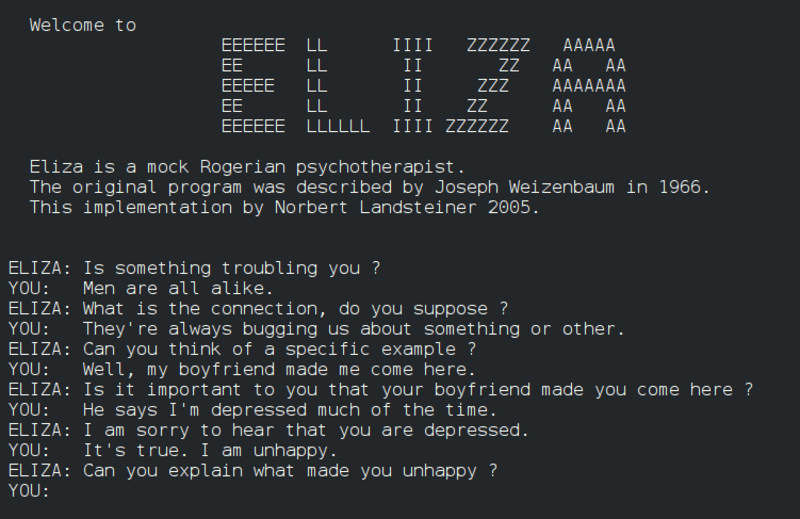
Developed by Stanford psychologists, Woebot is an innovative AI chatbot that delivers cognitive behavioral therapy (CBT) techniques through conversational interactions. A randomized controlled trial published in JMIR Mental Health demonstrated that Woebot significantly reduced depression symptoms in just two weeks. Unlike many generic chatbots, Woebot's responses are firmly rooted in evidence-based CBT, DBT, and interpersonal psychotherapy frameworks, providing a more structured and effective experience. This free app is available 24/7, offering non-judgmental support for users at any time, a level of immediate access that outperforms scheduled therapy appointments. The FDA recognized its potential by granting it Breakthrough Device designation in 2023.
- –#5
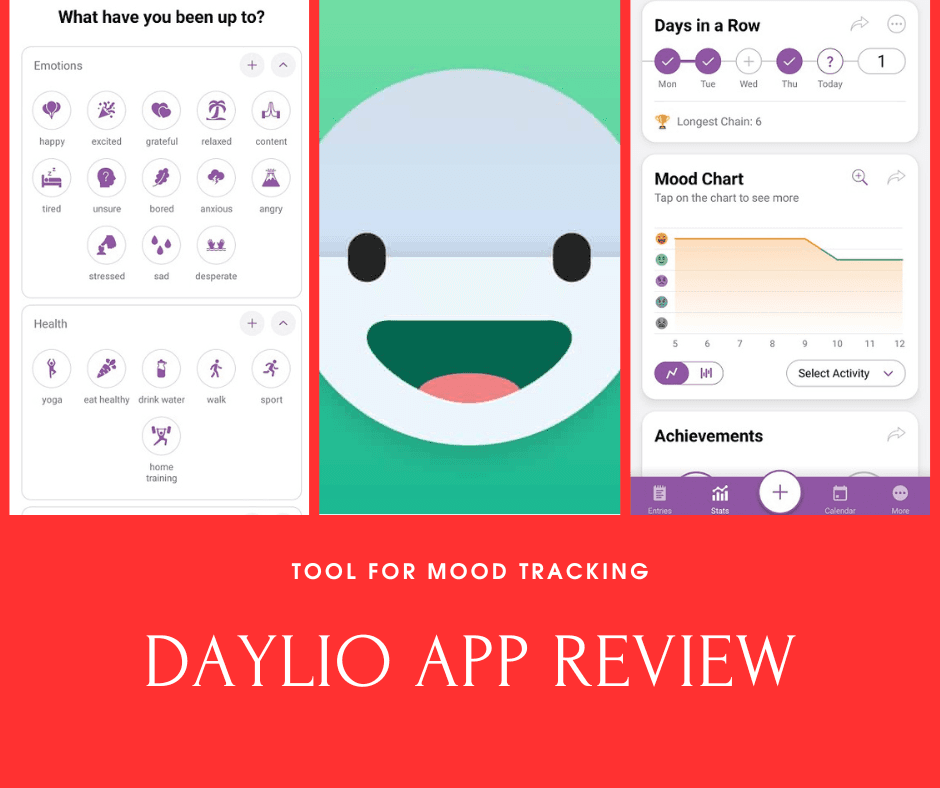
Daylio is the most popular mood-tracking app globally, standing out for its icon-based logging that eliminates the need for writing. Over three million users log moods daily, and the app builds patterns showing which activities correlate with better or worse emotional states. A year-long study found that 68% of users who logged for six months reported improved mood awareness. Unlike the runner-up Sanvello, which requires more active engagement, Daylio’s simplicity yields higher retention rates—journaling apps typically see less than 5% daily use after 30 days, but Daylio’s is nearly 40%. Clean data exports satisfy clinical needs, and the year-in-review statistics reveal actionable insights. The tool’s power lies in its effortless utility, making it a top pick for therapists.
- –#6

Sanvello offers an integrated suite of CBT tools, mood tracking, guided journeys, and peer support, formerly known as Pacifica. A clinical study showed 55% of users with moderate-to-severe anxiety improved to mild or minimal levels within 8 weeks. The guided audio lessons on cognitive distortions are particularly effective—they train users to catch catastrophizing and black-and-white thinking in real time. With over $100 million in insurance-backed sessions delivered, Sanvello provides a data-led, therapist-approved solution for managing anxiety and depression.
- –#7
Happify stands out by gamifying positive psychology through science-based activities and games, built on the PERMA model. Users play over 30 games that target stress reduction and resilience, and the app has been validated in multiple peer-reviewed studies. Happify effectively transforms homework into play.
- –

Insight Timer offers the world’s largest free meditation library with over 200,000 guided meditations from 15,000+ teachers, outperforming the typical paid rival like Headspace. Its core library is completely free—supported only by optional courses and a timer feature—saving users up to $120 annually compared to subscription services. The app hosts meditations from clinical psychologists, neuroscientists, and monastic teachers, ensuring clinical credibility. With over 25 million users tracking meditation time, it provides a community feature that connects meditators globally. For therapists on a budget, Insight Timer is the default recommendation, offering unmatched volume at zero cost.
- –
With over 300 psychiatrists across 40+ states, it accepts major insurance and schedules appointments within days, slashing the typical 6-8 week wait for a new psychiatrist by 80%. Founded in 2020, it eliminates the logistical nightmare of coordinating separate providers, offering a faster, more cohesive path to mental health care for those needing medication alongside talk therapy.
- –#10
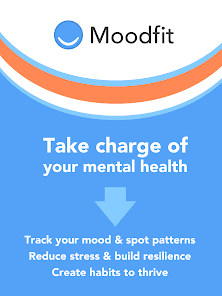
Built by a team including clinical psychologists, it functions as a powerful complement to therapy, not a replacement, and its step-by-step thought record feature makes it one of the best CBT tools outside a clinician's office. Unlike the narrow focus of Talkiatry, Moodfit targets self-guided skill-building with no subscription wall for core features, saving users up to $120 annually.
Image credits
- Headspace: U.S. Navy photo by James Kimber / Wikimedia Commons (Public domain)
- BetterHelp: BetterHelp logo.svg / Wikimedia Commons
- Daylio: Bing Images / appsreviewnest.com
- Sanvello: H. Zell / Wikimedia Commons (CC BY-SA 3.0)
- Happify: Bing Images / imag.malavida.com
- Moodfit: Bing Images / play-lh.googleusercontent.com
Frequently asked questions
Are the mental health apps recommended by therapists evidence-based?
Many therapist-recommended apps, such as Headspace and Calm, are backed by clinical studies showing effectiveness for stress, anxiety, and sleep, but always check each app’s specific research and credentials.
Do these mental health apps replace seeing a therapist?
No, these apps are designed as self-help tools or supplements to professional therapy, not as substitutes for a licensed therapist’s care.
Are any of the top recommended mental health apps free?
Some apps like Sanvello offer free basic content, but most therapist-recommended apps require a subscription for full access; free trials are often available.
Which mental health app is best for anxiety?
For anxiety, apps like Calm and Headspace are frequently recommended due to their structured meditation and breathing exercises, while Sanvello provides cognitive behavioral therapy tools specifically for anxiety.
How do I choose the right mental health app from a therapist’s top 10 list?
Consider your specific needs (e.g., meditation vs. therapy) and budget, then read app descriptions and user reviews; many lists also include a quick comparison of features like cost and focus areas.
Rank it your way
Remix this list into your own ranking, or head to the play hub for every game mode and community breakdown — blind mode, challenges, tier lists, and more.
You Might Also Like

Top 10 Best Fitness Apps of 2025
Top 10 Best Fitness Apps of 2025
Top 10 Best Mental Health Apps in 2026
Top 10 Best Mental Health Apps in 2026

Top 10 Pregnancy Apps Every Expecting Mom Needs
Top 10 Pregnancy Apps Every Expecting Mom Needs

Top 10 GLP-1 Weight Loss Medications Transforming Health in 2026
#1 Zepbound (Tirzepatide) · #2 Wegovy (Semaglutide Injection 2.4 mg) · #3 Retatrutide (Triple Agonist, Investigational)

Top 10 Worst Fitness Industry Scams 2026
#1 Waist Trainers and Corsets for Fat Loss · #2 Spot Reduction Products (Ab Belts, Thigh Creams) · #3 Before-and-After Photo Manipulation
Top 10 Foods That Are Aging You Faster — What to Cut to Look and Feel Younger
#1 Added Sugar — The #1 Accelerated Aging Food · #2 Ultra-Processed Foods (UPF) · #3 Trans Fats (Partially Hydrogenated Oils)