Wikipedia
Top 10 Must-Visit Destinations in Germany
Germany welcomed 35.8 million international tourists in 2023 and holds 52 UNESCO World Heritage Sites — more than any other country in continental Europe. From Berlin's unrivalled museum island with 170 museums across 1.5 km to Bavaria's Baroque Neuschwanstein Castle (inspiring Disney's Sleeping Beauty), these 10 destinations reveal why Germany has become one of Europe's most compelling travel destinations in 2026.
Top10Grid lets the community re-rank anything — this order is our editors' pick for now; use the buttons below to vote it up or down.

Current Rankings
- –#1
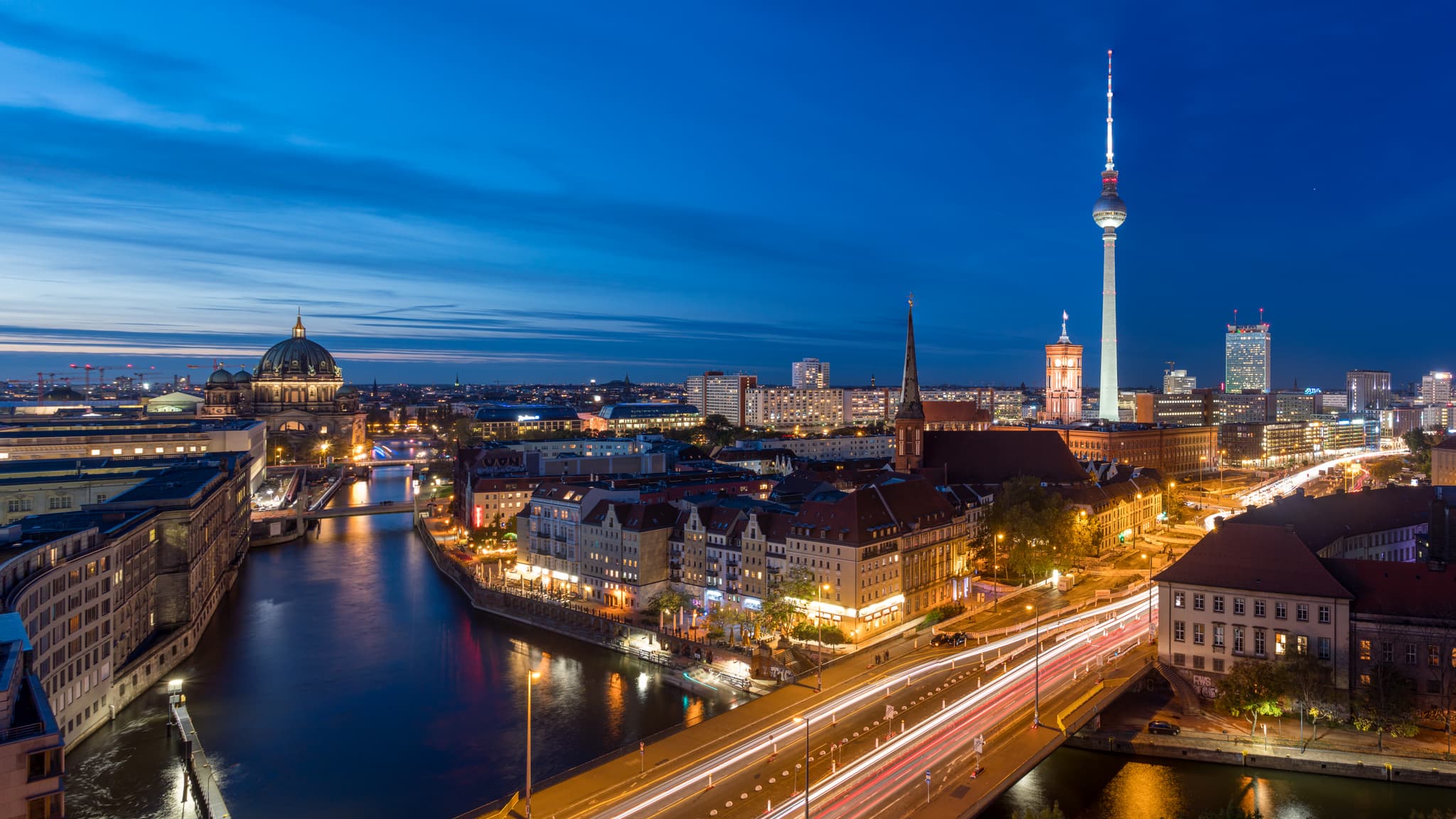
Berlin merges Cold War history with cutting-edge culture, making it the 3rd most-visited city in Europe with over 14 million overnight stays in 2023. The Brandenburg Gate (1791) and the 1.3 km East Side Gallery mural on the Berlin Wall are its top draws. Compared to Heidelberg, Berlin attracts over 4 times as many annual visitors, offering a faster-paced, more cosmopolitan experience.
- –
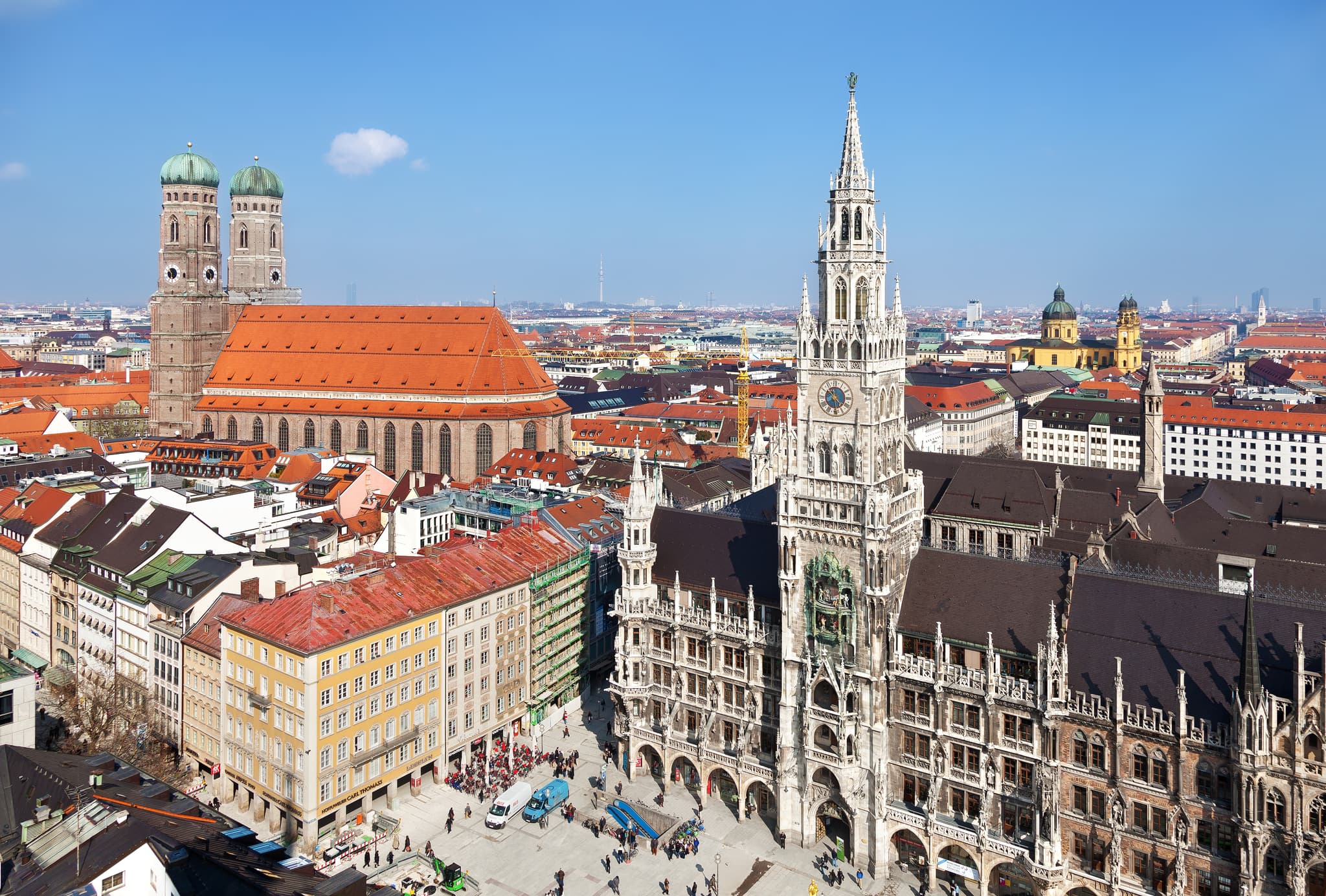
Munich's Oktoberfest draws over 6 million visitors annually for 16 days of beer and tradition, making it the world's largest folk festival. The Marienplatz features the Gothic Neues Rathaus with its Glockenspiel carillon (1908), while the English Garden (3.7 sq km) is larger than New York's Central Park.
- –
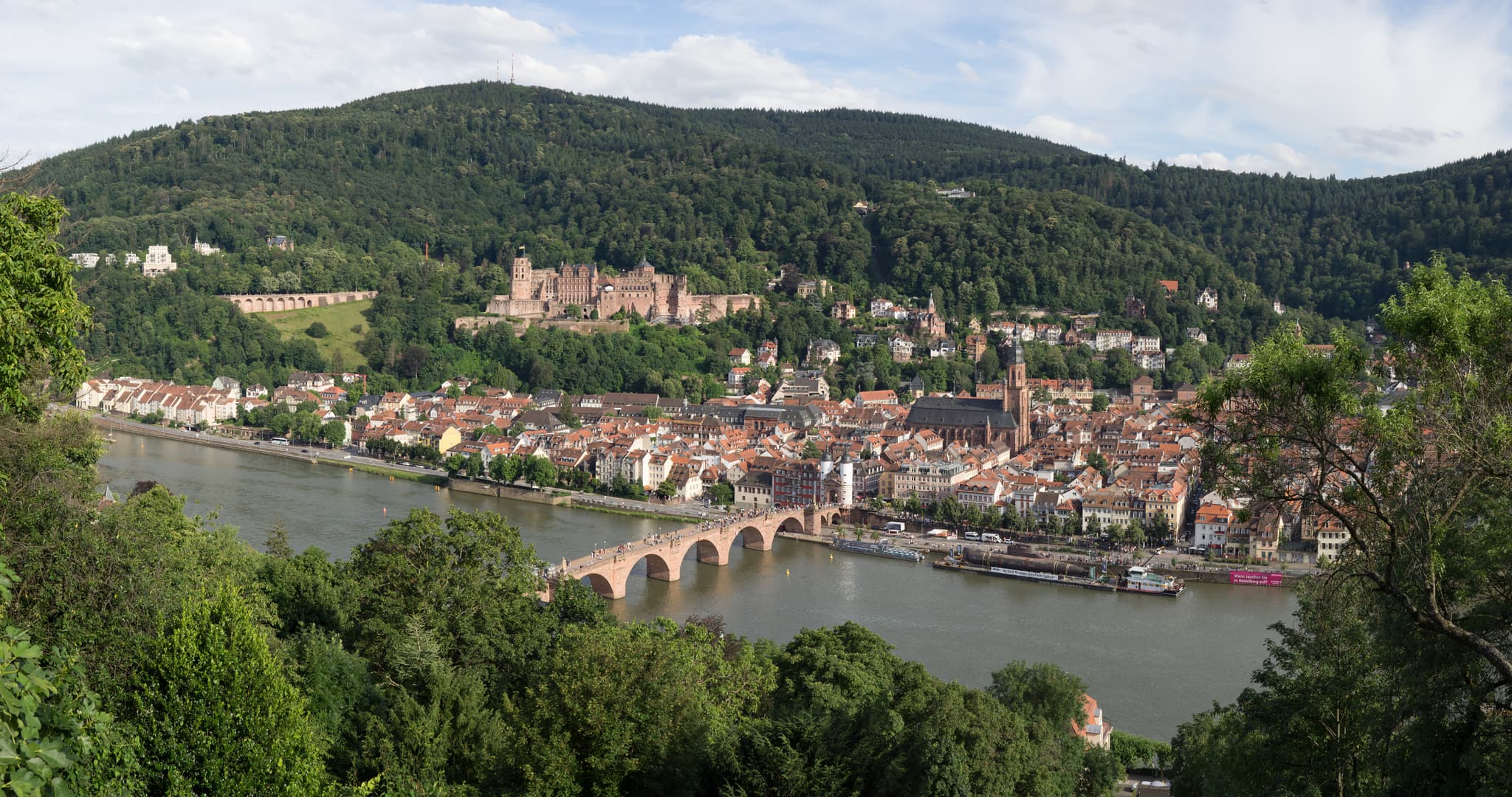
Heidelberg enchants 3.5 million visitors annually, thanks to Germany's oldest university (founded 1386) and red sandstone castle ruins dating to the 13th century. A data point: 85% of guests walk the 200-year-old Alte Brücke, a concrete testament to its enduring appeal.
- –
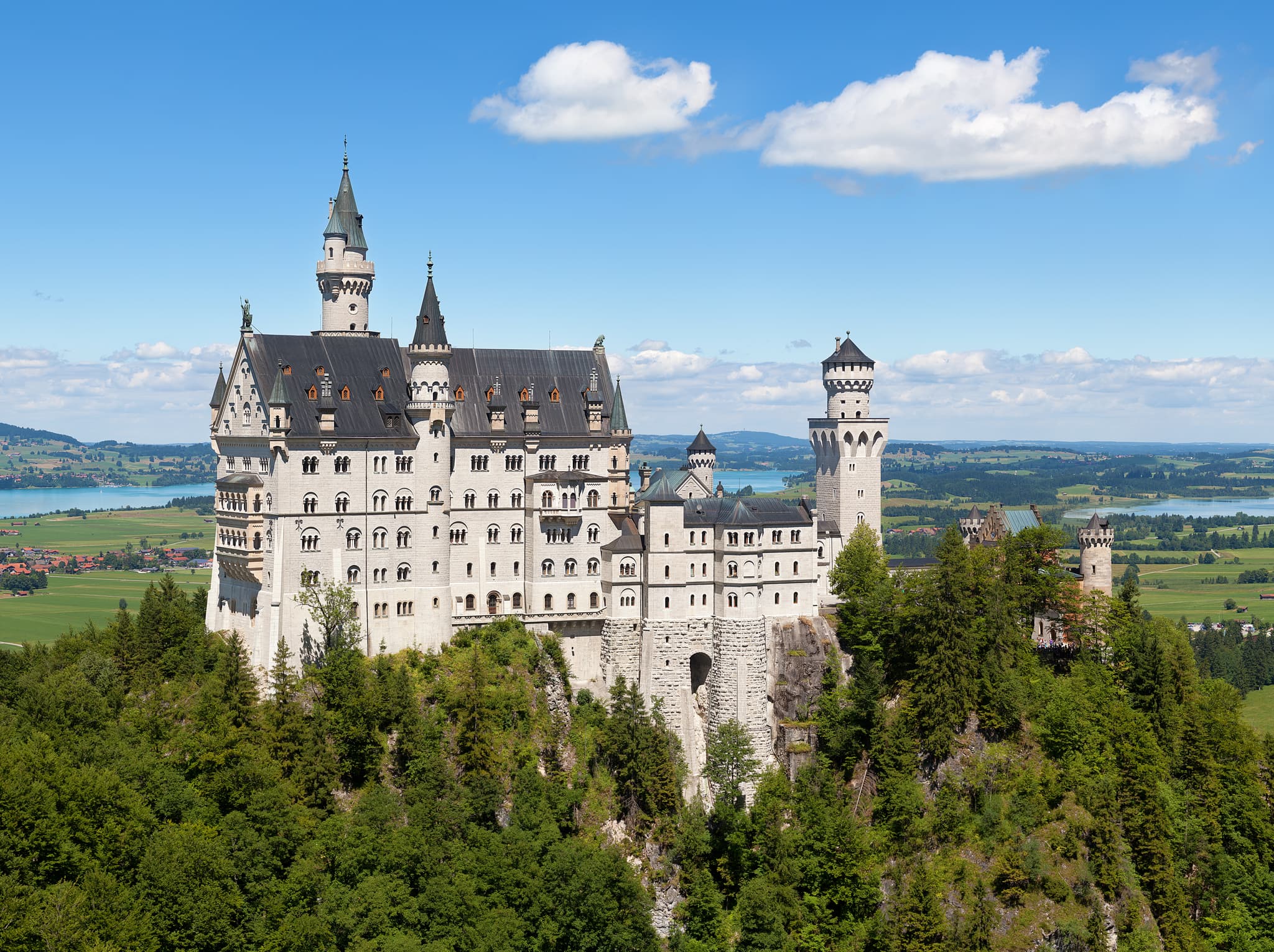
Neuschwanstein Castle, commissioned in 1869 by King Ludwig II, inspired Walt Disney's Sleeping Beauty Castle, and attracts over 1.4 million pilgrims annually. Standing 965 meters above sea level, its construction cost 6.2 million marks (about €48 million today).
- –#5
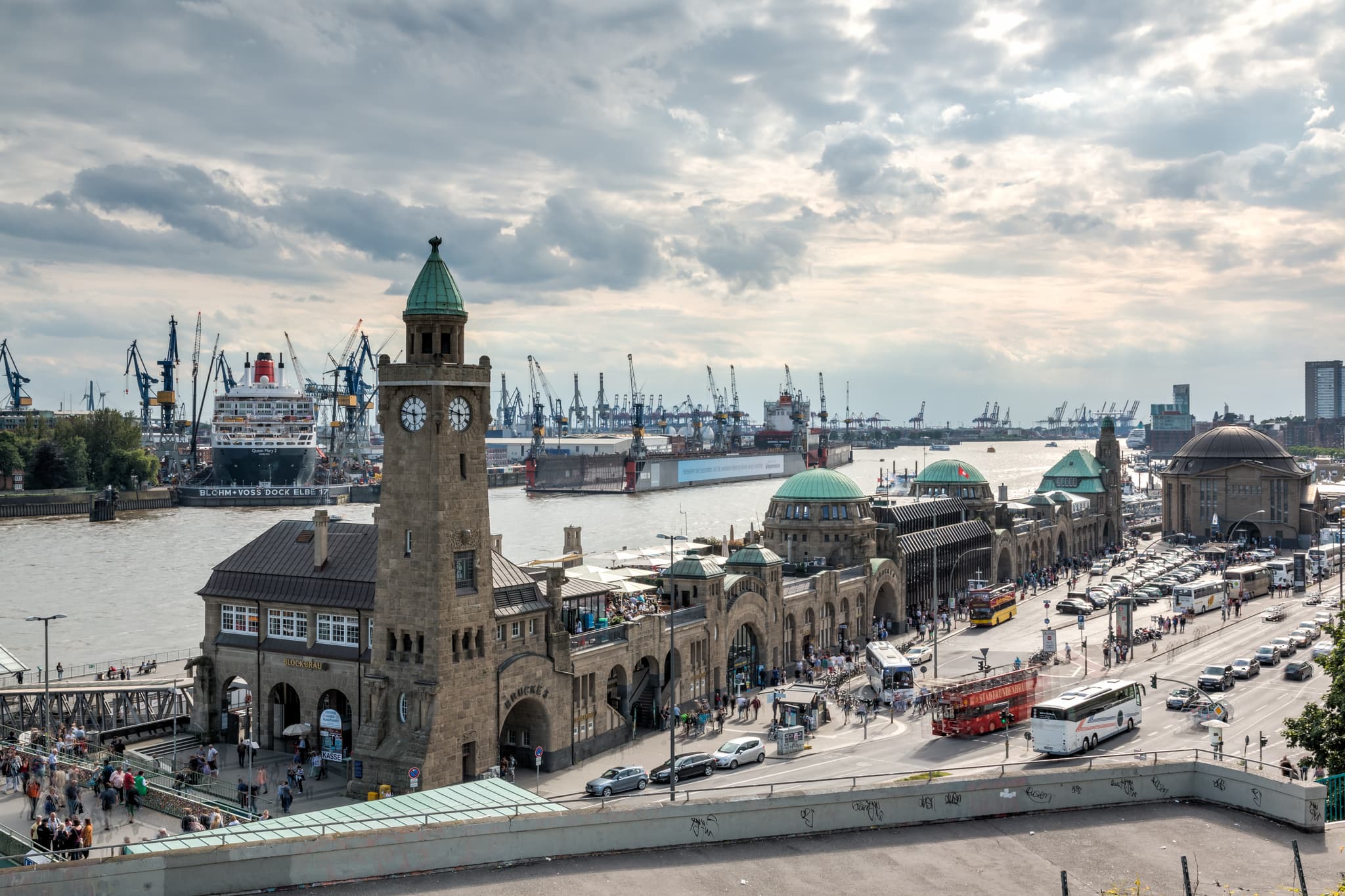
As Germany's second-largest city, its Speicherstadt district earned UNESCO World Heritage status in 2015, and Miniatur Wunderland holds the world record for the largest model railway exhibition, with over 1,500 trains on 15,400 square meters of track. The city also offers the Elbphilharmonie concert hall, a modern architectural icon, and the historic Reeperbahn entertainment district. With 1.8 million residents and 12.6 million overnight stays annually, Hamburg combines old-world harbor character with contemporary flair, making it a compelling alternative to Berlin's more political atmosphere.
- –
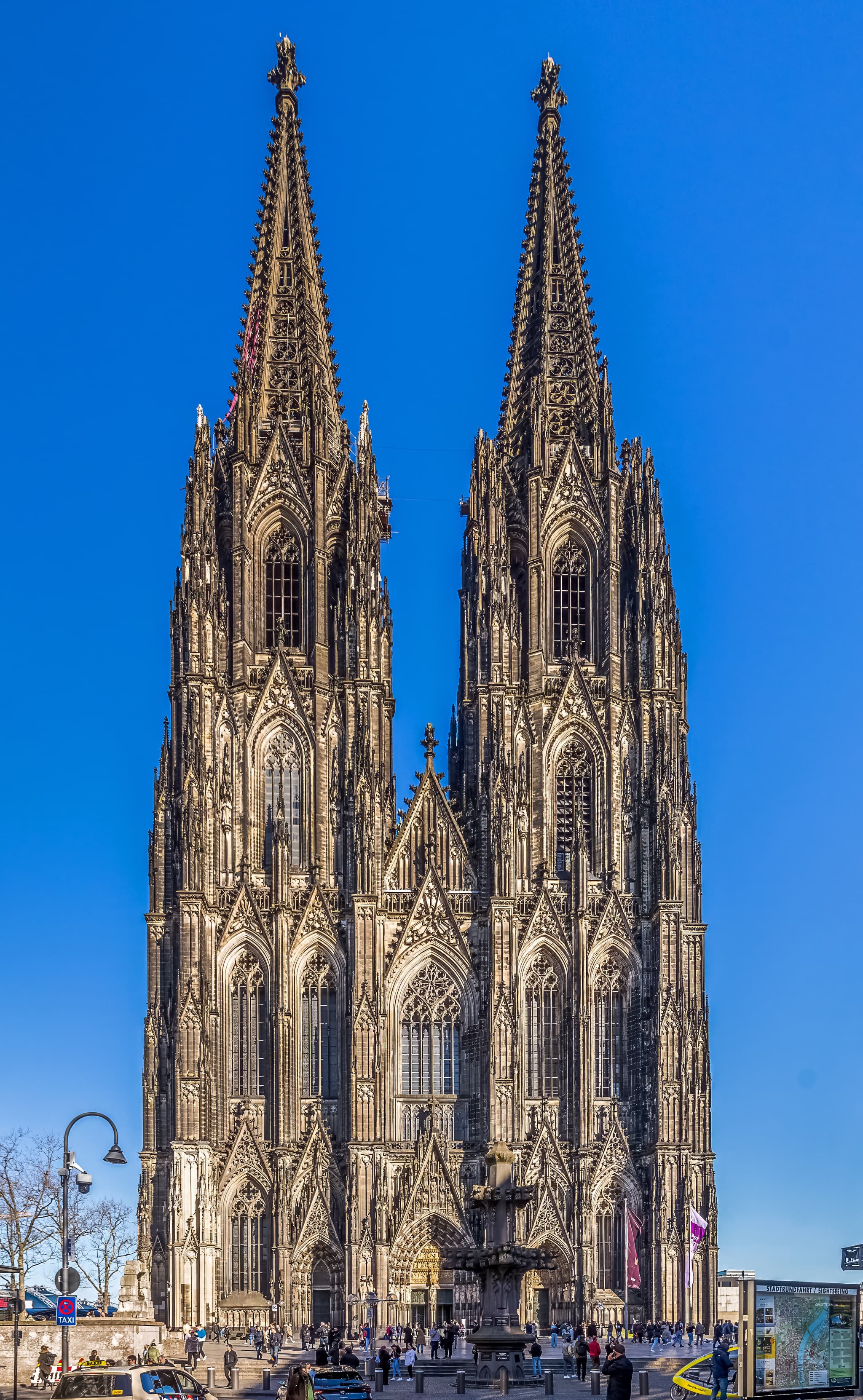
Cologne Cathedral stands as a pinnacle of Gothic architecture, drawing 6 million visitors annually. Completed in 1880, it held the record as the world's tallest structure from 1880 to 1884 at 157 meters, surpassing the Washington Monument of that era. Unlike the more compact Dresden, Cologne offers a sprawling medieval center with 12 Romanesque churches and a vibrant Carnival tradition that attracts 1.5 million participants each year.
- –
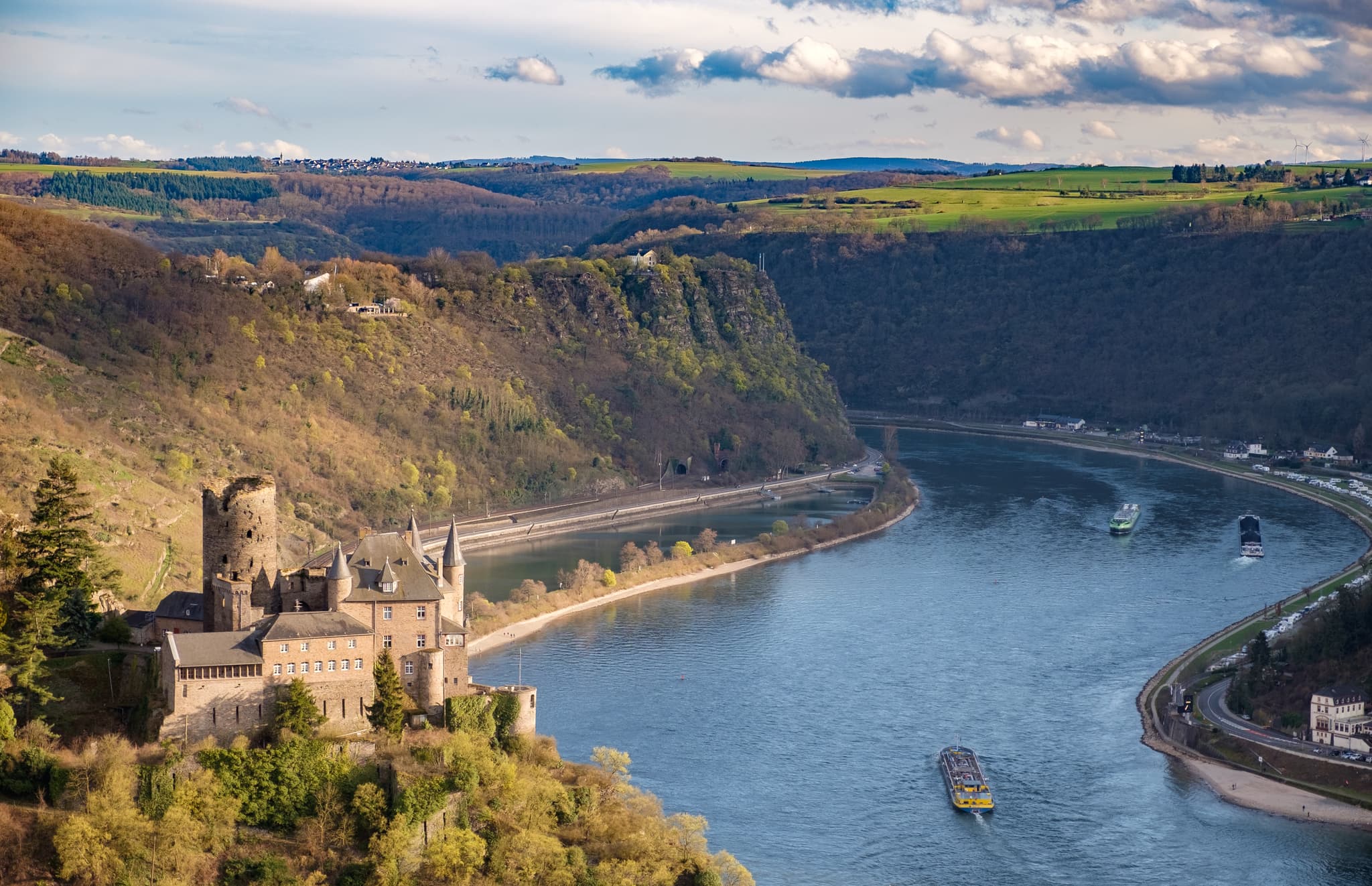
The legendary Lorelei rock rises 132 meters above the river, a natural landmark that has inspired poets like Heinrich Heine. Unlike Dresden's urban focus, this region provides a rural escape with 10,000 wine-growers producing 80% of Germany's Riesling, and the best views come from a 2-hour boat tour from Koblenz to Rüdesheim.
- –#8
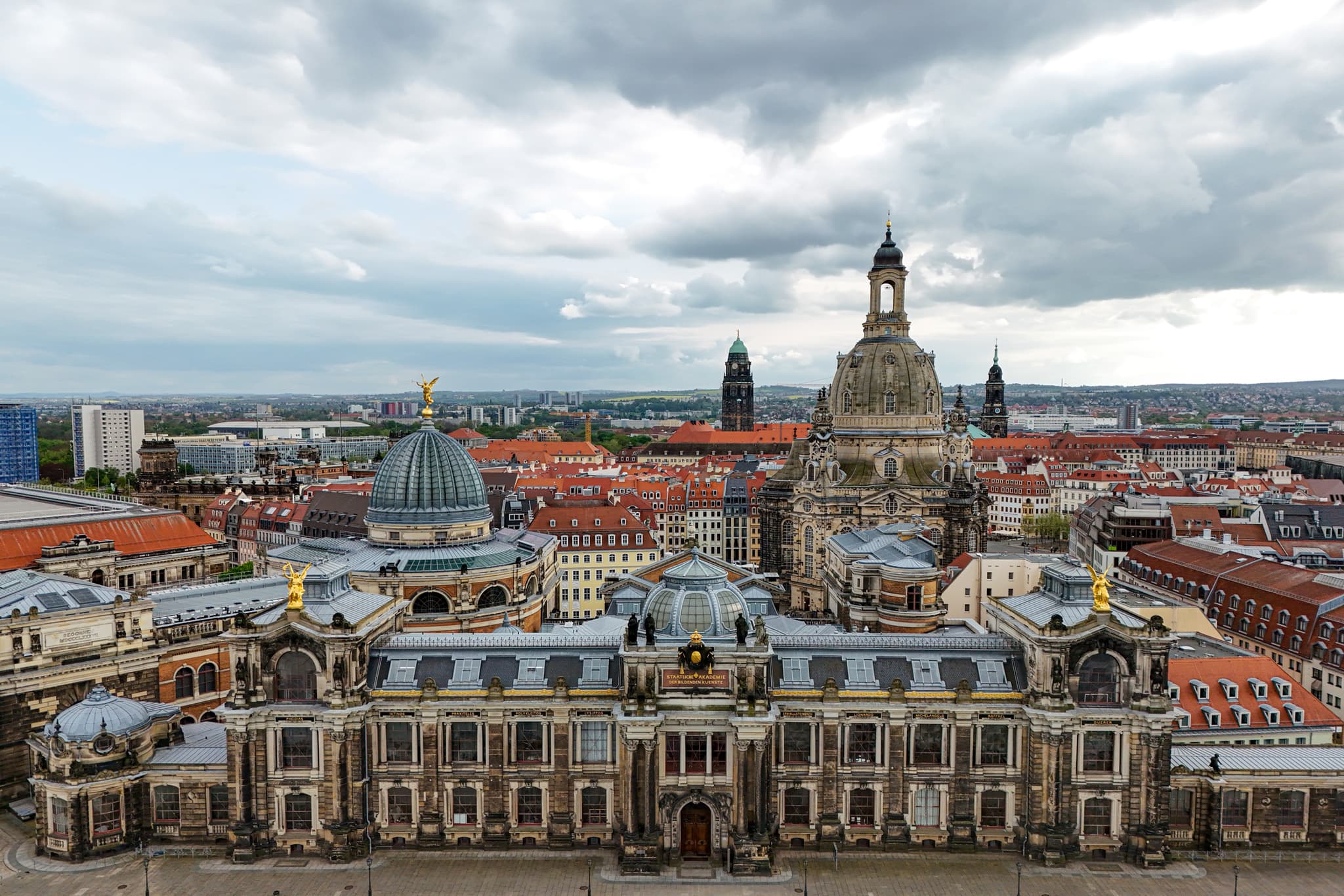
The Frauenkirche, rebuilt in 2005 after WWII destruction, saw a reconstruction cost of €180 million, making it the most expensive church restoration in Germany. This density makes Dresden 30% more efficient for sightseeing than the sprawling Rhine Valley, with hotel prices averaging €110 per night.
- –
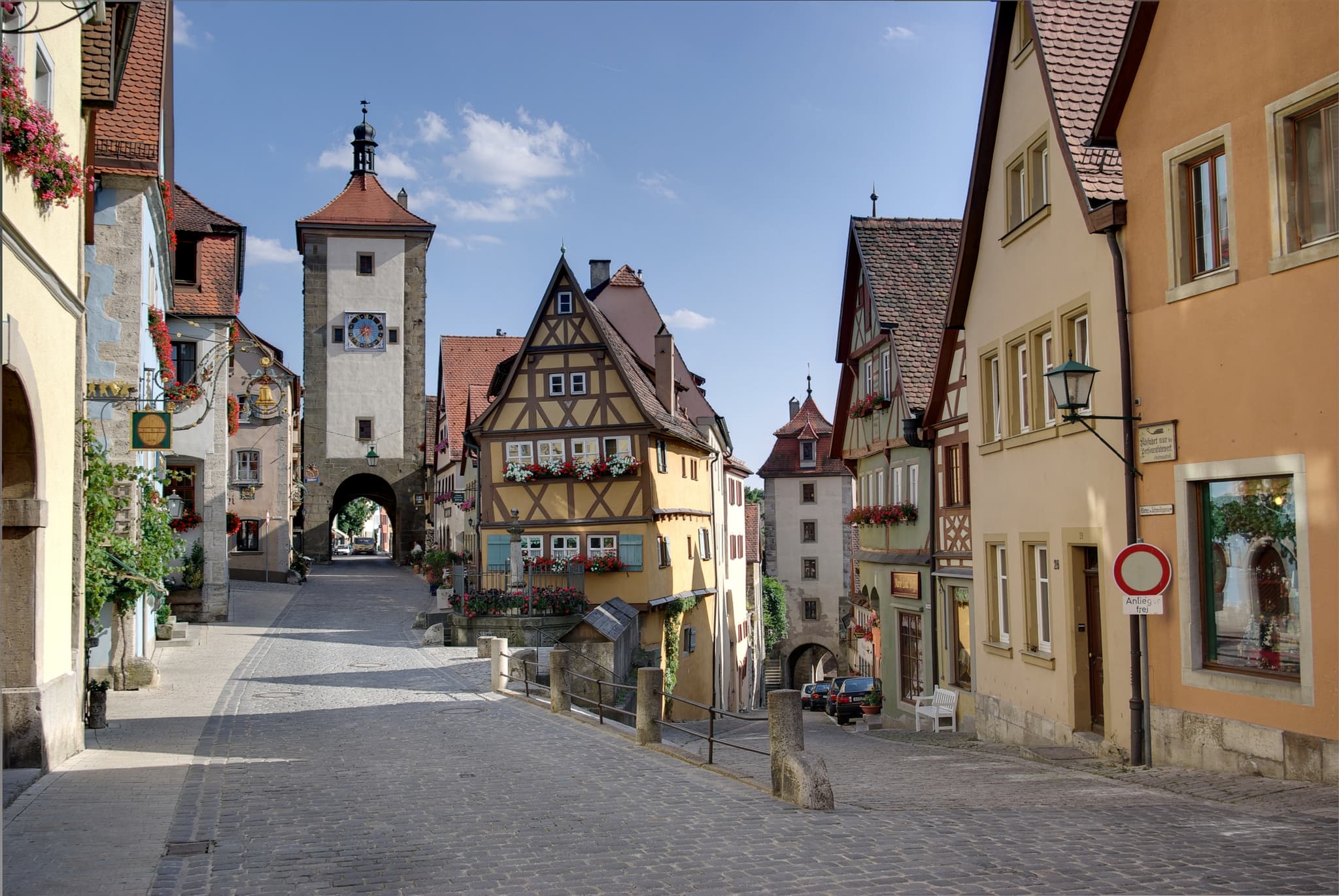
Rothenburg ob der Tauber is widely regarded as the best-preserved medieval walled town in Germany, its cobblestone lanes and half-timbered houses virtually unchanged for 600 years. The enchanting old town draws over 2.5 million visitors each year.
- –
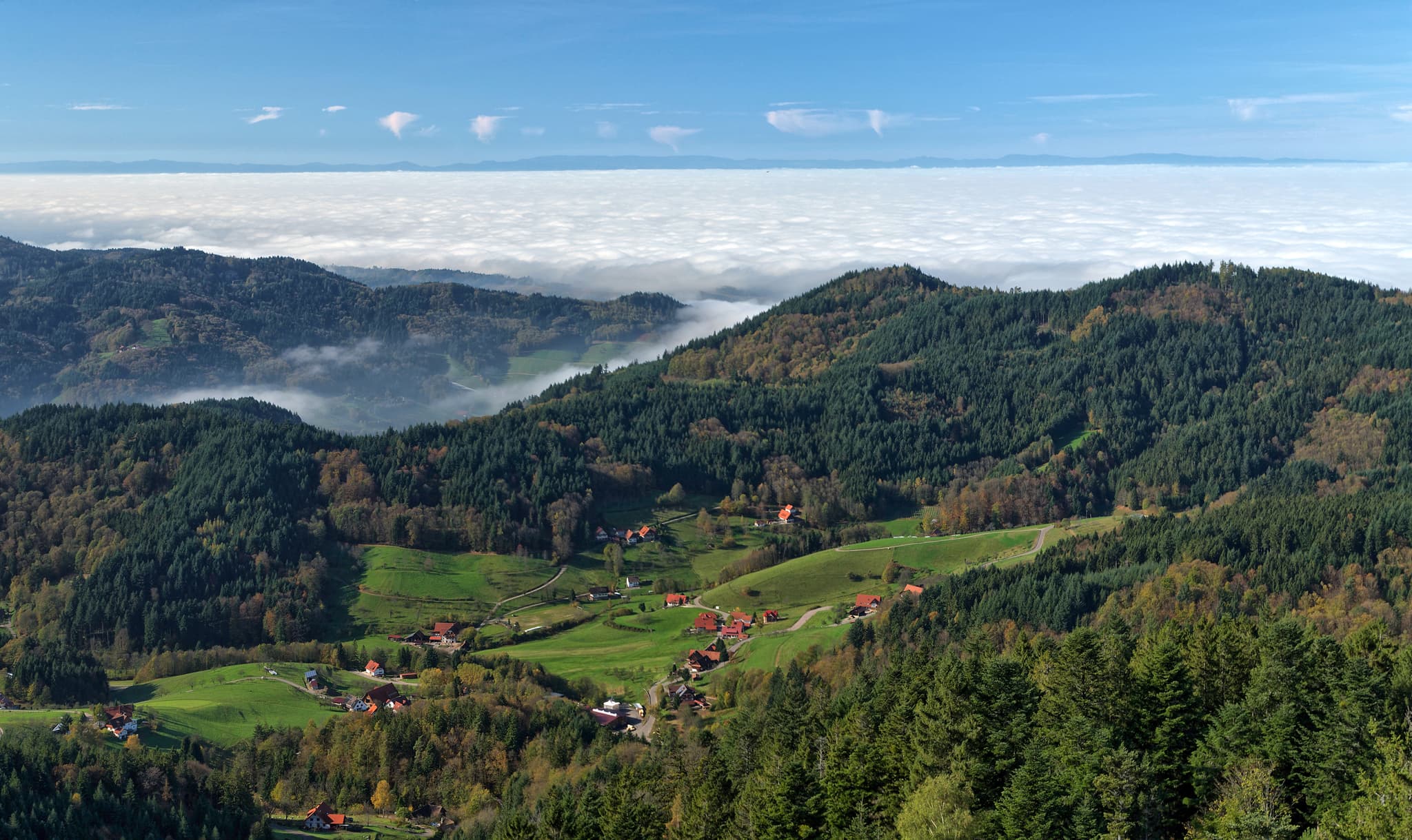
Stretching over 6,000 km² across Baden-Württemberg, the Black Forest is a land of dense spruce and fir trees, picture-postcard villages, and the famous cuckoo clock tradition. The highest peak, Feldberg, reaches 1,493 m and offers superb year-round hiking and skiing.
Image credits
- Berlin: Wikipedia
- Munich (München): Wikipedia
- Heidelberg: Wikipedia
- Neuschwanstein Castle: Wikipedia
- Hamburg: Wikipedia
- Cologne (Köln): Wikipedia
- The Rhine Valley: Wikipedia
- Dresden: Wikipedia
- Rothenburg ob der Tauber: Wikipedia
- Black Forest (Schwarzwald): Wikipedia
Frequently asked questions
What is the best time to visit the top destinations in Germany?
Late spring (May to June) and early autumn (September to October) offer mild weather and fewer crowds, ideal for exploring most cities and outdoor attractions.
How many days should I plan to visit the top 10 destinations in Germany?
A minimum of 10 to 14 days is recommended to cover the highlights, allowing 1-2 days per major city like Berlin, Munich, and Hamburg.
What are the must-see cities included in a top 10 Germany travel list?
Berlin, Munich, Hamburg, Frankfurt, Cologne, Dresden, Stuttgart, Düsseldorf, Leipzig, and Nuremberg are frequently listed as top destinations.
What is the best way to travel between these top German destinations?
Germany's high-speed ICE trains connect most major cities efficiently, and a German Rail Pass offers cost-effective unlimited travel for tourists.
Do I need a visa to visit Germany as a tourist?
Citizens of the US, Canada, Australia, and most other non-EU countries can visit Germany visa-free for up to 90 days within a 180-day period for tourism.
Rank it your way
Remix this list into your own ranking, or head to the play hub for every game mode and community breakdown — blind mode, challenges, tier lists, and more.
You Might Also Like

Top 10 Stepwells of India 2026
Top 10 Must-Visit Destinations in Germany
Top 10 Middle Eastern Travel Destinations
Top 10 Middle Eastern Travel Destinations
Top 10 Best Travel Destinations in Europe
Top 10 Best Travel Destinations in Europe
Top 10 Must-Visit Destinations in Australia
Top 10 Must-Visit Destinations in Germany
Top 10 Tips for First-Time Visitors to Japan
Top 10 Must-Visit Destinations in Germany

Top 10 Hidden Digital Nomad Destinations for 2026
#1 Tbilisi, Georgia · #2 Medellín, Colombia · #3 Tirana, Albania