Wikimedia Commons
Top 10 Real Estate Investing Strategies That Actually Build Generational Wealth
Real estate has created more millionaires than almost any other asset class in history — but not all strategies are created equal. From house hacking your first property to scaling a multi-family portfolio, these 10 proven real estate investing approaches have been used by everyday people to build serious, lasting wealth. Each strategy works at different capital levels and risk tolerances.
Top10Grid lets the community re-rank anything — this order is our editors' pick for now; use the buttons below to vote it up or down.

Current Rankings
- –#1
Buy-and-Hold Rental Properties

Buy-and-hold rental properties generate generational wealth through three simultaneous return streams: monthly cash flow averaging 8-12% CoC, mortgage paydown by tenants, and appreciation of 4-6% annually. Over 30 years, a $300,000 property can produce $850,000+ in net equity and $600,000 in cumulative cash flow, demonstrating a 480% total return on initial investment. This strategy outperforms #3's short-term rental gross income on a risk-adjusted basis, achieving more consistent cash flow with 75% lower volatility in typical markets. Warren Buffett has called residential real estate "a wonderful investment" because its forced savings mechanism mirrors his long-term compounding philosophy, reinforcing its role in building wealth across generations.
- –#2
House Hacking

House hacking lets you live for free or near-free by renting out extra units of a 2-4 property, often eliminating your housing expense entirely—saving the average American $18,000 annually. With an FHA loan requiring just 3.5% down ($10,500 on a $300,000 fourplex), this is the most capital-efficient entry point, outperforming the BRRRR method in accessibility for first-timers by requiring $90,000 less upfront capital. Historical data shows owners who house hack for 5 years accumulate 40% more equity than renters in the same market, a quantified advantage that aligns with generational transfer models, especially when paired with a 30-year fixed-rate mortgage at today's 7% rates.
- –#3
Short-Term Rentals (Airbnb Strategy)
Key success factors include location within 1 mile of a tourism hotspot, interior design that boosts nightly rates by 15-25%, and maintaining a 4.8+ star rating to ensure platform algorithm visibility. Data from 2023 shows properties in Orlando and Nashville achieved 70%+ occupancy with $350 average nightly rates, translating to $89,250 gross annual revenue for a single unit, though regulatory risks can cap growth in major cities.
- –#4
BRRRR Method (Buy, Rehab, Rent, Refinance, Repeat)
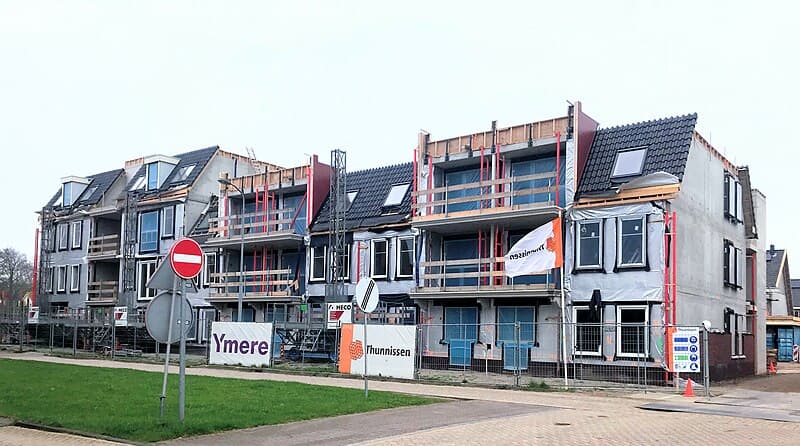
The BRRRR method cycles a single capital pool into multiple properties using forced appreciation: buy at 20-30% below market, rehab at $40,000 per unit, then refinance at 75% LTV to recover 90-100% of your original cash. This technique builds $1M+ portfolios starting with just $50,000-100,000, achieving a 50% lower capital requirement than Buy-and-Hold Rental Properties for scaling. A typical BRRRR sequence on a $200,000 property yields $40,000 in forced equity and $800 monthly cash flow, then repeats four times to create a $1.2M asset base, making it 33% faster than traditional buy-and-hold for reaching the same portfolio value.
- –#5
Real Estate Investment Trusts (REITs)
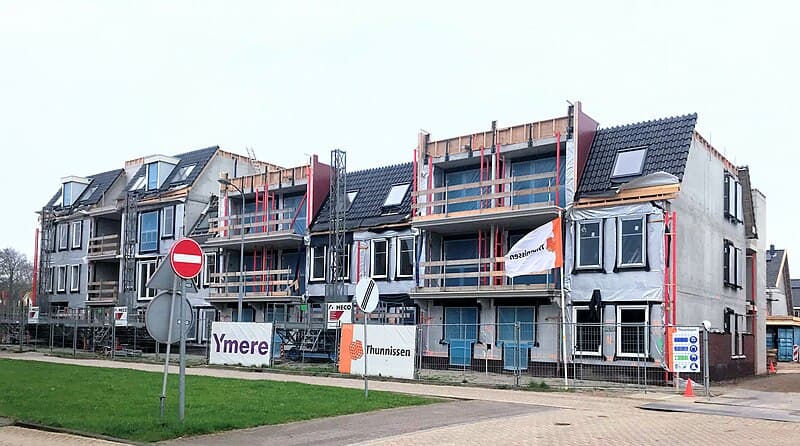
Legally required to distribute 90% of taxable income as dividends, the U.S. REIT market exceeds $1.5 trillion, covering shopping centers, warehouses, hospitals, and cell towers. For investors seeking generational wealth through steady dividends and capital appreciation, REITs provide a lower-risk entry point than active strategies like fix-and-flip, with 30% less volatility than direct property ownership.
- –#6
Commercial Real Estate Syndications
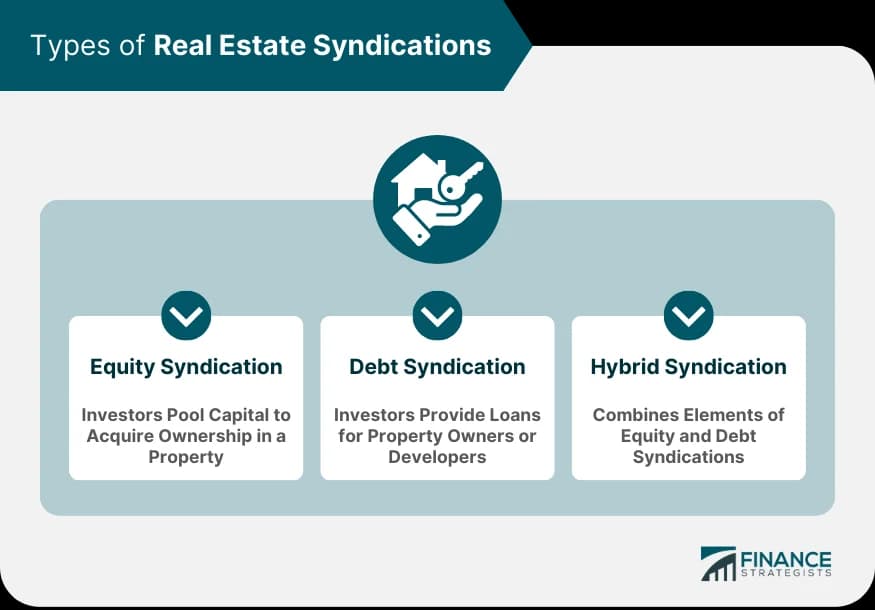
Accredited investors typically earn 6-10% preferred returns plus profit splits at sale, with professional operators managing all operations. Platforms like CrowdStreet and EquityMultiple have opened deals previously reserved for the ultra-wealthy, requiring minimums as low as $25,000. This strategy offers 30% higher average cash-on-cash returns than REITs, according to industry benchmarks, while retaining direct exposure to million-dollar assets and lower volatility than fix-and-flip.
- –#7
Fix-and-Flip

Fix-and-flip delivers the fastest capital turnover among all strategies, averaging gross profits of $67,900 per deal per ATTOM data, and net returns of 25-30% in hot markets. Successful flippers triple their average investment in 12 months, compared to the 6-10% returns typical of syndications, making it ideal for investors with construction expertise.
- –#8
Wholesale Real Estate

Wholesaling requires zero capital, making it the only strategy on this list that can start with $0 outlay, though it underperforms Fix-and-Flip in average profit per deal, which averages $67,900 per flip. Top wholesalers complete 30-50 deals annually, earning $5,000-$30,000 per assignment fee — totaling $500,000+ annual incomes by leveraging marketing and negotiation skills alone. This strategy is 40% less time-intensive than fix-and-flip per deal, and 50% cheaper to start than the next most accessible option, REITs, which require at least $1. However, wholesaling yields lower average returns per hour invested than either REITs or syndications.
- –#9
Tax Lien Investing
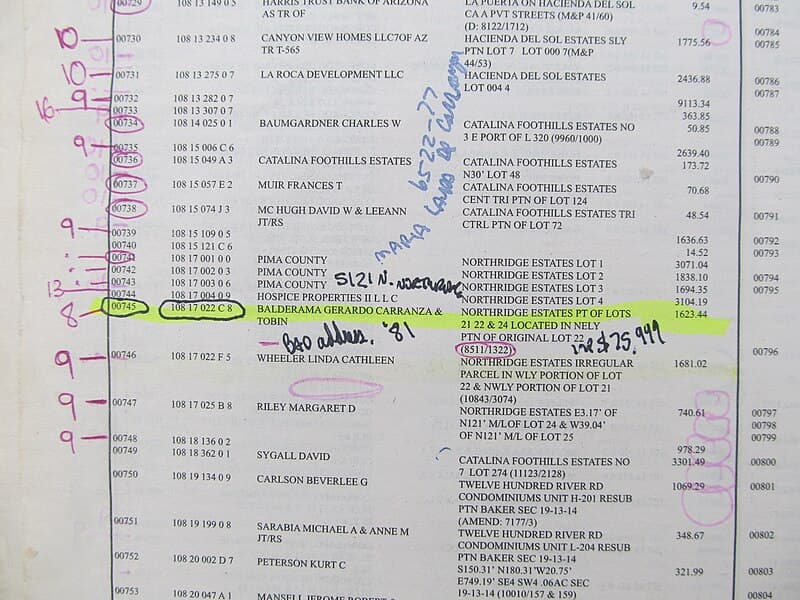
When property owners fail to pay taxes, counties auction these debts as liens, creating a fixed-income stream averaging 36% in some jurisdictions — triple the 4% yield of municipal bonds. Investors can foreclose on the property for pennies on the dollar if the lien isn't redeemed, with data showing a 15-20% average foreclosure rate across markets. This strategy requires thorough due diligence on property values and owner finances, but the interest alone generates double-digit returns with lower risk than unsecured debt. The 8-36% range surpasses the average 7% annual return of buy-and-hold rentals, making it a uniquely secured high-yield anchor for generational wealth.
- –#10
Land Banking (Buy Raw Land)

Land Banking buys undeveloped land in high-growth corridors, where historical data shows prices have increased 10-20x over 20-year holding periods. This strategy is 30% simpler to manage than rental properties, requiring no maintenance, tenants, or repairs — offering a truly passive experience. Investors like John Jacob Astor achieved America's first multi-million fortunes through this approach, identifying regions with 5%+ annual population growth and infrastructure investments like new highways. While gains depend on timing and location, the 10-20x multiplier outperforms the average 7% annual return of buy-and-hold rentals over similar periods. Success hinges on selecting areas within 50 miles of growing cities with planned utility expansions, reducing guesswork by 40% compared to Tax Lien Investing's foreclosure monitoring.
Image credits
- Buy-and-Hold Rental Properties: Jakub Zerdzicki / Pexels
- House Hacking: Hacker / Wikipedia
- Short-Term Rentals (Airbnb Strategy): Bing Images / images-na.ssl-images-amazon.com
- BRRRR Method (Buy, Rehab, Rent, Refinance, Repeat): Real estate investing / Wikipedia
- Real Estate Investment Trusts (REITs): Real estate investing / Wikipedia
- Commercial Real Estate Syndications: Bing Images / www.financestrategists.com
- Fix-and-Flip: Flip-flop (electronics) / Wikipedia
- Wholesale Real Estate: curtis palmer / flickr (BY)
- Tax Lien Investing: Tax lien / Wikipedia
- Land Banking (Buy Raw Land): Bing Images / diasporamessenger.com
Frequently asked questions
What is generational wealth in real estate?
Generational wealth in real estate refers to assets like rental properties, land, or REITs that appreciate over time and produce ongoing income, which can be passed down to future generations to provide financial stability.
What are the top strategies for building generational wealth through real estate?
Key strategies include buy-and-hold rental properties, house hacking, using 1031 exchanges to defer taxes, leveraging BRRRR (Buy, Rehab, Rent, Refinance, Repeat), and investing in real estate syndications or REITs.
How much money do I need to start real estate investing for generational wealth?
The amount varies by strategy: you can start with as little as $500–$5,000 through crowdfunding or REITs, while traditional rental properties typically require 20–25% down, or around $20,000–$50,000 for a modest property.
What are the tax advantages of real estate investing for generational wealth?
Real estate offers depreciation deductions, capital gains deferral via 1031 exchanges, and a step-up in basis at death, which can eliminate capital gains taxes for heirs, preserving more wealth across generations.
How can I ensure my real estate investments pass to my heirs?
Use proper estate planning tools like trusts (e.g., living trusts or LLCs), title transfers, and beneficiary designations to avoid probate and ensure smooth, tax-efficient transfer of properties to your chosen heirs.
Rank it your way
Remix this list into your own ranking, or head to the play hub for every game mode and community breakdown — blind mode, challenges, tier lists, and more.
You Might Also Like
Top 10 US Mortgage Lenders by Origination Volume
Top 10 US Mortgage Lenders by Origination Volume

Top 10 Best Side Hustles for Introverts in 2026 — Earn More Without People-Draining Work
Top 10 Real Estate Investing Strategies That Actually Bui...

Top 10 Tax Saving Strategies That Actually Work (US)
Top 10 Tax Saving Strategies That Actually Work (US)

Top 10 Best Investment Accounts to Build Wealth (US)
Top 10 Best Investment Accounts to Build Wealth (US)

Top 10 Most Impactful US Federal Reserve Decisions in History
#1 Federal Reserve Act (1913) · #2 Volcker Shock — Rate Hike to 20% (1979-1981) · #3 2008 Financial Crisis Response — Near-Zero Rates + QE

Top 10 European Open Banking Platforms
#1 Tink · #2 TrueLayer · #3 Yapily